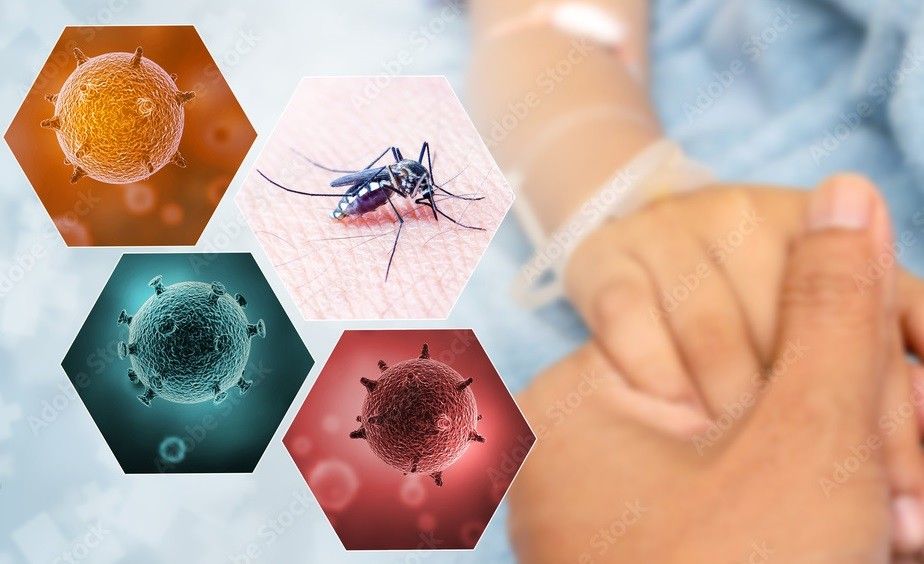
Malaria is one of those diseases most of us have heard about, yet many people do not fully understand how dangerous it can be or how easily it spreads. While the world has made tremendous progress in controlling malaria, it remains a major public health concern in many countries, especially in tropical and subtropical regions. Every year, millions of people fall sick, and hundreds of thousands lose their lives due to this preventable and treatable disease.
This guide takes you on a deep dive into malaria—what it really is, how it spreads, the symptoms you should never ignore, available treatments, and the practical steps you can take to protect yourself and your family. Whether you are someone living in an at-risk region or simply want to understand the disease better, this guide covers everything you need.
What Is Malaria?
Malaria is an infectious disease caused by a parasite from the Plasmodium family. Unlike illnesses caused by bacteria or viruses, malaria originates from a parasite that depends on a host to survive and multiply. The parasite is transmitted to humans through the bite of an infected female Anopheles mosquito. When this mosquito bites a person, it injects the malaria parasites into their bloodstream, where they multiply and begin to attack red blood cells.
Causes of Malaria
Malaria is caused by infection with parasites belonging to the Plasmodium family. These parasites enter the human bloodstream primarily through the bite of an infected female Anopheles mosquito. Once inside the body, the parasites travel to the liver, multiply, and then enter red blood cells, where they continue to grow and cause symptoms such as fever, chills, and fatigue.
Below are the main causes and contributing factors behind malaria:
1. Plasmodium Parasites:
The true cause of malaria is the Plasmodium parasite. Five species affect humans:
- Plasmodium falciparum – the most dangerous and deadly form.
- Plasmodium vivax – common in Asia and Latin America, can cause relapses.
- Plasmodium ovale – less common, also causes relapses.
- Plasmodium malariae – can cause long-term infections.
- Plasmodium knowlesi – rare but found in Southeast Asia.
Among these, P. falciparum is responsible for most severe malaria cases and deaths, especially in Africa.
2. Bites from Infected Female Anopheles Mosquitoes:
The most common cause of malaria transmission is the bite of an infected female Anopheles mosquito. These mosquitoes bite between dusk and dawn and thrive in warm, humid, and tropical environments. The mosquito becomes infected when it feeds on a person who already has malaria. It then carries the parasite and spreads it to the next person it bites.
3. Blood Transfusion from an Infected Donor:
Although not common, malaria can be transmitted through blood transfusions if the donated blood contains malaria parasites. This risk is higher in areas where malaria is widespread.
4. Sharing Contaminated Needles:
Using shared or unsterilized needles, such as in healthcare settings with improper practices or through injection drug use, can transmit malaria if the blood contains the parasite.
5. Mother-to-Baby (Congenital Malaria):
Malaria can spread from a pregnant mother to her unborn child during pregnancy or childbirth. This is called congenital malaria, and it can pose serious risks to the baby.
6. Organ Transplantation:
In rare cases, a person can contract malaria through a solid organ transplant if the donor organ contains the parasite.
7. Environmental Conditions That Support Mosquito Breeding:
While not direct causes, certain conditions increase the risks of malaria transmission:
- Stagnant water (mosquito breeding sites)
- Warm and humid climate
- Poor sanitation
- Lack of mosquito control programs
- Dense population areas
These factors allow mosquitoes to multiply faster and increase the chances of infection.
Stages of Malaria
Malaria progresses through several stages in the human body, from the initial infection to severe illness if untreated.
1. Liver Stage (Exoerythrocytic Stage):
- What Happens: Once an infected mosquito bites a person, Plasmodium parasites enter the bloodstream and travel to the liver.
- Parasite Activity: In the liver, the parasites invade liver cells and multiply.
- Symptoms: This stage is usually asymptomatic, meaning there are no noticeable symptoms. The parasite is “hiding” in the liver while it matures.
- Duration: Typically lasts 7–15 days, depending on the parasite species. For P. vivax and P. ovale, some parasites can remain dormant in the liver for months or years, causing relapses later.
2. Blood Stage (Erythrocytic Stage):
- What Happens: After leaving the liver, parasites enter red blood cells, multiply, and eventually destroy the cells.
- Symptoms: This is when malaria symptoms begin to appear, including fever, chills, fatigue, headache, nausea, and body aches.
- Cycles: The destruction of red blood cells occurs in cycles, causing periodic fevers and chills, often every 48–72 hours, depending on the parasite species.
- Importance: This stage is responsible for the clinical illness and complications of malaria.
3. Severe Malaria Stage:
- What Happens: If untreated, the infection can progress to severe malaria. The parasites overwhelm the body, affecting vital organs.
- Complications:
- Cerebral malaria (affecting the brain)
- Severe anemia (due to destruction of red blood cells)
- Kidney or liver failure
- Respiratory distress
- Low blood sugar and shock
- Symptoms: Persistent high fever, confusion, seizures, jaundice, rapid breathing, or coma.
- Risk Groups: Children under 5, pregnant women, and immunocompromised individuals are at highest risk.
4. Transmission Stage (Gametocyte Stage):
- What Happens: Some parasites develop into sexual forms called gametocytes inside red blood cells.
- Transmission: When another female Anopheles mosquito bites the infected person, it ingests gametocytes. Inside the mosquito, they mature and continue the malaria life cycle, infecting the next human host.
- Importance: This stage is critical for the spread of malaria in the community.
How Malaria Spreads?
The transmission cycle of malaria is both simple and fascinating. It begins with an infected mosquito biting a person. The parasite enters the bloodstream and travels to the liver, where it matures and multiplies. After this stage, it re-enters the bloodstream and begins infecting red blood cells, leading to symptoms like fever, chills, fatigue, and body aches.
Here’s how the spread typically works:
- Mosquito bites a malaria-infected person and ingests the parasites.
- Inside the mosquito, the parasite develops further.
- The same mosquito then bites a healthy person, passing on the parasite.
- The parasite enters the liver, multiplies, and re-enters the blood.
- Symptoms begin once red blood cells start getting destroyed.
Rarely, malaria can also spread through:
- Blood transfusions from infected donors
- Sharing contaminated needles
- From a pregnant mother to her unborn baby (congenital malaria)
However, mosquito bites remain the primary cause.
Who Is at Risk?
Malaria can affect anyone, but some groups face a significantly higher risk. These include:
- Children under 5 years, because their immune systems are still developing
- Pregnant women, as pregnancy lowers immunity
- People living in or traveling to malaria-endemic regions
- Individuals with weakened immune systems
- People living in areas with poor mosquito control measures
Countries in Africa, South Asia, Southeast Asia, and parts of Latin America report the highest number of malaria cases.
Symptoms of Malaria
Malaria symptoms generally appear 10 to 15 days after being bitten by an infected mosquito. However, in some cases, symptoms may take several weeks or even months, especially if the parasite has a dormant liver stage, such as P. vivax and P. ovale.
The most common symptoms include:
Early Symptoms
- Fever
- Chills
- Headache
- Sweating
- Fatigue
- Body aches
- Nausea and vomiting
These symptoms often resemble the flu, which is why malaria can be misdiagnosed in the early stages.
Advanced Symptoms
If untreated, malaria can progress to severe forms, leading to:
- High fever
- Seizures
- Difficulty breathing
- Jaundice (yellowing of skin and eyes)
- Severe anemia
- Low blood pressure
- Organ failure (kidneys, liver, or lungs)
- Coma
Severe malaria is a medical emergency and requires immediate hospitalization.
Types of Malaria
Malaria is categorized in different ways depending on severity, parasite species, and clinical presentation.
1. Uncomplicated Malaria
This refers to early-stage malaria that is not life-threatening. Symptoms can be mild to moderate.
2. Severe Malaria
Most often caused by P. falciparum, severe malaria affects vital organs and is potentially fatal.
3. Cerebral Malaria
A dangerous form where parasites block blood vessels in the brain. It can cause seizures, coma, or neurological damage.
4. Relapsing Malaria
Caused by P. vivax and P. ovale, these parasites can hide in the liver and reactivate months later.
How Malaria Is Diagnosed?
Prompt and accurate diagnosis is essential for successful treatment. Doctors use various methods to confirm malaria:
1. Blood Smear Microscopy
A drop of blood is examined under a microscope to detect parasites. This is the most common and reliable method.
2. Rapid Diagnostic Tests (RDTs)
These tests detect malaria antigens from a finger-prick blood sample. They are quick and useful in remote areas without lab facilities.
3. PCR Testing
A more advanced method that detects parasite DNA. It is highly accurate but expensive and not widely available.
4. Complete Blood Count (CBC)
Although not specific to malaria, a CBC can reveal anemia and other abnormalities.
Treatment for Malaria
Treatment depends on the type of malaria, the severity of symptoms, and the patient’s age and overall health.
1. Antimalarial Medications
Commonly prescribed drugs include:
- Artemisinin-based combination therapies (ACTs) – considered the most effective
- Chloroquine – used for non-resistant malaria strains
- Primaquine – used to prevent relapse in P. vivax and P. ovale
- Mefloquine
- Quinine and quinidine
ACTs have become the global standard for treating malaria as they rapidly clear parasites from the bloodstream.
2. Treatment for Severe Malaria
Severe cases require hospitalization and intravenous medications, such as artesunate or quinine, along with supportive treatments for complications like organ failure or severe anemia.
3. Relapse Prevention
Primaquine or tafenoquine is required to eliminate dormant liver parasites to prevent recurrence, especially in P. vivax infections.
Complications of Malaria
If not treated promptly, malaria can lead to life-threatening complications. These may include:
- Cerebral malaria
- Severe anemia
- Kidney failure
- Respiratory distress
- Low blood sugar
- Liver failure
- Shock
- Death
Young children, pregnant women, and people with weakened immune systems are more vulnerable to complications.
Malaria in Pregnancy
Pregnant women face unique risks due to lower immunity. Malaria during pregnancy can lead to:
- Severe anemia
- Placental infection
- Low birth weight
- Preterm delivery
- Stillbirth
- Miscarriage
Because of these risks, pregnant women should take extra precautions, including mosquito nets, protective clothing, and preventive medications if recommended.
Malaria in Children
Children under five make up a large percentage of global malaria deaths. Their immune systems are not fully developed, making them more susceptible to severe symptoms.
Warning signs in children include:
- High fever
- Vomiting
- Extreme weakness
- Inability to drink or breastfeed
- Seizures
- Rapid breathing
Immediate medical attention is essential if a child shows symptoms.
How to Prevent Malaria?
The best way to handle malaria is to prevent it. Fortunately, there are several proven measures you can take.
1. Avoid Mosquito Bites
- Use insect repellent containing DEET, picaridin, or IR3535.
- Wear long sleeves and pants, especially during evening hours.
- Install window screens.
- Sleep under insecticide-treated mosquito nets.
2. Keep Your Environment Mosquito-Free
- Avoid stagnant water around your home.
- Use indoor insect sprays or coils.
- Keep surroundings clean.
3. Take Antimalarial Medication When Traveling
If you’re visiting a malaria-prone region, preventive medication may be recommended. Consult a doctor before travel.
4. Community Measures
Communities can work together to reduce malaria transmission through:
- Insecticide spraying
- Public health education
- Using mosquito nets
- Mass drug administration in high-risk areas
Is There a Vaccine for Malaria?
Yes. The world has recently seen major progress in malaria vaccination.
1. RTS,S/AS01 (Mosquirix):
This was the first malaria vaccine approved for children in Africa. It helps reduce severe malaria and death.
2. R21/Matrix-M Vaccine:
Approved in recent years, this vaccine is showing promising results with higher efficacy.
While these vaccines do not provide full protection, they significantly reduce the risk of infection and severe complications, especially in children.
Why Malaria Is Still a Global Problem
Despite medical advancements, malaria continues to challenge many parts of the world due to:
- Limited access to healthcare
- Mosquito insecticide resistance
- Parasite drug resistance
- Climate change increasing mosquito breeding
- Poor sanitation and stagnant water
- Lack of vaccination coverage
- Poverty and inadequate public health infrastructure
Efforts are ongoing globally to reduce malaria cases through innovative technologies, better treatments, and expanded vaccination.
Lifestyle Tips for People Living in Malaria-Prone Areas
Living in an at-risk region means taking additional measures to stay safe, such as:
- Keeping your surroundings clean
- Draining stagnant water
- Wearing full-sleeve clothing
- Using mosquito nets every night
- Applying mosquito repellent regularly
- Ensuring windows and doors have screens
- Seeking early medical care if fever develops
- Educating children and family members about prevention
Small habits can significantly reduce risk.
When to See a Doctor
Seek medical help immediately if you experience:
- High fever
- Chills
- Severe headache
- Nausea or vomiting
- Fatigue or body aches
- Confusion
- Breathing difficulty
- Seizures
Early diagnosis is the key to survival. Even mild symptoms should not be ignored if you live in or recently visited a malaria-prone area.
Myths and Facts About Malaria
Myth: Malaria spreads from person to person.
Fact: It spreads through mosquito bites, not physical contact.
Myth: Malaria only happens during the rainy season.
Fact: While cases rise during monsoon, mosquitoes breed anytime stagnant water is available.
Myth: Once you get malaria, you become immune.
Fact: Immunity may develop partially but does not prevent re-infection.
Myth: Herbal cured alone can treat malaria.
Fact: Malaria requires proper medical treatment.
Global Efforts to Fight Malaria
Organizations such as WHO, UNICEF, and various governments are working together to reduce malaria cases through:
- Vaccination campaigns
- Affordable ACT medications
- Mosquito net distribution drives
- Community health programs
- Research on new drugs
- Vector control initiatives
In many parts of the world, malaria cases have dropped dramatically due to these combined efforts.
Conclusion
Malaria remains a serious global health issue, but the good news is that it is both preventable and treatable. With the right awareness, early diagnosis, and timely treatment, millions of lives can be saved every year. Whether you live in a malaria-prone region or plan to travel to one, understanding the disease empowers you to protect yourself and those you love.
From recognizing early symptoms to following prevention measures and knowing the importance of medical treatment, staying informed is your strongest defense. With continuous global efforts, advanced medications, and the introduction of vaccines, the world is steadily moving toward a future where malaria may one day no longer be a major threat.
FAQ’s
Can malaria be cured?
Yes, malaria can be cured with timely antimalarial medications such as artemisinin-based combination therapies (ACTs).
What is severe malaria?
Severe malaria occurs when parasites affect vital organs, leading to complications like anemia, seizures, breathing problems, or organ failure.
Can malaria come back after treatment?
Some parasite types, such as P. vivax and P. ovale, can cause relapses if dormant liver stages are not treated.
How long do malaria symptoms last?
Malaria symptoms usually appear 10–15 days after infection and can last for a few days to a couple of weeks. Some types, like P. vivax and P. ovale, can remain dormant in the liver and cause relapses months later.
Who mostly dies from malaria?
Children under five, pregnant women, and people with weakened immune systems are most at risk of dying from malaria. P. falciparum infections in Africa are responsible for the majority of malaria deaths.
Which blood type is resistant to malaria?
People with blood type O are known to have some resistance to severe malaria caused by P. falciparum, as the parasites have a harder time binding to red blood cells.
Can a healthy person get malaria?
Yes, even healthy individuals can get malaria if bitten by an infected mosquito. While immunity and overall health may reduce severity, infection can still occur.
What is the death rate of malaria?
Globally, malaria caused approximately 619,000 deaths in 2021, with the majority occurring in sub-Saharan Africa. The death rate varies depending on region, access to treatment, and the parasite species.
Which is deadlier, malaria or dengue?
Malaria is generally deadlier than dengue. Severe P. falciparum malaria can lead to organ failure and death, whereas most dengue cases are self-limiting, though dengue hemorrhagic fever can also be dangerous.
How serious is malaria?
Malaria is a serious and potentially life-threatening disease if untreated. It can cause severe anemia, organ failure, cerebral complications, and death, especially in vulnerable populations.
What age is malaria vaccine given?
The RTS,S/AS01 malaria vaccine is usually given to children starting at 5 months of age, with multiple doses recommended for optimal protection.
What are the side effects of malaria vaccine?
Common side effects include pain at the injection site, fever, irritability, headache, and fatigue. Serious side effects are rare, and the benefits generally outweigh the risks.
What happens if malaria is left untreated?
Untreated malaria can become severe and lead to anemia, organ failure, cerebral malaria, coma, and death. Early diagnosis and treatment are crucial to prevent complications.
Also Read: