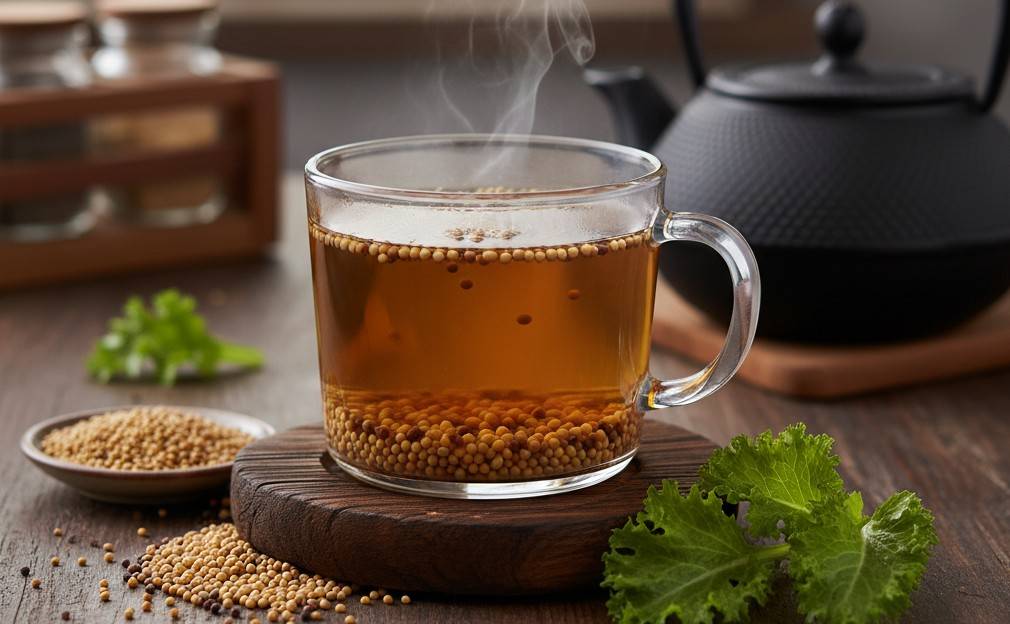
When you think of mustard seeds, chances are you imagine them sizzling in hot oil, adding flavor to curries, sauces, or pickles. But what if we told you that these tiny, spicy seeds can also make a healing tea that’s packed with powerful benefits?
Mustard seeds tea is one of those ancient, home-style remedies that has quietly stood the test of time. For generations, it has been used for respiratory problems, digestive discomfort, and even joint pain. In recent years, it’s gaining recognition again for its natural detoxifying and metabolism-boosting qualities. Let’s take a closer look at this unique, spicy-scented beverage that’s both medicinal and refreshing — Mustard Seeds Tea.
What is Mustard Seeds Tea?
Mustard Seeds Tea is a herbal infusion made by steeping mustard seeds in hot water. The seeds come from the mustard plant (Brassica species), belonging to the same family as cabbage, broccoli, and kale — the cruciferous family known for its health-promoting compounds.
There are mainly three types of mustard seeds used in tea:
- Yellow Mustard Seeds (Sinapis alba): Mild and slightly tangy.
- Brown Mustard Seeds (Brassica juncea): Pungent and spicy.
- Black Mustard Seeds (Brassica nigra): Very strong and aromatic.
When steeped in hot water, these seeds release beneficial compounds such as glucosinolates, selenium, omega-3 fatty acids, and antioxidants. The result is a warming, slightly spicy tea with therapeutic potential.
This drink is traditionally used in Ayurveda and folk medicine as a natural remedy for colds, detoxification, weight loss, and digestive health.
Nutritional Facts of Mustard Seeds Tea (Per 1 Cup Serving)
| Nutrients | Amount (Approx.) | Health Benefits |
|---|---|---|
| Calories | 15 kcal | Low-calorie beverage |
| Protein | 0.5 g | Helps in tissue repair |
| Fat | 0.3 g | Healthy fats (omega-3) |
| Carbohydrates | 2.1 g | Provides mild energy |
| Fiber | 0.4 g | Aids digestion |
| Vitamin A | 10 µg | Supports vision & immunity |
| Vitamin C | 1.2 mg | Boosts immune system |
| Vitamin K | 5 µg | Promotes bone health |
| Calcium | 25 mg | Strengthens bones |
| Magnesium | 18 mg | Improves muscle function |
| Iron | 0.4 mg | Supports red blood cell production |
| Selenium | 9 µg | Protects against oxidative stress |
| Omega-3 Fatty Acids | 12 mg | Reduces inflammation |
Note: The actual nutritional value may vary slightly based on the type of mustard seed and preparation method.
20 Proven Health Benefits of Mustard Seeds Tea
Mustard seeds tea is more than just a traditional home remedy — science is catching up with what ancient healers already knew. Here are 20 science-backed benefits you can enjoy from this spicy, healing brew.
1. Helps Clear Respiratory Congestion
Mustard tea acts as a natural decongestant, helping to break up mucus and ease breathing difficulties caused by colds or allergies.
2. Boosts Digestion
The heat from mustard seeds stimulates saliva and gastric juice production, improving digestion and preventing bloating.
3. Aids Weight Loss
The thermogenic properties of mustard help boost metabolism, supporting fat burning and weight management when combined with a healthy diet.
4. Reduces Inflammation
Mustard seeds are rich in selenium and omega-3 fatty acids, which have anti-inflammatory effects that help reduce joint and muscle pain.
5. Strengthens Immunity
The tea contains antioxidants and vitamin C that support your immune system and protect your body from infections.
6. Relieves Cold and Cough
Drinking warm mustard tea soothes a sore throat and clears nasal passages, making it a comforting natural remedy during cold seasons.
7. Promotes Detoxification
Mustard tea helps stimulate the liver and kidneys, aiding in the elimination of toxins and supporting natural detox processes.
8. Improves Blood Circulation
Mustard’s warming nature helps improve blood flow and oxygen delivery throughout the body.
9. May Lower Blood Sugar Levels
Compounds in mustard seeds have been found to improve insulin sensitivity and regulate blood glucose levels.
10. Supports Heart Health
Omega-3 fatty acids and antioxidants in mustard seeds may help reduce cholesterol levels and improve cardiovascular health.
11. Enhances Skin Health
Its antioxidants combat oxidative stress, which can slow down premature aging and improve skin tone.
12. Relieves Muscle Pain
Warm mustard tea acts as an internal muscle relaxant, providing comfort after exercise or long hours of physical work.
13. Improves Hair Growth
Nutrients like iron, magnesium, and omega-3s in mustard tea nourish hair follicles, promoting thicker and healthier hair growth.
14. Helps in Menstrual Discomfort
The warming and anti-inflammatory properties of mustard seeds may ease cramps and discomfort during menstruation.
15. Reduces Arthritis Pain
Drinking mustard tea regularly may help people suffering from arthritis due to its joint-soothing anti-inflammatory compounds.
16. Fights Free Radicals
Mustard tea’s antioxidants, such as selenium, help neutralize free radicals, protecting your cells from damage.
17. Promotes Healthy Metabolism
Mustard seeds support thyroid function and energy metabolism due to their selenium content.
18. May Support Liver Function
Studies suggest that glucosinolates in mustard seeds enhance liver detox enzymes, keeping the liver healthy.
19. Alleviates Sinus Pressure
The steam from hot mustard tea helps open blocked sinuses and relieve sinus headaches.
20. Natural Remedy for Sore Muscles and Fatigue
A cup of mustard tea after a long day may soothe tired muscles and restore energy levels naturally.
10 Side Effects of Mustard Seeds Tea
While mustard seeds tea offers several benefits, it’s also quite potent. Overconsumption or sensitivity to mustard can cause some side effects.
- Stomach irritation: Drinking too much may upset your stomach or cause burning sensations.
- Heartburn: The strong compounds can trigger acid reflux in sensitive individuals.
- Allergic reactions: Some people may develop rashes, itching, or swelling.
- Thyroid interference: Excessive intake of cruciferous seeds like mustard may affect thyroid function due to goitrogens.
- Diarrhea: Overconsumption can lead to loose stools or gastrointestinal discomfort.
- Lowered blood sugar: Diabetics should monitor blood sugar closely when drinking mustard tea regularly.
- Interference with medication: Mustard may interact with blood thinners and diabetes medicines.
- Irritation of mouth or throat: The strong, pungent oils can cause temporary throat irritation if consumed in high amounts.
- Pregnancy caution: Large doses are not recommended during pregnancy due to the stimulating effects.
- Skin irritation (if handled raw): Some may experience mild skin irritation while handling mustard seeds before brewing.
How to Make Mustard Seeds Tea?
Here’s a simple and traditional way to prepare mustard seeds tea at home.
Ingredients:
- 1 teaspoon of mustard seeds (yellow or brown)
- 2 cups of water
- ½ teaspoon of honey (optional)
- A slice of lemon or ginger (optional)
Instructions:
- Crush the seeds: Lightly crush mustard seeds using a mortar and pestle to release the oils.
- Boil the water: Bring 2 cups of water to a boil.
- Add mustard seeds: Add the crushed seeds and simmer for about 10 minutes.
- Strain: Strain the mixture into a cup.
- Add flavor (optional): Mix in honey or a lemon slice for taste.
- Serve warm: Sip slowly while it’s still warm.
This tea can also be combined with other herbs like turmeric, cinnamon, or black pepper for an enhanced therapeutic effect.
Other Uses of Mustard Seeds Tea
Mustard seeds tea isn’t just for drinking. It has several versatile applications:
- Steam Inhalation: Use the brewed tea for steam therapy to relieve nasal congestion.
- Hair Rinse: After shampooing, use cooled mustard tea as a final rinse for stronger hair.
- Skin Toner: Once cooled, it can be dabbed on the skin (diluted) to refresh and cleanse.
- Foot Soak: Add mustard tea to warm water to relax tired feet.
- Herbal Compress: Soak a towel in warm mustard tea and apply to sore muscles for pain relief.
How Much Mustard Seeds Tea Can You Drink a Day?
Generally, one to two cups per day is considered safe for most adults. Start with half a cup if you’re trying it for the first time to ensure your body tolerates it well.
Avoid drinking more than three cups daily, as mustard is quite stimulating and may cause digestive or thyroid imbalances in large amounts.
Tips for Consuming Mustard Seeds Tea
To make the most of this traditional tea, keep these practical tips in mind:
- Always use fresh mustard seeds for brewing; stale ones lose potency.
- Do not boil seeds for too long — overcooking may destroy nutrients.
- Add honey or lemon for a pleasant taste and extra vitamin boost.
- Drink it warm, not hot, to prevent throat irritation.
- Avoid adding milk; mustard tea is best consumed clear.
- Combine it with other detox teas (like turmeric or ginger) for enhanced benefits.
- If you’re sensitive to strong flavors, start with yellow mustard seeds as they’re milder.
Best Time to Drink Mustard Seeds Tea
The best time to drink mustard tea depends on your goals:
- Morning (empty stomach): For detox and metabolism boost.
- After meals: To aid digestion and prevent bloating.
- Before bedtime: To relax muscles and ease nasal congestion (only in small quantity).
Avoid drinking it late at night in large amounts, as the heat and spice can interfere with sleep in some people.
Who Should Drink Mustard Seeds Tea?
Mustard seeds tea can benefit many individuals when consumed wisely.
It is especially recommended for:
- People suffering from cold, cough, or sinus congestion
- Those with poor digestion or bloating issues
- Individuals seeking natural detoxification
- People experiencing joint or muscle pain
- Anyone looking for a natural metabolism booster
Who Should Not Drink Mustard Seeds Tea?
Though beneficial, mustard tea is not suitable for everyone. Avoid or consult a doctor if you belong to any of these groups:
- Pregnant or breastfeeding women: May cause uterine stimulation or discomfort.
- Individuals with thyroid disorders: Goitrogens can interfere with thyroid hormone production.
- People with ulcers or gastritis: The spice may aggravate symptoms.
- Children: Mustard tea may be too strong for young digestive systems.
- Those with mustard allergies: Even small amounts can trigger reactions.
- Individuals taking medications for diabetes or heart disease: Possible drug interactions.
Precautions and Interactions
To ensure safe consumption, consider the following precautions:
- Always consult your doctor before using mustard tea for therapeutic purposes.
- Do not exceed recommended amounts — it’s a medicinal beverage, not a casual drink.
- Avoid combining it with other strong herbal teas without guidance.
- If you are on blood thinners, thyroid medication, or diabetes drugs, use with caution.
- Discontinue use immediately if you experience any allergic symptoms.
- Always drink freshly brewed tea — avoid storing it overnight.
Final Thoughts
Mustard Seeds Tea is one of those ancient remedies that beautifully bridges the gap between food and medicine. Its spicy warmth, cleansing nature, and nutrient richness make it an exceptional drink for detoxifying, energizing, and healing the body from within. But like any powerful natural remedy, it deserves respect. Too much can cause irritation, while the right amount can rejuvenate you inside out.
FAQ’s
What does mustard seeds tea taste like?
Mustard seeds tea has a distinct spicy, earthy flavor with a slightly pungent aroma. It’s not sweet like most herbal teas but gives a warming, peppery sensation — somewhat similar to ginger or clove tea.
Can pregnant women drink mustard seeds tea?
Pregnant women should avoid mustard seeds tea unless advised by a healthcare provider. The active compounds can be too stimulating and may cause uterine contractions or digestive discomfort.
Is mustard seeds tea safe for children?
No, mustard seeds tea is not recommended for young children because its strong flavor and potent oils may irritate their digestive systems. Always consult a pediatrician before offering herbal teas to kids.
Can mustard seeds tea help in weight loss?
Yes, mustard seeds tea can support weight loss by boosting metabolism and improving digestion. However, it works best when combined with regular exercise and a balanced diet — not as a stand-alone solution.
Is mustard seeds tea good for colds and coughs?
Absolutely. The warmth and natural decongestant properties of mustard seeds tea help clear mucus, relieve sore throats, and open nasal passages, making it an effective home remedy for cold symptoms.
Can I drink mustard seeds tea on an empty stomach?
Yes, you can — but only if your stomach can handle spicy or warming foods. Drinking mustard tea on an empty stomach can boost metabolism and digestion, though some may experience mild acidity. If that happens, have it after breakfast instead.
Can mustard seeds tea help with arthritis or joint pain?
Yes. Mustard seeds tea has anti-inflammatory compounds like selenium and omega-3s that can ease joint pain, stiffness, and inflammation associated with arthritis when consumed regularly.
Is mustard seeds tea safe to drink daily?
Yes, mustard seeds tea can be consumed daily in moderation — up to two cups a day. However, long-term overuse may cause thyroid or digestive issues, so it’s wise to take occasional breaks.
Can I mix mustard seeds tea with other herbs?
Yes, it pairs well with herbs like ginger, turmeric, cinnamon, or black pepper for enhanced detoxifying and immune-boosting effects. Just avoid mixing too many strong herbs at once to prevent stomach irritation.
Does mustard seeds tea help with menstrual pain?
Yes. The warming and circulation-enhancing effects of mustard seeds tea can relieve cramps and menstrual discomfort naturally. Drinking it a few days before and during your period may provide noticeable relief.
Can diabetics drink mustard seeds tea?
Yes, but with caution. Mustard seeds may lower blood sugar levels, so diabetics should monitor their glucose and consult a doctor before adding it to their daily routine.
Can mustard seeds tea cause allergies?
Yes, some people are allergic to mustard. Symptoms can include itching, swelling, rash, or throat irritation. If you experience any reaction, stop drinking it immediately and seek medical advice.
Can mustard seeds tea help with detoxification?
Yes, mustard tea stimulates the liver and kidneys, helping your body flush out toxins naturally. It also promotes sweating, which aids in cleansing the skin and bloodstream.
Can I sweeten mustard seeds tea?
Of course. You can add a small amount of honey or jaggery to balance its strong taste. Honey also enhances the tea’s soothing effects during coughs and colds.
How long should I steep mustard seeds in water?
For the best flavor and benefits, simmer the crushed seeds for about 8–10 minutes. Avoid boiling for too long, as excessive heat can destroy beneficial compounds.
Can I store mustard seeds tea and drink it later?
It’s best to drink it fresh, but you can store it in the refrigerator for up to 12 hours. Reheat gently before consuming — do not reboil, as it may turn bitter.
Can mustard seeds tea help with hair growth?
Indirectly, yes. The nutrients in mustard seeds — like omega-3s, iron, and selenium — support stronger hair follicles and improved scalp circulation, which can promote healthier hair growth.
Can mustard seeds tea help reduce bloating?
Yes. Mustard seeds tea acts as a natural digestive aid, reducing bloating and gas by stimulating digestive enzymes and preventing the buildup of intestinal air.
Also Read: