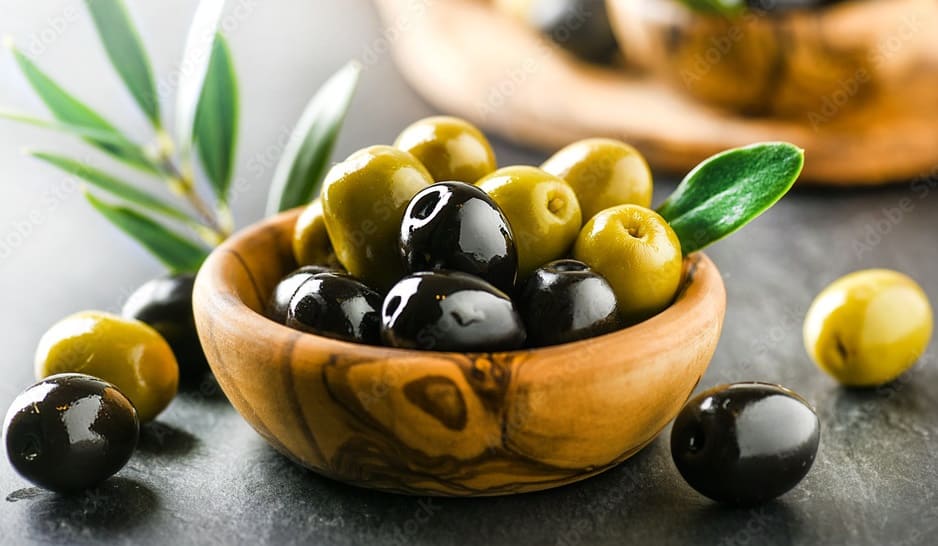
Olives are one of the oldest cultivated foods in human history, deeply rooted in Mediterranean culture, cuisine, and medicine. While many people recognize olives as a garnish on pizza or a tasty ingredient in salads, they are far more valuable than a simple flavor enhancer. These tiny fruits are packed with monounsaturated fats, antioxidants, vitamins, and minerals that support long-term health.
This guide will walk you through everything you need to know about olives: what they are, their nutrition profile, health benefits backed by science, side effects, recommended intake, storage tips, who should and should not consume them, and more. Let’s begin.
What Are Olives?
Olives are small, oval-shaped fruits that grow on the olive tree (Olea europaea), primarily cultivated in Mediterranean regions including Greece, Spain, Italy, and Turkey. Although they are technically fruits, they are categorized as stone fruits (drupes), similar to cherries, mangoes, and peaches.
Raw olives are naturally bitter and inedible due to high oleuropein content. That is why olives must go through curing or fermenting processes — brine curing, dry curing, lye curing, or water curing — to become enjoyable and digestible. The curing method affects flavor, texture, and nutrient composition. Olives are prized for more than just their taste. They contribute key health-promoting compounds like monounsaturated fats, phenols, vitamin E, and iron.
Nutrition Facts of Olives
Olive nutrition varies by type and curing process, but the following data reflects the average nutritional composition per 100 grams of pickled ripe olives:
| Nutrient | Amount |
|---|---|
| Calories | 115 kcal |
| Total Fat | 10.7 g |
| Saturated Fat | 2.3 g |
| Monounsaturated Fat | 7.9 g |
| Polyunsaturated Fat | 0.6 g |
| Carbohydrates | 6.3 g |
| Fiber | 3.2 g |
| Sugars | 1 g |
| Protein | 0.8 g |
| Sodium | 735 mg (varies widely depending on brining) |
| Vitamin E | 3.8 mg |
| Iron | 3.3 mg |
| Copper | 0.3 mg |
| Calcium | 88 mg |
| Polyphenols | High level, varies by type |
Olives are considered nutrient-dense because they provide important nutrients and antioxidants despite being low in calories.
Types of Olives
There are hundreds of olive varieties grown across the world, but only a select number are commonly consumed. They differ in taste, color, texture, ripeness at harvest, and curing methods. Below are some of the most widely recognized types:
1. Kalamata Olives
- Origin: Greece
- Color: Deep purple to black
- Taste: Rich, fruity, slightly smoky
- Best for salads, spreads (like tapenade), and Mediterranean dishes
2. Manzanilla Olives
- Origin: Spain
- Color: Green (sometimes brined into lighter tones)
- Taste: Mild, slightly nutty with a firm texture
- Commonly stuffed with pimentos, garlic, or cheese
3. Castelvetrano Olives
- Origin: Sicily, Italy
- Color: Bright green
- Taste: Mild, buttery, crisp
- Often served as a gourmet snack or appetizer
4. Gaeta Olives
- Origin: Italy
- Color: Dark purple to black
- Taste: Salty, slightly sweet, wrinkled skin
- Excellent for pasta and pizza due to stronger flavor
5. Nicoise Olives
- Origin: France
- Color: Small, dark brown-black
- Taste: Briny, slightly bitter
- Widely used in French cuisine, especially Niçoise salad
6. Picholine Olives
- Origin: France
- Color: Green and elongated
- Taste: Crunchy, tangy, slightly salty
- Popular in cocktails and charcuterie boards
7. Cerignola Olives
- Origin: Italy
- Color: Green, black, or red (depending on curing)
- Taste: Very large and mild with meaty texture
- Often served whole as table olives
8. Mission Olives
- Origin: California, USA
- Color: Black or dark purple
- Taste: Mild, earthy flavor
- Commonly canned and used in pizzas and salads
9. Hojiblanca Olives
- Origin: Spain
- Color: Green to black depending on ripeness
- Taste: Slightly sweet with balanced bitterness
- Used for both table olives and olive oil production
10. Arbequina Olives
- Origin: Spain
- Color: Brown to dark purple
- Taste: Mild, slightly fruity
- Often used for high-quality olive oil but also enjoyed whole
11. Ligurian (Taggiasca) Olives
- Origin: Italy
- Color: Brownish-black
- Taste: Sweet, mild, and aromatic
- Frequently added to Italian seafood and pasta dishes
12. Alfonso Olives
- Origin: Chile
- Color: Dark purple
- Taste: Bold, tangy, and soft
- Popular in South American cuisine
Quick Classification Summary
| Category | Examples | Key Features |
|---|---|---|
| Green Olives | Manzanilla, Picholine, Castelvetrano | Picked early, firmer, more bitter |
| Black Olives | Kalamata, Gaeta, Mission | Fully ripe, softer, richer flavor |
| Dual-purpose (table + oil) | Hojiblanca, Arbequina | Versatile, balanced taste |
20 Proven Health Benefits of Olives
Here are science-backed health benefits of olives and their bioactive compounds:
- Support heart health: The monounsaturated fats in olives help reduce LDL (bad) cholesterol and improve HDL (good) cholesterol levels.
- Reduce inflammation: Olive polyphenols like oleocanthal function similarly to ibuprofen in reducing inflammatory pathways.
- Provide powerful antioxidants: They help fight free radicals, reducing oxidative stress and supporting cellular health.
- Improve blood vessel function: Olives enhance endothelial function, improving circulation.
- Help control blood sugar: Healthy fats and fiber slow the absorption of glucose, supporting better glycemic control.
- Aid in weight management: Their healthy fat content increases satiety, reducing cravings and overeating.
- Support brain health: Monounsaturated fats and vitamin E protect brain cells and may lower risk of cognitive decline.
- Promote healthy digestion: Their fiber supports gut motility and nourishes beneficial gut bacteria.
- Improve bone strength: Olive polyphenols help protect bone mass and density.
- Boost immunity: Antioxidants and vitamin E enhance immune system response.
- Support skin health: Vitamin E moisturizes skin from the inside and protects against damage.
- Lower risk of metabolic syndrome: Olives help regulate lipids, blood sugar, and blood pressure, reducing associated risks.
- Enhance liver function: Antioxidants help reduce oxidative stress on the liver.
- Support healthy blood pressure: Oleuropein may help relax blood vessels and improve circulation.
- Help prevent certain cancers: Polyphenols protect DNA from damage, reducing risk of cancer development.
- Increase iron levels: Black olives are a good plant-based source of iron, helping with oxygen transport.
- Promote eye health: Antioxidants help protect the retina from degeneration.
- Improve mood and mental well-being: Healthy fats support neurotransmitter balance and brain function.
- Reduce allergy severity: Anti-inflammatory compounds help reduce allergic responses.
- Anti-microbial benefits: Olive extracts help inhibit harmful bacteria and viruses in the body.
10 Side Effects of Olives
Olives are safe for most people when enjoyed in moderation, but they may have potential side effects:
- High Sodium Levels: Most packaged olives are cured in brine, making them very salty. Too much sodium can increase blood pressure, strain the heart, and cause fluid retention. Individuals with hypertension should choose low-sodium options.
- Digestive Upset: Olives contain fiber and fermentable compounds. A sudden increase in intake can trigger bloating, gas, and stomach cramps. Moderation allows the digestive system to adjust gradually.
- Risk of Weight Gain: Although the fats in olives are healthy, they are calorie-dense. Eating too many olives as a snack may contribute to excess calorie intake and weight gain over time.
- Histamine Reactions: Fermented and brine-cured olives contain histamines, which can trigger headaches, nasal congestion, skin irritation, or itching in histamine-sensitive individuals.
- Potential Allergic Reactions: Although rare, some people are allergic to olives or olive pollen. Symptoms may include swelling, hives, itching, difficulty breathing, or throat irritation.
- Preservative Sensitivities: Commercial olives sometimes contain additives such as sodium benzoate, ferrous gluconate, or artificial colorants. Sensitive individuals, particularly children, may experience headaches or behavior changes.
- Mild Dehydration: The high sodium content in olives can lead to increased thirst and dehydration if not balanced with adequate water intake. Eating olives late at night may also increase nighttime urination.
- Interaction With Blood Pressure Medicines: In patients taking antihypertensive drugs, excessive sodium from olives may reduce the effectiveness of medications. It’s advisable to consult a healthcare provider for personalized guidance.
- Rare Drop in Blood Sugar: Olives can naturally support blood sugar control. However, when eaten excessively — especially with diabetes medication — they may contribute to low blood sugar (hypoglycemia) in rare cases.
- Chemical Residue Concerns: Olives cured with lye (sodium hydroxide) are usually safe after processing, but low-quality products may retain residues that irritate the stomach or digestive tract in sensitive individuals.
How to Eat Olives?
Olives are incredibly versatile. Common ways to incorporate them into a balanced diet include:
- Snacking on whole cured olives
- Adding them to salads, pasta, or sandwiches
- Using them in Mediterranean dishes like tapenade, couscous, or mezze platters
- Mixing into pizzas and omelets
- Adding to appetizers, cheese boards, and wraps
- Incorporating into stews, soups, and grain bowls
- Including in seafood dishes such as salmon or Mediterranean tuna salad
Choose olives with less processing and lower sodium when possible for maximum benefits.
Tips for Consuming Olives
- Rinse brined olives to reduce sodium intake.
- Choose olives packed in water or olive oil instead of heavy brine.
- Opt for extra virgin olive oil-based varieties for added health benefits.
- Select fermented olives when possible; they support gut health.
- Start with small servings if you are new to high-fiber foods.
- Avoid olives stored in unhealthy refined oils.
- Add olives to meals rather than eating large amounts alone to keep sodium balanced.
Other Uses of Olives
Beyond nutrition, olives and olive derivatives serve additional purposes:
- Olive oil is widely used for cooking, skincare, and haircare.
- Olive leaf extract is used in natural health supplements.
- Olive pits are sometimes used in biomass fuel and eco-friendly crafts.
- Olive-based skincare products provide moisturizing and anti-aging benefits.
- Olive wood is highly valued in handcrafted kitchen tools.
The olive tree is one of the most resourceful plants in agriculture.
How Much Olives Can You Eat in a Day?
A safe and beneficial daily amount is typically:
Approximately 5 to 10 medium-sized olives per day, depending on sodium tolerance and calorie needs.
This provides healthy fats and antioxidants without overloading on sodium.
Olives Dosage
There is no specific medical dosage for olives, but nutritionists recommend:
- ½ cup of olives (about 60–70 grams) per day as part of a balanced diet
- Opt for varieties lower in sodium if consuming larger portions
People with hypertension or heart conditions should choose low-sodium olives and consult a healthcare provider.
Best Time to Eat Olives
Olives can be eaten anytime during the day, but some timings offer specific benefits:
- Morning: Adds healthy fats to breakfast, supporting energy throughout the day
- Afternoon snack: Helps curb hunger and stabilize blood sugar
- With meals: Improves satiety and enhances absorption of fat-soluble nutrients
Avoid eating large amounts late at night due to high sodium content, which may cause thirst and disrupted sleep.
Who Should Eat Olives?
Olives are beneficial for:
- People following Mediterranean or heart-healthy diets
- Those needing more monounsaturated fats for cholesterol control
- Individuals prone to inflammation
- People seeking better digestion and improved gut health
- Individuals looking for plant-based antioxidants
- Athletes needing electrolytes and healthy fats
Olives fit well into diabetic-friendly, weight management, and anti-inflammatory diets when eaten wisely.
Who Should Not Eat Olives?
Individuals who should limit or avoid olives include:
- People on strict low-sodium diets
- Individuals with uncontrolled high blood pressure
- Those with kidney disorders requiring sodium restriction
- People allergic to olives or olive pollen
- Individuals advised to avoid fermented foods due to gut conditions
- People sensitive to histamines, as olives can trigger reactions in rare cases
Always seek personalized medical advice if you have existing conditions.
How to Store Olives?
To preserve freshness and prevent spoilage:
- Store unopened jars or cans in a cool, dry place.
- Once opened, refrigerate olives in their liquid brine or oil.
- Keep them submerged to prevent mold growth.
- Use clean utensils when removing olives to avoid contamination.
- Consume within 2 to 3 weeks after opening for best quality.
- Freeze whole olives only if necessary; texture may change.
Proper storage helps retain beneficial compounds.
Precautions and Interactions
- Olives may increase sodium intake dramatically if consumed in excess.
- Individuals on blood pressure or diuretic medicines must monitor intake carefully.
- If you take blood sugar-lowering medication, watch for hypoglycemia when eating olives frequently.
- Some processed olives contain additives, dyes, or preservatives, which sensitive individuals should avoid.
- Consult a healthcare provider if you have iron overload disorders like hemochromatosis, as black olives provide iron.
Final Thoughts
Olives are a remarkable addition to a healthy diet. They deliver monounsaturated fats, fiber, antioxidants, and essential nutrients that support heart, brain, digestive, and immune health. While their sodium content requires moderation, the benefits they provide make them a powerful food choice — particularly when included as part of a Mediterranean-style diet. By choosing high-quality, rinsing brined varieties, and consuming them mindfully, you can enjoy their taste and health advantages every day.
FAQ’s
Are olives good for weight loss?
Olives may help with weight management because they promote fullness and regulate blood sugar. However, they are calorie-dense, so controlled portions are important.
What are the best types of olives for health?
Extra virgin olive oil–packed or naturally fermented olives are the healthiest options due to fewer preservatives and higher antioxidant content.
Can people with high blood pressure eat olives?
They can, but only low-sodium options or well-rinsed olives. People on blood pressure medication should consult a healthcare provider.
Are olives good for diabetics?
Yes. Their healthy fats and fiber help stabilize blood sugar, making them suitable for diabetic-friendly diets when eaten wisely.
Can children eat olives?
Children can eat olives in small amounts, but avoid those with high salt levels. Always cut them into smaller pieces to reduce choking risk.
Do olives provide probiotics?
Naturally fermented olives can contain beneficial bacteria that support gut health. Not all are fermented, so check the label.
Why are raw olives not eaten?
Raw olives are extremely bitter due to oleuropein and must be cured or fermented to become palatable and safe to digest.
What’s the difference between green and black olives?
Green are harvested earlier and have a firmer, slightly bitter taste. Black are fully ripe, softer, and often higher in healthy fats.
Are olives good for skin health?
Yes. Vitamin E and antioxidants protect skin cells, improve moisture, and reduce premature aging.
Is olives safe to eat every day?
Yes, they are generally safe to eat daily in moderation. However, choose low-sodium or rinsed to avoid excessive salt intake.
What does olives taste like?
Olives have a bold, briny, slightly bitter taste. Flavor varies by type: green olives tend to be firmer and more bitter, while black olives are softer and richer.
Can pregnant women eat olives?
Yes, pregnant women can safely eat them as long as they are pasteurized or properly cured. This reduces the risk of harmful bacteria. Low-sodium varieties are recommended.
What is olive called in India?
Olives are commonly known as Jaitoon or Zaitoon in India.
Are olives high in sugar?
No, they are low in sugar. They contain mostly healthy fats, minimal carbohydrates, and are suitable for diabetic-friendly diets.
Which is healthier green or black olives?
Both are healthy. Green are slightly lower in fat and calories, while black typically provide more healthy fats and iron. The healthiest choice depends on dietary needs.
What is the healthiest way to eat olives?
Naturally fermented, unprocessed, or olive-oil-packed without preservatives are considered the healthiest way to consume them.
Are olives healthy to eat at night?
Yes, they are generally fine at night. However, their high sodium content may cause thirst or nighttime urination if consumed too close to bedtime.
Are olives better warm or cold?
Either is fine nutritionally. Cold olives are typically served as snacks or salad toppings, while warm olives are used in cooked dishes for enhanced flavor.
Do olives digest quickly?
Olives digest at a moderate pace due to their fat content, which slows digestion slightly and helps maintain fullness for longer.
Is olive good for constipation?
Yes, it can support digestion due to healthy fats and fiber, which may help ease constipation when part of a balanced diet.
Are olives high in iron?
Black olives can provide a moderate amount of iron. While not the highest dietary source, they can contribute to improved hemoglobin levels over time.
Are olives good for your bowels?
Yes, it support bowel health by lubricating the digestive tract and promoting smoother movement through the intestines.
Also Read: