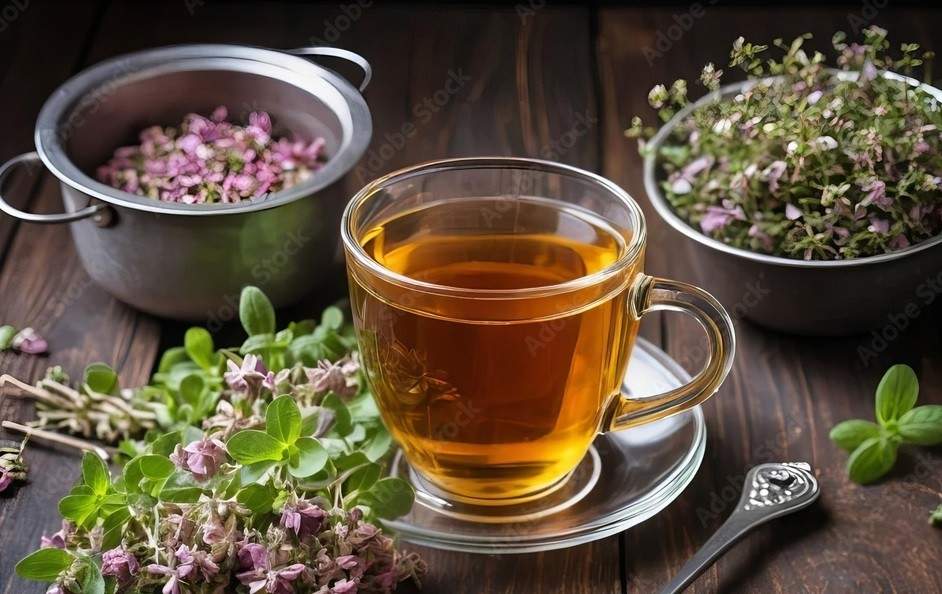
Herbal teas have long been valued for their therapeutic and wellness-supporting properties. Among them, oregano tea stands out as a lesser-known yet powerful infusion packed with antioxidants and plant compounds. While oregano is often associated with culinary uses, brewing its leaves into tea offers a concentrated way to benefit from its natural compounds. From immune support to digestive comfort, oregano tea is gaining attention among health-conscious readers. This guide explores oregano tea in depth — its proven health benefits, potential side effects, preparation methods, and practical tips for safe consumption.
What is Oregano Tea?
Oregano tea is a herbal infusion made from the leaves of the oregano plant, either fresh or dried. Oregano belongs to the mint family and has been traditionally used in Mediterranean and folk herbal practices for its antimicrobial, anti-inflammatory, and antioxidant properties.
To prepare the tea, oregano leaves are steeped in hot water, allowing beneficial compounds like phenols, flavonoids, and essential oils to infuse into the liquid. Unlike standard caffeinated beverages, oregano tea is naturally caffeine-free and can be consumed for wellness purposes or simply as a warming drink. It typically has a strong, earthy, slightly bitter flavor with aromatic herbal notes. Some people add honey or lemon to balance the taste.
Nutritional Facts of Oregano Tea
The exact nutrient content varies depending on preparation strength and leaf quantity. Since it is an infusion, oregano tea provides small but meaningful amounts of plant compounds rather than high calories or macronutrients. Below is an approximate nutritional overview per 1 cup (240 ml):
| Nutrient | Approximate Amount |
|---|---|
| Calories | 2–5 kcal |
| Carbohydrates | <1 g |
| Protein | 0 g |
| Fat | 0 g |
| Vitamin A | Trace |
| Vitamin C | Trace |
| Vitamin K | Trace |
| Iron | Small amount |
| Calcium | Small amount |
| Antioxidants | Present |
| Phenolic Compounds | Present |
| Essential Oils (Carvacrol, Thymol) | Present |
These phytochemicals are primarily responsible for oregano tea’s potential health benefits.
20 Science-Backed Benefits of Oregano Tea
- Rich in Antioxidants — Oregano tea contains plant compounds that help protect the body from oxidative stress and cellular damage.
- Supports Immune Health — Its natural antimicrobial compounds may assist the body in defending against common pathogens.
- Aids Digestion — Drinking oregano tea may help reduce bloating, gas, and mild digestive discomfort.
- Anti-inflammatory Properties — Bioactive components can support the body’s response to inflammation.
- Respiratory Comfort — Warm oregano tea may soothe throat irritation and help loosen mucus.
- Supports Heart Wellness — Antioxidants in oregano may contribute to maintaining healthy cholesterol balance.
- Blood Sugar Support — Some compounds may assist in regulating glucose metabolism.
- Menstrual Relief Support — Traditionally used to help relax muscles and ease cramps.
- Skin Health Support — Antioxidant intake may contribute to healthier skin over time.
- Hydration with Herbal Benefits — Provides fluid intake along with beneficial phytochemicals.
- Mild Stress Relief — Warm herbal tea routines can promote relaxation and calmness.
- Oral Health Support — Antimicrobial properties may contribute to fresher breath and gum health.
- Joint Comfort Support — Anti-inflammatory effects may assist with occasional stiffness.
- Liver Support — Antioxidants may help protect liver cells from oxidative stress.
- Supports Healthy Aging — Cellular protection properties may contribute to longevity-focused wellness.
- Appetite Regulation — Strong herbal infusions may help reduce unnecessary snacking.
- Natural Detox Support — Encourages hydration and supports natural cleansing processes.
- Soothes Seasonal Discomfort — Warm herbal infusion may ease minor cold-related symptoms.
- Caffeine-Free Alternative — Provides a calming beverage option without stimulants.
- Supports Overall Wellness Routine — Incorporating herbal teas can enhance mindful health habits.
10 Side Effects of Oregano Tea
Although generally safe in moderation, excessive or inappropriate consumption may lead to issues.
- Stomach Irritation — Drinking large amounts may cause nausea or digestive upset.
- Allergic Reactions — Individuals sensitive to mint-family herbs may experience itching or swelling.
- Blood Sugar Drops — It may lower glucose levels excessively in susceptible individuals.
- Increased Bleeding Risk — Compounds may interfere with normal clotting mechanisms.
- Hormonal Sensitivity — Excess intake could influence hormone-related conditions.
- Pregnancy Concerns — Concentrated consumption may not be advisable during pregnancy.
- Medication Interactions — May interact with certain drugs, including blood thinners.
- Headache or Dizziness — Overconsumption may lead to mild neurological discomfort.
- Skin Sensitivity — Rarely, it may trigger irritation when used internally or externally.
- Toxicity in Excess Amounts — Extremely high intake may lead to unwanted systemic effects.
How to Make Oregano Tea?
Ingredients:
- 1–2 teaspoons dried oregano leaves (or fresh equivalent)
- 1 cup hot water
- Optional: honey or lemon
Instructions:
- Bring water to a boil.
- Add oregano leaves to a cup or teapot.
- Pour hot water over leaves.
- Steep for 5–10 minutes.
- Strain and serve warm.
Stronger infusions can be made by increasing steeping time or leaf quantity.
Other Uses of Oregano Tea
- Gargling for throat comfort
- Facial steam for relaxation
- Herbal compress for skin soothing
- Aromatic inhalation support
- Bath infusion for relaxation
- Hair rinse for scalp freshness
These uses rely on traditional practice rather than strong clinical validation.
How Much Oregano Tea Can You Drink a Day?
For most healthy adults, moderation is key.
- Typical range: 1–2 cups per day
- Occasional therapeutic use: up to 3 cups
- Avoid prolonged heavy consumption without professional guidance
Individual tolerance varies, so starting with smaller amounts is advisable.
Tips for Consuming Oregano Tea
- Use high-quality dried leaves or fresh herbs
- Avoid excessively strong brews initially
- Drink warm rather than extremely hot
- Combine with honey or lemon for flavor
- Observe body response when trying first time
- Do not replace prescribed treatments
- Rotate herbal teas for balance
- Store herbs properly to maintain potency
Best Time to Drink Oregano Tea
- Morning — supports digestion and hydration
- Afternoon — soothing and calming
- During seasonal discomfort — throat relief
- Before bedtime — relaxation ritual
Timing largely depends on personal preference and wellness goals.
Who Should Drink Oregano Tea?
- Individuals seeking caffeine-free beverages
- Those wanting antioxidant support
- People interested in herbal digestive comfort
- Wellness enthusiasts incorporating plant-based habits
- Individuals exploring traditional herbal infusions
Who Should Not Drink Oregano Tea?
- Pregnant individuals
- Those with bleeding disorders
- People on specific medications
- Individuals allergic to mint-family herbs
- Children without professional guidance
- Anyone preparing for surgery
Precautions and Interactions
- Consult healthcare providers if on medication
- Avoid medicinal-strength intake during pregnancy
- Monitor blood sugar if diabetic
- Stop use before surgery
- Do not exceed moderate intake levels
- Observe for allergic symptoms
- Avoid using as substitute for treatment
- Use caution when combining with herbal supplements
Conclusion
Oregano tea is a traditional herbal infusion offering a blend of antioxidants, aromatic compounds, and wellness-supporting properties. While not a miracle solution, it can be a valuable addition to a balanced lifestyle when consumed responsibly. From digestive support to immune-friendly compounds, its benefits are rooted in the natural chemistry of oregano leaves.
However, like all herbal beverages, moderation and awareness are essential. Understanding who should consume it, how to prepare it safely, and potential side effects ensures you can enjoy oregano tea as part of a thoughtful and informed health routine.
FAQ’s
What is oregano tea made from?
Oregano tea is made by steeping fresh or dried oregano leaves in hot water to extract their natural flavor and beneficial plant compounds.
What does oregano tea taste like?
It has a strong, earthy, slightly bitter herbal flavor with aromatic notes, often softened by adding honey or lemon.
Is oregano tea caffeine-free?
Yes, oregano tea is naturally caffeine-free, making it suitable for those avoiding stimulants.
Can oregano tea help with digestion?
It may support digestive comfort and reduce bloating due to its traditional use and bioactive compounds.
Is oregano tea good for colds or coughs?
Warm oregano tea may soothe the throat and provide comfort during seasonal discomfort, though it is not a medical treatment.
Can oregano tea be consumed daily?
It can be consumed daily in moderate amounts unless advised otherwise by a healthcare professional.
Is oregano tea safe during pregnancy?
Pregnant individuals are generally advised to consult a healthcare provider before consuming oregano tea.
Can children drink oregano tea?
Children should only consume it under professional guidance due to potential sensitivity or dosing concerns.
How long should oregano tea be steeped?
Typically, oregano leaves should be steeped for 5–10 minutes depending on desired strength.
Does oregano tea help immunity?
Its antimicrobial and antioxidant compounds may support immune health as part of a balanced lifestyle.
How long does it take for Oregano Tea to work?
Oregano tea does not provide instant medicinal effects, but some people may notice digestive or soothing benefits within a few hours, while general wellness support typically comes with consistent moderate use over time.
How should Oregano Tea be stored?
Prepared oregano tea should be kept in a sealed container in the refrigerator and consumed within 24–48 hours, while dried oregano leaves should be stored in an airtight container in a cool, dark place to preserve freshness.
What is oregano tea good for?
Oregano tea is commonly consumed for antioxidant intake, digestive comfort, immune support, throat soothing, and as a caffeine-free herbal beverage within a balanced lifestyle.
Is oregano tea good for high blood pressure?
There is limited evidence suggesting oregano compounds may support cardiovascular health, but oregano tea should not be relied upon to manage blood pressure and medical guidance is recommended.
Is oregano tea good for lung health?
Warm oregano tea may provide soothing support for throat and respiratory comfort, though it should be viewed as complementary and not a treatment for lung conditions.
Also Read: