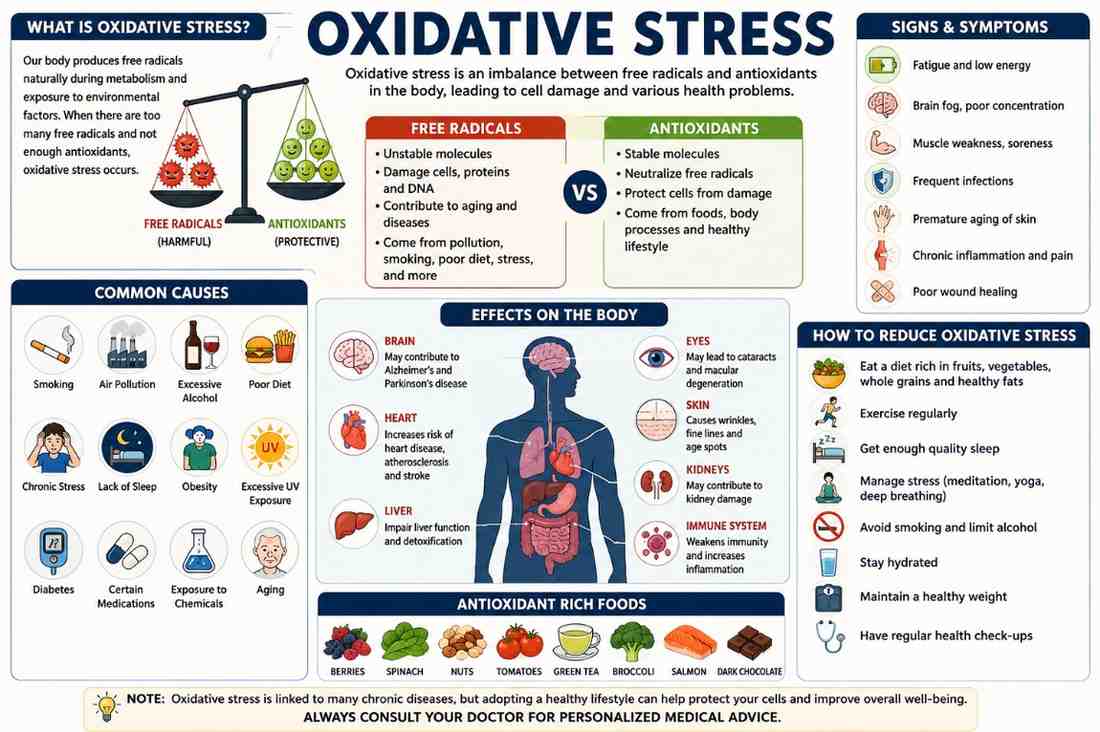
Every day, your body performs countless chemical reactions that keep you alive and healthy. While these processes produce energy, they also generate unstable molecules known as free radicals. In small amounts, free radicals are a normal part of life and even help your immune system fight harmful bacteria and viruses. However, when the body produces more free radicals than it can neutralize, a condition called oxidative stress develops.
Oxidative stress has become an important topic in health research because it is linked to aging and many chronic diseases, including heart disease, diabetes, cancer, Alzheimer’s disease, Parkinson’s disease, arthritis, and chronic inflammation. Although oxidative stress is a natural biological process, long-term exposure can damage cells, proteins, DNA, and other vital tissues.
In this guide, you’ll learn what oxidative stress is, what causes it, who is most at risk, its warning signs, and how healthy habits may help protect your long-term health.
What Is Oxidative Stress?
Oxidative stress is a condition that occurs when there is an imbalance between free radicals and antioxidants in the body.
Free radicals are unstable molecules that contain unpaired electrons. Because they are unstable, they seek electrons from nearby healthy cells, which can trigger a chain reaction of cellular damage.
Antioxidants are protective compounds produced naturally by the body or obtained from foods. They safely neutralize free radicals before they damage healthy tissues.
When free radicals greatly outnumber antioxidants, oxidative stress develops. Although oxidative stress is a normal part of metabolism, excessive levels over many years can contribute to chronic disease and accelerate aging.
How Does Oxidative Stress Work?
Your body continuously converts food into energy inside structures called mitochondria, often referred to as the “powerhouses” of cells. During this process, oxygen is used to generate energy, and some oxygen molecules become free radicals.
Normally, antioxidants such as:
help neutralize these unstable molecules.
Problems occur when free radical production increases due to unhealthy lifestyle habits, environmental toxins, chronic illnesses, or aging. Excessive free radicals begin attacking:
- Cell membranes
- DNA
- Proteins
- Lipids
- Mitochondria
Over time, repeated damage may impair normal cellular function and increase disease risk.
Free Radicals vs. Antioxidants
| Free Radicals | Antioxidants |
|---|---|
| Unstable molecules | Protective compounds |
| Can damage healthy cells | Neutralize free radicals |
| Produced during metabolism | Produced naturally and obtained from foods |
| Increase inflammation | Help reduce inflammation |
| Accelerate aging | Support healthy aging |
| Linked with chronic diseases | Help protect cells from damage |
Common Causes of Oxidative Stress
Many everyday factors can increase oxidative stress. While some are unavoidable, many are related to lifestyle choices.
1. Poor Diet
A diet high in processed foods, sugary drinks, refined carbohydrates, and unhealthy fats may increase inflammation and free radical production.
Nutrient deficiencies can also reduce the body’s antioxidant defenses.
2. Smoking
Cigarette smoke contains thousands of harmful chemicals that generate large amounts of free radicals.
Smoking damages blood vessels, lungs, skin, and DNA while reducing antioxidant levels in the body.
3. Excessive Alcohol Consumption
Heavy alcohol intake increases oxidative damage in the liver and may contribute to fatty liver disease, hepatitis, and cirrhosis.
Alcohol metabolism also produces toxic compounds that promote oxidative stress.
4. Air Pollution
Long-term exposure to polluted air, industrial chemicals, vehicle emissions, and fine particulate matter can increase inflammation and oxidative damage throughout the body.
5. Chronic Psychological Stress
Persistent emotional stress raises cortisol levels and promotes inflammation, which can contribute to oxidative stress over time.
Stress may also lead to unhealthy habits such as poor sleep and unhealthy eating.
6. Lack of Sleep
Sleep allows the body to repair damaged tissues and regulate antioxidant activity.
Chronic sleep deprivation may reduce the body’s ability to neutralize free radicals.
7. Intense or Excessive Exercise
Moderate exercise improves antioxidant defenses.
However, prolonged high-intensity exercise without adequate recovery may temporarily increase free radical production.
8. Chronic Inflammation
Long-term inflammatory conditions such as rheumatoid arthritis, inflammatory bowel disease, and autoimmune disorders often generate excessive oxidative stress.
Inflammation and oxidative stress frequently reinforce one another.
9. Obesity
Excess body fat increases inflammation and promotes oxidative damage.
Obesity is associated with higher levels of inflammatory molecules that contribute to chronic disease.
10. Diabetes
High blood sugar levels increase free radical production and damage blood vessels, nerves, kidneys, and eyes.
This is one reason diabetes complications become more likely over time.
11. Exposure to UV Radiation
Excessive sunlight and ultraviolet radiation increase free radical production in the skin.
This may contribute to:
- Premature aging
- Wrinkles
- Sunspots
- Skin damage
- Increased skin cancer risk
12. Environmental Chemicals
Long-term exposure to pesticides, heavy metals, industrial solvents, and certain household chemicals may increase oxidative damage.
Protective equipment and proper handling can help reduce exposure.
13. Certain Medications
Some medications, including certain chemotherapy drugs and other treatments, may increase oxidative stress as part of their therapeutic effects.
Patients should never stop prescribed medications without consulting their healthcare provider.
14. Aging
As we grow older, natural antioxidant production gradually declines while free radical production increases.
This contributes to many visible and internal signs of aging.
Who Is Most at Risk?
Anyone can experience oxidative stress, but certain groups may be more susceptible.
Higher-risk individuals include:
- Older adults
- Smokers
- People with obesity
- Individuals with diabetes
- People with chronic inflammatory diseases
- Those exposed to pollution
- Heavy alcohol users
- Individuals under chronic stress
- People who sleep poorly
- Workers exposed to industrial chemicals
- People with diets low in fruits and vegetables
Early Signs and Symptoms of Oxidative Stress
Oxidative stress itself does not usually cause obvious symptoms. Instead, ongoing cellular damage may contribute to subtle health changes over time.
Possible signs include:
- Persistent fatigue
- Frequent headaches
- Brain fog
- Difficulty concentrating
- Muscle weakness
- Reduced exercise performance
- Poor wound healing
- Frequent infections
- Premature skin aging
- Increased inflammation
- Joint discomfort
- Low energy levels
Because these symptoms can result from many different health conditions, proper medical evaluation is important if they persist.
How Oxidative Stress Affects the Body?
Oxidative stress can damage nearly every type of cell.
1. Brain
Oxidative damage may contribute to memory decline, reduced cognitive function, and age-related neurological diseases.
2. Heart
Free radicals can damage blood vessels, promote inflammation, and contribute to plaque formation within arteries.
3. Skin
Skin cells are constantly exposed to ultraviolet light and environmental pollutants.
Oxidative stress may lead to:
- Wrinkles
- Fine lines
- Loss of elasticity
- Uneven skin tone
- Age spots
4. Eyes
Oxidative damage has been linked to several age-related eye conditions, including cataracts and macular degeneration.
5. Immune System
Chronic oxidative stress may impair immune function, making the body less effective at responding to infections while also contributing to chronic inflammation.
6. Liver
The liver processes toxins, medications, and alcohol, making it especially vulnerable to oxidative damage when exposed to excessive harmful substances.
7. Kidneys
Long-term oxidative stress may contribute to kidney dysfunction, particularly in people with diabetes or high blood pressure.
8. DNA
Perhaps one of the most significant effects is damage to DNA.
Repeated DNA damage may increase the likelihood of mutations that contribute to aging and certain chronic diseases.
Health Conditions Linked to Oxidative Stress
Long-term oxidative stress has been associated with the development and progression of many chronic diseases. While it is not always the direct cause, it often contributes to cellular damage that increases disease risk.
1. Heart Disease
Oxidative stress can damage the lining of blood vessels, promote inflammation, and contribute to the buildup of plaque in arteries (atherosclerosis). This may increase the risk of heart attacks and strokes.
2. Type 2 Diabetes
High blood sugar levels generate excess free radicals, which can damage insulin-producing cells and contribute to complications affecting the eyes, kidneys, nerves, and blood vessels.
3. Cancer
Free radical damage to DNA may lead to mutations that increase the risk of certain cancers. However, cancer development is complex and involves many genetic and environmental factors.
4. Alzheimer’s Disease
Researchers believe oxidative stress may contribute to nerve cell damage and cognitive decline associated with Alzheimer’s disease.
5. Parkinson’s Disease
Oxidative damage may affect dopamine-producing brain cells, playing a role in the progression of Parkinson’s disease.
6. Arthritis
Inflammation and oxidative stress often occur together, contributing to joint pain, stiffness, and cartilage damage.
7. Chronic Kidney Disease
Kidney tissues are particularly vulnerable to oxidative damage, especially in people with diabetes or high blood pressure.
8. Chronic Lung Diseases
Conditions such as chronic obstructive pulmonary disease (COPD) and asthma may worsen due to oxidative damage caused by smoking, pollution, and chronic inflammation.
How Is Oxidative Stress Diagnosed?
There is no single routine test that directly diagnoses oxidative stress. Healthcare providers typically evaluate:
- Medical history
- Lifestyle habits
- Existing health conditions
- Blood sugar and cholesterol levels
- Inflammatory markers
- Organ function tests
In research settings, specialized laboratory tests may measure biomarkers of oxidative damage or antioxidant status, but these tests are not commonly used in routine clinical practice.
20 Ways to Reduce Oxidative Stress Naturally
1. Eat More Colorful Fruits and Vegetables
Berries, oranges, spinach, kale, carrots, tomatoes, and bell peppers provide vitamins, minerals, and plant compounds that help protect cells from oxidative damage.
2. Choose Whole Grains
Brown rice, oats, quinoa, barley, and whole wheat contain antioxidants and fiber that support overall health.
3. Include Healthy Fats
Olive oil, avocados, nuts, and seeds provide healthy fats that may help reduce inflammation.
4. Eat Fatty Fish
Salmon, sardines, trout, and mackerel are rich in omega-3 fatty acids, which support heart and brain health.
5. Stay Physically Active
Aim for at least 150 minutes of moderate exercise each week. Regular activity strengthens the body’s antioxidant defense system.
6. Get Enough Sleep
Most adults benefit from 7–9 hours of quality sleep each night to support cellular repair.
7. Manage Stress
Relaxation techniques such as meditation, deep breathing, yoga, or spending time in nature may help lower stress-related oxidative damage.
8. Avoid Smoking
Quitting smoking significantly reduces exposure to harmful free radicals.
9. Limit Alcohol
Moderate or avoid alcohol to reduce liver stress and oxidative damage.
10. Maintain a Healthy Weight
Healthy body weight is associated with lower inflammation and improved antioxidant function.
11. Stay Hydrated
Adequate water intake supports normal metabolism and overall health.
12. Eat More Legumes
Beans, lentils, chickpeas, and peas provide fiber, minerals, and antioxidant compounds.
13. Drink Green Tea
Green tea contains catechins, plant compounds that may help reduce oxidative stress.
14. Use Herbs and Spices
Turmeric, ginger, garlic, cinnamon, oregano, and rosemary are rich in natural antioxidants.
15. Reduce Ultra-Processed Foods
Limiting sugary snacks, processed meats, and refined carbohydrates may help lower inflammation.
16. Protect Your Skin
Use sunscreen, wear protective clothing, and avoid excessive sun exposure.
17. Minimize Pollution Exposure
When possible, avoid heavy traffic pollution and use protective equipment if working with chemicals.
18. Control Blood Sugar
Following your healthcare provider’s recommendations for diabetes management can reduce oxidative damage.
19. Manage Chronic Health Conditions
Proper treatment of conditions such as high blood pressure and autoimmune diseases may reduce oxidative stress.
20. Schedule Regular Health Checkups
Routine medical care helps identify and manage health risks before complications develop.
Treatment for Oxidative Stress
There is no specific medication approved solely to treat oxidative stress. Instead, healthcare providers focus on treating the underlying condition that is causing excessive oxidative stress while recommending lifestyle changes to reduce further cellular damage.
1. Treat the Underlying Disease
Managing chronic health conditions can significantly reduce oxidative stress. Treatment may include medications for:
- Diabetes: Blood sugar-lowering medications or insulin to control glucose levels.
- High Blood Pressure: Antihypertensive medications to protect blood vessels.
- High Cholesterol: Statins or other cholesterol-lowering drugs to reduce cardiovascular risk.
- Heart Disease: Medications such as antiplatelet drugs, beta-blockers, ACE inhibitors, or other heart medications, depending on the condition.
- Chronic Kidney Disease: Treatments to manage kidney function and associated complications.
- Autoimmune and Inflammatory Diseases: Anti-inflammatory medications, corticosteroids, biologic therapies, or disease-modifying drugs, depending on the diagnosis.
2. Prescription Antioxidant Therapies
In certain medical situations, healthcare professionals may prescribe antioxidant treatments, although these are not routine treatments for oxidative stress itself.
Examples include:
- N-acetylcysteine (NAC): Used to replenish glutathione levels, particularly in acetaminophen (paracetamol) overdose and some respiratory conditions.
- Coenzyme Q10 (CoQ10): Sometimes recommended for certain heart conditions, statin-associated muscle symptoms, or mitochondrial disorders, although evidence varies.
- Alpha-Lipoic Acid: May be prescribed or recommended in some cases of diabetic peripheral neuropathy.
- Vitamin C: Used medically in individuals with vitamin C deficiency or specific clinical situations.
- Vitamin E: May be recommended for selected patients with documented deficiencies or certain liver conditions under medical supervision.
3. Manage Chronic Inflammation
Because inflammation and oxidative stress are closely linked, reducing inflammation may also lower oxidative stress. Depending on the condition, treatment may include:
- Nonsteroidal anti-inflammatory drugs (NSAIDs)
- Corticosteroids
- Disease-modifying antirheumatic drugs (DMARDs)
- Biologic medications
These medications should only be used under the guidance of a healthcare professional.
4. Correct Nutritional Deficiencies
If blood tests reveal deficiencies that affect antioxidant defenses, a healthcare provider may recommend supplementation with nutrients such as:
- Vitamin C
- Vitamin E
- Selenium
- Zinc
- Copper
Supplementation should be based on medical advice, as excessive intake can be harmful.
5. Lifestyle Recommendations Alongside Medical Care
Medical treatment is most effective when combined with healthy lifestyle habits, including:
- Eating a diet rich in fruits, vegetables, whole grains, and healthy fats.
- Exercising regularly.
- Getting adequate sleep.
- Avoiding smoking.
- Limiting alcohol consumption.
- Managing stress.
- Maintaining a healthy weight.
Important Note: Currently, no medication can completely eliminate oxidative stress. Most treatments aim to reduce oxidative damage by controlling the underlying disease, improving antioxidant defenses, and minimizing exposure to factors that increase free radical production.
When to Seek Medical Care?
Consult a healthcare provider if you have persistent fatigue, unexplained weakness, memory problems, chronic inflammation, or symptoms of conditions such as diabetes, heart disease, or kidney disease. Early diagnosis and appropriate treatment can help reduce oxidative stress and lower the risk of long-term complications.
Foods and Habits That May Increase Oxidative Stress
Reducing these factors may help support better overall health:
- Smoking
- Heavy alcohol consumption
- Sugary drinks
- Deep-fried foods
- Processed meats
- Excess refined sugar
- Trans fats
- Chronic sleep deprivation
- Sedentary lifestyle
- Chronic unmanaged stress
Should You Take Antioxidant Supplements?
Most people can obtain sufficient antioxidants through a balanced diet rich in fruits, vegetables, whole grains, nuts, and seeds.
While supplements may be appropriate for individuals with certain nutrient deficiencies or medical conditions, high doses of antioxidant supplements are not always beneficial and, in some cases, may be harmful. For example, excessive intake of certain antioxidant supplements has been linked to adverse health outcomes in specific populations.
Always consult a healthcare professional before starting any dietary supplement, particularly if you are pregnant, breastfeeding, taking medications, or managing a chronic illness.
How to Prevent Oxidative Stress?
To help reduce oxidative stress over the long term:
- Eat a balanced, nutrient-rich diet.
- Exercise regularly without overtraining.
- Sleep 7–9 hours each night.
- Stay hydrated.
- Avoid smoking and limit alcohol.
- Manage stress effectively.
- Wear sunscreen during prolonged sun exposure.
- Maintain a healthy weight.
- Keep chronic conditions well controlled.
- Attend regular medical checkups.
FAQ’s
What does oxidative stress feel like?
Oxidative stress doesn’t usually cause specific symptoms. However, it may contribute to fatigue, brain fog, muscle weakness, poor wound healing, frequent infections, and premature aging over time.
Which vitamin is best for oxidative stress?
Vitamin C and Vitamin E are among the most important antioxidant vitamins. They help protect cells from free radical damage and support the body’s natural antioxidant defenses.
What supplements are good for oxidative stress?
Common antioxidant supplements include Vitamin C, Vitamin E, Coenzyme Q10 (CoQ10), Alpha-lipoic acid, Selenium, Zinc, and N-acetylcysteine (NAC). Consult your healthcare provider before taking supplements, especially if you have a medical condition or take prescription medications.
How can you measure oxidative stress at home?
There is currently no reliable at-home test for oxidative stress. Healthcare providers may use specialized laboratory tests in certain cases, but these are not part of routine medical care.
What’s the difference between stress and oxidative stress?
Stress refers to the body’s emotional or physical response to challenges, while oxidative stress is a biological imbalance between free radicals and antioxidants that can damage cells. Chronic psychological stress may increase oxidative stress.
What vitamin deficiency can contribute to oxidative stress?
Deficiencies in Vitamin C, Vitamin E, Vitamin A, Selenium, Zinc, and other antioxidant nutrients may weaken the body’s defense against free radicals and contribute to oxidative stress.
What is another name for oxidative stress?
Oxidative stress is sometimes referred to as oxidant stress or free radical stress, although “oxidative stress” is the most widely accepted medical term.
Can oxidative stress be reversed?
While existing cell damage may not always be reversible, healthy lifestyle changes can reduce ongoing oxidative stress and support the body’s natural repair processes.
Which foods help reduce oxidative stress?
Fruits, vegetables, nuts, seeds, whole grains, legumes, green tea, olive oil, and fatty fish are among the best choices.
Is oxidative stress a disease?
No. It is a biological process that may contribute to the development of many chronic diseases.
Does exercise reduce oxidative stress?
Yes. Regular moderate exercise strengthens the body’s antioxidant defenses, although excessive exercise without recovery may temporarily increase free radical production.
Can stress increase oxidative stress?
Yes. Long-term psychological stress can increase inflammation and free radical production.
Is oxidative stress harmful?
Yes. Long-term oxidative stress can damage cells and may contribute to chronic diseases such as heart disease, diabetes, cancer, Alzheimer’s disease, and Parkinson’s disease.
Can oxidative stress cause aging?
Yes. Oxidative stress is considered one of the major biological processes involved in aging and may contribute to wrinkles, reduced skin elasticity, and age-related diseases.
Is oxidative stress linked to cancer?
Research suggests that oxidative stress can damage DNA, which may increase the risk of certain cancers. However, cancer development involves many genetic, lifestyle, and environmental factors.
Can antioxidant supplements treat oxidative stress?
Most people can obtain enough antioxidants from a healthy diet. Supplements should only be taken under medical supervision, as high doses may not always be beneficial.
Is oxidative stress the same as inflammation?
No. They are different processes, but they are closely connected. Oxidative stress can trigger inflammation, and chronic inflammation can increase oxidative stress.
Can poor sleep increase oxidative stress?
Yes. Chronic sleep deprivation reduces the body’s ability to repair cells and maintain healthy antioxidant defenses.
Can children experience oxidative stress?
Yes. Although less common, children may experience oxidative stress due to infections, chronic illnesses, poor nutrition, obesity, or environmental exposures.
Can oxidative stress affect the brain?
Yes. Oxidative stress may contribute to cognitive decline and is associated with neurological conditions such as Alzheimer’s disease and Parkinson’s disease.
Can oxidative stress be prevented?
It cannot be completely prevented because it is a natural part of metabolism, but healthy lifestyle habits can significantly reduce its effects and protect long-term health.
Final Thoughts
Oxidative stress is a natural part of life, but when free radicals consistently outnumber the body’s antioxidant defenses, long-term cellular damage can occur. Research suggests that oxidative stress plays a role in aging and in the development of many chronic diseases, including heart disease, diabetes, and certain neurodegenerative disorders.
Fortunately, many of the most effective strategies for reducing oxidative stress are also the foundations of a healthy lifestyle. Eating a diet rich in fruits, vegetables, whole grains, legumes, nuts, and healthy fats, staying physically active, getting adequate sleep, managing stress, and avoiding tobacco are practical steps that support your body’s natural defenses.
Sources / References:
- World Health Organization (WHO)
- National Institutes of Health (NIH)
- National Center for Complementary and Integrative Health (NCCIH)
- National Institute on Aging (NIA)
- Harvard T.H. Chan School of Public Health
- American Heart Association
- MedlinePlus
- Cleveland Clinic
About the Author:
Written by: Kirti Solanki (Health Content Researcher)
Kirti Solanki is a health content researcher dedicated to creating evidence-based, reader-friendly articles on nutrition, wellness, preventive healthcare, and healthy living. Every article is developed using information from trusted medical organizations and peer-reviewed scientific literature to provide accurate, balanced, and practical guidance. The content is regularly reviewed to reflect current health recommendations and support informed decision-making.
Disclaimer:
This guide is intended for educational and informational purposes only and should not be considered medical advice, diagnosis, or treatment. Always consult a qualified healthcare professional before making changes to your diet, lifestyle, medications, or supplement routine. Never ignore professional medical advice or delay seeking care because of information you have read in this article.
Also Read: