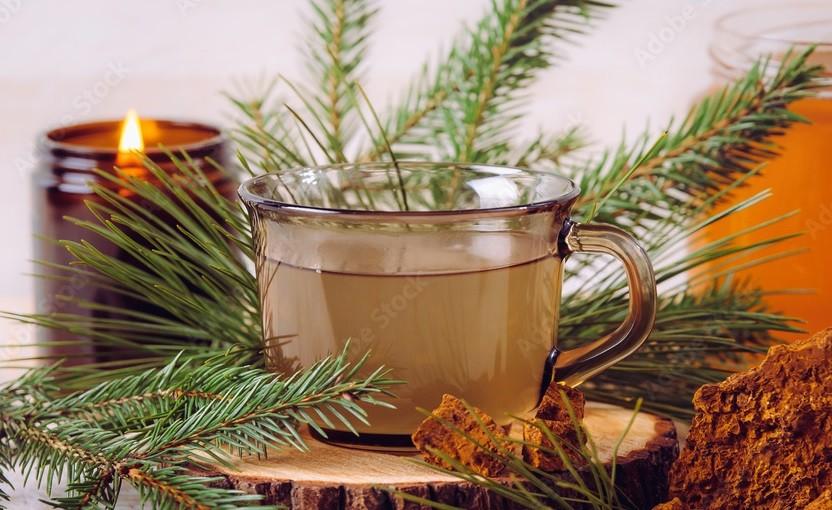
Herbal teas have long been valued for their healing and nutritional properties, and pine needle tea is one of the oldest traditional infusions consumed across cultures. Made from the needles of certain edible pine trees, this aromatic tea has been used for centuries as a natural remedy for colds, fatigue, and nutrient deficiency. Today, it is gaining attention among health enthusiasts for its antioxidant content and immune-supportive potential. This guide explores everything you need to know about pine needle tea — what it is, its proven health benefits, side effects, preparation methods, usage tips, and safety considerations.
What is Pine Needle Tea?
Pine needle tea is an herbal infusion made by steeping fresh or dried needles from edible pine tree species in hot water. Unlike traditional teas derived from Camellia sinensis leaves, pine needle tea is caffeine-free and categorized as a botanical herbal drink.
Historically, indigenous communities and explorers brewed pine needles to prevent nutrient deficiencies, particularly vitamin C deficiency, during long winters. The tea has a crisp, forest-like aroma and a mildly citrusy, resinous flavor. It is important to note that not all pine species are safe for consumption. Some varieties may be toxic, making correct identification essential before preparation.
Common edible species used for tea include:
- Eastern white pine
- Scotch pine
- Red pine
Unsafe species often cited include:
- Yew (not a true pine but commonly confused)
- Norfolk Island pine
- Ponderosa pine (reported toxicity concerns)
Because of these variations, sourcing from reliable herbal suppliers is recommended.
Nutritional Facts of Pine Needle Tea
The exact nutritional composition varies depending on species and preparation strength. However, pine needles are known to contain several beneficial plant compounds.
| Nutrient / Compound | Approximate Presence | Role in Health |
|---|---|---|
| Vitamin C | High | Supports immune health and collagen production |
| Vitamin A (trace) | Moderate | Vision and skin health |
| Antioxidants | Present | Protects against oxidative stress |
| Flavonoids | Present | Anti-inflammatory support |
| Essential oils | Present | Aroma and antimicrobial potential |
| Chlorophyll | Trace | Cellular support |
| Minerals | Small amounts | General metabolic function |
Because pine needle tea is an infusion rather than a whole-food consumption, concentrations are moderate rather than extremely high.
20 Science-Backed Benefits of Pine Needle Tea
Below are potential benefits supported by existing research on pine-derived compounds and herbal nutrition studies. These benefits refer to regular moderate consumption as part of a healthy lifestyle.
- Supports Immune Health — Pine needle tea contains vitamin C and antioxidants that may help strengthen the body’s natural defense system.
- Rich in Antioxidants — The presence of plant compounds helps combat oxidative stress and protect cells from damage.
- May Reduce Inflammation — Natural flavonoids in pine needles may contribute to lowering inflammation in the body.
- Supports Respiratory Comfort — Traditionally consumed to soothe throat irritation and promote easier breathing.
- Encourages Healthy Circulation — Certain plant compounds may help support blood vessel function and circulation.
- Promotes Skin Health — Antioxidants and vitamins may support collagen production and overall skin vitality.
- Boosts Hydration — As a caffeine-free herbal beverage, it encourages daily fluid intake.
- May Support Digestive Comfort — Warm herbal infusions can help relax the digestive tract and promote comfort.
- Provides Gentle Energy Support — Nutritional content may contribute to reduced fatigue without caffeine stimulation.
- Supports Relaxation — The soothing aroma and warmth of the tea may promote mental calmness.
- May Help During Seasonal Discomfort — Traditionally used to support comfort during cold or flu symptoms.
- Supports Oral Freshness — Natural antimicrobial properties may contribute to improved breath freshness.
- Contributes to Heart Wellness — Antioxidant intake may help protect cardiovascular health.
- Encourages Detoxification Support — Hydration and herbal compounds may assist natural cleansing processes.
- Supports Bone Health — Trace minerals may contribute to maintaining strong bones.
- May Promote Cognitive Protection — Antioxidants may help protect brain cells from oxidative damage.
- Supports Metabolic Function — Plant nutrients may assist normal metabolic activity.
- Provides Natural Aromatherapy Benefits — The scent of pine may enhance mood and mental clarity.
- May Support Longevity — Consistent antioxidant intake is linked to long-term wellness support.
- Offers a Natural Caffeine-Free Alternative — Suitable for those avoiding stimulants while still enjoying herbal beverages.
10 Side Effects of Pine Needle Tea
Moderation and proper plant identification are crucial.
- Risk from Toxic Pine Species — Consuming needles from unsafe species may cause serious health complications.
- Allergic Reactions — Some individuals may experience itching, swelling, or respiratory irritation.
- Digestive Discomfort — Excess consumption may lead to nausea, cramps, or stomach upset.
- Pregnancy Concerns — Certain pine varieties have been associated with risks and should be avoided during pregnancy.
- Medication Interactions — Herbal compounds may interfere with certain prescription drugs.
- Headaches — Sensitivity to plant oils may trigger mild headaches in some individuals.
- Kidney Sensitivity — Very high intake may stress the kidneys in susceptible individuals.
- Skin Sensitivity — Rare reactions to plant compounds may result in irritation.
- Unknown Long-Term Effects — Limited clinical research exists on extended daily consumption.
- Overconsumption Risks — Drinking excessive quantities may increase the likelihood of adverse reactions or nutrient imbalance.
How to Make Pine Needle Tea?
Ingredients:
- 1 tablespoon fresh pine needles (chopped)
- 1 cup hot water
Steps:
- Identify safe edible pine needles.
- Rinse thoroughly.
- Chop into small pieces.
- Pour hot (not boiling) water over them.
- Steep for 10–15 minutes.
- Strain and serve.
Optional additions include honey or lemon for flavor.
Avoid boiling the needles directly, as high heat may reduce nutrient retention.
Other Uses of Pine Needle Tea
- Steam inhalation for respiratory comfort
- Bath infusion for relaxation
- Aromatic room fragrance
- Skin compress for soothing effects
- Culinary herbal flavoring in broths
How Much Pine Needle Tea Can You Drink a Day?
Moderate intake is recommended:
- 1–2 cups daily for general wellness
- Occasional consumption rather than excessive use
- Consult a professional before regular medicinal use
Overconsumption is not advised due to limited research.
Tips for Consuming Pine Needle Tea
- Always confirm plant identification
- Start with small quantities
- Use filtered water
- Avoid over-steeping
- Store needles properly
- Combine with balanced nutrition
- Monitor body response
Best Time to Drink Pine Needle Tea
- Morning for gentle revitalization
- Afternoon hydration support
- During seasonal illness discomfort
- Avoid late-night consumption if aromatic stimulation affects sleep
Timing ultimately depends on personal preference.
Who Should Drink Pine Needle Tea?
- Adults seeking herbal alternatives
- Individuals looking for caffeine-free beverages
- People interested in antioxidant support
- Seasonal wellness enthusiasts
Who Should Not Drink Pine Needle Tea?
- Pregnant individuals
- Those uncertain about plant identification
- People with pine allergies
- Individuals on complex medication regimens without consultation
- Children without professional guidance
Precautions and Interactions
- Verify species safety before preparation
- Consult healthcare providers if taking medications
- Avoid use during pregnancy
- Do not substitute for medical treatment
- Store herbs safely away from contamination
- Discontinue if adverse symptoms occur
Conclusion
Pine needle tea represents a fascinating blend of traditional knowledge and modern wellness curiosity. With its refreshing taste and potential nutritional advantages, it can serve as a thoughtful addition to a balanced lifestyle when used responsibly. However, safety awareness — especially species identification and moderation — is essential.
FAQ’s
Is pine needle tea safe to drink every day?
Pine needle tea can be consumed in moderation, typically one to two cups per day, if made from safe edible pine species. Daily use should be approached cautiously, and long-term regular consumption should be discussed with a healthcare professional.
What does pine needle tea taste like?
Pine needle tea has a fresh, earthy flavor with mild citrus-like notes and a slightly resinous aroma. The taste can vary depending on the pine species and steeping time.
How long does it take for pine needle tea to work?
Effects vary depending on the purpose of consumption. Hydration and soothing warmth are immediate, while potential wellness benefits such as immune support may require consistent use over time as part of a healthy lifestyle.
Can you make pine needle tea from any pine tree?
No. Not all pine species are safe for consumption, and some may be toxic. Proper identification or purchasing from reputable suppliers is essential before making the tea.
Is pine needle tea caffeine-free?
Yes. Pine needle tea is naturally caffeine-free, making it suitable for individuals avoiding stimulants.
Can pine needle tea help with colds or flu symptoms?
It has traditionally been used to support comfort during seasonal illness due to its vitamin C content and warming nature, but it should not replace medical treatment.
How should pine needle tea be stored?
Fresh pine needles should be stored in a cool, dry place or refrigerated in an airtight container. Prepared tea should be consumed within 24 hours if kept refrigerated.
Is pine needle tea safe during pregnancy?
Pregnant individuals are generally advised to avoid pine needle tea because certain species may pose risks. Always consult a healthcare professional.
Can children drink pine needle tea?
Children should only consume it under professional guidance due to species safety concerns and limited research on pediatric use.
Can you reuse pine needles for multiple brews?
You may steep them a second time, but flavor and nutrient content will be weaker compared to the first infusion.
Does boiling pine needles destroy nutrients?
Very high heat may reduce some sensitive compounds, which is why steeping in hot rather than boiling water is usually recommended.
How much pine needle tea is too much?
Consuming more than two to three cups daily may increase the risk of digestive discomfort or excessive intake of plant compounds.
Can pine needle tea support weight loss?
There is no scientific evidence showing direct weight loss effects. It may support hydration and healthy habits but should not be considered a weight-loss solution.
Where can you buy pine needles for tea?
They can be sourced from reputable herbal suppliers, specialty tea retailers, or safely harvested with proper identification knowledge.
Is it safe to boil pine needles for tea?
It is generally recommended to steep pine needles in hot water rather than boil them. Boiling may reduce delicate nutrients and alter flavor. Gentle steeping helps preserve beneficial plant compounds and produces a smoother infusion.
Does pine needle tea raise blood pressure?
There is no strong scientific evidence showing that pine needle tea raises blood pressure when consumed moderately. However, individuals with hypertension or cardiovascular concerns should consult a healthcare professional before regular use.
What is Pine Needle Tea made from?
Pine needle tea is made by steeping fresh or dried needles from edible pine tree species in hot water. The infusion extracts natural plant compounds, vitamins, and aromatic oils that contribute to its flavor and potential benefits.
What is Pine Needle Tea good for?
Pine needle tea is commonly consumed for hydration, antioxidant intake, and general wellness support. Traditionally, it has been used to support immune health, respiratory comfort, and relaxation, though it should not replace medical treatment.
Also Read: