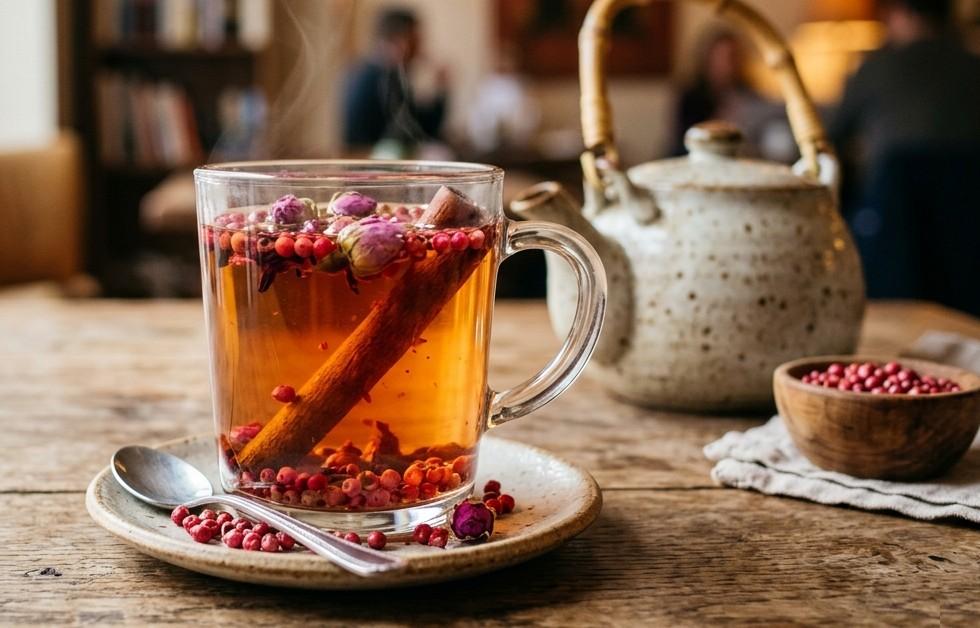
Herbal teas have long been valued for their therapeutic properties, and Pink Peppercorn Tea is gaining attention for its unique flavor and potential health benefits. Derived from dried pink peppercorns, this aromatic infusion offers a mildly sweet, fruity, and slightly peppery taste. Beyond its culinary appeal, Pink Peppercorn Tea may provide antioxidant, anti-inflammatory, and digestive support. This guide explores what Pink Peppercorn Tea is, its proven health benefits, possible side effects, preparation methods, recommended dosage, and important precautions.
What is Pink Peppercorn Tea?
Pink Peppercorn Tea is an herbal infusion made from dried pink peppercorns, which are the berries of the Schinus molle (Peruvian pepper tree) or Schinus terebinthifolius (Brazilian pepper tree). Despite their name, pink peppercorns are not true peppercorns like black pepper (Piper nigrum). Instead, they belong to the Anacardiaceae family, which also includes cashews and mangoes.
Pink peppercorns have a delicate flavor profile that is slightly sweet, mildly spicy, and fruity. When steeped in hot water, they release aromatic compounds and beneficial plant compounds such as flavonoids, terpenes, and essential oils. Traditionally, pink peppercorns have been used in South American folk medicine to support digestion, relieve colds, reduce inflammation, and improve circulation.
Nutritional Facts of Pink Peppercorn Tea
Since Pink Peppercorn Tea is an infusion, its nutritional values are mild and depend on the amount used and steeping time. Below is an approximate nutritional profile per 1 cup (240 ml) prepared with 1 teaspoon crushed pink peppercorns:
| Nutrient | Approximate Amount per Cup |
|---|---|
| Calories | 2–5 kcal |
| Carbohydrates | <1 g |
| Protein | <0.1 g |
| Fat | <0.1 g |
| Fiber | Trace |
| Vitamin C | Small amounts |
| Calcium | Trace |
| Iron | Trace |
| Potassium | Small amounts |
| Antioxidants | Moderate (flavonoids & polyphenols) |
| Essential Oils | Present (limonene, alpha-pinene, beta-pinene) |
Pink Peppercorn Tea is low in calories but rich in bioactive compounds that may contribute to its therapeutic potential.
20 Science-Backed Benefits of Pink Peppercorn Tea
- Rich in Antioxidants – Pink Peppercorn Tea contains polyphenols and flavonoids that help neutralize free radicals and reduce oxidative stress.
- Anti-Inflammatory Properties – Its natural terpenes and essential oils may help reduce inflammation in the body.
- Supports Digestive Health – Pink peppercorn compounds may stimulate digestive enzymes and improve gut motility.
- May Relieve Bloating – The carminative properties can help reduce gas and abdominal discomfort.
- Boosts Immune Function – The presence of vitamin C and plant antioxidants may support immune defense.
- Antimicrobial Effects – Research suggests pink pepper extracts may inhibit certain bacteria and fungi.
- May Improve Circulation – The mild warming effect can promote better blood flow.
- Supports Respiratory Health – Traditionally used to relieve mild congestion and respiratory discomfort.
- May Help with Weight Management – Its metabolism-supporting and appetite-regulating properties may aid weight control.
- Blood Sugar Regulation Support – Some plant compounds may help improve insulin sensitivity.
- Heart Health Support – Antioxidants may help protect blood vessels from oxidative damage.
- Natural Stress Relief – The aromatic compounds may have calming effects on the nervous system.
- May Reduce Joint Discomfort – Anti-inflammatory properties may help ease mild joint pain.
- Supports Skin Health – Antioxidants may protect skin cells from premature aging.
- Mild Diuretic Effect – May help eliminate excess fluids from the body.
- Improves Oral Health – Antimicrobial effects may support healthier gums and oral tissues.
- May Enhance Cognitive Function – Antioxidant activity may help protect brain cells from oxidative damage.
- Supports Liver Function – Certain plant compounds may aid detoxification pathways.
- May Have Antifungal Properties – Pink pepper extracts have shown antifungal potential in preliminary studies.
- Promotes Overall Wellness – Regular consumption may contribute to general health through cumulative antioxidant effects.
10 Side Effects of Pink Peppercorn Tea
- Allergic Reactions – People allergic to cashews, mangoes, or other Anacardiaceae family members may experience allergic symptoms.
- Skin Irritation – Excessive handling or consumption may cause irritation in sensitive individuals.
- Stomach Upset – Overconsumption may lead to nausea or digestive discomfort.
- Diarrhea – High intake may stimulate bowel movements excessively.
- Low Blood Pressure Risk – Its circulation-enhancing effects may lower blood pressure in some individuals.
- Drug Interactions – May interact with blood pressure or blood-thinning medications.
- Pregnancy Concerns – Limited safety data during pregnancy and breastfeeding.
- Kidney Irritation – High amounts of essential oils may irritate sensitive kidneys.
- Headaches – Strong aromatic compounds may trigger headaches in sensitive individuals.
- Photosensitivity Risk – Certain compounds may increase sensitivity to sunlight in rare cases.
How to Make Pink Peppercorn Tea?
Ingredients:
- 1 teaspoon crushed pink peppercorns
- 1 cup hot water (about 90–95°C)
- Optional: honey, lemon, or ginger
Instructions:
- Lightly crush the pink peppercorns using a mortar and pestle.
- Bring water to near boiling.
- Add crushed peppercorns to a teacup or teapot.
- Pour hot water over them.
- Cover and steep for 8–10 minutes.
- Strain and serve warm.
You may enhance the flavor with honey or a slice of lemon.
Other Uses of Pink Peppercorn Tea
- As a warm gargle for sore throat relief
- As a mild digestive tonic after meals
- As a facial steam for skin detox
- As a natural aromatic bath infusion
- As a base for herbal blends with ginger or cinnamon
- As a culinary infusion for soups and sauces
How Much Pink Peppercorn Tea Can You Drink a Day?
Most healthy adults can safely consume 1–2 cups per day. Excessive intake is not recommended due to its essential oil concentration.
If you are new to Pink Peppercorn Tea, start with half a cup daily to assess tolerance.
Tips for Consuming Pink Peppercorn Tea
- Always crush the peppercorns lightly before steeping.
- Use high-quality, food-grade pink peppercorns.
- Avoid boiling the peppercorns directly; steep instead.
- Do not consume on an empty stomach if you have a sensitive digestive system.
- Combine with calming herbs if sensitive to spice.
Best Time to Drink Pink Peppercorn Tea
- After meals to support digestion
- During cold weather for its warming effect
- Mid-morning for a gentle energy boost
- Early evening for relaxation without caffeine
Avoid drinking late at night if you are sensitive to warming herbs.
Who Should Drink Pink Peppercorn Tea?
- Individuals seeking natural digestive support
- People looking for antioxidant-rich herbal beverages
- Those experiencing mild bloating
- Adults wanting caffeine-free alternatives
- Individuals interested in traditional herbal remedies
Who Should Not Drink Pink Peppercorn Tea?
- People allergic to cashews or mangoes
- Pregnant or breastfeeding women without medical approval
- Individuals on blood pressure medications
- Children under 12 without medical supervision
- Those with severe kidney disorders
Precautions and Interactions
Pink peppercorns belong to the same botanical family as cashews and poison ivy, meaning allergic reactions are possible in sensitive individuals. If you are taking anticoagulants, antihypertensive drugs, or medications affecting liver enzymes, consult a healthcare professional before use.
Avoid excessive consumption, as essential oils may irritate the gastrointestinal tract. Always purchase culinary-grade pink peppercorns and avoid ornamental varieties that may not be suitable for consumption. If you experience symptoms such as rash, itching, swelling, difficulty breathing, or severe stomach pain, discontinue use immediately and seek medical attention.
Conclusion
Pink Peppercorn Tea is a flavorful and aromatic herbal infusion that offers a range of potential health benefits. Rich in antioxidants and plant-based bioactive compounds, it may support digestion, immunity, circulation, and overall wellness. However, like any herbal remedy, it should be consumed in moderation and with awareness of potential allergies and interactions.
FAQ’s
Is pink peppercorn tea the same as black pepper tea?
No, pink peppercorns come from the Schinus tree and are not related to black pepper (Piper nigrum), so their flavor and health properties differ.
Does pink peppercorn tea contain caffeine?
No, pink peppercorn tea is naturally caffeine-free, making it suitable for evening consumption.
Can pink peppercorn tea help with digestion?
Yes, its carminative properties may help reduce bloating, gas, and mild digestive discomfort.
Is pink peppercorn tea safe to drink daily?
Most healthy adults can safely drink 1–2 cups per day in moderation.
Can pink peppercorn tea support weight loss?
It may support metabolism and digestion, but it is not a standalone weight loss solution.
Does pink peppercorn tea boost immunity?
It contains antioxidants and small amounts of vitamin C that may help support immune function.
Can pregnant women drink pink peppercorn tea?
Due to limited safety research, pregnant or breastfeeding women should consult a healthcare professional before consuming it.
Can people with nut allergies drink pink peppercorn tea?
People allergic to cashews or mangoes should avoid it because pink peppercorns belong to the same plant family.
Does pink peppercorn tea help with colds?
Traditionally, it has been used to relieve mild congestion and support respiratory comfort.
Can children drink pink peppercorn tea?
Children should only consume it under medical guidance due to limited safety data.
How long should I steep pink peppercorn tea?
Steep lightly crushed peppercorns for about 8–10 minutes for optimal flavor and benefits.
Can pink peppercorn tea lower blood pressure?
It may mildly promote circulation, but individuals with low blood pressure should use caution.
Does pink peppercorn tea have antimicrobial properties?
Preliminary studies suggest it may have antibacterial and antifungal effects.
Can I mix pink peppercorn tea with other herbs?
Yes, it blends well with ginger, cinnamon, lemon, or honey for enhanced flavor and benefits.
Is pink peppercorn tea good for skin health?
Its antioxidant properties may help protect skin cells from oxidative stress.
Can pink peppercorn tea cause allergies?
Yes, especially in individuals sensitive to plants in the Anacardiaceae family.
Can pink peppercorn tea cause stomach irritation?
Excessive intake may lead to nausea or digestive discomfort in sensitive individuals.
How should pink peppercorns be stored?
Store them in an airtight container in a cool, dry place away from sunlight to preserve their aroma and potency.
How long does it take for Pink Peppercorn Tea to work?
The effects depend on the purpose for drinking it. For digestion or bloating, some people may notice relief within 20–40 minutes after consumption, while antioxidant and wellness benefits typically develop gradually with regular use over weeks.
What is Pink Peppercorn Tea good for?
Pink Peppercorn Tea is commonly used to support digestion, reduce mild bloating, provide antioxidant protection, promote circulation, and offer mild anti-inflammatory benefits. It is also valued as a caffeine-free herbal option that may support immune health and overall wellness.
What does Pink Peppercorn Tea taste like?
Pink Peppercorn Tea has a light, fruity, slightly sweet flavor with a mild peppery warmth. It is much gentler than black pepper and often described as aromatic, delicate, and subtly spicy rather than hot.
Also Read: