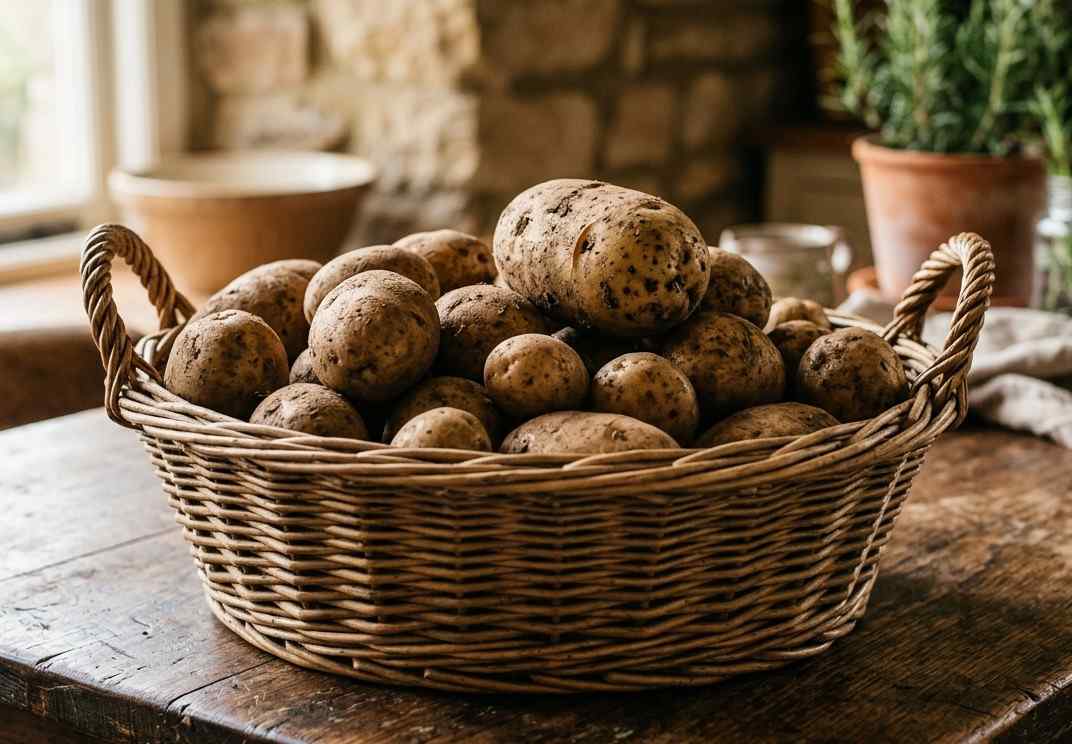
Potatoes are one of the most widely consumed vegetables in the world. They are affordable, versatile, filling, and packed with important nutrients that support overall health. Whether baked, boiled, mashed, roasted, or added to soups and curries, potatoes are a staple food in many households.
Rich in carbohydrates, fiber, vitamins, and minerals, potato can provide energy and nourishment when eaten in moderation and prepared in healthy ways. However, excessive intake or unhealthy cooking methods may also lead to certain health concerns.
In this guide, you will learn everything about potatoes, including their nutrition facts, science-backed health benefits, side effects, best ways to eat them, storage tips, precautions, and much more.
What is Potatoes?
Potatoes are starchy root vegetables that grow underground on the plant Solanum tuberosum. They belong to the nightshade family, which also includes tomatoes, peppers, and eggplants. Potatoes originated in South America and are now cultivated worldwide.
Potatoes come in different varieties such as white potatoes, red potatoes, yellow potatoes, purple potatoes, and sweet potatoes. Although sweet potatoes are botanically different, they are often grouped together because of similar culinary uses.
Potatoes are commonly used in cooking because they are easy to prepare, highly satisfying, and adaptable to many recipes. They can be eaten as a main dish, side dish, snack, or ingredient in soups, salads, and baked foods.
Nutrition Facts of Potatoes
Below is the approximate nutritional value of one medium-sized boiled potato (about 173 grams) with skin.
| Nutrient | Amount |
|---|---|
| Calories | 161 kcal |
| Carbohydrates | 37 g |
| Protein | 4.3 g |
| Fat | 0.2 g |
| Fiber | 3.8 g |
| Sugar | 1.9 g |
| Potassium | 926 mg |
| Vitamin C | 27 mg |
| Vitamin B6 | 0.6 mg |
| Magnesium | 48 mg |
| Iron | 1.9 mg |
| Calcium | 26 mg |
| Phosphorus | 121 mg |
| Folate | 27 mcg |
| Sodium | 17 mg |
20 Proven Health Benefits of Potatoes
- Provides Long-Lasting Energy: Potatoes are rich in complex carbohydrates that supply steady energy throughout the day.
- Supports Digestive Health: The fiber content in potato helps improve digestion and promotes regular bowel movements.
- Boosts Immunity: Potato contain vitamin C, which helps strengthen the immune system and protect against infections.
- Promotes Heart Health: Potassium in potato may help regulate blood pressure and support cardiovascular health.
- Supports Muscle Function: Potassium and magnesium help muscles contract and function properly.
- Improves Brain Function: Vitamin B6 in potato supports neurotransmitter production and healthy brain activity.
- Helps Maintain Healthy Skin: Vitamin C and antioxidants may support collagen production and healthier skin.
- Supports Bone Health: Potato contain minerals like magnesium and phosphorus that contribute to stronger bones.
- May Aid Weight Management: Boiled potatoes are filling and may reduce overall calorie intake by increasing satiety.
- Contains Antioxidants: Potato provide antioxidants that may help reduce oxidative stress in the body.
- Supports Healthy Metabolism: B vitamins in potato help the body convert food into usable energy.
- May Improve Sleep Quality: Potato contain nutrients that may help relax muscles and support restful sleep.
- Helps Maintain Hydration: Potato naturally contain water and electrolytes that support hydration.
- Supports Healthy Blood Pressure: The potassium content may help balance sodium levels in the body.
- Provides Gluten-Free Nutrition: Potatoes are naturally gluten-free and suitable for people with gluten intolerance.
- Supports Nervous System Health: Vitamin B6 helps maintain proper nervous system function.
- May Help Reduce Inflammation: Colored potato contain antioxidants that may help fight inflammation.
- Supports Athletic Performance: Carbohydrates in potato help replenish glycogen stores after exercise.
- May Improve Gut Health: Resistant starch in cooled potato may feed beneficial gut bacteria.
- Supports Healthy Red Blood Cells: Iron and folate in potato help support red blood cell production.
10 Side Effects of Potatoes
- May Raise Blood Sugar Levels: Excessive intake of potato may cause spikes in blood sugar, especially in diabetics.
- Can Cause Weight Gain: Fried or heavily processed potato dishes may contribute to excess calorie intake.
- May Trigger Digestive Discomfort: Eating too many potato can sometimes lead to bloating or gas.
- Risk of Acrylamide Formation: Deep-fried potato may produce acrylamide, a potentially harmful compound.
- Can Cause Solanine Toxicity: Green or sprouted potato may contain toxic solanine that can cause illness.
- May Increase Blood Pressure with Excess Salt: Salted potato chips and fries may contribute to high blood pressure.
- Can Trigger Allergic Reactions: Some individuals may experience rare allergic reactions to potato.
- May Cause Nutrient Imbalance: Relying heavily on potato alone may reduce dietary variety.
- Can Lead to Indigestion: Oily potato preparations may be difficult for some people to digest.
- May Worsen Kidney Problems: High potassium intake from potato may not be suitable for people with severe kidney disease.
How to Eat Potatoes?
Potato can be enjoyed in many delicious and healthy ways. Here are some common methods:
- Boiled potatoes
- Baked potatoes
- Mashed potatoes
- Roasted potatoes
- Potato soup
- Potato salad
- Steamed potatoes
- Grilled potatoes
- Stuffed potatoes
- Potato curry
- Potato wedges
- Air-fried potatoes
For maximum nutrition, eating potato with the skin is often recommended because much of the fiber and nutrients are found there.
Tips for Consuming Potatoes
- Choose fresh, firm potato without sprouts or green spots.
- Prefer boiling, baking, or steaming over deep frying.
- Eat potato with skin for extra fiber and nutrients.
- Pair potato with vegetables and protein for balanced meals.
- Avoid excessive butter, cream, or salt toppings.
- Allow cooked potato to cool slightly to increase resistant starch.
- Control portion sizes to avoid excess calorie intake.
- Wash potato thoroughly before cooking.
- Store potato properly to maintain freshness.
- Avoid eating spoiled or bitter-tasting potato.
Other Uses of Potatoes
- Natural Skin Soother: Potato slices are often used to help calm irritated skin.
- Helps Reduce Puffy Eyes: Chilled potato slices may help reduce under-eye puffiness temporarily.
- Used in Homemade Face Masks: Mashed potatoes are commonly added to DIY skincare treatments.
- Acts as a Natural Stain Remover: Potato juice may help remove certain fabric stains naturally.
- Can Polish Silverware: Potato water is sometimes used to clean tarnished silver items.
- Used in Hair Care Remedies: Potato juice is traditionally applied to support hair appearance.
- Serves as Livestock Feed: Potato byproducts are sometimes used as animal feed.
- Used for Craft Activities: Potatoes are commonly used for stamping and art projects.
- Can Help Clean Rust: Raw potato surfaces may help remove minor rust from metal.
- Used in Industrial Starch Production: Potato starch is widely used in food and manufacturing industries.
How Much Potatoes Can You Eat in a Day?
The ideal amount of potatoes depends on age, activity level, and overall diet. For most healthy adults, consuming 1–2 medium potatoes per day as part of a balanced diet is generally considered reasonable.
Moderation is important because potatoes are high in carbohydrates. Eating them alongside vegetables, healthy fats, and proteins helps create a balanced meal.
People with diabetes or weight management concerns should monitor portion sizes carefully and choose healthier cooking methods.
Common dietary recommendations include:
| Group | Suggested Amount |
|---|---|
| Adults | 1–2 medium potatoes daily |
| Children | ½–1 medium potato daily |
| Athletes | Higher intake depending on energy needs |
| Elderly | Moderate portions with balanced nutrition |
| Diabetics | Smaller portions under dietary guidance |
Best Time to Eat Potatoes
The best time to eat potato depends on personal dietary needs and activity levels.
- Lunch: Potato can provide energy for daily activities.
- Pre-Workout Meal: Carbohydrates in potato may support exercise performance.
- Post-Workout Meal: Potato help replenish glycogen stores after exercise.
- Dinner in Moderation: Light potato dishes may be suitable when eaten in controlled portions.
Avoid consuming large amounts of fried potato late at night, as they may feel heavy and increase calorie intake.
Who Should Eat Potatoes?
- Athletes and Active Individuals: Potato provide energy and help replenish glycogen stores.
- People Needing More Energy: Their carbohydrate content may help combat fatigue.
- Children Growing Rapidly: Potato provide vitamins, minerals, and calories needed for growth.
- People with Gluten Intolerance: Potatoes are naturally gluten-free.
- Individuals Recovering from Illness: Soft cooked potatoes are easy to digest and comforting.
- People with Digestive Sensitivity: Plain boiled potato may be gentle on the stomach.
- Vegetarians and Vegans: Potato provide plant-based nutrients and energy.
- People Seeking Affordable Nutrition: Potatoes are nutritious and budget-friendly.
Who Should Not Eat Potatoes?
- People with Severe Kidney Disease: High potassium content may not be suitable for advanced kidney conditions.
- Individuals Sensitive to Nightshades: Some people may react negatively to nightshade vegetables.
- People Managing Blood Sugar Closely: Large portions may affect blood glucose levels.
- Those Allergic to Potatoes: Allergic individuals should avoid potato consumption.
- People Avoiding High-Carbohydrate Foods: Potato may not fit certain low-carb diets.
- Individuals with Solanine Sensitivity: Green or sprouted potato should be avoided.
- People with Obesity Concerns: Excess fried potato intake may contribute to weight gain.
How to Store Potatoes?
Proper storage helps potatoes stay fresh for longer periods.
- Store potato in a cool, dark, and dry place.
- Avoid direct sunlight exposure.
- Keep potato away from moisture to prevent spoilage.
- Do not refrigerate raw potato, as cold temperatures may alter taste and texture.
- Use breathable bags or baskets for airflow.
- Remove sprouted or spoiled potato immediately.
- Keep potato separate from onions to slow spoilage.
Cooked potato should be refrigerated in airtight containers and consumed within a few days.
Precautions and Interactions
- Avoid Eating Green Potatoes: Green potato may contain toxic solanine compounds.
- Limit Deep-Fried Preparations: Excess fried potato consumption may increase unhealthy fat intake.
- Monitor Blood Sugar Levels: Diabetics should track potato intake carefully.
- Use Caution with Kidney Conditions: High potassium levels may not suit some kidney patients.
- Watch Sodium Intake: Processed potato products often contain excessive salt.
- Avoid Spoiled Potatoes: Rotten potato may harbor harmful bacteria and toxins.
- Be Careful with Portion Sizes: Overeating potato may contribute to excess calorie intake.
- Check for Allergic Reactions: Discontinue use if itching, swelling, or discomfort occurs.
- Choose Healthy Cooking Methods: Baking and steaming are healthier than frying.
- Consult a Healthcare Professional if Needed: Individuals with medical conditions should seek dietary guidance.
Conclusion
Potatoes are nutritious, versatile, and satisfying vegetables enjoyed around the world. They provide carbohydrates for energy along with essential nutrients such as potassium, vitamin C, fiber, and vitamin B6. When prepared in healthy ways and eaten in moderation, potato can support digestion, heart health, athletic performance, and overall wellness.
However, excessive consumption of fried or processed potato products may lead to health concerns such as weight gain or blood sugar spikes. Choosing healthier preparation methods like boiling, baking, or steaming can help maximize their benefits.
FAQ’s
What are potatoes good for?
Potatoes are good for providing energy, supporting digestion, boosting immunity, and supplying important nutrients like potassium and vitamin C.
Are potatoes healthy to eat every day?
Yes, potato can be eaten daily in moderate amounts when prepared in healthy ways such as boiling, baking, or steaming.
Do potatoes help with weight loss?
Boiled potato may support weight management because they are filling and can help reduce hunger.
Are potatoes high in carbohydrates?
Yes, potatoes are naturally rich in carbohydrates, which provide energy for the body.
Can diabetics eat potatoes?
Yes, diabetics can eat potato in moderation, preferably boiled or baked and paired with fiber and protein.
Is potato skin healthy?
Yes, potato skin contains fiber, vitamins, and minerals that add nutritional value.
What is the healthiest way to cook potatoes?
Boiling, steaming, baking, and air-frying are considered healthier cooking methods than deep frying.
Can potatoes increase blood sugar?
Yes, large portions of potato may raise blood sugar levels, especially fried or processed potato products.
Are potatoes gluten-free?
Yes, potatoes are naturally gluten-free and suitable for people with gluten intolerance or celiac disease.
Can potatoes cause weight gain?
Potato themselves are not highly fattening, but fried potato dishes and large portions may contribute to weight gain.
How long do potatoes stay fresh?
Raw potato can stay fresh for several weeks when stored in a cool, dark, and dry place.
Can you eat sprouted potatoes?
It is best to avoid heavily sprouted or green potato because they may contain harmful compounds like solanine.
Are sweet potatoes and regular potatoes the same?
No, sweet potato and regular potato are different vegetables with different nutritional profiles.
Can potatoes help digestion?
Yes, the fiber and resistant starch in potato may support digestive and gut health.
Are mashed potatoes healthy?
Mashed potato can be healthy when prepared with minimal butter, cream, and salt.
Can children eat potatoes?
Yes, potatoes are generally safe and nutritious for children when cooked properly.
Do potatoes contain protein?
Potato contain small amounts of protein along with carbohydrates and fiber.
What happens if you eat too many potatoes?
Overeating potato may contribute to excess calorie intake, blood sugar spikes, or digestive discomfort.
Should potatoes be refrigerated?
Raw potato should not usually be refrigerated because cold temperatures can affect their texture and flavor.
Can potatoes help with hyperpigmentation?
Potatoes are sometimes used in homemade skincare remedies because their natural enzymes and vitamin C may help brighten the appearance of skin, but scientific evidence is limited.
Are potatoes good for a cardiac diet?
Yes, plain boiled or baked potato can fit into a heart-friendly diet because they contain potassium, fiber, and very little fat when prepared healthily.
Do potatoes raise cholesterol?
No, plain potato do not contain cholesterol, but fried potato dishes with excess oil, butter, or cheese may contribute to unhealthy cholesterol levels.
Is Potatoes safe for pregnant women?
Yes, potatoes are generally safe during pregnancy when eaten in moderation as part of a balanced diet and cooked properly.
What does Potatoes taste like?
Potato have a mild, earthy, and slightly starchy taste that becomes creamy or fluffy when cooked.
Also Read: