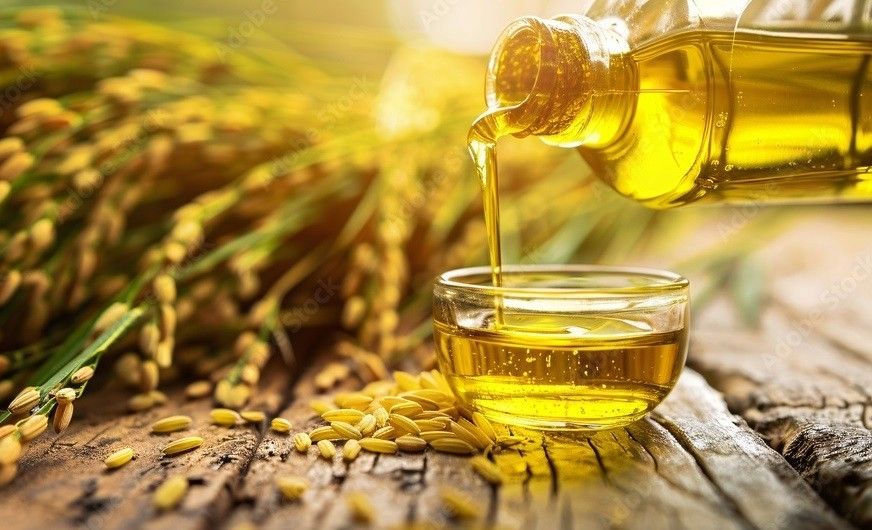
Rice Bran Oil has been gaining steady popularity across kitchens and wellness circles—and for good reason. Extracted from the outer layer (bran) of rice grains, this golden oil is known for its high smoke point, balanced fatty acids, and remarkable nutritional profile. From heart health to skincare, weight management to culinary versatility, rice bran oil has a lot to offer.
In this guide, you’ll discover everything you need to know about rice bran oil—what it is, its nutrition facts, science-backed benefits, side effects, how to use it, dosage guidance, storage tips, precautions, and more.
What is Rice Bran Oil?
Rice Bran Oil is a type of edible oil extracted from the hard outer brown layer of rice called bran. This layer is often removed during rice milling, and it contains a rich concentration of nutrients, antioxidants, and healthy fats. This makes rice bran oil both nourishing and versatile.
Its pleasant mild flavor and high smoke point (around 232°C / 450°F) make it ideal for frying, sautéing, and deep-frying. Beyond cooking, rice bran oil is also widely used in skincare, haircare, pharmaceutical products, and even in supplements.
One of the standout components in rice bran oil is gamma-oryzanol—a powerful antioxidant compound known to support heart health, regulate cholesterol, and reduce oxidative stress. Whether you’re looking for a healthier cooking oil or natural remedies for skin and wellness, rice bran oil is worth understanding.
Nutrition Facts of Rice Bran Oil (Per 1 Tablespoon / 14 g)
| Nutrient | Amount |
|---|---|
| Calories | 120 |
| Total Fat | 14 g |
| Saturated Fat | 2.7 g |
| Monounsaturated Fat | 6 g |
| Polyunsaturated Fat | 5 g |
| Omega-6 Fatty Acids | 4.8 g |
| Omega-9 Fatty Acids | 6 g |
| Vitamin E | 4.4 mg |
| Gamma-Oryzanol | 200–300 mg |
| Phytosterols | 135 mg |
| Cholesterol | 0 mg |
Rice Bran Oil is rich in healthy monounsaturated and polyunsaturated fats while being low in saturated fats. It also contains powerful antioxidants that make it unique.
20 Proven Benefits of Rice Bran Oil
1. Supports Heart Health:
Rice bran oil is rich in monounsaturated and polyunsaturated fats, which are known to reduce LDL (bad cholesterol) while maintaining HDL (good cholesterol). Gamma-oryzanol further helps support cardiovascular wellness.
2. Helps Lower Cholesterol Levels:
The phytosterols in rice bran oil naturally block cholesterol absorption in the gut, lowering overall blood cholesterol levels.
3. High Smoke Point for Safe Cooking:
It doesn’t break down into harmful compounds at high temperatures, making it ideal for deep-frying and stir-frying.
4. Helps in Weight Management:
Because oil is high in healthy fats, it helps keep you full longer while supporting metabolism. Controlled usage can help in weight balance.
5. Rich in Antioxidants:
Gamma-oryzanol, vitamin E, ferulic acid, and tocotrienols all help fight oxidative stress, slow aging, and protect cells.
6. Good for Skin Health:
Rice bran oil is commonly used in skincare because it hydrates, softens, and helps even out skin tone. Its antioxidants support skin repair.
7. Supports Hair Growth and Strength:
The nutrients nourish hair follicles, reduce dryness, and help strengthen hair strands.
8. Helps Improve Immunity:
Its antioxidants support immune function by reducing inflammation and strengthening cellular defense.
9. May Help Reduce Blood Pressure:
The balanced fatty acids and antioxidant compounds promote better artery function and may support healthy blood pressure.
10. Improves Liver Health:
Rice bran oil’s antioxidants may help reduce fat accumulation and support overall liver function.
11. Reduces Inflammation:
Anti-inflammatory compounds like oryzanol and tocotrienols help soothe chronic inflammation.
12. Promotes Healthy Digestion:
Rice bran oil is light and easy to digest, supporting a healthy digestive system.
13. Helps Regulate Hormones:
Gamma-oryzanol has been linked to improved hormonal balance, particularly in menopausal women.
14. May Improve Blood Sugar Levels:
Healthier fats and antioxidants support better glucose metabolism.
15. Nourishes the Skin Barrier:
Oil strengthens the skin barrier, reduces roughness, and enhances moisture retention.
16. Supports Stronger Bones:
Vitamin E and other nutrients help reduce oxidative stress on bones and support better bone health.
17. Protects Against Free Radical Damage:
The antioxidants neutralize harmful free radicals that lead to aging and disease.
18. Has Anti-Cancer Potential:
Oryzanol and phytosterols may help reduce DNA damage, although more research is needed.
19. Good for Hormonal Acne:
Since rice bran oil reduces inflammation and balances hormones, it may help reduce acne flare-ups.
20. Enhances Overall Well-Being:
Regular, moderate consumption improves cardiovascular, digestive, and hormonal health, supporting overall wellness.
10 Side Effects of Rice Bran Oil
Rice Bran Oil is generally safe, but excessive or improper use can lead to side effects.
1. Digestive Problems:
Large quantities can cause bloating, stomach discomfort, or loose stools due to high fiber residues.
2. Allergic Reactions:
Some individuals may be allergic to rice, and the oil may trigger skin rashes or itching.
3. May Lower Blood Pressure Too Much:
People on BP medication should use oil cautiously.
4. Risk of Weight Gain:
Like all oils, too much rice bran oil can contribute to excess calories and weight gain.
5. Hormonal Imbalance in Rare Cases:
Overconsumption may affect certain hormones, especially in sensitive individuals.
6. May Interfere With Iron Absorption:
Phytates in rice bran may reduce iron absorption when consumed excessively.
7. Possible Skin Reactions:
Applying the oil topically may cause clogged pores for some people.
8. May Trigger Inflammation If Rancid:
Improper storage can lead to oxidation, causing the oil to become harmful.
9. Interaction With Blood-Thinning Medications:
High vitamin E levels could increase bleeding risk in sensitive individuals.
10. May Affect Diabetic Medications:
It might lower blood sugar, which can interfere with diabetes drugs if not monitored.
How to Use Rice Bran Oil?
Rice bran oil is versatile and can be used in multiple ways:
- For cooking, frying, sautéing, and baking
- As a salad dressing
- For hair oiling
- As a moisturizer for skin
- For making homemade cosmetics
- As a carrier oil for essential oils
Its neutral flavor makes it perfect for Indian, Asian, and Western cuisines.
Other Uses of Rice Bran Oil
- Used in soaps and lotions
- Added to sunscreens
- Used for oil pulling
- Employed in liver-support supplements
- Used to make margarine
- Included in animal feed
Its wide range of applications is due to its nutrient-rich nature.
Tips for Consuming Rice Bran Oil
- Choose cold-pressed oil when possible
- Avoid overheating the oil repeatedly
- Combine with other oils for balanced fatty acids
- Store in a cool, dark place
- Use in moderation
- Smell the oil regularly to check for rancidity
How to Take Rice Bran Oil?
There are three main ways:
- Cooking: Replace your regular cooking oil with rice bran oil.
- Raw Consumption: Add to salads, dips, or soups.
- Topical Application: Apply a few drops to skin or hair.
How to Make Rice Bran Oil (Simplified)
Commercial production involves:
- Collecting rice bran
- Stabilizing the bran to prevent rancidity
- Extracting the oil using pressing or solvent extraction
- Refining and filtering
- Packaging
At home, extraction is not practical due to the process complexity.
How Much Rice Bran Oil Can You Use Per Day?
Most nutrition experts recommend:
2 to 3 tablespoons per day (30–45 ml) as part of a balanced diet.
For topical use, 3–5 drops are sufficient for skin and hair.
Rice Bran Oil Dosage
- For general cooking: 10–15 ml per meal
- For cholesterol management: 20–30 ml per day
- For supplementation (capsules): As directed on the product
Best Time to Use Rice Bran Oil
- Use it during cooking throughout the day.
- For skincare, apply at night.
- For hair care, use before washing or at bedtime.
Who Should Use Rice Bran Oil?
- People with high cholesterol
- Individuals looking for a healthy cooking oil
- Those wanting antioxidant-rich skincare
- People with hormonal imbalance
- Anyone who wants an oil with a high smoke point
Who Should Not Use Rice Bran Oil?
- People allergic to rice
- Those with chronic diarrhea or digestive issues
- Individuals on blood-thinning medicines
- People with very low blood pressure
- People who cannot tolerate vitamin E-rich oils
How to Store Rice Bran Oil?
To keep it fresh:
- Store in a cool, dark place
- Keep the bottle tightly closed
- Avoid direct sunlight
- Do not use if it smells rancid
Precautions and Interactions
- Do not overheat repeatedly
- Avoid mixing with other oils in the same pan
- People on medications for diabetes or hypertension should consult a doctor
- Avoid if you experience any allergic reactions
- Keep out of reach of children
FAQ’s
What is Rice Bran Oil good for?
Oil is good for heart health, managing cholesterol, improving skin and hair, and supporting overall wellness. It is rich in antioxidants, vitamin E, and healthy fats, which help reduce inflammation and support the body’s natural functions.
Can I use Rice Bran Oil every day?
Yes, you can use oil daily in moderation. Most people can safely consume 2 to 3 tablespoons a day as part of a balanced diet.
Is Rice Bran Oil better than sunflower oil?
Both oils have benefits, but rice bran oil contains more antioxidants, gamma-oryzanol, and has a higher smoke point. This makes it more stable and healthier for frying or high-heat cooking.
Does Rice Bran Oil reduce cholesterol?
Yes. oil contains phytosterols and gamma-oryzanol, which help lower LDL (bad cholesterol) and maintain HDL (good cholesterol).
Can people with diabetes use Rice Bran Oil?
Yes, but in moderation. It may help support better blood sugar control, but people on diabetes medications should consult their doctor to avoid unwanted interactions.
Is Rice Bran Oil good for frying?
Yes. Its high smoke point makes it safe and stable for frying, sautéing, and deep-frying without breaking down into harmful compounds.
Can I apply Rice Bran Oil on my skin?
Absolutely. oil hydrates, softens, and nourishes the skin. It is commonly used in moisturizers, serums, and anti-aging products.
Is Rice Bran Oil safe for hair?
Yes. It can strengthen hair, reduce dryness, and improve scalp health. Use a few drops as a pre-wash treatment or mix with other oils.
What is rice bran oil used for?
Oil is mainly used for cooking, especially frying, sautéing, and baking because of its high smoke point. Beyond the kitchen, it is also used in skincare, haircare, massage oils, supplements, and cosmetics due to its rich antioxidant profile and vitamin E content.
Can pregnant women use rice bran oil?
Yes, pregnant women can generally use rice bran oil in cooking as it is considered safe and heart-friendly. However, they should use it in moderation and avoid supplements containing oil unless approved by their doctor.
Is rice bran oil safe for children?
Oil is safe for children when used in normal cooking amounts. It is light, easy to digest, and contains healthy fats. However, if a child has food allergies or digestive issues, parents should consult a pediatrician before making dietary changes.
What does rice bran oil smell like?
Oil typically has a mild, neutral aroma with a slight nutty undertone. It is not strong or overpowering, which is why it blends well with most foods without altering their natural flavor.
What is rice bran oil made of?
Oil is extracted from the outer brown layer of rice grains, known as bran. This layer is rich in healthy fats, antioxidants, vitamin E, phytosterols, and gamma-oryzanol, which give the oil its nutritional value.
Which is better, olive oil or rice bran oil?
Both oils have their strengths. Olive oil is excellent for heart health and works best for low to medium heat cooking. Oil, on the other hand, has a higher smoke point and is better suited for frying and high-temperature cooking. The best choice depends on your cooking style and health goals.
Can you reuse rice bran oil after frying?
Yes, you can reuse oil once or twice after frying, as long as it has not been overheated or turned dark. However, repeatedly reheating the oil reduces its nutritional value and may form harmful compounds. Always strain and store it properly before reuse.
How to check purity of rice bran oil?
To check the purity of rice bran oil, ensure it has a natural golden-yellow color, a mild smell, and a smooth texture. Pure oil should not feel sticky or overly thick. You can also check for certifications like FSSAI, cold-pressed labeling, and third-party testing. Doing a refrigeration test can help too—pure oils usually turn slightly cloudy when chilled but should not solidify completely.
Also Read: