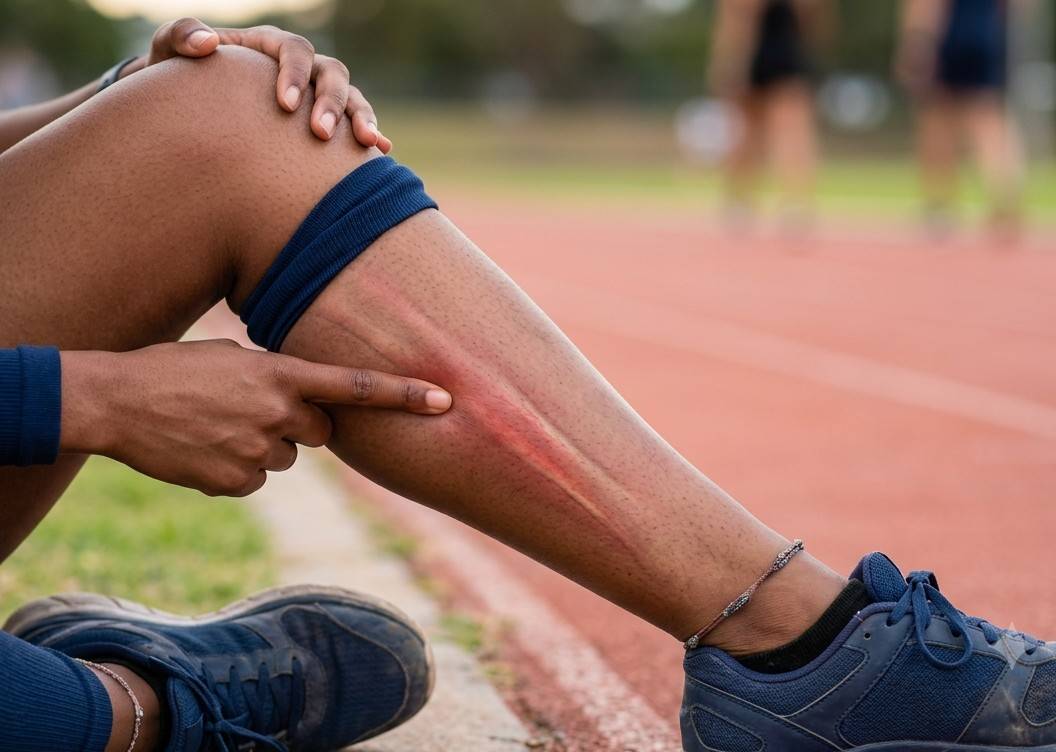
Shin splints are a common cause of lower-leg pain, especially among runners, athletes, dancers, military recruits, and people who have recently started exercising. The pain can be uncomfortable enough to interfere with running, walking, jumping, or other activities.
The good news is that most cases improve with appropriate rest, gradual return to activity, and changes to training habits. However, shin pain should not always be assumed to be shin splints. A stress fracture and other lower-leg conditions can cause similar symptoms and may require medical evaluation.
This guide explains what shin splints are, what causes them, how they feel, how to treat them at home, exercises that may help, and when you should see a healthcare professional.
What Are Shin Splints?
Shin splints are a common exercise-related condition that causes pain along the shinbone, or tibia. The medical term commonly used for shin splints is medial tibial stress syndrome (MTSS).
The pain usually develops along the inner edge of the shin and is associated with repetitive stress on the muscles, tendons, and tissues surrounding the tibia. Shin splints are particularly common when someone suddenly increases their exercise intensity, running distance, frequency, or training on harder surfaces.
Shin splints are generally an overuse injury rather than the result of one sudden accident. They often develop gradually after repeated impact from activities such as running, jumping, dancing, or sports.
Types of Shin Splints
“Shin splints” is a general term rather than a classification with several officially recognized types. Most cases are referred to as medial tibial stress syndrome, which typically causes pain along the inner border of the shin.
1. Medial Shin Splints
The most common form, usually causing pain and tenderness along the inner side of the lower shin. It is often associated with running, jumping, or sudden increases in training.
2. Anterior Shin Pain
Pain occurs toward the front of the shin, often involving the muscles and tissues around the tibia. This type of pain can have causes other than typical medial tibial stress syndrome.
3. Posteromedial Shin Pain
Pain is felt toward the back and inner portion of the shin. Repetitive loading of the lower-leg muscles can contribute to this pattern.
4. Exercise-Related Shin Pain
Pain develops during or after activities such as running, brisk walking, jumping, dancing, or sports. Sudden increases in exercise intensity are a common trigger.
5. Recurrent Shin Splints
Some people experience shin pain repeatedly after returning to running or other high-impact activities. Inadequate recovery, rapid training progression, footwear, or biomechanical factors may contribute.
What Do Shin Splints Feel Like?
Shin splint pain can vary from mild aching to more noticeable discomfort.
Common symptoms include:
- Pain or tenderness along the inner side of the shinbone.
- Aching that develops during or after exercise.
- Pain that may initially occur toward the beginning of physical activity.
- Tenderness when pressing along the affected area.
- Mild swelling in some cases.
- Discomfort that becomes more noticeable after repeated running or jumping.
Shin splint pain generally affects a broader area along the shin rather than one very specific spot. This is one feature that can help distinguish it from some bone stress injuries, although only a healthcare professional can make an accurate diagnosis.
Where Do Shin Splints Hurt?
Shin splints most commonly cause pain along the inner or posteromedial border of the tibia.
Some people describe the sensation as:
- A dull ache along the shin
- Tenderness when touching the area
- Burning or soreness after running
- Pain that becomes worse with repetitive activity
- Tightness around the lower leg
Pain location alone cannot confirm shin splints because stress fractures, tendon problems, and other conditions can also cause pain in the lower leg.
What Causes Shin Splints?
Shin splints usually develop when the tissues around the shin are exposed to more repetitive stress than they can comfortably handle.
1. Suddenly Increasing Running
Increasing your running distance too quickly can put additional stress on your lower legs.
2. Increasing Exercise Intensity
Adding sprinting, hill running, jumping, or intense interval workouts can increase the load placed on the shins.
3. Exercising on Hard Surfaces
Repeated running or jumping on hard surfaces can increase impact on the lower legs.
4. Starting Exercise After a Long Break
People returning to exercise after being inactive may be more susceptible because their muscles and supporting tissues need time to adapt.
5. Worn-Out or Unsuitable Shoes
Shoes that no longer provide adequate support or cushioning may contribute to excessive stress on the lower legs.
6. Flat Feet or Foot Mechanics
Flat feet and certain foot mechanics may increase stress on the lower leg during activity.
7. Frequent Running or Jumping
High-impact activities performed repeatedly without adequate recovery can contribute to overuse injuries.
8. Insufficient Recovery
Training hard every day without enough rest may prevent tissues from adapting and recovering.
9. Sudden Changes in Training Surface
Moving from a softer surface to significantly harder terrain can change the amount of impact your legs experience.
10. Poor Training Progression
Doing too much, too soon is one of the most common patterns associated with shin pain.
Who Is Most Likely to Get Shin Splints?
Shin splints can affect almost anyone who participates in repetitive weight-bearing exercise, but they are particularly common among:
- New runners
- Distance runners
- Athletes involved in jumping sports
- Dancers
- Military recruits
- People returning to exercise
- People who suddenly increase their workout volume
- People exercising frequently on hard surfaces
The risk is not limited to professional athletes. Someone who suddenly begins jogging several days a week after months of inactivity can also develop shin pain.
Shin Splints vs. Stress Fracture
One of the most important things to understand is that shin splints and stress fractures are not the same condition.
A stress fracture is a small crack or stress injury within a bone. Shin splints involve irritation and overload of tissues around the shin and are generally less serious. However, the symptoms can overlap.
| Feature | Shin Splints | Stress Fracture |
|---|---|---|
| Pain location | Often spread along a section of the shin | Often concentrated in a specific area |
| Pain pattern | Usually related to exercise | Can progressively occur with activity and later at rest |
| Tenderness | Often more diffuse | Often localized over the bone |
| Swelling | May be mild | Can occur |
| Pain at rest | Less typical | Can occur as injury progresses |
| Diagnosis | Usually based on history and examination | May require imaging such as X-ray or MRI |
If pain becomes localized, persists despite rest, occurs during ordinary walking, causes limping, or is present at night or at rest, it is important to seek medical evaluation rather than continuing to exercise through it.
How Are Shin Splints Diagnosed?
A healthcare professional can usually diagnose shin splints by discussing your symptoms, exercise routine, recent changes in training, and examining your lower leg.
They may ask:
- When did the pain begin?
- Did you recently increase your exercise?
- How far and how often are you running?
- Have you changed your running surface?
- What type of shoes do you use?
- Does the pain occur during exercise or afterward?
- Is the pain present when you are resting?
- Is the tenderness spread across the shin or concentrated in one location?
Imaging is not always necessary for straightforward shin splints. However, if a stress fracture or another condition is suspected, a healthcare professional may recommend imaging. X-rays can sometimes miss early bone stress injuries, while MRI can provide more detailed information about bone and surrounding tissues.
How to Treat Shin Splints?
Most uncomplicated shin splints improve with conservative treatment and modification of the activity that caused the pain.
1. Rest From Painful Activities
The first step is to reduce or temporarily stop activities that trigger shin pain.
This does not necessarily mean staying completely inactive. Lower-impact activities such as swimming, cycling, or using an elliptical may be appropriate if they do not cause pain.
2. Apply Ice
A cold pack can help reduce pain and swelling.
Wrap the ice pack in a towel rather than placing it directly against your skin. A common recommendation is to apply it for around 20 minutes at a time.
3. Wear Supportive Shoes
Choose properly fitting athletic shoes that provide appropriate support and cushioning for your activity.
If your shoes are worn out, replacing them may help reduce unnecessary stress on your lower legs.
4. Reduce Training Intensity
When you return to exercise, do not immediately return to your previous mileage or workout intensity.
Start with shorter, easier sessions and gradually build back up.
5. Try Low-Impact Exercise
Swimming, cycling, and other low-impact activities can help maintain fitness while reducing repetitive impact on the shins.
6. Stretch the Lower Legs
Gentle calf and lower-leg stretching can improve flexibility and may make movement more comfortable.
Stretching should not cause sharp pain.
7. Consider Physical Therapy
If shin pain keeps returning, a physical therapist can assess muscle strength, flexibility, movement patterns, and training habits. They can also create a progressive rehabilitation program.
8. Consider Orthotics When Appropriate
People with certain foot mechanics, including some individuals with flat feet, may benefit from shoe inserts or orthotics. These should ideally be selected with guidance from a qualified healthcare professional when recurrent problems are present.
Exercises for Shin Splints Relief
The right exercises can help strengthen the muscles around your shins and calves and support a gradual return to activity. Start gently, and do not exercise through sharp or worsening pain.
1. Calf Stretch
Stand facing a wall with one leg behind you. Keep the back heel on the floor and gently lean forward. Hold for 20–30 seconds and repeat 2–3 times per side.
2. Soleus Stretch
Stand with one foot behind the other. Keep both heels on the floor and slightly bend both knees while leaning forward. Hold for 20–30 seconds.
3. Calf Raises
Stand upright while holding a wall or chair for balance. Slowly rise onto your toes, then lower your heels. Do 10–15 repetitions for 2–3 sets.
4. Toe Raises
Stand with your back against a wall and your heels on the floor. Lift your toes upward, then slowly lower them. Try 10–15 repetitions for 2–3 sets.
5. Ankle Circles
Sit comfortably and lift one foot slightly off the floor. Slowly rotate your ankle clockwise and then counterclockwise. Perform 10 circles in each direction.
6. Resistance-Band Ankle Exercises
Using a resistance band, gently move your foot up, down, inward, and outward. Start with 8–12 repetitions in each direction.
7. Heel Walking
Walk slowly for a short distance while keeping your toes lifted and your weight on your heels. Start with 20–30 seconds and increase gradually if comfortable.
8. Single-Leg Balance
Stand on one leg near a wall or sturdy surface. Hold for 20–30 seconds, then switch sides. Repeat 2–3 times.
9. Gentle Hamstring Stretch
Sit or stand comfortably and gently stretch the back of your thigh without bouncing. Hold for 20–30 seconds on each side.
10. Low-Impact Cardio
Once everyday movement is comfortable, activities such as cycling, swimming, or using an elliptical may help maintain fitness while reducing repetitive impact on the shins.
Important: If shin pain is severe, localized to one specific spot, occurs at rest, causes limping, or continues despite rest, avoid exercising the painful area and get evaluated by a healthcare professional. These symptoms can sometimes indicate a stress fracture rather than ordinary shin splints.
How Long Do Shin Splints Take to Heal?
Recovery time varies depending on how severe the symptoms are, how long the injury has been present, and whether the activity that caused it is modified.
Many uncomplicated cases improve over several weeks with appropriate rest and gradual rehabilitation. Continuing to repeatedly aggravate the shin can delay recovery and may increase the risk of a more significant bone stress injury.
Rather than focusing only on a specific number of days, pay attention to how your leg responds to normal walking and gradually reintroduced activity.
When Can You Start Running Again?
Do not rush back to running simply because the pain has decreased.
Before returning to your previous exercise routine, you should be able to perform normal daily activities without significant pain. A gradual return is safer than immediately returning to your previous distance and intensity.
The American Academy of Orthopaedic Surgeons recommends being pain-free for at least two weeks before returning to exercise and then gradually rebuilding training volume.
A gradual return might look like:
- Normal pain-free walking.
- Gentle low-impact exercise.
- Short periods of easy jogging.
- Gradually increasing running time.
- Slowly increasing distance.
- Reintroducing hills and faster running later.
If pain returns, reduce the workload rather than trying to push through it.
How to Prevent Shin Splints?
Preventing shin splints is largely about managing training load and giving your body enough time to adapt.
1. Increase Exercise Gradually
Avoid sudden increases in mileage, workout duration, or intensity.
2. Warm Up Before Exercise
Spend several minutes warming up before running or other high-impact exercise.
3. Strengthen Your Lower Legs
Regular strengthening of the calves, ankles, and surrounding muscles can help improve the way your legs handle physical activity.
4. Choose Appropriate Footwear
Wear athletic shoes that fit properly and are appropriate for your activity.
5. Avoid Sudden Surface Changes
If possible, introduce changes in running surfaces gradually.
6. Include Rest Days
Recovery is part of training. Your muscles and connective tissues need time to adapt to repeated stress.
7. Cross-Train
Mix running with lower-impact activities such as swimming or cycling to reduce repetitive loading.
8. Listen to Early Pain
Mild discomfort that repeatedly appears during training should not automatically be ignored. Addressing symptoms early can help prevent them from becoming a more persistent problem.
9. Avoid “Training Through” Shin Pain
Continuing to run through worsening pain can make it difficult to determine whether you have shin splints or a more serious bone stress injury.
Can Shin Splints Go Away on Their Own?
Yes. Many cases improve with rest, activity modification, ice, appropriate footwear, stretching, and a gradual return to exercise.
However, persistent or worsening pain should not simply be assumed to be shin splints. A healthcare professional can evaluate the problem and determine whether another condition may be responsible.
When Should You See a Doctor?
Contact a healthcare professional if:
- Shin pain continues despite rest and activity modification.
- Pain is getting worse instead of better.
- You have significant swelling.
- Pain occurs while walking normally.
- You are limping because of the pain.
- Pain occurs while resting or at night.
- You have tenderness in one very specific spot on the bone.
- You cannot determine what is causing your shin pain.
- Symptoms repeatedly return whenever you resume exercise.
These symptoms can sometimes indicate a stress fracture or another condition that requires different treatment.
Are Shin Splints Serious?
Shin splints are usually not considered a serious injury and often improve with appropriate management.
The concern is that similar pain can sometimes be caused by a stress fracture or another medical condition. For this reason, persistent, localized, severe, or worsening shin pain deserves attention rather than being dismissed as a normal part of exercise.
Final Thoughts
Shin splints are a common consequence of putting more stress on your lower legs than they are currently prepared to handle. They can occur after starting a new workout, increasing running mileage, adding hills or jumping exercises, changing training surfaces, or exercising without enough recovery.
The most important part of recovery is not simply treating the pain but identifying what caused it. Reducing the activity that triggers symptoms, using appropriate footwear, strengthening the lower legs, allowing adequate recovery, and returning to exercise gradually can help reduce the chance of recurrence.
Most importantly, do not assume every type of shin pain is a shin splint. Pain that becomes severe, localized, persistent, or present at rest should be evaluated by a healthcare professional to rule out a stress fracture or another condition.
FAQ’s
What is the fastest way to heal shin splints?
Rest from painful activities, use ice for relief, wear supportive shoes, and gradually return to exercise as symptoms improve.
Can I walk with shin splints?
Yes, if walking does not cause significant pain. If walking hurts or causes limping, reduce activity and seek medical advice.
Can you run with shin splints?
It is best to avoid running if it causes pain. Return gradually once you can exercise without symptoms.
Should I massage shin splints?
Gentle massage of the surrounding calf muscles may provide comfort, but avoid aggressive pressure directly over painful areas of the shin.
Can stretching cure shin splints?
Stretching can help improve lower-leg flexibility, but stretching alone does not address every cause of shin splints. Training load, footwear, strength, recovery, and running mechanics may also need attention.
Are shin splints permanent?
Usually not. Most uncomplicated cases improve with appropriate management and a gradual return to activity.
Can I exercise with shin splints?
You may be able to perform low-impact activities that do not cause pain, such as swimming or cycling. High-impact activities should generally be reduced while the shin is recovering.
How can I prevent shin splints from coming back?
Increase training gradually, use appropriate footwear, warm up, strengthen your lower legs, include rest and recovery, and avoid sudden changes in running distance, intensity, or surface.
How do I get rid of my shin splints?
Reduce activities that cause pain, use ice for comfort, wear supportive footwear, and gradually return to exercise after symptoms improve. Strengthening and stretching exercises may also help.
What is commonly mistaken for shin splints?
Stress fractures, chronic exertional compartment syndrome, tendon injuries, and other causes of lower-leg pain can sometimes be mistaken for shin splints.
What deficiency causes shin splints?
There is no single vitamin or mineral deficiency proven to directly cause shin splints. However, inadequate vitamin D, calcium, or overall nutrition may contribute to poor bone health and increase the risk of bone stress injuries.
Will vitamin D help shin splints?
Vitamin D supports normal bone health, but taking vitamin D does not directly treat ordinary shin splints. Supplementation is most appropriate when a deficiency is identified or recommended by a healthcare professional.
What are the stages of shin splints?
Shin splints do not have universally recognized medical stages. Symptoms may progress from mild pain during exercise to pain that occurs earlier, lasts longer, or eventually appears during daily activities if the underlying problem is not addressed.
At what age are shin splints most common?
Shin splints can occur at any age but are particularly common in adolescents and young adults who participate in running, jumping, or other high-impact activities.
Can I just ignore shin splints?
It is better not to ignore persistent shin pain. Continuing activities that repeatedly cause pain can delay recovery and may make it harder to distinguish shin splints from a stress injury.
How can I test myself for shin splints?
There is no reliable home test that can confirm shin splints. A healthcare professional can assess your pain location, symptoms, activity history, and physical examination findings and determine whether further testing is needed.
What will happen if shin splints go untreated?
Mild shin splints may improve with appropriate activity modification, but continuing to overload the legs can make symptoms persistent or recurrent. In some cases, similar symptoms may actually be caused by a stress fracture or another condition.
How long should I rest if I have shin splints?
Rest from activities that cause pain until symptoms have significantly improved. The exact recovery period varies, but returning too quickly can cause symptoms to come back.
Do shin splints ever fully heal?
Yes. Most uncomplicated shin splints can fully heal with appropriate activity modification, recovery, strengthening, and a gradual return to exercise.
How long is too long for shin splints?
If shin pain continues for several weeks despite reducing aggravating activities, keeps returning, or becomes worse, it is worth getting evaluated by a healthcare professional.
Why are my shin splints not going away?
Common reasons include returning to exercise too quickly, continuing to train through pain, sudden increases in training, inadequate recovery, unsuitable footwear, or an incorrect diagnosis.
Do shin splints mean weak calves?
Not necessarily. Weak calf and lower-leg muscles can contribute to poor load tolerance, but shin splints can have multiple contributing factors.
Is 4 days enough rest for shin splints?
Four days may reduce mild symptoms, but it is not necessarily enough time for the tissues to recover fully. Your return to activity should depend on symptoms rather than a fixed number of rest days.
Can you heal shin splints without rest?
Recovery usually requires reducing or stopping activities that aggravate the pain. You may be able to maintain fitness with pain-free, low-impact activities while the shins recover.
What are the signs that shin splints are healing?
Less pain during daily activities, reduced tenderness, improved walking comfort, and the ability to gradually exercise without symptoms are encouraging signs of recovery.
What should you not do with shin splints?
Avoid running or jumping through significant pain, sudden increases in training, inadequate recovery, and aggressive massage directly over a painful area.
Where should you rub for shin splints?
If massage feels comfortable, gently massage the surrounding calf muscles rather than pressing firmly directly on the painful shinbone.
How long do shin splints last?
Recovery varies, but many uncomplicated cases improve over several weeks when the activity causing the pain is appropriately modified.
How painful are shin splints on a scale of 1–10?
Pain varies considerably. Mild shin splints may feel like a 2–3/10 ache, while more irritated cases can be considerably more painful. Pain severity alone cannot confirm whether the problem is shin splints.
What are the side effects of shin splints?
Shin splints themselves are an injury rather than a medication with “side effects.” They can cause shin pain, tenderness, soreness during activity, and sometimes mild swelling. Persistent or worsening symptoms should be evaluated to rule out other conditions.
Sources / References:
Disclaimer:
This guide is for educational purposes only and does not replace professional medical advice, diagnosis, or treatment. If you have severe, persistent, or worsening shin pain, consult a qualified healthcare professional.
Also Read: