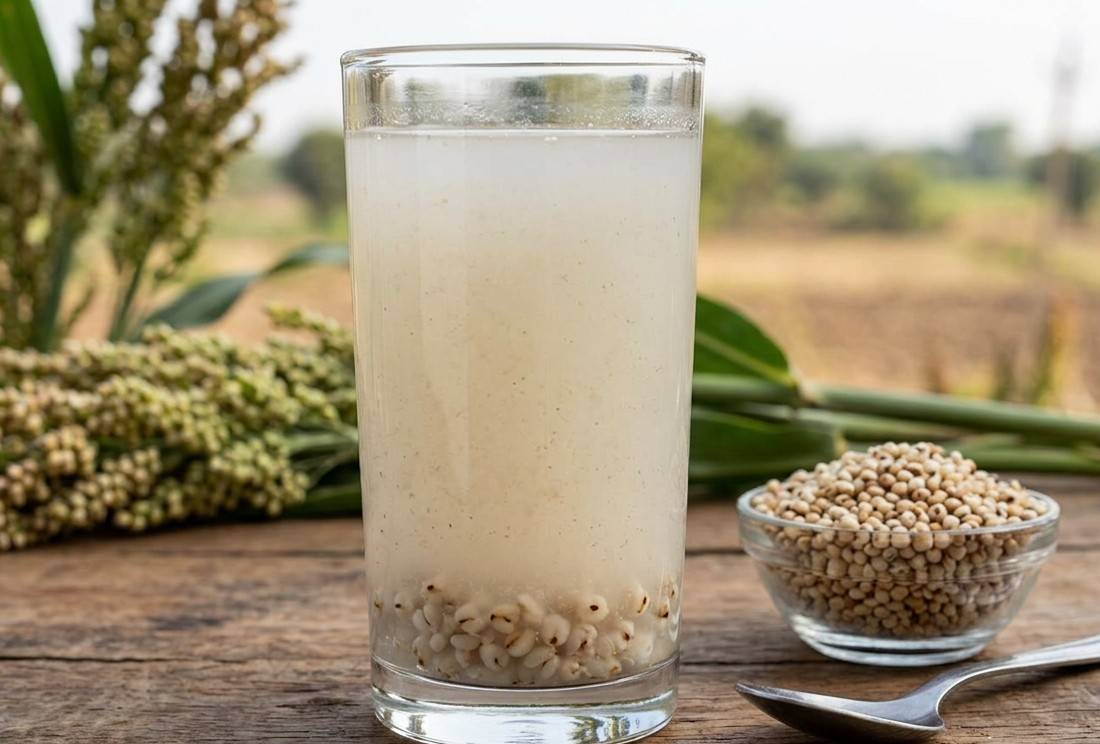
Sorghum water is a traditional beverage made by soaking or boiling sorghum grains in water. Sorghum is one of the world’s oldest cereal grains and is widely cultivated in Africa, Asia, Australia, and the Americas. Known for its rich nutritional profile and natural antioxidants, sorghum has gained popularity as a health-promoting grain.
Sorghum water offers a simple and refreshing way to enjoy some of the grain’s nutrients and plant compounds. It is often consumed for hydration, digestive support, energy, and overall wellness. Whether served warm or chilled, sorghum water can be a healthy addition to a balanced diet.
What is Sorghum Water?
Sorghum water is a drink prepared by soaking, boiling, or steeping sorghum grains in water. During the preparation process, some beneficial nutrients, antioxidants, and plant compounds from the grains are released into the water.
Depending on regional traditions, sorghum water may be consumed plain or flavored with ingredients such as lemon, ginger, mint, or honey. It is naturally caffeine-free and can serve as a nutritious alternative to sugary beverages.
Nutrition Facts of Sorghum Water
The nutritional content of sorghum water varies depending on the amount of grain used, soaking time, and preparation method.
| Nutrient | Approximate Amount per 1 Cup (240 ml) |
|---|---|
| Calories | 15–35 kcal |
| Carbohydrates | 3–8 g |
| Protein | 0.5–1.5 g |
| Fat | 0.1–0.5 g |
| Dietary Fiber | 0.2–1 g |
| Iron | Small Amount |
| Magnesium | Small Amount |
| Phosphorus | Small Amount |
| Potassium | Small Amount |
| Zinc | Trace Amount |
| Antioxidants | Present |
| Polyphenols | Present |
| Tannins | Present in some varieties |
| Water | 95%+ |
20 Proven Health Benefits of Sorghum Water
- Rich in Antioxidants: Sorghum water contains antioxidant compounds that help protect cells from oxidative stress and free radical damage.
- Supports Digestive Health: The natural plant compounds in sorghum may help promote healthy digestion and gut function.
- May Improve Heart Health: Antioxidants and beneficial nutrients in sorghum may contribute to cardiovascular wellness.
- Supports Healthy Cholesterol Levels: Research suggests sorghum compounds may help maintain healthy cholesterol levels when combined with a balanced diet.
- Helps Maintain Blood Sugar Balance: Sorghum contains slowly digestible carbohydrates that may support steady blood sugar responses.
- Provides Natural Hydration: Sorghum water helps replenish fluids and supports overall hydration.
- May Aid Weight Management: Its low-calorie nature makes sorghum water a suitable beverage for weight-conscious individuals.
- Supports Immune Function: Sorghum contains nutrients and antioxidants that help support the body’s immune defenses.
- May Reduce Inflammation: Polyphenols found in sorghum may help combat inflammation in the body.
- Supports Bone Health: Sorghum naturally contains minerals such as magnesium and phosphorus that contribute to healthy bones.
- Promotes Healthy Energy Levels: The carbohydrates present in sorghum provide a gentle source of energy.
- May Support Liver Health: Antioxidant compounds in sorghum may help protect liver cells from oxidative damage.
- Supports Healthy Aging: Antioxidants may help reduce cellular damage associated with aging.
- May Improve Metabolic Health: Sorghum’s bioactive compounds may contribute to healthy metabolic function.
- Supports Healthy Circulation: Minerals and antioxidants may help maintain proper blood circulation.
- May Promote Skin Health: Antioxidants can help protect skin cells from environmental stressors.
- Supports Brain Function: Nutrients and antioxidants may contribute to cognitive health and brain protection.
- May Help Combat Fatigue: Sorghum water provides hydration and small amounts of energy-supporting nutrients.
- Naturally Gluten-Free: Sorghum water is suitable for people following a gluten-free lifestyle.
- May Support Overall Wellness: Regular consumption as part of a balanced diet may contribute to overall health and well-being.
10 Side Effects of Sorghum Water
- Digestive Discomfort: Excessive consumption may cause bloating or stomach discomfort in sensitive individuals.
- Gas Formation: Some people may experience increased gas when consuming sorghum-based products regularly.
- Possible Allergic Reactions: Individuals with grain allergies may develop allergic symptoms after drinking sorghum water.
- Reduced Mineral Absorption: Sorghum contains compounds that may slightly reduce the absorption of certain minerals when consumed in large amounts.
- May Affect Sensitive Digestion: People with digestive disorders may experience mild gastrointestinal irritation.
- Potential Blood Sugar Changes: Although generally supportive of blood sugar control, individual responses can vary.
- Excess Fiber Intake Effects: Concentrated preparations may contribute to digestive issues if consumed excessively.
- May Interact with Certain Diet Plans: Some low-carbohydrate diets may not accommodate regular sorghum consumption.
- Possible Nausea from Overconsumption: Drinking large quantities at once may cause nausea in some individuals.
- Risk of Contamination: Improper preparation or storage can lead to bacterial growth and food safety concerns.
How to Make Sorghum Water?
Ingredients:
- 1 cup sorghum grains
- 6–8 cups water
- Optional: lemon, honey, ginger, or mint
Instructions:
- Rinse the sorghum grains thoroughly under running water.
- Soak the grains for 6–8 hours or overnight.
- Drain and rinse again.
- Add the grains and water to a large pot.
- Bring to a boil and then reduce heat.
- Simmer for 45–60 minutes.
- Allow the mixture to cool slightly.
- Strain the liquid into a clean container.
- Add optional flavorings if desired.
- Serve warm or refrigerate and enjoy chilled.
Tips for Consuming Sorghum Water
- Start with small amounts if you are new to sorghum-based beverages.
- Drink it fresh whenever possible.
- Pair it with a balanced diet for maximum benefits.
- Avoid adding excessive sugar.
- Serve chilled during hot weather for better hydration.
- Add lemon or ginger for enhanced flavor.
- Consume in moderation.
- Use clean, filtered water during preparation.
- Shake or stir before drinking if sediment settles.
- Monitor your body’s response if you have digestive sensitivities.
Other Uses of Sorghum Water
- Natural hydration beverage.
- Base for smoothies.
- Ingredient in soups and broths.
- Cooking liquid for grains.
- Fermented beverage preparation.
- Traditional wellness drinks.
- Post-workout hydration support.
- Homemade health tonics.
- Beverage for hot weather.
- Culinary ingredient in various recipes.
How Much Sorghum Water Can You Drink in a Day?
For most healthy adults, drinking 1–3 cups (240–720 ml) per day is generally considered reasonable as part of a balanced diet.
Beginners may start with one cup daily and gradually increase intake if well tolerated. Individual requirements may vary depending on age, health status, activity level, and overall dietary habits.
Best Time to Drink Sorghum Water
Morning
Drinking sorghum water in the morning may help support hydration and provide a gentle energy boost.
Between Meals
Consuming it between meals can help maintain hydration without interfering with digestion.
Before Exercise
It may provide light hydration before physical activity.
After Exercise
Sorghum water can help replenish fluids after workouts.
During Hot Weather
It serves as a refreshing beverage to support hydration throughout the day.
Who Should Drink Sorghum Water?
- Athletes: Sorghum water may help support hydration and recovery after physical activity.
- Busy Professionals: It can serve as a refreshing and low-calorie beverage during the workday.
- Students: The hydration and nutrients may help support daily energy needs.
- Older Adults: Sorghum water can contribute to fluid intake and overall wellness.
- People Following Gluten-Free Diets: Sorghum is naturally gluten-free and suitable for gluten-sensitive individuals.
- Health-Conscious Individuals: It offers a nutritious alternative to sugary drinks.
- People Seeking Weight Management: Its low-calorie nature may fit into weight-management plans.
- Individuals Looking for Antioxidants: Sorghum water provides beneficial antioxidant compounds.
- Those Living in Hot Climates: It can help support hydration during warm weather.
- People Interested in Traditional Wellness Drinks: Sorghum grain water is a simple and natural beverage option.
Who Should Avoid Sorghum Water?
- People with Sorghum Allergies: Individuals allergic to sorghum should avoid the beverage entirely.
- Those with Severe Grain Sensitivities: Some people may experience digestive discomfort.
- Individuals with Specific Medical Restrictions: Medical conditions requiring dietary limitations may warrant caution.
- People Experiencing Digestive Distress: Consumption may worsen symptoms in certain cases.
- Individuals Following Strict Low-Carbohydrate Diets: Sorghum contains carbohydrates that may not align with dietary goals.
- Those Sensitive to High-Fiber Foods: Sorghum preparations may contribute to digestive symptoms.
- People with Unexplained Food Reactions: Consultation with a healthcare professional is advisable before consumption.
- Individuals with Certain Gastrointestinal Conditions: Medical guidance may be necessary.
- People Using Specialized Therapeutic Diets: Professional dietary advice should be followed.
- Anyone Advised Against Grain-Based Products: Healthcare recommendations should take priority.
How to Store Sorghum Water?
- Refrigerate Promptly: Store sorghum grain water in the refrigerator within two hours of preparation.
- Use Airtight Containers: Airtight storage helps maintain freshness and prevent contamination.
- Consume Within Three Days: Fresh sorghum water is best consumed within 2–3 days.
- Keep Away from Direct Sunlight: Sunlight may reduce freshness and quality.
- Avoid Repeated Temperature Changes: Frequent warming and cooling may encourage spoilage.
- Check for Odor Changes: Discard if unusual smells develop.
- Watch for Cloudiness: Excessive cloudiness may indicate spoilage.
- Use Clean Utensils: Always pour with clean utensils to prevent contamination.
- Label Storage Dates: Mark preparation dates for better food safety.
- Discard if Spoiled: Do not consume if signs of spoilage are present.
Precautions and Interactions
Although sorghum water is generally safe for most people, several precautions should be considered:
- Consume in moderation as part of a balanced diet.
- Individuals with grain allergies should avoid sorghum water.
- People with chronic medical conditions should consult a healthcare professional before making significant dietary changes.
- Those taking medications for blood sugar management should monitor their response carefully.
- Proper preparation and storage are essential to reduce the risk of foodborne illness.
- Pregnant and breastfeeding women should discuss regular consumption with their healthcare provider if they have specific dietary concerns.
- Avoid consuming spoiled or improperly stored sorghum water.
- Maintain good hygiene practices during preparation.
- Stop consumption if any adverse reactions occur.
- Use sorghum grain water as a complement to, not a replacement for, a nutritious and balanced diet.
Conclusion
Sorghum water is a simple, refreshing, and naturally gluten-free beverage made from one of the world’s oldest grains. It contains antioxidants, beneficial plant compounds, and small amounts of essential nutrients that may support hydration, digestion, heart health, metabolic wellness, and overall vitality. While it offers numerous potential health benefits, moderation and proper preparation remain important.
FAQ’s
Is sorghum water good for weight loss?
Sorghum grain water is low in calories and can be a healthier alternative to sugary drinks, which may support weight-management efforts when combined with a balanced diet.
Can people with gluten intolerance drink sorghum water?
Yes, sorghum is naturally gluten-free, making sorghum grain water suitable for most people with gluten intolerance or celiac disease.
Does sorghum water contain caffeine?
No, Sorghum grain water is naturally caffeine-free.
Can sorghum water help with digestion?
Yes, the natural compounds in sorghum may support digestive health and promote healthy gut function.
How long does sorghum water stay fresh?
When refrigerated in an airtight container, sorghum grain water is best consumed within 2–3 days.
Can people with diabetes drink sorghum water?
Many people with diabetes can enjoy sorghum grain water in moderation, but they should monitor their blood sugar levels and consult their healthcare provider if needed.
Can I add flavor to sorghum water?
Yes, lemon, ginger, mint, cinnamon, or a small amount of honey can be added to enhance the taste.
Is sorghum water safe for children?
In moderate amounts, sorghum grain water is generally safe for children, but it should be part of a varied and balanced diet.
Can sorghum water be consumed during summer?
Yes, chilled sorghum grain water can be a refreshing drink that helps support hydration during hot weather.
Is sorghum water healthier than soft drinks?
Yes, Sorghum grain water is generally a healthier option because it contains fewer calories and no added artificial ingredients when prepared naturally.
What does Sorghum Water taste like?
Sorghum grain water has a mild, slightly sweet, and earthy flavor. The taste can vary depending on the type of sorghum used and whether additional ingredients like lemon or ginger are added.
Can I use Sorghum Water every day?
Yes, most healthy adults can drink sorghum grain water daily in moderation as part of a balanced diet and healthy lifestyle.
How long does it take for Sorghum Water to work?
The effects vary depending on the individual and the intended benefit. Hydration benefits may be noticed immediately, while potential digestive or wellness benefits may require consistent consumption over several days or weeks.
What does Sorghum Water smell like?
Sorghum grain water usually has a light, grain-like aroma with mild earthy notes. Freshly prepared sorghum water generally has a clean and pleasant scent.
Is Sorghum Water safe for pregnant women?
Sorghum grain water is generally considered safe when consumed in moderate amounts as a food-based beverage. Pregnant women should consult their healthcare provider before making significant dietary changes.
What is Sorghum Water good for?
Sorghum grain water is commonly consumed for hydration, digestive support, antioxidant intake, heart health, blood sugar management, and as a naturally gluten-free alternative to sugary beverages.
Also Read: