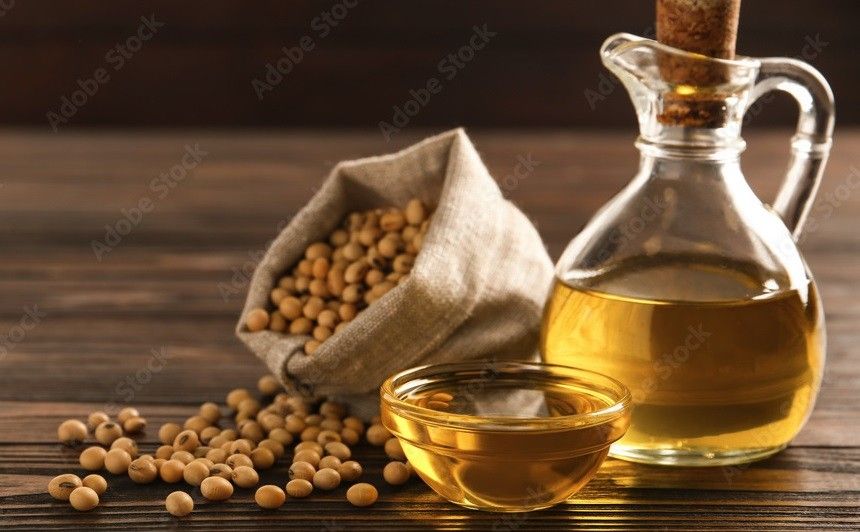
Soybean oil is one of the most widely consumed cooking oils in the world. Whether you are frying, baking, sautéing, or making salad dressings, soybean oil is a familiar kitchen companion for millions of households. But beyond its popularity, soybean oil carries a long list of nutritional and functional qualities that make it valuable not just for cooking but also for skincare, hair care, food manufacturing, and even industry.
This guide walks you through everything you need to know about soybean oil. From its science-backed benefits to side effects, from how to consume it safely to how it is made at home, you will find every detail in one place.
What is Soybean Oil?
Soybean oil is a vegetable oil extracted from the seeds of the soybean plant, scientifically known as Glycine max. It is one of the world’s most widely produced and consumed edible oils because soybeans are easy to grow, affordable, and cultivated globally.
The oil is pale yellow, mild in flavor, and versatile in cooking. It contains healthy fats, especially polyunsaturated fatty acids like omega-6 and omega-3. Beyond food, soybean oil is also used in cosmetics, pharmaceuticals, biodiesel, soaps, inks, and industrial lubricants.
Because soybean oil is neutral in taste and has a high smoke point, it works well for deep frying, stir-frying, and baking. Its nutritional value also makes it a preferred choice for food manufacturers and households.
Nutrition Facts of Soybean Oil (Per 1 tablespoon – 14g)
| Nutrient | Amount |
|---|---|
| Calories | 120 |
| Total Fat | 14 g |
| Saturated Fat | 2.1 g |
| Monounsaturated Fat | 3.1 g |
| Polyunsaturated Fat | 8.9 g |
| Omega-6 Fatty Acids | 7.8 g |
| Omega-3 Fatty Acids | 0.9 g |
| Vitamin E | 1.1 mg |
| Vitamin K | 25 mcg |
Soybean oil is rich in polyunsaturated fats and vitamin K, making it beneficial for heart health and blood clotting. It also contains small amounts of vitamin E, which acts as an antioxidant.
20 Proven Benefits of Soybean Oil
1. Good for Heart Health:
Soybean oil contains polyunsaturated fatty acids, which help reduce LDL (bad cholesterol) levels when consumed in moderation. This supports heart function and lowers the risk of cardiovascular disease.
2. Rich in Omega-3 Fatty Acids:
Although small in amount compared to fish oils, the omega-3 fats in soybean oil help reduce inflammation and improve circulation.
3. Supports Healthy Skin:
Oil is used in many skin creams because it moisturizes, restores skin barrier function, and reduces dryness. Vitamin E also helps protect the skin from oxidative stress.
4. Boosts Hair Health:
Massaging the scalp with soybean oil may help reduce dryness, strengthen hair follicles, and add shine due to its fatty acid content.
5. Improves Bone Strength:
Oil contains vitamin K, which helps in bone mineralization and the prevention of fractures.
6. May Help Reduce Inflammation:
The omega-3 fatty acids in soybean oil have anti-inflammatory benefits that may ease joint pain and chronic inflammation.
7. Promotes Better Vision:
Oil contains omega-3 fatty acids that play a role in eye lubrication and protection, reducing the risk of dry eye syndrome.
8. Good for Brain Health:
Healthy fats in soybean oil support cognitive function, memory, and nerve communication.
9. Helps Maintain Hormonal Balance:
Oil contains small amounts of phytoestrogens that may support hormonal balance in women, especially during menopause.
10. Improves Digestion:
Its mild flavor and fat content make food easier to digest and help maintain healthy bowel function.
11. Strengthens the Immune System:
The antioxidants in soybean oil help protect cells against free radicals and enhance immunity.
12. Supports Healthy Blood Clotting:
Vitamin K in oil plays a crucial role in clotting, preventing excessive bleeding.
13. Provides Long-Lasting Energy:
Because fats are energy-dense, soybean oil provides sustained energy for body functions.
14. Enhances Nutrient Absorption:
Fat-soluble vitamins like A, D, E, and K require fat for absorption. Soybean oil supports this process.
15. Good for High-Temperature Cooking:
Its high smoke point makes it suitable for frying, giving you a healthier alternative to more saturated oils.
16. Promotes Healthy Aging:
Vitamin E and antioxidants in soybean oil help slow down signs of aging and protect skin cells.
17. May Support Fertility:
Healthy fats improve reproductive hormone production and overall reproductive function.
18. Beneficial for Diabetics (in moderation):
Polyunsaturated fats help regulate blood sugar levels when used in balance with a healthy diet.
19. Supports Liver Health:
Soybean oil may help reduce fat buildup in the liver when consumed responsibly.
20. Affordable and Easily Available:
Since soybeans are widely cultivated, oil is budget-friendly and accessible in most markets.
10 Side Effects of Soybean Oil
While soybean oil has numerous benefits, excessive or inappropriate use may lead to side effects.
1. High Omega-6 Content:
Too much omega-6 compared to omega-3 can increase inflammation in the body.
2. May Cause Allergies:
People allergic to soy may experience itching, swelling, hives, or digestive issues.
3. Risk of Weight Gain:
As a high-calorie oil, overconsumption can lead to unwanted weight gain.
4. Hormonal Imbalance:
Phytoestrogens in soybean oil may affect hormone levels, especially in women with hormone-sensitive conditions.
5. May Increase Oxidative Stress:
If oil is overheated or reused many times, it produces harmful compounds.
6. Blood Clotting Issues:
Because soybean oil is rich in vitamin K, it may interfere with blood-thinning medications.
7. Digestive Problems:
Consuming too much oil can cause diarrhea, bloating, and stomach discomfort.
8. Acne Breakouts:
Some people may notice acne flare-ups due to high omega-6 intake.
9. Reduced Mineral Absorption:
Excessive soy intake may affect mineral absorption including iron and zinc.
10. Risk of Trans Fats in Hydrogenated Oil:
Some processed oils may contain trans fats, which are harmful for heart health.
How to Use Soybean Oil?
You can use soybean oil in various culinary and non-culinary ways:
- Frying and deep frying
- Stir-frying vegetables
- Baking cakes, muffins, and breads
- Making sauces and gravies
- Preparing salad dressings
- Marinating meats and vegetables
- Moisturizing skin
- Massaging scalp
Its mild flavor makes it suitable for both sweet and savory dishes.
Other Uses of Soybean Oil
Apart from cooking, soybean oil has multiple industrial and household uses:
- Used in biodiesel production
- Ingredient in soaps and detergents
- Used in paints and inks
- Found in lubricants and adhesives
- Used in skincare and haircare products
- Base oil for candles and polishes
Tips for Consuming Soybean Oil
Here are practical tips for safe and healthy consumption:
- Choose cold-pressed or minimally processed soybean oil.
- Avoid reheating the same oil multiple times.
- Use oil in moderation to avoid weight gain.
- Balance omega-6 intake by consuming omega-3 rich foods like flaxseed and fish.
- Store oil in a cool and dark place.
- Read labels to avoid hydrogenated soybean oils with trans fats.
How to Take Soybean Oil?
You can take oil in the following ways:
- As a cooking oil for daily meals
- As salad dressing mixed with vinegar or lemon juice
- As part of marinades
- A teaspoon daily for nutritional benefits (only if advised by a health professional)
- Applied directly to skin or hair
How to Make Soybean Oil at Home?
You can extract soybean oil at home using the traditional or mechanical method.
Method:
- Wash and dry soybeans thoroughly.
- Roast them on low heat to soften the outer shell.
- Grind the beans into a thick paste.
- Add warm water and mix well.
- Use a cloth to filter the paste and press firmly to extract raw oil.
- Let the oil sit to allow impurities to settle.
- Filter again using a muslin cloth.
This method produces unrefined oil, which is best used for skincare or low-temperature cooking.
How Much Soybean Oil Can You Use Per Day?
The ideal daily intake for an adult is:
1 to 2 tablespoons (15 to 30 ml) per day
This amount is safe for most healthy adults when included as part of a balanced diet.
Soybean Oil Dosage
Here is a general dosage guideline:
- For cooking: 1 to 2 tablespoons daily
- For skin: 4 to 6 drops applied directly
- For hair: 1 to 2 tablespoons used as a mask once a week
- For supplementation: 1 teaspoon daily (only after medical approval)
Best Time to Use Soybean Oil
The timing depends on the purpose:
- For cooking: Any time during meal preparation
- For skin: After a shower to lock in moisture
- For hair: Before washing hair or as an overnight mask
- For nutritional intake: With meals to improve absorption
Who Should Use Soybean Oil?
Oil may be beneficial for:
- Individuals looking for a versatile cooking oil
- People needing more polyunsaturated fats
- Those with dry skin or hair
- People looking to improve vitamin K intake
- Individuals needing an affordable cooking option
Who Should Not Use Soybean Oil?
Avoid or limit soybean oil if you:
- Have a soy allergy
- Have hormone-sensitive issues
- Are taking blood-thinning medication
- Have acne-prone or extremely oily skin
- Struggle with obesity or calorie-dense diets
- Need to avoid omega-6-heavy foods
How to Store Soybean Oil?
To maintain freshness:
- Store in a cool, dark place
- Keep away from direct sunlight
- Seal the container tightly
- Avoid storing near stoves or heat
- Refrigerate if using cold-pressed oil
Precautions and Interactions
- Do not overheat soybean oil to avoid toxic compounds.
- Avoid hydrogenated oil as it may contain trans fats.
- If you are allergic to soy, avoid oil completely.
- Consult your doctor if you take blood thinners like warfarin.
- Pregnant and breastfeeding women should use it in moderation.
- Do not consume in large amounts if you have thyroid issues.
FAQ’s
Is soybean oil good for health?
Yes, oil is good for health when consumed in moderation. It contains polyunsaturated fats, omega-3 fatty acids, and vitamin K, which support heart, skin, bone, and overall health.
Is soybean oil good for skin?
Oil is beneficial for moisturizing, improving skin elasticity, and protecting the skin from dryness. It contains vitamin E, which acts as a natural antioxidant.
Can soybean oil cause allergies?
Yes. People who are allergic to soy may have reactions such as itching, swelling, digestive discomfort, or breathing issues. If you have a known soy allergy, avoid oil.
Is soybean oil safe for frying?
Yes. oil has a high smoke point, making it suitable for deep frying, sautéing, and stir-frying. However, avoid reusing fried oil multiple times.
Can soybean oil help with hair growth?
Oil helps moisturize the scalp, reduce dryness, and strengthen hair strands. While it does not directly stimulate rapid hair growth, it improves overall hair health.
Does soybean oil contain omega-3 fatty acids?
Yes, oil contains small amounts of omega-3 fatty acids, which help reduce inflammation and support brain and heart health.
Can soybean oil increase weight?
Yes. Like all oils, soybean oil is high in calories. Excess intake may contribute to weight gain, so moderation is key.
What is soybean oil used for?
Oil is mainly used for cooking, including frying, baking, sautéing, and preparing salad dressings. Beyond the kitchen, it is also used in skincare products, hair oils, soaps, biodiesel, inks, and various industrial applications because of its versatility and stability.
Can pregnant women use soybean oil?
Yes, pregnant women can use oil in moderation as part of their regular diet. However, those with soy allergies, hormonal conditions, or medical complications should consult a healthcare provider before using it regularly.
Can I use soybean oil every day?
Yes, you can use oil daily as long as you stay within the recommended intake of 1 to 2 tablespoons per day. Moderation is important because, like all oils, it is calorie-dense and excessive use may contribute to weight gain.
Is soybean oil safe for children?
Oil is generally safe for children when used in normal cooking amounts. However, if the child has a soy allergy or digestive sensitivity, it should be avoided. Always introduce it gradually to observe any reactions.
What does soybean oil smell like?
Oil usually has a very mild, neutral, or slightly nutty aroma. Cold-pressed versions may have a more noticeable earthy scent, while refined soybean oil has almost no smell at all.
Is soybean oil better than olive oil?
Olive oil is generally considered healthier due to its higher monounsaturated fat content and antioxidant profile. However, oil has a higher smoke point and can be better for high-heat cooking. Both oils have their own benefits depending on how you plan to use them.
Is soybean oil good or sunflower oil?
Both soybean oil and sunflower oil are good options, but they differ in nutritional profile. Sunflower oil contains more vitamin E and monounsaturated fats, while soybean oil offers omega-3 fatty acids and more balanced polyunsaturated fats. The better choice depends on your health goals and cooking needs.
Also Read: