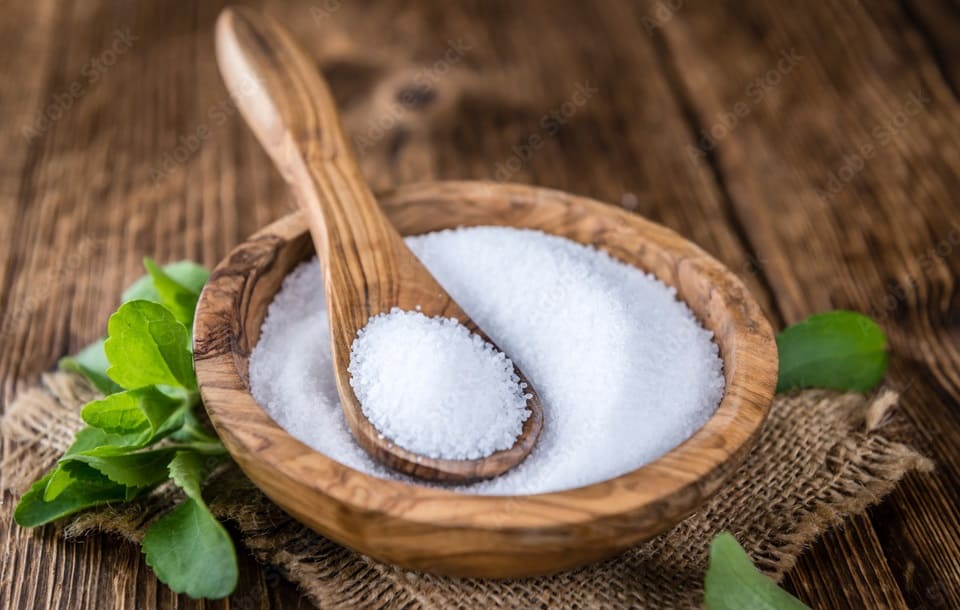
In today’s health-conscious world, more and more people are rethinking their relationship with sugar. From weight management to blood sugar control, the downsides of refined sugar have been talked about for decades. But what if you could enjoy sweetness without worrying about calories or blood sugar spikes?
That’s where Stevia comes in — a natural, plant-based sweetener that has become a household name among those looking to reduce sugar intake without giving up sweetness. But what exactly is Stevia? How is it made, what are its benefits, and are there any downsides you should know about?
Let’s take a deep dive into everything you need to know about this fascinating sweetener — from its origins and science-backed health benefits to how you can use it in your everyday life.
What is Stevia?
Stevia is a natural sweetener derived from the leaves of the plant Stevia rebaudiana, a member of the sunflower family. Native to South America — particularly Paraguay and Brazil — this plant has been used for centuries by the Guaraní people to sweeten their traditional drinks and foods.
Unlike artificial sweeteners such as aspartame or sucralose, Stevia is plant-based and considered non-nutritive, meaning it provides virtually no calories. Yet, it’s incredibly sweet — some extracts can be up to 200–300 times sweeter than regular sugar. The secret lies in compounds called steviol glycosides, which are extracted from the leaves of the Stevia plant. These glycosides are what give Stevia its distinctive sweetness without affecting blood glucose levels.
The Origin and History of Stevia
The story of Stevia begins long before it hit supermarket shelves. Indigenous people in South America used Stevia leaves to sweeten teas, medicines, and foods for hundreds of years. They called it “ka’a he’ê,” which means “sweet herb.”
European scientists first documented the plant in the late 19th century, and by the 20th century, researchers began studying it for its potential as a natural sugar alternative. Japan was among the first countries to adopt Stevia on a large scale during the 1970s when concerns about artificial sweeteners were growing. Today, Stevia is approved for use in over 150 countries and has become a go-to sweetener for consumers and manufacturers looking for natural alternatives to sugar.
Nutritional Facts of Stevia
Here’s a clear and accurate Nutritional Facts Table for Stevia (based on 1 gram of pure Stevia extract):
| Nutrients | Amount | Description |
|---|---|---|
| Calories | 0 kcal | Stevia is a non-caloric sweetener, meaning it provides no energy. |
| Total Fat | 0 g | Contains no fats or cholesterol. |
| Sodium | 0 mg | Naturally sodium-free. |
| Total Carbohydrates | 0 g | Does not contain digestible carbohydrates. |
| Sugars | 0 g | No natural or added sugars; sweetness comes from steviol glycosides. |
| Dietary Fiber | 0 g | Does not contribute fiber. |
| Protein | 0 g | Contains no protein. |
| Calcium | 0 mg | Negligible mineral content. |
| Iron | 0 mg | Negligible iron content. |
| Potassium | 0 mg | No measurable potassium. |
| Glycemic Index (GI) | 0 | Does not raise blood sugar levels. |
Sweetleaf provides no calories, no carbohydrates, and no sugar, yet delivers intense sweetness (up to 200–300 times sweeter than regular sugar). Its nutritional value lies in its ability to replace sugar without affecting blood glucose or insulin response.
How Stevia is Made?
The process of making sweetleaf-based sweeteners starts with harvesting the Stevia leaves. Here’s a step-by-step overview:
- Harvesting the Leaves – Mature leaves of the sweetleaf rebaudiana plant are picked and dried.
- Extraction – The dried leaves are soaked in water, and natural compounds (steviol glycosides) are extracted.
- Purification – The extract is filtered and purified to isolate the sweetest and purest glycosides, primarily rebaudioside A (Reb A).
- Drying and Crystallization – The purified extract is dried into a powder or mixed into liquid form.
The result is a high-purity Stevia extract — sweet, stable, and ready for use in beverages, baked goods, and everyday recipes.
20 Proven Health Benefits of Stevia
Stevia isn’t just a calorie-free sweetener. It’s also linked to several potential health benefits, backed by research and real-world use. Let’s explore the most notable ones.
1. Helps Manage Blood Sugar Levels
Stevia does not raise blood glucose levels, making it a great option for diabetics or those monitoring sugar intake. Studies show it can even help improve insulin sensitivity in some cases.
2. Aids in Weight Management
Since it’s virtually calorie-free, substituting sweetleaf for sugar can help reduce overall calorie consumption — a simple yet effective step in weight management.
3. Supports Dental Health
Unlike sugar, Stevia doesn’t feed the bacteria that cause tooth decay and cavities. It’s often used in toothpaste and mouthwash for this reason.
4. May Help Lower Blood Pressure
Some studies have shown that compounds in sweetleaf can have a mild blood pressure-lowering effect, especially in people with hypertension.
5. Reduces Sugar Cravings
Using sweetleaf instead of sugar can help retrain your taste buds and reduce your dependence on overly sweet foods.
6. Natural and Plant-Based
Stevia comes directly from a plant — not a chemical lab. This makes it a popular choice among people seeking natural alternatives to artificial sweeteners.
7. Suitable for Diabetics
Its glycemic index is zero, meaning it doesn’t cause sugar spikes — perfect for individuals managing diabetes.
8. Safe for Daily Use
Approved by the FDA and several health authorities, sweetleaf is considered safe for everyday use when consumed within acceptable daily intake limits.
9. May Have Antioxidant Properties
Some forms of sweetleaf contain antioxidants that can help fight free radicals in the body, reducing oxidative stress.
10. Good for the Skin
Stevia’s antibacterial properties may help reduce skin conditions like acne when used topically or included in skincare formulations.
11. May Improve Cholesterol Levels
Research suggests that sweetleaf may help reduce LDL (bad cholesterol) and increase HDL (good cholesterol) levels in the blood.
12. Ideal for Keto and Low-Carb Diets
Stevia fits perfectly into keto, paleo, and low-carb diets since it contains no carbs or calories.
13. Helps in Calorie Reduction
For those looking to lose weight without sacrificing sweetness, sweetleaf allows for sweet satisfaction without calorie guilt.
14. May Aid Digestion
Traditionally, Stevia leaves have been used to relieve stomach discomfort and promote healthy digestion.
15. Non-Fermentable
Stevia doesn’t ferment in the mouth or gut, reducing the risk of bloating or digestive issues caused by sugar alcohols.
16. Heat-Stable for Cooking
You can cook or bake with sweetleaf, as it remains stable at high temperatures — unlike some artificial sweeteners.
17. Doesn’t Contribute to Metabolic Syndrome
Replacing sugar with sweetleaf may help prevent the development of metabolic syndrome, a cluster of conditions linked to heart disease and diabetes.
18. Promotes Hydration
Adding sweetleaf to water or beverages encourages people to drink more fluids, improving hydration levels.
19. Beneficial for Pancreatic Health
Some studies indicate sweetleaf may help protect pancreatic cells and enhance insulin production.
20. Environmentally Friendly
Producing sweetleaf requires fewer resources than cane sugar, making it a sustainable choice for both consumers and manufacturers.
10 Possible Side Effects of Stevia
While Stevia is safe for most people, overconsumption or certain forms can have drawbacks. Here are some possible side effects to keep in mind:
- Digestive Discomfort – Some individuals experience bloating or nausea when consuming large amounts.
- Allergic Reactions – Though rare, allergic responses can occur in people sensitive to plants in the Asteraceae family.
- Low Blood Pressure – Because Stevia may lower blood pressure, people with hypotension should monitor their intake.
- Hormonal Effects – Some animal studies suggest sweetleaf might affect hormones, though evidence in humans is limited.
- Altered Gut Microbiota – Excessive use might impact gut bacteria balance.
- Bitter Aftertaste – Some people find certain sweetleaf products have a lingering aftertaste.
- Overdependence on Sweetness – Even calorie-free sweetness can reinforce cravings for sugary foods.
- Possible Interaction with Medications – It may interact with medications for diabetes or blood pressure.
- Unregulated Additives – Some commercial blends contain artificial fillers that negate Stevia’s natural benefits.
- Overuse in Diets – Using too much sweetleaf to replace all sugar sources may lead to imbalanced eating habits.
How to Use Stevia?
Stevia is versatile and can easily replace sugar in most recipes and drinks. Here are some ways you can use it:
- In Beverages: Add sweetleaf to coffee, tea, smoothies, or lemonade instead of sugar.
- In Baking: Replace sugar in recipes using a Stevia-sugar conversion chart. Keep in mind that sweetleaf doesn’t caramelize or provide bulk like sugar, so you may need to adjust texture with other ingredients.
- In Cooking: It works well in sauces, salad dressings, or marinades.
- In Yogurts and Oatmeals: Sprinkle a little for a touch of sweetness.
- In Homemade Desserts: Ideal for puddings, custards, and fruit compotes.
Tips for Consuming Stevia
- Start Small: Because sweetleaf is so much sweeter than sugar, start with a small amount and adjust to taste.
- Check Labels: Not all “Stevia” products are pure; some contain sugar or artificial sweeteners.
- Choose Pure Extracts: Opt for products labeled “100% Stevia” or those with high rebaudioside A content.
- Combine with Natural Sweeteners: Mixing sweetleaf with honey or erythritol can balance flavor.
- Avoid Overuse: Even though calorie-free, moderation is key for healthy habits.
- Use in Drinks Wisely: Too much sweetleaf can give a bitter or licorice-like aftertaste.
- Test for Tolerance: If you experience bloating or headaches, reduce intake and monitor your body’s response.
Other Uses of Stevia
Beyond sweetening foods, Stevia has several other interesting uses:
- Skincare: Its antibacterial and anti-inflammatory properties make it useful in acne treatments and homemade facial masks.
- Oral Hygiene: Added to toothpaste and mouthwash to prevent plaque buildup.
- Natural Preservative: Stevia’s antioxidant nature helps preserve freshness in certain foods.
- Herbal Medicine: In traditional medicine, Stevia leaves have been used to treat heartburn, obesity, and infections.
How Much Stevia Can You Consume Per Day?
According to the World Health Organization (WHO), the acceptable daily intake (ADI) for Stevia is up to 4 mg per kilogram of body weight per day (expressed as steviol equivalents).
That means:
- If you weigh 60 kg (132 lbs), your safe daily limit would be about 240 mg of steviol equivalents.
Most people will never reach this limit in normal use, but it’s helpful to be aware of it.
Best Time to Use Stevia
There’s no strict “best time” to consume Stevia, but it depends on your purpose:
- Morning: Add it to your tea, coffee, or breakfast smoothie for a sugar-free start.
- Before or After Meals: Using sweetleaf instead of sugar in beverages can reduce overall calorie intake.
- During Weight Loss: Include sweetleaf as a replacement for sugary snacks or desserts.
Who Should Avoid Stevia?
While generally safe, a few groups should use caution or avoid Stevia:
- People with Low Blood Pressure: It might lower blood pressure further.
- Those on Medication: Stevia can interact with insulin, diuretics, and antihypertensive drugs.
- Pregnant or Nursing Women: Although considered safe, consult your healthcare provider before regular use.
- People with Allergies to Ragweed or Related Plants: They might experience mild allergic reactions.
Who Should Use Stevia?
Stevia is a great choice for people who want to reduce or completely avoid sugar without giving up sweetness. It’s especially beneficial for:
- People with Diabetes: Since Stevia doesn’t raise blood glucose levels, it’s a safe sugar alternative for diabetics. It allows them to enjoy sweet foods without worrying about sugar spikes.
- Those Trying to Lose Weight: If you’re watching your calorie intake, sweetleaf can help cut down on empty calories from sugar. It lets you enjoy sweetness guilt-free and supports weight management goals.
- Individuals with High Blood Pressure: Some studies suggest sweetleaf may help lower blood pressure naturally, making it a good option for people with mild hypertension.
- People on Low-Carb or Keto Diets: Stevia contains no carbohydrates, so it fits perfectly into ketogenic, low-carb, and paleo diets.
- Children and Families: In small amounts, sweetleaf can be used to replace sugar in drinks or desserts for kids, helping reduce their long-term sugar intake.
- People Concerned About Oral Health: Unlike sugar, sweetleaf doesn’t cause cavities or tooth decay, which makes it great for maintaining dental hygiene.
- Anyone Looking for Natural Sweeteners: If you prefer natural, plant-based options over artificial sweeteners, sweetleaf is one of the best choices available today.
How to Store Stevia?
To maintain the freshness and quality of Stevia, it’s important to store it correctly. Here are some simple tips to follow:
- Keep It in an Airtight Container: Store Stevia in a tightly sealed container to prevent moisture from getting in, as humidity can cause clumping or spoil its texture.
- Store in a Cool, Dry Place: Keep it away from heat and direct sunlight. A kitchen cabinet or pantry shelf works perfectly.
- Avoid Refrigeration: You don’t need to refrigerate sweetleaf powder or liquid. Room temperature storage is ideal.
- Use a Dry Spoon: Always use a dry utensil when scooping sweetleaf to avoid introducing moisture that can lead to spoilage.
- Check Expiration Date: While sweetleaf lasts for a long time, it’s best to check the expiration date for maximum potency and flavor.
When stored properly, Stevia can remain fresh and effective for up to two years or more, depending on the brand and form (powder, liquid, or granules).
Precautions and Interactions
While Stevia is generally considered safe, there are a few precautions and potential interactions you should keep in mind, especially if you have existing health conditions or are taking medications.
- Blood Pressure Medications: Sweetleaf may lower blood pressure slightly. If you’re already taking antihypertensive medication, combining the two could result in blood pressure dropping too low. Always consult your doctor before use.
- Diabetes Medications: Since sweetleaf helps lower blood sugar, using it alongside diabetes medication might amplify its effects and cause blood sugar to fall too low. Monitor your levels closely if you use both.
- Kidney and Liver Conditions: Pure sweetleaf is safe for kidney and liver health, but people with chronic conditions should discuss sweetleaf use with their healthcare provider, especially if using it frequently.
- Allergic Reactions: Rarely, individuals allergic to plants in the Asteraceae family (like daisies, chrysanthemums, or ragweed) may experience mild reactions to sweetleaf. Start with a small amount if you’re unsure.
- Pregnancy and Breastfeeding: While sweetleaf is generally recognized as safe, it’s best for pregnant or nursing women to use it in moderation and under medical advice.
- Additives in Commercial Blends: Many “Stevia” products contain other ingredients like maltodextrin or dextrose, which can raise blood sugar levels and negate Stevia’s benefits. Always read labels carefully to ensure purity.
- Digestive Sensitivity: Consuming excessive amounts may cause mild bloating or nausea in some individuals. Start with small servings and observe how your body responds.
Stevia vs. Sugar: The Key Differences
| Feature | Stevia | Sugar |
|---|---|---|
| Source | Natural (plant-based) | Natural (cane/beet) |
| Calories | 0 kcal | 4 kcal per gram |
| Sweetness | 200–300x sweeter than sugar | Standard |
| Glycemic Index | 0 | High |
| Blood Sugar Impact | None | Raises levels quickly |
| Dental Health | Prevents cavities | Causes cavities |
| Suitable for Diabetics | Yes | No |
| Heat Stability | High | High |
| Taste | Sweet, sometimes slightly bitter | Sweet |
Clearly, sweetleaf offers many benefits that make it a smart alternative for those aiming to reduce sugar intake.
How to Choose the Best Stevia Product?
When shopping for sweetleaf, you’ll find a wide range of options — from powders to drops. To ensure you’re buying the best, consider these tips:
- Check the Ingredients List: Avoid products with maltodextrin, dextrose, or other artificial fillers.
- Look for Pure Extracts: Choose ones labeled as “steviol glycosides” or “rebaudioside A.”
- Opt for Trusted Brands: Go for well-known, certified brands that undergo purity testing.
- Select the Right Form:
- Powdered Stevia: Great for baking and coffee.
- Liquid Stevia: Easy for beverages and smoothies.
- Stevia Blends: Combined with erythritol or monk fruit for balanced sweetness.
Is Stevia Safe?
Yes. Stevia extracts (especially high-purity forms like Reb A) are approved by major health organizations, including the U.S. Food and Drug Administration (FDA), European Food Safety Authority (EFSA), and World Health Organization (WHO).
However, whole sweetleaf leaves or crude extracts are not approved for commercial food use in some countries because they haven’t undergone sufficient safety evaluation. Always buy regulated products from trusted sources.
Environmental Impact of Stevia
Compared to sugar production, which requires large-scale land use, water, and energy, Stevia is eco-friendly. It needs less land and water to produce equivalent sweetness, contributing to lower carbon emissions. Many food companies now use sweetleaf as part of their sustainability goals — replacing sugar to reduce both calories and environmental footprint.
Conclusion
Stevia has revolutionized the way people approach sweetness. This little green leaf has proven that you don’t need refined sugar to enjoy delicious flavors. Whether you’re diabetic, watching your weight, or simply aiming to live healthier, Stevia offers a natural, zero-calorie solution that aligns with modern health goals.
From managing blood sugar to supporting oral health, sweetleaf provides an impressive list of benefits — but like all things, it’s best used in moderation. Understanding how to use it properly can help you make the most of its sweetness without side effects. So the next time you sweeten your tea or bake your favorite cake, reach for sweetleaf — the sweet gift from nature that lets you enjoy flavor without the guilt.
FAQ’s
What is Stevia used for?
Sweetleaf is used as a natural sweetener in beverages, baked goods, and various foods. It replaces sugar without adding calories or affecting blood sugar levels.
Is Stevia better than sugar?
Yes, sweetleaf is calorie-free, doesn’t cause blood sugar spikes, and may support weight loss and dental health, making it a healthier alternative to sugar.
Can pregnant women use Stevia?
Yes, purified Stevia extracts are generally safe during pregnancy, but it’s always best to consult a healthcare professional.
Is Stevia safe for diabetics?
Absolutely. sweetleaf has a zero glycemic index and does not raise blood sugar levels, making it an excellent option for people with diabetes.
Can children take Stevia?
Yes, children can safely consume small amounts of Stevia as part of a balanced diet.
How much Stevia equals one teaspoon of sugar?
Approximately 1/4 teaspoon of Stevia powder or a few drops of liquid sweetleaf equals one teaspoon of sugar, depending on concentration.
Can Stevia help in weight loss?
Yes, replacing sugar with sweetleaf can reduce overall calorie intake, aiding in weight management and fat loss over time.
Does Stevia have an aftertaste?
Some sweetleaf products may have a slightly bitter or licorice-like aftertaste, though high-quality refined extracts tend to taste cleaner.
Is Stevia safe for daily use?
Yes. sweetleaf is approved for long-term daily use by major health authorities worldwide, provided you stay within recommended intake limits.
What do pinto beans taste like?
Pinto beans have a creamy texture and a mild, earthy flavor with slightly nutty undertones. When cooked, they become soft and rich, making them perfect for soups, burritos, and stews.
Can you eat pinto beans raw?
No, you should never eat pinto beans raw. Raw or undercooked beans contain a toxin called phytohaemagglutinin, which can cause nausea and digestive issues. Always soak and cook them thoroughly before eating.
Is stevia good or bad for you?
Sweetleaf is generally good for you when used in moderation. It’s a natural, zero-calorie sweetener that can help manage blood sugar, support weight loss, and protect dental health. However, excessive use may cause mild digestive discomfort in some people.
What is the Indian name for stevia?
In India, Stevia is often called “Meethi Tulsi” or “Sweet Tulsi”, due to its natural sweetness and resemblance to the tulsi (holy basil) plant. It’s also known by its botanical name, Stevia rebaudiana.
Is stevia safe for kidneys?
Yes, sweetleaf is considered safe for kidney health. Studies have shown it doesn’t harm kidney function and may even help lower blood sugar, which indirectly supports kidney wellness. Still, moderation is key for those with chronic kidney conditions.
Is stevia safe for my liver?
Yes, sweetleaf is liver-safe when consumed in normal amounts. Some studies even suggest it may help protect the liver by reducing oxidative stress and inflammation. However, stick to pure, high-quality Stevia and avoid artificial blends.
Is stevia cancerogenic?
No, Stevia is not carcinogenic. Extensive research and global food safety reviews — including by the FDA and World Health Organization (WHO) — confirm that sweetleaf and its extracts are safe and non-cancerous.
Can people with high blood pressure use stevia?
Yes, people with high blood pressure can safely use sweetleaf. In fact, some studies show that certain compounds in Stevia may help lower blood pressure naturally, especially in individuals with mild hypertension.
How do I know if my stevia is pure?
Pure Stevia should contain only sweetleaf extract or steviol glycosides listed on the label. Avoid products that include additives like maltodextrin, dextrose, or artificial sweeteners. Pure sweetleaf powder is typically white or slightly off-white, not brown or green.
What happens if I replace sugar with stevia?
Replacing sugar with sweetleaf can lead to lower calorie intake, better blood sugar control, and improved dental health. Over time, it may help with weight management and reduce the risk of diabetes-related complications.
What color is real stevia?
Pure Stevia extract is white or slightly off-white after processing. However, dried sweetleaf leaves are naturally green, which is the raw and unprocessed form of the plant.
Can I grow stevia at home?
Yes, you can easily grow sweetleaf at home. It thrives in warm, sunny conditions and well-drained soil. You can grow it in pots or gardens, and the leaves can be harvested, dried, and used as a natural sweetener.
Can stevia lower blood pressure?
Yes, in some cases, sweetleaf may help lower blood pressure due to its vasodilatory properties. However, if you already have low blood pressure, use it with caution and consult your doctor before regular use.
Can stevia affect the heart?
Stevia is generally beneficial for heart health. It may help lower bad cholesterol (LDL) and triglycerides while raising good cholesterol (HDL). Additionally, it supports healthy blood pressure levels, which contributes to overall cardiovascular wellness.
Can stevia cause anxiety?
There’s no solid evidence that sweetleaf causes anxiety. Most people tolerate it well. However, excessive consumption of certain Stevia blends (especially those with added artificial ingredients) might cause restlessness or mild discomfort in sensitive individuals.
Also Read: