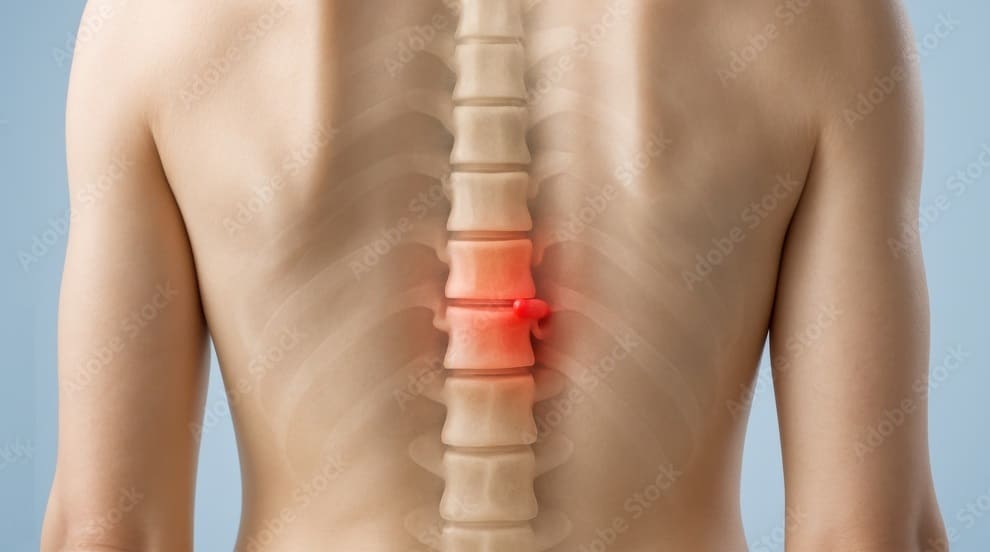
Thoracic back pain might not get as much attention as neck or lower back pain, but anyone who’s experienced it knows—it can stop you in your tracks just the same. Sitting right in the middle of your spine, the thoracic region works quietly every day, supporting your posture, protecting vital organs, and helping you twist, turn, breathe, and move. So when pain strikes here—between the shoulders, behind the ribs, or across the mid-back—it can feel confusing, frustrating, and even a little worrying.
The good news? Most thoracic back pain is manageable when you understand what’s causing it and take the right steps to treat it. From simple posture fixes and home remedies to targeted exercises and clinical treatments, there are plenty of ways to relieve pain, restore movement, and prevent it from coming back. In this guide, we’ll walk through the causes, symptoms, treatment options, exercises, and natural remedies for thoracic back pain.
What is Thoracic Back Pain?
Thoracic back pain is discomfort or pain that appears in the middle segment of the spine, called the thoracic region. This section consists of 12 vertebrae (T1 to T12), starting from the base of your neck and extending to just above your lower back. Unlike the flexible neck and lumbar spine, the thoracic spine is more rigid because it supports the rib cage and protects vital organs like the heart and lungs.
Because this area is built for stability rather than movement, pain here often stems from poor posture, muscle strain, injuries, stress, or inflammation, rather than the wear-and-tear spinal issues commonly seen in the lower back.
People describe thoracic pain in various ways:
- A dull ache between the shoulder blades
- Tightness or stiffness when sitting for long periods
- Burning or sharp pain when taking deep breaths
- Pain that mimics heart or lung discomfort
- A feeling of stiffness when waking up
Unlike lower back pain that often comes from bending or lifting, thoracic back pain is mostly posture and muscle related—but not always. Sometimes it can signal something deeper and should never be ignored.
Causes of Thoracic Back Pain
There’s rarely one single cause for thoracic pain. It’s usually a combination of lifestyle, posture, injury, or underlying medical conditions.
1. Poor Posture
This is the modern world’s biggest contributor. Hours spent on phones, laptops, or desks force the upper back into a rounded position, causing muscle overload and spinal stress.
2. Muscle Strain
Heavy lifting, sudden twisting motions, intense workouts, or even sleeping in a bad position can strain thoracic muscles.
3. Sedentary Lifestyle
Limited movement leads to weakened back muscles, stiffness, and increased pain vulnerability.
4. Stress & Tension
Emotional stress makes muscles tighten instinctively, especially around the shoulders and upper back.
5. Trauma or Injury
Accidents, falls, sports injuries, or sudden jerks can impact the thoracic region.
6. Spinal Disc Problems
Although less common in this region, herniated or bulging discs can still cause pain, numbness, or nerve irritation.
7. Compression Fractures
Particularly common in older adults or those with osteoporosis.
8. Scoliosis & Poor Spinal Alignment
Abnormal curvature adds pressure on specific vertebrae and muscles.
9. Arthritis
Inflammation and joint stiffness can impact motion and cause persistent pain.
10. Infections or Tumors (rare but serious)
Conditions like spinal infections or tumors can also lead to thoracic pain.
Symptoms of Thoracic Back Pain
Thoracic pain isn’t always straightforward. Symptoms vary based on cause and severity. Common signs include:
- Aching or stiffness in the middle back
- Sharp or burning pain between shoulder blades
- Pain when twisting, coughing, or breathing deeply
- Muscle tightness or spasms
- Reduced range of movement in the upper body
- Radiating pain to ribs, chest, or abdomen
- Tenderness when touched
- Fatigue due to chronic discomfort
- Tingling or numbness in severe nerve-related cases
Since the thoracic region is close to the heart and lungs, people sometimes mistake the pain for cardiac or breathing problems. If you’re unsure, it’s always safer to get it checked.
Risk Factors for Thoracic Back Pain
Certain habits, conditions, and lifestyle choices make thoracic pain more likely:
- Long hours of sitting (students, drivers, desk workers)
- Poor posture and slouching
- Weak core and back muscles
- Stress and anxiety
- Heavy physical labor
- Lack of stretching or flexibility
- Smoking (reduces blood flow to spinal tissues)
- Obesity (adds spinal pressure)
- Aging and bone degeneration
- History of injuries
How is Thoracic Back Pain Diagnosed?
Diagnosis begins with a proper medical evaluation, including:
1. Physical Examination
Checking posture, range of motion, tenderness, and mobility.
2. Medical History Review
Past injuries, lifestyle habits, and symptom patterns help determine the cause.
3. Imaging Tests
- X-rays – For fractures or bone abnormalities
- MRI – Checks spinal discs and nerves
- CT scans – Detailed cross-section images
- Bone scans – Detect infections, tumors, or fractures
4. Nerve Studies
Electromyography (EMG) if nerve involvement is suspected.
5. Blood Tests
If infection or inflammation is a possibility.
Treatments for Thoracic Back Pain
Treatment focuses on pain relief, mobility restoration, and preventing recurrence.
1. Physical Therapy
Therapists use targeted exercises, posture training, and manual therapy to reduce pain and strengthen muscles.
2. Pain Medications
Anti-inflammatory drugs, muscle relaxants, or pain relievers under doctor supervision.
3. Hot & Cold Therapy
Heat increases blood flow and loosens muscles, cold reduces inflammation.
4. Massage Therapy
Relieves muscle tension, improves circulation, encourages relaxation.
5. Chiropractic Adjustments
Spinal alignment techniques to reduce pressure and improve movement.
6. Acupuncture
Stimulates nerve functions and releases tension points.
7. Steroid Injections
For severe inflammation or nerve irritation.
8. Surgery (Rare)
Only needed in severe cases involving fractures, tumors, or spinal cord compression.
9. Postural Training
Learning correct sitting, standing, and movement habits.
10. Cognitive Behavioral Therapy (for chronic pain)
Addresses emotional stress and pain perception.
15 Proven Home Remedies for Thoracic Back Pain
1. Warm Compress
Loosens tight muscles, improves circulation, provides soothing relief.
2. Ice Pack
Ideal during initial pain or injury, reduces swelling and numbs sharp discomfort.
3. Epsom Salt Bath
Magnesium relaxes muscles, reduces inflammation, improves sleep.
4. Ginger Tea
Natural anti-inflammatory that reduces pain from within.
5. Turmeric Milk
Curcumin fights inflammation and supports tissue healing.
6. Gentle Stretching
Releases muscle tightness and boosts flexibility safely.
7. Posture Correction
Simple self-awareness—straighten your spine, pull shoulders back.
8. Sleep Position Support
Use pillows to support the spine and prevent strain.
9. Avoid Prolonged Sitting
Stand up every 30 minutes, stretch, realign posture.
10. Heat Rubs or Balms
Provide localized relief and relax sore muscles.
11. Hydration
Disc health relies on hydration—drink enough water daily.
12. Omega-3 Rich Foods
Fish, walnuts, and seeds help reduce inflammation.
13. Mild Yoga
Gentle poses improve mobility without pressure.
14. Self-Massage Using Tennis Ball
Great for trigger points between shoulder blades.
15. Adequate Rest
Pain needs recovery time—don’t push through severe discomfort.
10 Best Exercises for Thoracic Back Pain
1. Cat-Cow Stretch
Improves spinal flexibility, releases stiffness.
2. Child’s Pose
Decompresses the spine and relaxes back muscles.
3. Cobra Pose
Strengthens spine, opens chest, reduces tension.
4. Seated Spinal Twist
Relieves spinal stiffness and improves mobility.
5. Bridge Pose
Activates core and lower back, supporting thoracic alignment.
6. Thread the Needle
Targets upper and middle back muscles directly.
7. Shoulder Blade Squeezes
Counters slouching and strengthens posture muscles.
8. Foam Rolling on Upper Back
Releases muscle knots and increases blood flow.
9. Wall Angels
Corrects posture, opens chest, builds upper back stability.
10. Doorway Chest Stretch
Relieves tight chest muscles that pull the back forward.
Tips for Exercising with Thoracic Back Pain
- Warm up first
- Stop if pain becomes sharp
- Move slowly, avoid jerky motions
- Breathe deeply during stretches
- Maintain correct form over speed
- Stay hydrated
- Be consistent but gentle
Exercises to Avoid
- Heavy deadlifts during pain flare-ups
- Crunches that strain upper spine
- High-impact sports without proper form
- Deep backbends if painful
- Fast twisting movements
- Sudden jerky stretching
How to Prevent Thoracic Back Pain?
- Maintain good posture
- Strengthen core and back
- Take breaks from sitting
- Use ergonomic furniture
- Avoid carrying heavy bags on one shoulder
- Sleep on a supportive mattress
- Stay physically active
Complications of Untreated Thoracic Back Pain
Ignoring pain can lead to:
- Chronic discomfort
- Reduced mobility
- Nerve damage in severe cases
- Poor posture becoming permanent
- Reduced lung expansion from stiffness
- Sleep disturbances
- Emotional stress or depression due to ongoing pain
Lifestyle Changes to Reduce Thoracic Back Pain
- Manage stress with relaxation practices
- Stay active daily
- Improve workstation setup
- Stretch every morning and evening
- Maintain a healthy weight
- Practice mindfulness to reduce tension buildup
- Quit smoking to improve tissue health
What Sleeping Position is Best for Thoracic Back Pain?
Here are practical, easy-to-follow tips on how to sleep with thoracic back pain:
1. Sleep on your back:
This is the most supportive position. Place a small pillow under your knees and a thin one under your head to keep your spine neutral and reduce pressure on your middle back.
2. Sleep on your side:
Keep a pillow between your knees and hug another pillow close to your chest to prevent twisting of the thoracic spine. This helps reduce strain on the upper and mid-back.
3. Avoid sleeping on your stomach:
Stomach sleeping forces your neck and mid-back to twist, increasing tension and worsening pain. If unavoidable, place a thin pillow under your hips to reduce spine pressure.
Extra Tips for Better Sleep with Thoracic Pain:
- Use a supportive mattress – Medium-firm is usually best to support spinal alignment.
- Keep pillows minimal but strategic – Thick or high pillows can push the spine out of alignment.
- Try a rolled towel under the upper back – Lying on a small towel roll between the shoulder blades for 5–10 minutes before sleep can release tension.
- Apply heat before bed – A warm compress or heating pad relaxes stiff muscles and improves sleep comfort.
- Do gentle stretches before sleeping – Light spinal twists, child’s pose, or shoulder blade squeezes reduce stiffness.
- Don’t twist while getting in or out of bed – Roll onto your side first, then push up with your hands to avoid strain.
When to See a Doctor?
Seek immediate help if you experience:
- Sudden intense pain after injury
- Pain spreading to chest, arms, or abdomen
- Difficulty breathing
- Numbness or weakness
- Loss of bladder or bowel control
- Unexplained weight loss with back pain
- Fever with back pain (possible infection)
Final Thoughts
Thoracic back pain may sit in the middle of your body, but it shouldn’t be in the middle of your worries. Most cases respond beautifully to lifestyle changes, posture correction, strengthening, and self-care. The key is listening to your body early, acting gently, and staying consistent.
FAQ’s
What does thoracic back pain feel like?
Thoracic back pain usually feels like a dull ache, stiffness, or a sharp burning pain in the middle or upper back, often between the shoulder blades. It can worsen when twisting, breathing deeply, or sitting too long. Some people also feel tightness, muscle knots, or pain that wraps around the ribs.
How long does thoracic back pain last?
It depends on the cause. Mild pain from poor posture or muscle strain can improve within a few days to 2 weeks with rest and care. However, pain caused by spinal issues, injuries, or chronic conditions may last weeks or months and may require medical treatment or therapy.
Can thoracic back pain be serious?
Most cases are not serious and are linked to posture or muscle tension. However, it can be serious if it’s caused by a fracture, infection, nerve damage, or heart or lung-related issues. Immediate care is needed if pain is paired with breathing trouble, chest pain, weakness, or numbness.
Is walking good for thoracic back pain?
Yes, gentle walking helps improve blood circulation, reduce stiffness, and keep muscles active without straining the spine. It is one of the safest natural ways to ease thoracic back pain if done at a comfortable pace.
Can stress cause thoracic back pain?
Absolutely. Stress leads to muscle tension, especially around the shoulders, neck, and upper back. Over time, this tension can trigger pain, tightness, and stiffness in the thoracic region.
Does thoracic back pain go away on its own?
In many cases, yes—especially if it’s caused by posture, minor strain, or tension. With lifestyle changes, stretching, and posture correction, the pain can resolve naturally. But persistent pain should be evaluated by a doctor.
Can dehydration cause back pain?
Yes. Spinal discs need water to stay flexible and cushioned. Lack of hydration can reduce disc health, increase stiffness, and trigger or worsen back pain.
Can thoracic back pain affect breathing?
Yes, sometimes. Since the thoracic spine connects to the ribcage, inflammation or muscle tightness can make deep breathing uncomfortable or cause sharp pain when inhaling.
What is a red flag for thoracic back pain?
Red flags include severe pain that doesn’t improve with rest, fever, unexplained weight loss, numbness, weakness, or loss of bladder/bowel control. Chest pain, breathing difficulty, or pain caused by a fall or accident also require urgent medical attention.
What does thoracic back pain indicate?
It may indicate muscle strain, poor posture, pinched nerves, injury, or inflammation in the spine. In rare cases, it can signal infection, fractures, or issues involving the heart, lungs, or spinal tumors.
What cancers cause thoracic back pain?
Cancers such as lung cancer, breast cancer, lymphoma, kidney cancer, and cancers that spread to the spine (metastatic cancer) can cause thoracic pain. The pain is often persistent, worsening at night, and not relieved by rest.
What is the rule of 3 for the thoracic spine?
The rule of 3 helps locate spinal levels: T1–T3 spinous processes line up with their own vertebra, T4–T6 align 1 level down, T7–T9 align 2 levels down, and T10–T12 align 3 levels down. It’s often used by clinicians to identify thoracic vertebral positions during exams or procedures.
What organs are affected by the thoracic spine?
The thoracic spine is connected to nerves that influence the heart, lungs, stomach, liver, and rib cage function. Issues in this region can sometimes cause referred pain or discomfort in these areas.
How to adjust the thoracic spine by yourself?
You can gently adjust your thoracic spine with foam rolling, seated spinal twists, cat-cow stretches, or lying on a rolled towel between your shoulder blades. Movements should be slow and pain-free, and forceful self-cracking should always be avoided.
Also Read: