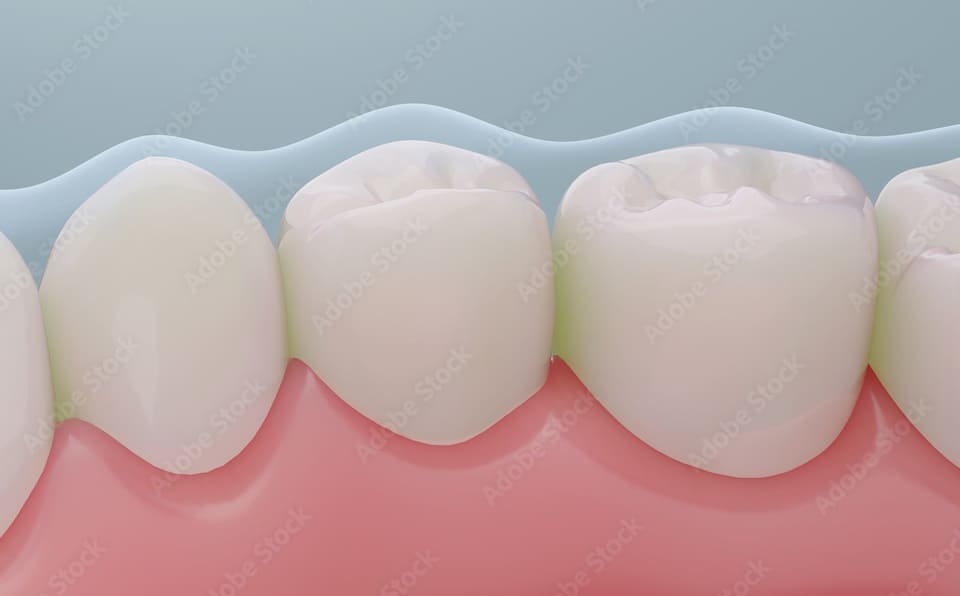
When you flash a smile, the first thing people usually notice is your teeth. But beneath that beautiful smile lies a fascinating natural armor — tooth enamel, the hardest substance in the human body. It’s what keeps your teeth strong, protects them from damage, and helps you enjoy your favorite foods without pain.
Yet, many of us don’t realize how delicate this powerful layer really is. Once enamel wears away, it doesn’t grow back. That’s why understanding what it is, how it works, and how to care for it is essential for lifelong dental health. In this guide, we’ll explore everything about tooth enamel — its structure, functions, causes of damage, ways to protect it, and much more.
What is Tooth Enamel?
Tooth enamel is the outermost layer of your teeth, serving as a hard, protective shell. It covers the crown — the visible part of the tooth — and shields the inner, more sensitive layers (like dentin and pulp) from acids, bacteria, and physical wear.
Even though it’s only a few millimeters thick, enamel is incredibly strong, made up of around 96% minerals, primarily hydroxyapatite (a crystalline form of calcium phosphate). The rest is water and organic material that help maintain its structure.
However, despite its strength, enamel is not living tissue. This means it cannot heal itself if it gets eroded or chipped — a reason why maintaining it through proper care is so crucial.
Structure and Composition of Tooth Enamel
Tooth enamel may appear smooth and white, but under a microscope, it looks like a complex network of tightly packed mineral crystals. Here’s what makes up this natural armor:
| Component | Percentage | Function |
|---|---|---|
| Hydroxyapatite (Calcium Phosphate Crystals) | ~96% | Provides hardness and durability |
| Water | ~3% | Helps in transferring minerals and ions |
| Organic Material | ~1% | Maintains structural integrity |
These components work together to resist the constant wear from chewing, biting, and exposure to acidic foods. However, enamel isn’t invincible — over time, poor dental hygiene, diet, and other factors can weaken it.
The Role of Tooth Enamel
You might think of enamel as just the “hard stuff” on your teeth, but it actually plays several key roles in maintaining oral health and comfort:
- Protection Against Decay: Enamel acts as the first line of defense against cavities caused by bacteria and acid attacks.
- Prevention of Sensitivity: It insulates the inner layers of the tooth from temperature changes and chemicals.
- Maintaining Tooth Structure: Enamel helps your teeth stay strong and maintain their shape, ensuring proper chewing and speech.
- Aesthetic Function: Enamel gives teeth their natural white shine and brightness, contributing to an attractive smile.
- Barrier Against Erosion: It protects teeth from the wear and tear of daily life — from biting into crunchy apples to sipping coffee.
Without healthy enamel, your teeth would be vulnerable to damage, pain, and discoloration.
What Causes Tooth Enamel to Erode?
Even though enamel is tough, it’s not immune to damage. Over time, various factors can lead to enamel erosion — a process where the surface layer of your teeth wears away. Here are the most common causes:
1. Acidic Foods and Drinks
Consuming acidic items such as citrus fruits, sodas, and vinegar-based dressings can weaken enamel. The acids gradually dissolve the mineral structure, making the teeth more vulnerable.
2. Poor Oral Hygiene
Inadequate brushing and flossing allow plaque to build up. The bacteria in plaque produce acids that eat away at enamel.
3. Brushing Too Hard
Ironically, brushing with excessive pressure or using hard-bristled toothbrushes can wear down enamel mechanically.
4. Teeth Grinding (Bruxism)
Grinding or clenching your teeth, especially during sleep, can cause physical wear and tear on the enamel over time.
5. Dry Mouth (Xerostomia)
Saliva helps neutralize acids in the mouth. A lack of saliva means more acid exposure and greater risk of erosion.
6. Frequent Snacking
Constant snacking — especially on sugary foods — keeps your mouth acidic for longer periods, leading to enamel breakdown.
7. Medical Conditions
Certain conditions like acid reflux (GERD) or bulimia can expose teeth to stomach acid, severely damaging enamel.
8. Environmental Factors
Exposure to chlorine in swimming pools or environmental pollutants can also contribute to enamel weakening.
Signs and Symptoms of Enamel Erosion
Enamel erosion doesn’t happen overnight. It’s a gradual process, and the signs can be subtle at first. Watch out for these symptoms:
- Tooth Sensitivity: Increased sensitivity to hot, cold, or sweet foods may indicate thinning enamel.
- Discoloration: As enamel wears away, the underlying dentin becomes visible, giving teeth a yellowish tint.
- Rough or Uneven Edges: Teeth may start feeling rough or irregular to the touch.
- Transparency at the Edges: The tips of front teeth might appear translucent or glassy.
- Cupping or Indentations: Small dents can form on the chewing surfaces of teeth.
- Increased Cavities: Thinner enamel means less protection from decay-causing bacteria.
If you notice any of these signs, it’s best to visit your dentist before the problem worsens.
How to Strengthen and Protect Tooth Enamel?
Once enamel is gone, it cannot grow back — but the good news is, you can strengthen the remaining enamel and prevent further erosion through good habits and care. Here’s how:
1. Practice Gentle Brushing
Brush your teeth twice a day using a soft-bristled toothbrush and fluoride toothpaste. Avoid brushing immediately after eating acidic foods — wait at least 30 minutes.
2. Use Fluoride Toothpaste or Mouthwash
Fluoride helps remineralize enamel and makes it more resistant to acid attacks. Look for toothpaste approved by dental associations.
3. Limit Acidic and Sugary Foods
Cut down on sodas, candies, citrus juices, and vinegar-based foods. If you consume them, rinse your mouth with water afterward.
4. Stay Hydrated
Drink plenty of water throughout the day to maintain saliva flow, which naturally protects enamel.
5. Eat Enamel-Friendly Foods
Include foods rich in calcium, phosphorus, and vitamin D, such as milk, cheese, yogurt, eggs, and leafy greens.
6. Avoid Grinding Your Teeth
If you grind your teeth during sleep, consult your dentist for a night guard to protect your enamel.
7. Avoid Overuse of Whitening Products
While whitening strips and pastes can brighten your teeth, excessive use may weaken enamel. Use them under dental guidance.
8. Chew Sugar-Free Gum
Gum with xylitol helps increase saliva flow, which neutralizes acids and strengthens enamel.
9. Rinse After Meals
A quick rinse with water after eating can help wash away leftover acids and sugars.
10. Regular Dental Checkups
Routine dental visits (at least twice a year) can catch early signs of enamel erosion before it leads to major issues.
Natural Ways to Support Enamel Health
In addition to dental care products, some natural remedies and habits can also help keep your enamel strong:
- Oil Pulling: Swishing coconut or sesame oil in your mouth may help reduce bacteria and maintain oral balance.
- Green Tea: Rich in antioxidants, it can fight harmful bacteria and strengthen enamel naturally.
- Calcium-Rich Diet: Foods like almonds, tofu, and dairy products can help maintain strong teeth.
- Avoid Constant Snacking: Give your saliva time to neutralize acids between meals.
- Consume Water with the Right pH: Neutral or slightly alkaline water helps maintain the natural pH balance of your mouth.
Can Tooth Enamel Be Restored?
Here’s the truth — tooth enamel cannot regenerate once it’s lost because it lacks living cells. However, enamel can be remineralized to some extent. This means that weakened areas can regain minerals and strengthen before turning into cavities.
Remineralization Treatments Include:
- Fluoride Varnish or Gel: Strengthens weakened enamel and prevents further decay.
- Calcium Phosphate Products: Help restore mineral balance in enamel.
- Nano-Hydroxyapatite Toothpaste: A modern alternative to fluoride that mimics natural enamel.
- Dietary Adjustments: Ensuring adequate calcium and vitamin D intake promotes stronger teeth.
If the damage is severe, dentists may recommend treatments such as bonding, veneers, or crowns to protect the affected tooth.
Tooth Enamel and Whitening Treatments
Many people want whiter teeth, but it’s important to remember that enamel plays a big role in tooth color. The whiter and thicker your enamel, the brighter your teeth look.
However, overusing whitening treatments can lead to enamel thinning, increased sensitivity, and uneven color. If you’re considering whitening, consult your dentist for safe, enamel-friendly options such as:
- Professional Whitening Treatments
- Enamel-safe Whitening Toothpastes
- Whitening Gels with Controlled Concentrations
Always prioritize enamel protection over extreme whitening.
How Age Affects Tooth Enamel
As we age, enamel naturally wears down due to decades of chewing, brushing, and exposure to acids. Older adults may notice their teeth becoming more yellow or sensitive — both signs of enamel thinning.
While you can’t stop aging, you can slow down enamel wear by maintaining good oral hygiene, using fluoride, and avoiding abrasive toothpaste. Regular dental cleanings also help remove plaque that accelerates erosion.
The Link Between Tooth Enamel and Overall Health
Tooth enamel doesn’t just affect your smile — it impacts your entire well-being. Weak enamel and tooth decay can lead to pain, infections, and difficulty eating, which may affect nutrition and self-confidence.
Moreover, poor oral health has been linked to systemic conditions like heart disease, diabetes, and respiratory infections. Keeping your enamel healthy helps maintain both oral and overall health.
Interesting Facts About Tooth Enamel
- Enamel is harder than steel, but more brittle.
- It is semi-translucent, meaning the color of dentin underneath affects your tooth shade.
- Once enamel is lost, it’s gone forever — it cannot regenerate.
- Enamel begins forming before your teeth even erupt.
- Every sip of soda or juice lowers your mouth’s pH for up to 20 minutes.
- Saliva is your enamel’s best natural defense against acid.
- Tooth enamel contains no living cells.
- People with acid reflux often suffer more enamel erosion than others.
- A balanced diet is as important for enamel as it is for bones.
- Enamel thickness varies — molars have the thickest enamel, while front teeth have thinner layers.
Tips for Lifelong Enamel Protection
- Brush gently with fluoride toothpaste.
- Avoid sugary and acidic foods as much as possible.
- Rinse your mouth after eating or drinking.
- Use a straw for acidic drinks.
- Keep hydrated to maintain saliva flow.
- Visit your dentist twice a year.
- Avoid grinding or clenching your teeth.
- Choose enamel-safe whitening products.
- Include calcium-rich foods in your diet.
- Never ignore sensitivity — it could signal enamel loss.
What to Expect from Natural Enamel Restoration
Natural methods won’t regrow lost enamel, but they can rebuild weakened areas and prevent further erosion. Over time, you may notice:
- Reduced tooth sensitivity
- Whiter, shinier teeth
- Stronger enamel surface
- Better overall oral comfort
Consistency is key — your enamel’s strength improves gradually with daily care.
When to See a Dentist
If your enamel erosion has advanced — causing severe sensitivity, visible yellowing, or tooth wear — professional treatment may be necessary. Your dentist might recommend:
- Fluoride varnish or gel treatments
- Dental bonding to cover exposed areas
- Crowns or veneers for protection and aesthetics
Regular dental checkups ensure that any enamel damage is detected early and managed effectively.
Conclusion
Tooth enamel might seem small in structure, but its role in maintaining your oral health is massive. It’s the silent protector that helps you bite, chew, and smile confidently every single day.
The key takeaway? Prevention is better than cure. Once enamel wears away, it doesn’t come back — so treating your teeth with care today ensures they stay strong for a lifetime. By brushing gently, eating wisely, staying hydrated, and visiting your dentist regularly, you can preserve the integrity of your enamel and keep your smile bright and healthy for years to come.
FAQ’s
Can tooth enamel grow back?
No, tooth enamel cannot grow back once it’s lost because it doesn’t contain living cells. However, you can remineralize and strengthen weakened enamel through fluoride treatments and proper care.
What foods are good for tooth enamel?
Foods rich in calcium, phosphorus, and vitamin D — such as dairy products, leafy greens, almonds, and eggs — are great for enamel health.
How can I tell if my enamel is wearing away?
Common signs include tooth sensitivity, yellowing, rough edges, and visible transparency at the tooth tips.
Does brushing too hard damage enamel?
Yes. Brushing aggressively with a hard-bristled toothbrush can erode enamel and cause gum recession.
How can I restore my enamel naturally?
You can’t regrow enamel, but you can protect and remineralize it by using fluoride toothpaste, maintaining a healthy diet, and avoiding acidic foods.
Can whitening toothpaste damage enamel?
Some whitening toothpastes contain abrasives that can wear down enamel over time. Use enamel-safe products or consult your dentist before whitening.
What is the best toothpaste for enamel repair?
Fluoride or nano-hydroxyapatite toothpastes are ideal for strengthening and protecting enamel.
Can enamel erosion cause tooth sensitivity?
Yes. As enamel thins, the underlying dentin becomes exposed, leading to increased sensitivity to temperature and sweet foods.
Is enamel erosion reversible?
No, but it can be managed and prevented from worsening through remineralization and proper dental care.
How can I prevent enamel loss in the future?
Avoid acidic foods, maintain good oral hygiene, stay hydrated, use fluoride toothpaste, and visit your dentist regularly.
Also Read: