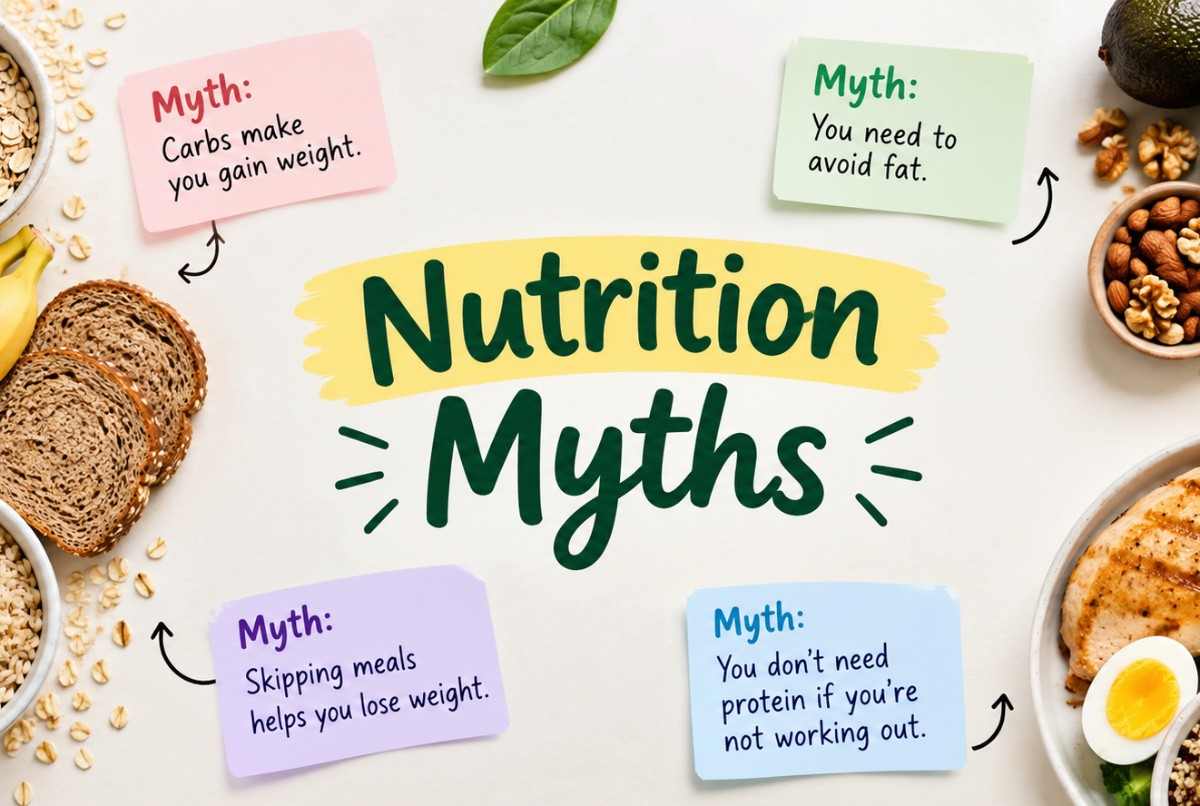
Nutrition myths is everywhere. From social media videos claiming that certain foods burn belly fat to diet plans that label carbohydrates as unhealthy, it can be difficult to know what to believe. One person may recommend avoiding dairy, while another insists that drinking lemon water every morning can detoxify the body.
The problem is that nutrition advice is often simplified, exaggerated, or shared without reliable scientific evidence. Some popular beliefs contain a little truth, but others can lead to unnecessary food restrictions, nutritional deficiencies, or unrealistic expectations about weight loss.
Understanding common nutrition myths can help you make informed food choices without feeling guilty about every meal. A healthy diet does not have to be complicated, expensive, or based on eliminating entire food groups.
In this guide, we explore 15 common nutrition myths, explain what scientific evidence tells us, and share practical ways to develop healthier eating habits.
What Are Nutrition Myths?
Nutrition myths are beliefs about food, nutrients, diets, or eating habits that are unsupported, misleading, or contradicted by the best available scientific evidence. They often spread through social media, celebrity endorsements, advertisements, and personal experiences presented as universal facts.
For example, believing that all carbohydrates cause weight gain or that detox drinks remove toxins from the body can create confusion about healthy eating.
Nutrition information should be evaluated using the overall body of scientific evidence rather than relying on sensational headlines or a single study.
The key is to understand that nutrition depends on the overall quality of your diet, portion sizes, individual health needs, and eating patterns over time.
15 Popular Nutrition Myths That Can Mislead Your Diet
These explanations distinguish popular claims from evidence-based nutrition guidance. Individual needs can vary depending on age, health conditions, activity level, and other factors.
1. Myth: Carbohydrates Are Always Bad for You
Fact: Carbohydrates are an important source of energy, and not all carbohydrate-rich foods are unhealthy.
Carbohydrates are found in fruits, vegetables, whole grains, beans, milk, sweets, and many other foods. The nutritional value of these foods differs considerably.
Whole grains, beans, lentils, and fruits provide carbohydrates along with fiber, vitamins, minerals, and other beneficial compounds. On the other hand, frequently consuming large amounts of sugary drinks and sweets can make it harder to maintain a balanced diet.
You do not need to eliminate carbohydrates to eat healthily or manage your weight. Instead, choose nutrient-rich sources more often and pay attention to portion sizes.
2. Myth: Eating Fat Makes You Fat
Fact: Dietary fat is essential for health, and eating fat does not automatically cause weight gain.
Your body needs fat to absorb vitamins A, D, E, and K, support cell function, and provide essential fatty acids. Foods such as nuts, seeds, avocados, and olive oil can contribute beneficial unsaturated fats to your diet.
However, fat contains more calories per gram than protein or carbohydrates. Consuming more calories than your body uses over time can contribute to weight gain, regardless of whether those calories come from fat, carbohydrates, or protein.
Rather than avoiding all fats, focus on the types of fat you eat, your overall diet, and appropriate portions.
3. Myth: Skipping Meals Is the Best Way to Lose Weight
Fact: Skipping meals is not necessary for weight loss and may not work well for everyone.
Some people who skip meals experience increased hunger later in the day, making it harder to manage portions. Others may feel tired, distracted, or less energetic when they go too long without eating.
Weight management depends on several factors, including total energy intake, physical activity, sleep, medications, and individual health circumstances.
Eating regular, balanced meals can help some people manage hunger and maintain consistent energy levels. However, meal timing is personal, and there is no single schedule that works for everyone.
If skipping meals leads to overeating or leaves you feeling unwell, a more consistent eating routine may be helpful.
4. Myth: Detox Diets and Drinks Remove Toxins From Your Body
Fact: Your body already has systems that process and eliminate waste products.
The liver, kidneys, lungs, and digestive system perform important functions that help the body process substances and remove waste. There is little convincing evidence that commercial detox teas, juice cleanses, or restrictive detox diets remove toxins more effectively than these normal processes.
Some detox products may cause diarrhea, dehydration, or electrolyte imbalances, particularly when used excessively. Restrictive cleanses can also make it difficult to obtain enough protein, fiber, vitamins, and minerals.
You can support normal body functions by drinking enough fluids, eating a variety of nutritious foods, limiting excessive alcohol intake, and following appropriate medical advice.
5. Myth: All Calories Are Exactly the Same for Health
Fact: Calories measure energy, but foods with the same calorie content can provide very different nutrients.
For example, a snack made with nuts and fruit may supply fiber, healthy fats, and several vitamins and minerals. A sugary snack with a similar calorie count may provide less fiber and fewer essential nutrients.
Calories still matter for energy balance and weight management. However, the quality of your diet also influences fullness, digestive health, blood sugar regulation, and overall nutrient intake.
Instead of focusing exclusively on calorie numbers, consider both how much energy you consume and the nutritional value of the foods you choose.
6. Myth: Eating After 8 PM Automatically Causes Weight Gain
Fact: There is no universal rule that eating after 8 PM causes weight gain.
Your body does not suddenly stop processing food at a particular hour. Weight changes are influenced by overall energy intake, activity, sleep, and other biological and lifestyle factors.
However, late-night eating can contribute to excess calorie intake if it involves frequent, unplanned snacking or large meals in addition to your usual food intake. Eating heavily right before bed may also worsen acid reflux or discomfort in some people.
If you feel hungry in the evening, a balanced snack can fit into a healthy eating pattern. Choose a meal schedule that suits your routine, appetite, and medical needs.
7. Myth: Gluten-Free Foods Are Always Healthier
Fact: Gluten-free foods are essential for some people, but they are not automatically healthier for everyone.
Gluten is a protein found in wheat, barley, and rye. People with celiac disease must avoid gluten to prevent intestinal damage. Some individuals with other diagnosed conditions may also need to limit it under professional guidance.
However, gluten-free cookies, cakes, and packaged snacks can still contain substantial amounts of sugar, fat, and calories. Some gluten-free products may also contain less fiber or fewer nutrients than their whole-grain alternatives.
If you do not have a medical reason to avoid gluten, there is generally no need to eliminate it simply to improve your health or lose weight.
8. Myth: Fresh Fruits and Vegetables Are Always Better Than Frozen Ones
Fact: Both fresh and frozen fruits and vegetables can be nutritious choices.
Frozen produce is often frozen soon after harvesting, helping preserve many of its nutrients. Fresh produce can also be highly nutritious, particularly when it is stored and handled properly.
The nutritional value depends on factors such as the type of food, how it was processed, storage conditions, and preparation method. For example, frozen vegetables without added sauces can be a convenient option when fresh produce is expensive or unavailable.
Canned fruits and vegetables can also fit into a healthy diet. Look for fruit packed in water or its own juice and vegetables with little or no added sodium when possible.
The best choice is often the one that is affordable, accessible, and easy for you to eat regularly.
9. Myth: You Must Drink Eight Glasses of Water Every Day
Fact: Eight glasses is a general guideline, not a universal requirement.
Your fluid needs depend on factors such as age, body size, physical activity, climate, pregnancy, breastfeeding, and health conditions. People who exercise heavily or spend time in hot weather may need more fluids.
Water is an excellent way to stay hydrated, but other beverages and the water naturally present in foods also contribute to your total fluid intake.
Rather than forcing yourself to follow one fixed number, pay attention to thirst, your usual activity level, and signs of dehydration. People with certain kidney or heart conditions may need individualized fluid advice from their healthcare professional.
10. Myth: Natural Sugar Is Always Healthy, While Added Sugar Is Always Harmful
Fact: The source and form of sugar matter, but total dietary patterns matter too.
Whole fruits contain naturally occurring sugars along with fiber, water, vitamins, and other beneficial nutrients. Plain milk also contains naturally occurring lactose, alongside protein and minerals.
Added sugars, such as those in soft drinks, candy, and many sweetened packaged foods, provide calories but often contribute few essential nutrients.
This does not mean that every food containing added sugar must be completely avoided. Instead, limit excessive added sugar while making nutrient-rich foods your everyday choices.
Fruit juice and honey also deserve attention: although they may seem more natural than table sugar, they are not nutritionally identical to eating whole fruit and should not be treated as unlimited sources of sweetness.
11. Myth: Eating More Protein Always Builds More Muscle
Fact: Protein supports muscle growth and repair, but eating more than your body needs does not automatically create bigger muscles.
Your body requires sufficient protein to maintain tissues and support recovery after physical activity. However, muscle development also depends on resistance training, total calorie intake, sleep, and recovery.
Protein can come from eggs, fish, poultry, dairy products, beans, lentils, tofu, nuts, and seeds. A varied diet can help you obtain protein alongside other essential nutrients.
Protein powders and supplements may be convenient for some people, but they are not essential for everyone. People with kidney disease or other medical conditions that affect protein requirements should seek individualized advice before substantially increasing their intake.
12. Myth: Organic Foods Are Always More Nutritious
Fact: Organic foods are not necessarily more nutritious than conventionally grown foods.
Organic and conventional farming use different production practices. However, choosing organic does not guarantee that a food contains more vitamins, minerals, or other nutrients.
A bag of organic chips is still a snack food, while conventionally grown apples, carrots, and beans can provide valuable nutrients.
If buying organic foods fits your preferences and budget, you can include them in your diet. If not, conventional produce remains a useful option.
Washing fruits and vegetables under running water and handling food safely are important practices regardless of whether the produce is organic or conventional.
13. Myth: You Must Completely Avoid Your Favorite Foods to Eat Healthily
Fact: A healthy eating pattern can include occasional treats and favorite foods.
Strict food rules can make eating unnecessarily stressful. For most people, there is room for foods such as pizza, chocolate, desserts, and other personal favorites within an overall balanced diet.
What matters is the broader pattern of eating rather than whether every individual meal is perfect. Regularly choosing a variety of vegetables, fruits, whole grains, protein sources, and other nutrient-rich foods can help support health.
You can also enjoy favorite foods in portions that feel satisfying without treating them as forbidden.
A flexible approach is often easier to maintain over time than a diet built around guilt, restriction, and unrealistic expectations.
14. Myth: Eating Small, Frequent Meals Always Boosts Metabolism
Fact: Eating every two or three hours does not automatically speed up your metabolism or guarantee weight loss.
Your body uses energy to digest and process food. However, the overall effect is influenced largely by the amount and composition of food you eat, rather than simply how often you eat.
Some people prefer smaller, more frequent meals because they help manage hunger or fit their daily schedules. Others feel more comfortable eating three main meals.
Neither approach is universally best. Choose a routine that supports your energy needs, appetite, lifestyle, and any relevant medical recommendations.
If you have diabetes or another condition that requires specific meal timing, follow the guidance of your healthcare professional.
15. Myth: Dietary Supplements Are Necessary for Everyone
Fact: Supplements can help address specific nutritional needs, but not everyone requires them.
Vitamins, minerals, and other supplements may be useful for people with diagnosed deficiencies, certain dietary restrictions, increased nutritional requirements, or medical conditions that affect nutrient absorption.
However, supplements cannot replace the full range of nutrients and other beneficial compounds available from a varied diet. Taking high doses of certain vitamins or minerals can also cause side effects or interact with medications.
For example, people who are pregnant, planning a pregnancy, or following restrictive diets may need particular supplements, depending on their circumstances. These decisions should be guided by appropriate medical advice.
Before starting a supplement, consider whether you need it, whether the dose is appropriate, and whether it could interact with any medication you take.
Why Do Nutrition Myths Spread So Easily?
Nutrition myths often become popular because they offer simple answers to complicated questions. Promises of quick weight loss, effortless detoxification, or a single food that prevents disease can be appealing, especially when people are looking for immediate results.
Several factors contribute to the spread of nutrition misinformation:
- Social media trends: Short videos and attention-grabbing headlines can spread claims without explaining the underlying evidence.
- Personal success stories: One person’s experience with a diet does not establish that it will produce the same results for everyone.
- Marketing and product sales: Some companies promote exaggerated benefits to sell supplements, meal plans, or specialized foods.
- Misunderstood research: A small or preliminary study may be presented as definitive proof when more research is needed.
- Conflicting advice: Different recommendations can leave readers unsure about which sources to trust.
What Does a Balanced Diet Really Look Like?
A balanced diet does not require expensive superfoods, strict food rules, or a complicated meal plan. It means eating a variety of foods that provide the nutrients your body needs.
The World Health Organization identifies adequacy, balance, moderation, and diversity as core principles of healthy eating.
Here are practical ways to put those principles into everyday life:
- Eat a variety of fruits and vegetables: Include different types and colors throughout the week to obtain a broad range of nutrients.
- Choose whole grains more often: Foods such as oats, brown rice, whole-wheat bread, and other whole grains provide fiber and important nutrients.
- Include protein sources: Eat a variety of foods such as beans, lentils, eggs, fish, tofu, poultry, or other suitable protein sources.
- Choose beneficial fats: Include foods such as nuts, seeds, avocados, and plant oils in appropriate portions.
- Limit excessive added sugar and sodium: Check food labels and compare products when shopping.
- Stay adequately hydrated: Drink water regularly and adjust your intake according to your needs.
- Practice flexibility: Make room for cultural foods, favorite meals, and occasional treats without feeling that your diet must be perfect.
These habits are generally more sustainable than following restrictive diets based on unsupported nutrition claims.
FAQ’s
Is eating after 8 PM bad for you?
No, eating after 8 PM does not automatically cause weight gain. Your overall calorie intake, food choices, activity level, and eating habits matter more.
Do carbohydrates cause weight gain?
No, carbohydrates do not automatically cause weight gain. Whole grains, fruits, vegetables, and legumes provide essential nutrients and can be part of a balanced diet.
Are detox drinks effective?
Detox drinks have limited scientific evidence supporting their claims. Your liver and kidneys naturally help process and eliminate waste products.
Is skipping breakfast unhealthy?
Skipping breakfast is not necessarily unhealthy for everyone, but it may affect energy, concentration, and hunger in some people.
Are organic foods always healthier?
No, organic foods are not always more nutritious than conventional foods. Both can contribute to a healthy, balanced diet.
Does eating fat make you fat?
No, dietary fat is essential for health. Weight gain generally occurs when calorie intake consistently exceeds the body’s energy needs.
Are all calories the same?
Calories measure energy, but foods with the same calorie content can differ in fiber, protein, vitamins, minerals, and their effects on fullness.
Do you need supplements for good health?
Not everyone needs supplements. A varied diet can meet many nutritional needs, although supplements may be beneficial for certain deficiencies or medical conditions.
Is a gluten-free diet healthier?
A gluten-free diet is necessary for people with celiac disease, but it offers no established general health advantage for everyone else.
Does drinking more water help you lose weight?
Water supports hydration and may help with weight management when it replaces sugary drinks, but drinking excessive amounts does not automatically cause weight loss.
Can you eat your favorite foods on a healthy diet?
Yes, a balanced diet can include favorite foods and occasional treats while prioritizing nutrient-rich foods most of the time.
Does eating small meals boost metabolism?
Eating small, frequent meals does not automatically increase metabolism or produce greater weight loss than other suitable meal patterns.
Are frozen fruits and vegetables healthy?
Yes, frozen fruits and vegetables can retain many of their nutrients and are convenient alternatives to fresh produce.
How can you identify nutrition misinformation?
Check reliable health organizations, look for scientific references, and be cautious of miracle cures, guaranteed results, and exaggerated claims.
Conclusion
Nutrition myths can make healthy eating seem more complicated than it needs to be. From avoiding entire food groups to spending money on unnecessary supplements, misleading advice can distract you from the habits that matter most.
The truth is that no single food, drink, or diet determines your health. A balanced eating pattern, adequate hydration, regular physical activity, and sustainable lifestyle habits are more useful starting points than chasing every new nutrition trend.
Sources and References:
Disclaimer:
This article is for educational purposes only and does not replace professional medical or nutritional advice. Consult a qualified healthcare professional before making significant dietary changes, particularly if you have a medical condition or take medication.
Also Read: