Vaginal health is an important part of overall well-being, yet it is often surrounded by confusion and embarrassment. One topic that deserves more attention is vaginal pH. If you have ever wondered why vaginal discharge changes, what causes an unusual vaginal odor, or how to maintain a healthy intimate area, understanding vaginal pH can help you make informed decisions about your health.
In this guide, we will explain what vaginal pH means, its normal range, common causes of imbalance, symptoms to watch for, and practical ways to support a healthy vaginal environment.
What Is Vaginal pH?
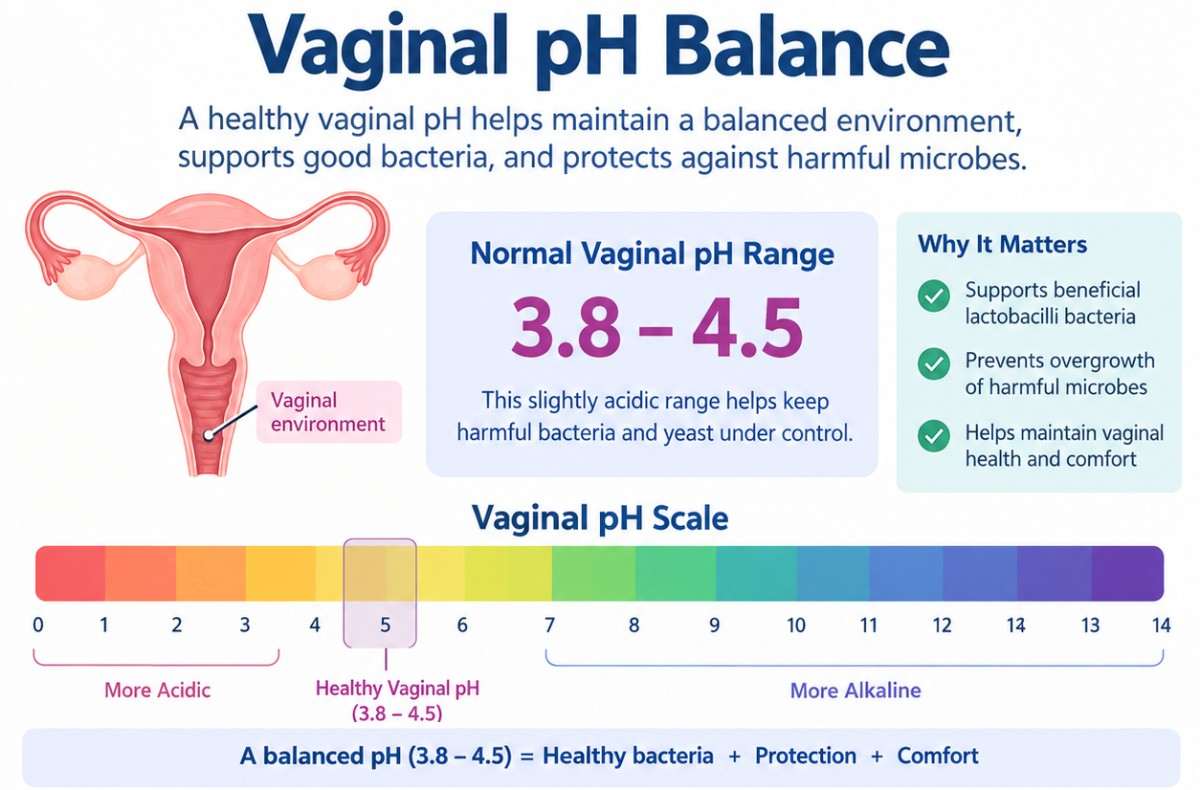
Vaginal pH refers to how acidic or alkaline the inside of the vagina is. The pH scale ranges from 0 to 14. A value below 7 is acidic, 7 is neutral, and a value above 7 is alkaline.
In most reproductive-age adults, the normal vaginal pH is approximately 3.8 to 4.5, which means the vaginal environment is mildly acidic. This acidity plays an important role in supporting healthy vaginal bacteria and limiting the growth of certain harmful microorganisms.
The vagina contains naturally occurring microorganisms, including beneficial bacteria called Lactobacillus. These bacteria help maintain acidity by producing lactic acid. When the vaginal microbial community is balanced, it helps protect the vagina against some infections.
It is important to remember that a healthy vagina does not need to be completely free of bacteria or have no natural odor. Both are normal parts of vaginal health.
What Is the Normal Vaginal pH Range?
The normal vaginal pH range varies depending on age, hormone levels, and other individual factors.
| Life stage or situation | Typical vaginal pH |
|---|---|
| Reproductive years | Approximately 3.8–4.5 |
| During menstruation | May temporarily increase |
| During pregnancy | Often remains acidic, but hormonal and microbial changes can occur |
| After menopause | May rise above 4.5 because estrogen levels decrease |
| After sexual intercourse | May temporarily increase due to alkaline semen |
These are general patterns, not diagnostic rules. Vaginal pH can vary naturally, and one measurement cannot determine whether someone has an infection.
A pH above 4.5 may be associated with bacterial vaginosis or certain other vaginal infections. However, it can also occur for reasons unrelated to infection, including menopause and recent exposure to semen.
Similarly, a normal pH reading does not rule out every vaginal infection. Symptoms and, when needed, clinical testing are important for identifying the actual cause.
Normal vs. Unbalanced Vaginal pH
| Feature | Normal Vaginal pH | Unbalanced Vaginal pH |
|---|---|---|
| pH Level | Usually 3.8–4.5 in reproductive-age adults | Often above 4.5, depending on the cause |
| Vaginal Odor | Mild or no noticeable odor | May have a strong or fishy odor |
| Vaginal Discharge | Usually clear or white | May be thin, gray, yellow, green, or unusually thick |
| Itching | Usually absent | May occur due to infection or irritation |
| Burning Sensation | Usually absent | May occur around the vagina or during urination |
| Vaginal Bacteria | Beneficial bacteria help maintain acidity | The balance of vaginal microorganisms may be disrupted |
| Common Causes | Normal hormonal and microbial balance | Bacterial vaginosis, certain infections, hormonal changes, or irritating products |
| Treatment | Routine gentle external hygiene is generally sufficient | Treatment depends on the underlying cause |
Important: An elevated vaginal pH does not always mean an infection, and a normal pH does not rule out every vaginal condition. If you experience persistent odor, unusual discharge, itching, or burning, consult a healthcare professional for proper evaluation.
Why Is Vaginal pH Important?
Vaginal pH is more than just a number. It reflects one aspect of the natural environment that supports vaginal health.
- Supports beneficial bacteria: A mildly acidic environment helps beneficial Lactobacillus bacteria thrive.
- Helps control harmful microorganisms: Vaginal acidity makes it harder for certain unwanted bacteria to grow excessively.
- Supports the natural vaginal environment: A balanced microbial community contributes to normal vaginal function.
- Provides a useful clinical clue: Measuring vaginal pH can help healthcare professionals assess certain causes of abnormal discharge or irritation.
- Reflects hormonal changes: Changes in estrogen levels can influence vaginal acidity, especially during menopause and other hormonal transitions.
Although pH is important, it is only one part of vaginal health. A healthy pH reading does not guarantee that every aspect of vaginal health is normal.
What Causes Vaginal pH Imbalance?
A vaginal pH imbalance occurs when the vagina becomes less acidic than usual or when its natural microbial balance changes. This can happen for several reasons, and it does not necessarily mean you have poor hygiene.
- Hormonal Changes: Fluctuations in estrogen levels during menopause, breastfeeding, and other hormonal changes can reduce vaginal acidity and affect beneficial bacteria.
- Menstruation: Menstrual blood is less acidic than the normal vaginal environment and can temporarily increase vaginal pH.
- Sexual Activity: Alkaline semen can temporarily raise vaginal pH after intercourse.
- Bacterial Vaginosis: An imbalance in vaginal bacteria can increase vaginal pH and cause symptoms such as fishy odor and unusual discharge.
- Yeast Infections: An overgrowth of Candida fungi can cause itching, burning, and thick discharge, although vaginal pH usually remains within its normal range.
- Douching: Washing inside the vagina with water or other solutions can disrupt the natural balance of vaginal bacteria.
- Scented Hygiene Products: Perfumed soaps, vaginal sprays, and scented washes may irritate sensitive tissues and interfere with the natural vaginal environment.
- Antibiotic Use: Certain antibiotics can reduce beneficial bacteria and contribute to changes in the vaginal microbial balance.
- Sexually Transmitted Infections: Certain infections, including trichomoniasis, can cause abnormal discharge, irritation, and increased vaginal pH.
- Menopause: Lower estrogen levels after menopause can make the vaginal environment less acidic and contribute to dryness and irritation.
- Vaginal Products and Lubricants: Some lubricants, spermicides, and vaginal products may temporarily affect pH or irritate vaginal tissues.
- Underlying Vaginal Conditions: Certain infections and inflammatory conditions can cause changes in vaginal discharge, odor, or comfort that may be mistaken for a pH imbalance.
These causes can overlap, so persistent symptoms should be evaluated rather than attributed to pH imbalance without testing.
What Are the Symptoms of Vaginal pH Imbalance?
A change in vaginal pH does not always cause noticeable symptoms. When symptoms do occur, they may indicate an underlying infection, irritation, or hormonal change.
Common signs to look out for include:
- Unusual vaginal odor: A strong or fishy smell, particularly after sex, can be associated with bacterial vaginosis.
- Changes in vaginal discharge: Discharge may become unusually thin, gray, yellow, green, or clumpy, depending on the underlying cause.
- Vaginal or vulvar itching: Persistent itching can occur with yeast infections, irritation, or other conditions.
- Burning or irritation: A burning sensation around the vaginal opening may result from inflammation, infection, or sensitivity to products.
- Discomfort during sex: Pain or irritation during intercourse may occur with infections, dryness, or other vaginal conditions.
- Burning during urination: This can be associated with vaginal irritation, urinary tract infections, or certain sexually transmitted infections.
Normal vaginal discharge is often clear or white and does not have a strong, unpleasant odor. Its amount and texture can change throughout the menstrual cycle.
Important: Symptoms are not enough to confirm a pH imbalance or identify a particular infection. A healthcare professional can help determine the cause.
How to Check Your Vaginal pH at Home?
Home vaginal pH test kits are available at some pharmacies and online retailers. They generally use a test strip or applicator that changes color according to the acidity of the vaginal fluid.
If you choose to use one, follow the manufacturer’s instructions carefully.
- Read the product instructions before beginning the test.
- Use the supplied applicator or test strip exactly as directed.
- Avoid contaminating the sample with other substances.
- Compare the color with the chart provided with the kit.
- Discuss an abnormal result or persistent symptoms with a healthcare professional.
Vaginal pH tests have limitations. Menstruation, semen, and certain vaginal products can affect the reading. A result above the usual range may suggest a need for further evaluation, but it cannot confirm which infection, if any, is present.
A normal reading also cannot rule out a yeast infection or every other cause of vaginal discomfort. Do not delay medical care because a home test appears normal.
How to Maintain a Healthy Vaginal pH Naturally
You do not need to make your vagina smell like flowers or use special products to keep it healthy. The goal is to support its natural environment rather than repeatedly trying to change it.
1. Clean the External Genital Area Gently:
Wash the vulva, which is the external genital area, with lukewarm water. Avoid putting soap, cleansers, or other products inside the vagina. If you use a cleanser externally, choose a gentle, fragrance-free product and stop using it if irritation develops.
2. Avoid Douching:
Douching involves flushing water or other solutions into the vagina. It can disrupt the natural balance of microorganisms and may increase the risk of problems such as bacterial vaginosis. The vagina cleans itself naturally.
3. Choose Breathable Underwear:
Cotton underwear and breathable clothing may help reduce trapped moisture and friction. Change out of wet swimwear or sweaty clothing when practical, particularly if you are prone to irritation.
4. Use Protection During Sexual Activity:
Condoms can reduce the risk of many sexually transmitted infections and limit exposure to semen, which can temporarily raise vaginal pH. Use a suitable lubricant if friction or dryness is a concern.
5. Change Menstrual Products Regularly:
Follow the instructions for tampons, pads, and menstrual cups. Change or clean them as recommended, and wash your hands before and after handling menstrual products.
6. Take Antibiotics Only as Prescribed:
Use antibiotics according to your healthcare professional’s instructions. Do not stop a prescribed course or take leftover antibiotics to treat suspected vaginal symptoms without medical advice.
7. Eat a Balanced Diet:
Include a variety of vegetables, fruits, whole grains, protein sources, and other nutritious foods. A balanced diet supports general health, although no particular food has been proven to reliably correct vaginal pH.
8. Seek Care for Recurrent Symptoms:
Repeated odor, itching, burning, or unusual discharge deserves medical evaluation. Treating the underlying cause is more effective than repeatedly using products marketed for pH balancing.
These measures can support vaginal health, but they cannot guarantee that infections will never occur.
Foods That Support Overall Vaginal Health
Food cannot directly reset vaginal pH in a predictable way. However, a nutritious diet helps support the immune system and overall health.
Some useful choices include:
- Plain yogurt: Yogurt containing live cultures can be part of a balanced diet, but eating it is not a proven treatment for a vaginal infection.
- Fruits and vegetables: These provide vitamins, minerals, and fiber that support general health.
- Whole grains: Oats, brown rice, and whole-wheat foods provide fiber and other nutrients.
- Protein-rich foods: Beans, lentils, eggs, fish, and other protein sources help meet the body’s nutritional needs.
- Water: Drinking enough water supports normal hydration, although it does not directly balance vaginal pH.
Probiotics are often marketed for vaginal health, but evidence varies by product and condition. They should not replace recommended treatment for bacterial vaginosis, yeast infections, or sexually transmitted infections.
Should You Use Vaginal pH-Balancing Products?
Products marketed for vaginal pH balance include gels, washes, suppositories, and probiotic supplements. Their effectiveness depends on the product and the reason for the symptoms.
If you have no symptoms, you generally do not need a special product to maintain vaginal pH. Some products may cause irritation, and scented washes or douches can disrupt the natural vaginal environment.
If you have an unpleasant odor, unusual discharge, itching, or burning, avoid relying on pH-balancing products to solve the problem. These symptoms can have different causes that require different treatments.
For example, bacterial vaginosis may require prescription antibiotics, while a yeast infection requires appropriate antifungal treatment. Using the wrong treatment may delay recovery.
Speak with a qualified healthcare professional before using vaginal treatments, particularly if you are pregnant, have recurrent symptoms, or are unsure what is causing the problem.
When Should You See a Doctor About Vaginal pH?
Occasional changes in vaginal discharge or odor may be normal, particularly around menstruation or after sex. However, persistent or unusual symptoms should not be ignored.
Consider consulting a gynecologist or other qualified healthcare professional if you experience:
- A strong, fishy, or persistent unpleasant vaginal odor.
- Unusual discharge that changes in color, texture, or amount.
- Persistent itching, burning, redness, or swelling.
- Pain during sexual intercourse or urination.
- Symptoms that return after treatment.
- Possible exposure to a sexually transmitted infection.
Seek prompt medical care if you have fever, significant lower abdominal or pelvic pain, or severe symptoms, especially if you are pregnant.
FAQ’s
How can I restore my vaginal pH naturally?
Avoid douching and scented vaginal products, clean the external genital area gently, and practice safer sex. Seek medical advice if symptoms persist.
Does a high vaginal pH mean an infection?
Not necessarily. A pH above 4.5 may be associated with bacterial vaginosis or certain infections, but hormonal changes and semen can also raise vaginal pH temporarily.
Can a yeast infection affect vaginal pH?
Vaginal yeast infections usually occur without significantly increasing vaginal pH. Common symptoms include itching, burning, and thick discharge.
Does vaginal pH change after sex?
Yes. Semen is alkaline and can temporarily increase vaginal pH after intercourse.
Can yogurt help balance vaginal pH?
Yogurt can be part of a balanced diet, but eating it is not a proven treatment for vaginal pH imbalance or vaginal infections.
Does vaginal pH change after menopause?
Yes. Lower estrogen levels after menopause can increase vaginal pH and contribute to dryness, irritation, and changes in vaginal bacteria.
Are vaginal pH test kits reliable?
Home test kits can estimate vaginal pH, but they cannot diagnose an infection. Consult a healthcare professional if you have persistent symptoms.
Can vaginal pH affect fertility?
Vaginal acidity is part of the natural reproductive environment, but a pH reading alone cannot determine fertility. If you have concerns about conception, consult a healthcare professional.
How often should I check my vaginal pH?
Routine pH testing is generally unnecessary if you have no symptoms. Testing may be useful when recommended by a healthcare professional to investigate vaginal symptoms.
Is a vaginal odor always a sign of pH imbalance?
No. Vaginal odor can change naturally during menstruation or after sex. A persistent fishy or unpleasant odor, particularly with unusual discharge, may indicate an underlying condition that needs evaluation.
Conclusion
Vaginal pH is an important part of vaginal health because it helps support beneficial bacteria and maintain the vagina’s natural protective environment. For most reproductive-age adults, a pH between 3.8 and 4.5 is typical, although hormonal changes and other factors can affect this range.
The best approach is to avoid unnecessary internal cleansing, use gentle external hygiene practices, and pay attention to changes in odor, discharge, or comfort. You do not need to use special products simply to make your vagina smell different or achieve a particular pH number.
If symptoms persist or keep returning, consult a healthcare professional rather than trying to correct the pH on your own. Understanding your body’s normal patterns can help you recognize when something needs attention.
Disclaimer
This article is for educational purposes only and does not replace professional medical advice, diagnosis, or treatment. Consult a qualified healthcare professional if you experience persistent vaginal symptoms or have concerns about your reproductive health.
Sources / References
The following medical resources support the information in this article and provide further reading.
- Cleveland Clinic
- American College of Obstetricians and Gynecologists (ACOG)
- U.S. Food and Drug Administration
Editorial note: This article is intended to provide evidence-informed general health education. It has not been represented as individually reviewed or approved by a physician.
Also Read: