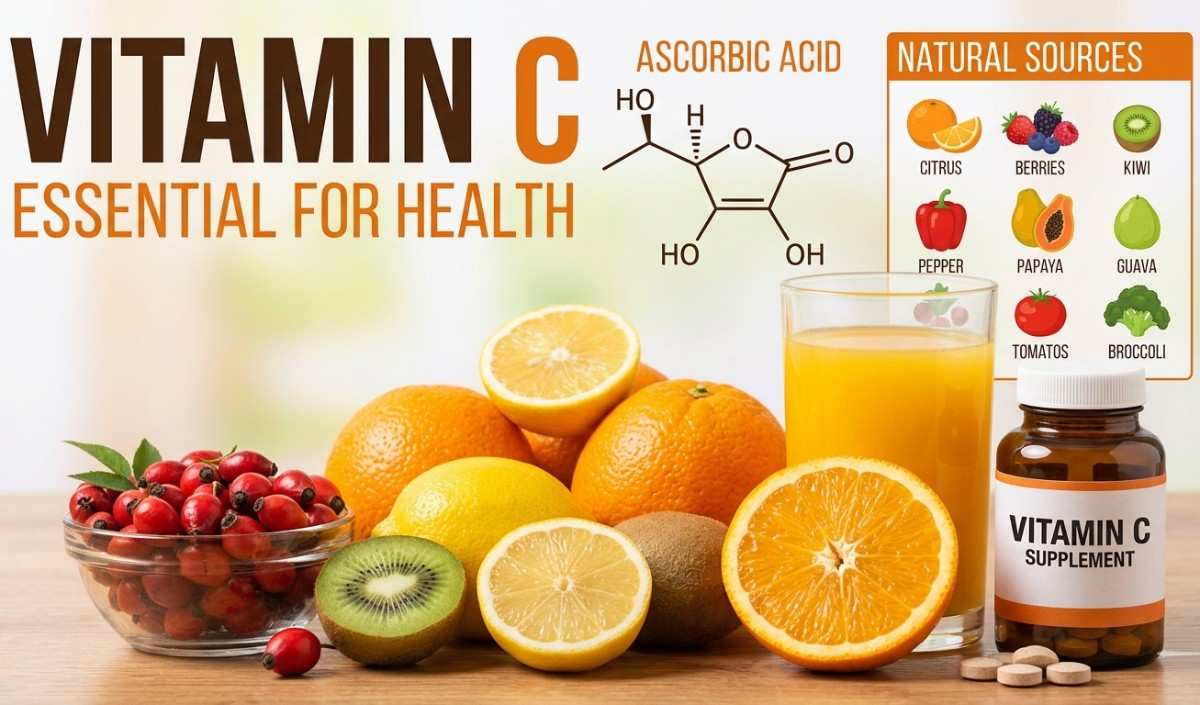
Vitamin C is one of the most well-known and widely used vitamins in the world. From boosting immunity to enhancing skin glow, this powerful nutrient plays a central role in maintaining overall health. Also known as ascorbic acid, Vitamin C is a water-soluble vitamin that the body cannot produce on its own. This means you must get it regularly from food or supplements.
In this guide, you will learn everything about Vitamin C — what it is, recommended dosage, benefits, side effects, deficiency symptoms, food sources, toxicity risks, and how to maintain healthy levels.
What is Vitamin C?
Vitamin C, scientifically called ascorbic acid, is a water-soluble vitamin essential for growth, development, and repair of body tissues. Unlike some animals, humans cannot synthesize Vitamin C, which makes dietary intake crucial.
Vitamin C functions primarily as a powerful antioxidant. Antioxidants protect cells from damage caused by free radicals — unstable molecules produced during metabolism or due to environmental factors like pollution and UV radiation. This vitamin also plays a key role in collagen production, iron absorption, immune defense, wound healing, and maintaining healthy skin, bones, and blood vessels. Because it dissolves in water, excess Vitamin C is not stored in large amounts and is excreted through urine. Therefore, consistent daily intake is important.
Vitamin C Dosage
The amount of Vitamin C you need depends on age, sex, and life stage.
Recommended Daily Intake (RDI)
- Adult men (19 years and older): 90 mg per day
- Adult women (19 years and older): 75 mg per day
- Pregnant women: 85 mg per day
- Breastfeeding women: 120 mg per day
- Smokers: Additional 35 mg per day (because smoking increases oxidative stress and ascorbic acid turnover)
Upper Intake Limit (UL)
- Adults: 2,000 mg (2 grams) per day
The upper limit is the maximum daily amount unlikely to cause harmful side effects. Exceeding 2,000 mg per day regularly may increase the risk of digestive issues and kidney stones.
20 Benefits of Vitamin C
- Boosts Immune Function – Vitamin C enhances the production and function of white blood cells, helping the body fight infections more effectively.
- Powerful Antioxidant Protection – It neutralizes free radicals, reducing oxidative stress and protecting cells from damage.
- Supports Collagen Production – It is essential for collagen synthesis, which keeps skin firm and supports joints, bones, and blood vessels.
- Improves Skin Health – It helps reduce wrinkles, dryness, and sun damage by promoting skin repair and elasticity.
- Enhances Iron Absorption – Vitamin C improves the absorption of non-heme iron from plant-based foods, reducing the risk of anemia.
- Speeds Up Wound Healing – It accelerates tissue repair by supporting collagen formation and immune response.
- Reduces Risk of Chronic Diseases – Antioxidant properties may lower the risk of heart disease and certain cancers.
- Supports Heart Health – It helps reduce blood pressure and improves blood vessel function.
- May Reduce Duration of Colds – Regular intake may shorten the duration and severity of common cold symptoms.
- Improves Brain Function – It supports neurotransmitter production and may help protect against cognitive decline.
- Promotes Healthy Gums – Vitamin C strengthens gum tissue and reduces the risk of bleeding gums.
- Helps Manage Stress – It lowers cortisol levels and supports adrenal gland function during stress.
- Protects Eye Health – Adequate intake may reduce the risk of cataracts and age-related macular degeneration.
- Supports Healthy Aging – Antioxidant action helps slow cellular aging and maintains vitality.
- Improves Blood Circulation – It enhances endothelial function, improving blood flow.
- Supports Detoxification – It helps neutralize toxins and supports liver function.
- May Improve Exercise Recovery – Antioxidant effects reduce muscle soreness and oxidative damage after workouts.
- Reduces Inflammation – Ascorbic acid may lower markers of inflammation in the body.
- Supports Healthy Teeth – It strengthens connective tissue that anchors teeth in place.
- May Improve Mood – Adequate Vitamin C levels are associated with better mood and reduced fatigue.
10 Side Effects of Excess Vitamin C
Excessive intake can cause side effects.
- Digestive Upset – High doses may cause stomach cramps, nausea, and diarrhea.
- Kidney Stone Formation – Excess Vitamin C can increase oxalate levels, contributing to kidney stone risk.
- Acid Reflux – Large doses may irritate the stomach lining and worsen heartburn.
- Abdominal Bloating – Excess intake can cause gas and bloating.
- Headaches – Very high doses may trigger headaches in some individuals.
- Insomnia – Taking high doses late in the day may disrupt sleep in sensitive individuals.
- Iron Overload Risk – It may increase iron absorption excessively in people with hemochromatosis.
- False Lab Test Results – High doses can interfere with certain blood sugar or stool tests.
- Increased Urination – Being water-soluble, excess ascorbic acid may increase urinary frequency.
- Rebound Deficiency – Sudden discontinuation of extremely high doses may temporarily lower blood levels.
Symptoms of Vitamin C Deficiency
Ascorbic acid deficiency can lead to a serious condition called scurvy. Early and advanced symptoms include:
- Fatigue and weakness
- Irritability
- Swollen and bleeding gums
- Easy bruising
- Joint pain
- Slow wound healing
- Rough, dry skin
- Frequent infections
- Corkscrew-shaped body hair
- Tooth loss (in severe cases)
Severe deficiency over a long period can be life-threatening if untreated.
Causes of Vitamin C Deficiency
Several factors can contribute to low Vitamin C levels:
- Poor diet lacking fresh fruits and vegetables
- Smoking and tobacco use
- Excessive alcohol consumption
- Eating disorders
- Chronic illnesses affecting nutrient absorption
- Restricted diets or extreme dieting
- Low-income or limited access to fresh foods
Best Food Sources of Vitamin C
| Food Source | Serving Size | Approx. Vitamin C (mg) |
|---|---|---|
| Amla (Indian Gooseberry) | 1 medium fruit | 600–700 mg |
| Guava | 1 medium fruit | 125–200 mg |
| Red Bell Pepper | 1/2 cup raw | 95 mg |
| Kiwi | 1 medium | 70 mg |
| Orange | 1 medium | 70 mg |
| Strawberry | 1/2 cup | 49 mg |
| Papaya | 1 cup | 88 mg |
| Broccoli | 1/2 cup cooked | 50 mg |
| Pineapple | 1 cup | 79 mg |
| Lemon | 1 medium | 30 mg |
Fresh, raw fruits and vegetables generally contain higher levels of ascorbic acid, as heat can destroy some of the vitamin.
Who is at Risk of Vitamin C Deficiency?
Certain groups are more vulnerable to deficiency:
- Smokers
- Elderly individuals living alone
- People with poor dietary habits
- Individuals with digestive disorders
- Alcohol-dependent individuals
- People undergoing dialysis
- Infants fed evaporated or boiled milk without supplementation
Complications of Vitamin C Deficiency
Untreated deficiency may lead to:
- Scurvy
- Severe anemia
- Gum disease and tooth loss
- Joint swelling and pain
- Increased infection risk
- Delayed wound healing
- Internal bleeding in severe cases
Prompt diagnosis and supplementation can reverse most complications.
Preventing Vitamin C Deficiency
Prevention is simple and achievable through:
- Eating at least 2–3 servings of Vitamin C-rich fruits daily
- Including raw vegetables like bell peppers and tomatoes
- Avoiding overcooking vegetables
- Taking supplements if dietary intake is insufficient
- Avoiding smoking
A balanced diet typically provides enough Vitamin for most individuals.
Can You Take Too Much Vitamin C?
Yes, it is possible to take too much Vitamin C, especially through supplements. While food sources rarely cause toxicity, high-dose supplements (above 2,000 mg daily) can increase the risk of side effects.
The body absorbs it efficiently at lower doses, but absorption decreases as intake increases. Excess amounts are excreted in urine. Unless prescribed by a healthcare provider, extremely high doses are generally unnecessary.
Symptoms of Vitamin C Toxicity
Toxicity is rare but may occur with prolonged high-dose supplementation.
Symptoms include:
- Severe diarrhea
- Nausea and vomiting
- Kidney stones
- Abdominal cramps
- Increased oxalate levels in urine
- Iron overload in susceptible individuals
Reducing the dosage typically resolves symptoms quickly.
How to Maintain Healthy Vitamin C Levels
Maintaining optimal Vitamin C levels is simple with consistent habits:
- Eat a variety of fresh fruits and vegetables daily.
- Include citrus fruits, guava, amla, kiwi, and bell peppers in your meals.
- Store produce properly to preserve nutrients.
- Avoid prolonged cooking and excessive heat.
- Consider supplements only if dietary intake is inadequate.
- Stay hydrated to support proper nutrient metabolism.
- If you smoke, increase intake under medical guidance.
For most healthy adults, a balanced diet provides more than enough ascorbic acid without the need for high-dose supplements.
Conclusion
Vitamin C is a vital nutrient essential for immune health, skin vitality, collagen production, iron absorption, and antioxidant protection. Since the body cannot produce or store large amounts of it, daily intake through fruits and vegetables is necessary.
While deficiency can lead to serious health problems such as scurvy, excess intake may also cause digestive discomfort and kidney stone risk. The key is maintaining balance — meeting recommended daily intake without exceeding the upper limit.
FAQ’s
What is Vitamin C good for?
Vitamin C supports immune function, collagen production, skin health, iron absorption, wound healing, and protects the body from oxidative stress.
Can Vitamin C prevent the common cold?
Ascorbic acid does not completely prevent colds, but regular intake may reduce the duration and severity of symptoms.
Is it safe to take Vitamin C every day?
Yes, daily intake within the recommended limits (75–90 mg for adults) is safe and beneficial for overall health.
Can I take Vitamin C on an empty stomach?
Yes, but high doses may cause mild stomach discomfort in some individuals, so taking it with food is often better.
Does Vitamin C help with skin brightening?
Yes, It promotes collagen production and reduces oxidative damage, which can improve skin brightness and texture.
Can Vitamin C improve iron levels?
Yes, ascorbic acid enhances the absorption of non-heme iron from plant-based foods, helping prevent iron deficiency anemia.
Is Vitamin C safe during pregnancy?
Yes, when taken within recommended limits (about 85 mg per day during pregnancy), it is considered safe and beneficial.
Can children take Vitamin C supplements?
Children can take Vitamin C in age-appropriate doses, but it is best to consult a healthcare provider before giving supplements.
Does cooking destroy Vitamin C?
Yes, It is heat-sensitive, and prolonged cooking can reduce its content in foods.
Can Vitamin C cause kidney stones?
Excessive intake, especially above 2,000 mg daily, may increase the risk of kidney stones in susceptible individuals.
Should smokers take more Vitamin C?
Yes, smokers require about 35 mg more per day than non-smokers due to increased oxidative stress.
How do I get 100% Vitamin C daily?
Eat Vitamin C-rich foods like oranges, guava, kiwi, or red bell peppers; most adults need 75–90 mg per day.
How to check Vitamin C levels?
A blood test measuring plasma Vitamin C levels can detect deficiency.
What is the best time to take Vitamin C?
Take it in the morning with food to improve absorption and reduce stomach upset.
What happens if Vitamin C is high?
Excess intake may cause diarrhea, cramps, nausea, and kidney stone risk.
Also Read: