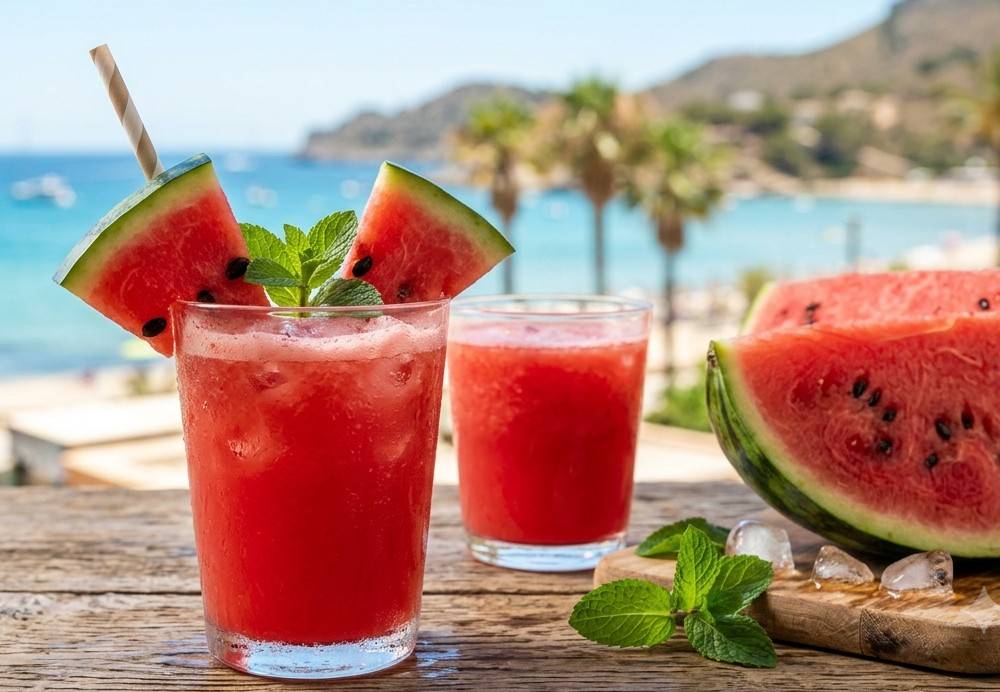
Watermelon juice is one of the most refreshing natural beverages, especially during hot weather. Made from fresh watermelon, it is naturally sweet, hydrating, and packed with vitamins, minerals, antioxidants, and plant compounds such as lycopene and citrulline. Unlike many sugary beverages, freshly prepared watermelon juice contains no artificial colors or preservatives, making it a healthier alternative when consumed in moderation.
Whether you enjoy it after exercise, on a hot summer day, or as part of a balanced diet, watermelon juice can support hydration and overall wellness while providing a delicious burst of flavor.
What is Watermelon Juice?
Watermelon juice is a natural drink made by blending or juicing the flesh of ripe watermelon (Citrullus lanatus). It consists mostly of water—about 90%—making it one of the most hydrating fruit juices available.
Fresh watermelon juice naturally contains vitamin C, vitamin A, potassium, magnesium, lycopene, beta-carotene, and the amino acid citrulline. These nutrients contribute to its health benefits, including hydration, heart health, skin support, and exercise recovery.
Fresh homemade watermelon juice is generally healthier than commercially sweetened versions because it contains no added sugar or preservatives.
Nutrition Facts of Watermelon Juice
| Nutrient | Amount (Per 1 Cup/240 ml Approx.) |
|---|---|
| Calories | 70 kcal |
| Water | 220 g |
| Carbohydrates | 17 g |
| Natural Sugars | 14 g |
| Dietary Fiber | 0.4 g |
| Protein | 1.4 g |
| Fat | 0.3 g |
| Vitamin C | 21 mg |
| Vitamin A | 43 mcg |
| Potassium | 270 mg |
| Magnesium | 15 mg |
| Lycopene | 6–9 mg (varies by variety) |
| Citrulline | Naturally present |
Values are approximate and may vary depending on watermelon variety and preparation.
20 Proven Health Benefits of Watermelon Juice
- Excellent Hydration: Watermelon juice is over 90% water, helping maintain hydration and electrolyte balance.
- Rich in Lycopene: Lycopene acts as a powerful antioxidant that helps protect cells from oxidative stress.
- Supports Heart Health: Potassium and lycopene may contribute to healthy blood pressure and cardiovascular function.
- Boosts Immunity: Vitamin C supports normal immune system function and helps fight infections.
- Promotes Healthy Skin: Vitamin A and C support collagen production and healthy-looking skin.
- Supports Eye Health: Beta-carotene converts to vitamin A, helping maintain normal vision.
- May Improve Exercise Recovery: Citrulline may help reduce muscle soreness after intense physical activity.
- Supports Healthy Blood Flow: Citrulline can promote nitric oxide production, which helps blood vessels relax.
- Provides Natural Energy: Natural fruit sugars provide quick energy without caffeine.
- May Reduce Oxidative Stress: Antioxidants help neutralize harmful free radicals.
- Supports Kidney Hydration: Adequate fluid intake helps maintain normal kidney function in healthy individuals.
- May Help Reduce Inflammation: Lycopene and vitamin C possess anti-inflammatory properties.
- Aids Healthy Digestion: Water content supports digestive health and regular bowel movements.
- Supports Weight Management: Low calorie density makes watermelon juice a refreshing option when consumed in moderation.
- Helps Cool the Body: Its high water content makes it ideal during hot weather.
- Supports Healthy Aging: Antioxidants may help protect cells from age-related damage.
- Provides Essential Electrolytes: Potassium helps maintain fluid balance and muscle function.
- May Support Brain Health: Antioxidants may help reduce oxidative damage associated with cognitive aging.
- Supports Healthy Metabolism: Vitamins and minerals contribute to normal metabolic processes.
- Promotes Overall Wellness: Its combination of hydration, antioxidants, and vitamins supports general health as part of a balanced diet.
10 Side Effects of Watermelon Juice
- High Natural Sugar Intake: Drinking excessive amounts may increase daily sugar intake.
- Blood Sugar Spikes: Large servings may affect blood glucose levels, especially in people with diabetes.
- Digestive Discomfort: Excess consumption may cause bloating or stomach discomfort.
- Frequent Urination: Its high water content may increase urination.
- Diarrhea Risk: Drinking too much at once may loosen stools in sensitive individuals.
- Potassium Overload: Excessive intake may not be suitable for people with severe kidney disease.
- Allergic Reactions: Rare individuals may experience itching or swelling after consumption.
- Interaction with Fluid Restrictions: People advised to limit fluids should consult their healthcare provider.
- May Cause Fullness: Large amounts may reduce appetite temporarily.
- Not a Meal Replacement: Watermelon juice lacks sufficient protein and healthy fats to replace balanced meals.
How to Make Watermelon Juice at Home?
Ingredients:
- 4 cups fresh watermelon cubes (seedless or seeds removed)
- Juice of ½ lemon (optional)
- Fresh mint leaves (optional)
- Ice cubes (optional)
Instructions:
- Wash and cut the watermelon into cubes.
- Remove seeds if necessary.
- Add watermelon cubes to a blender.
- Blend until smooth.
- Strain if you prefer a smoother juice.
- Add lemon juice for extra freshness if desired.
- Serve immediately over ice.
Tips for Consuming Watermelon Juice
- Choose ripe, naturally sweet watermelon.
- Drink freshly prepared juice whenever possible.
- Avoid adding refined sugar.
- Consume in moderation.
- Pair with a balanced meal for better blood sugar control.
- Refrigerate leftovers promptly.
- Drink chilled during warm weather.
- Include it as part of a varied diet rather than relying on fruit juice alone.
Other Uses of Watermelon Juice
- Smoothie ingredient
- Homemade popsicles
- Fruit mocktails
- Sorbets
- Ice cubes for flavored water
- Fruit salad dressing
- Summer desserts
- Frozen slush drinks
- Marinades for fruit-based recipes
- Healthy breakfast beverages
How Much Watermelon Juice Can You Drink in a Day?
For most healthy adults, about 1–2 cups (240–480 ml) of fresh watermelon juice per day is generally considered a moderate amount as part of a balanced diet.
People with diabetes, kidney disease, or other medical conditions should discuss appropriate serving sizes with their healthcare provider or registered dietitian.
Best Time to Drink Watermelon Juice
- Morning for refreshing hydration.
- Mid-morning as a healthy snack.
- Before exercise for hydration.
- After workouts to help replenish fluids.
- During hot afternoons for cooling hydration.
- Avoid drinking excessive amounts immediately before bedtime if nighttime urination is a concern.
Who Should Drink Watermelon Juice?
- People Needing Hydration: It helps replace fluids during hot weather.
- Athletes: Natural water and citrulline may support recovery after exercise.
- Healthy Adults: It provides vitamins, minerals, and antioxidants.
- Older Adults: It can contribute to daily fluid intake.
- Individuals with Active Lifestyles: It offers a refreshing source of natural carbohydrates.
- People Seeking Low-Calorie Drinks: Fresh watermelon juice is lower in calories than many sugary beverages.
- Those Looking to Increase Fruit Intake: It contributes to overall fruit consumption.
- People Wanting Antioxidants: Lycopene and vitamin C provide antioxidant support.
Who Should Avoid Watermelon Juice?
- People with Watermelon Allergy: Avoid consumption due to the risk of allergic reactions.
- Individuals with Poorly Controlled Diabetes: Large servings may affect blood sugar levels.
- People with Severe Kidney Disease: Potassium intake may need to be limited.
- Those on Fluid Restrictions: Consult a healthcare professional before consuming large amounts.
- Individuals with Digestive Sensitivity: Excess juice may worsen bloating or diarrhea.
- People Following Low-Sugar Diets: Portion control is important.
- Infants Under Six Months: Fruit juice is generally not recommended unless advised by a healthcare professional.
How to Store Watermelon Juice?
- Refrigerate Immediately: Store within two hours of preparation.
- Use Airtight Containers: This helps preserve freshness.
- Consume Within 24–48 Hours: Fresh juice tastes best and retains more nutrients.
- Keep Cold: Store below 4°C (40°F).
- Avoid Room Temperature Storage: Prolonged exposure encourages bacterial growth.
- Freeze for Longer Storage: Freeze in portions for up to three months.
- Shake Before Drinking: Natural separation is normal.
Precautions and Interactions
Although watermelon juice is generally safe for most healthy individuals, moderation is important.
People with diabetes should monitor carbohydrate intake and blood sugar responses. Those with kidney disease or potassium restrictions should consult their healthcare provider before drinking large amounts regularly.
Watermelon juice should not replace whole fruits, vegetables, balanced meals, or prescribed medical treatments. Fresh homemade juice is preferable because it avoids unnecessary added sugars and preservatives.
If you experience symptoms such as itching, swelling, difficulty breathing, or severe digestive discomfort after drinking watermelon juice, discontinue use and seek medical attention.
FAQ’s
What does Watermelon Juice taste like?
Juice has a naturally sweet, refreshing, and mildly fruity flavor with a light, juicy texture.
Can I drink Watermelon Juice every day?
Yes. Most healthy adults can enjoy 1–2 cups of fresh watermelon juice daily as part of a balanced diet.
How long does it take for Watermelon Juice to work?
Its hydrating effects begin soon after drinking it, while benefits such as improved nutrition and overall wellness develop with regular consumption as part of a healthy lifestyle.
What does Watermelon Juice smell like?
Fresh watermelon juice has a light, sweet, and fruity aroma that resembles freshly cut watermelon.
Is Watermelon Juice safe for pregnant women?
Yes. Fresh juice is generally safe during pregnancy when consumed in moderation and prepared hygienically. Pregnant women with gestational diabetes or other medical conditions should consult their healthcare provider.
Is Watermelon Juice safe for children?
Yes. Fresh watermelon juice can be enjoyed by children in age-appropriate portions. Whole watermelon is generally a better choice because it provides more dietary fiber.
What is Watermelon Juice good for?
Juice is good for hydration, supporting heart health, boosting vitamin C intake, providing antioxidants, promoting healthy skin, and aiding post-exercise recovery.
What can I mix with watermelon to make juice?
Watermelon pairs well with lemon, lime, mint, cucumber, strawberries, pineapple, orange, ginger, basil, or coconut water for a refreshing homemade juice.
Does watermelon juice brighten skin?
Juice may support healthy, glowing skin because it contains vitamin C, vitamin A, and lycopene, which help protect the skin from oxidative stress. However, it is not a skin-brightening treatment on its own.
Is watermelon juice healthy?
Yes. Fresh juice is rich in water, vitamin C, vitamin A, potassium, and antioxidants like lycopene, making it a healthy drink when consumed in moderation.
Can watermelon juice help with weight loss?
Juice is relatively low in calories and highly hydrating, which may support a weight management plan when paired with a balanced diet and regular exercise.
Is watermelon juice good for dehydration?
Yes. Its high water content and natural electrolytes make it an excellent choice for staying hydrated, especially during hot weather.
Does watermelon juice contain sugar?
Yes. juice naturally contains fruit sugars but no added sugar if prepared fresh at home.
Can people with diabetes drink watermelon juice?
People with diabetes can enjoy juice in moderation, but they should monitor portion sizes and blood sugar levels and consult their healthcare provider if needed.
Is watermelon juice good after a workout?
Yes. It helps replenish fluids and contains citrulline, a natural amino acid that may help reduce muscle soreness after exercise.
Can I drink watermelon juice on an empty stomach?
Yes. Most healthy people can drink fresh watermelon juice on an empty stomach, although those with sensitive digestion may prefer having it after a light meal.
Is homemade watermelon juice better than store-bought?
Yes. Homemade watermelon juice is usually healthier because it contains no added sugar, artificial flavors, or preservatives.
How long does fresh watermelon juice last?
Fresh juice should be refrigerated and consumed within 24–48 hours for the best taste, freshness, and nutritional quality.
Sources / References:
- U.S. Department of Agriculture (USDA) FoodData Central
- Harvard T.H. Chan School of Public Health – The Nutrition Source
- National Institutes of Health (NIH)
- Office of Dietary Supplements (NIH)
- American Heart Association
- Academy of Nutrition and Dietetics
About the Author:
Written by: Kirti Solanki (Health Content Researcher)
Kirti Solanki is a health content researcher who creates evidence-based articles on nutrition, healthy foods, wellness, and preventive health. Every article is carefully researched using trusted medical and scientific sources to provide readers with accurate, practical, and easy-to-understand information.
Disclaimer:
This guide is intended for educational and informational purposes only and should not be considered medical advice. Always consult a qualified healthcare professional before making significant changes to your diet, especially if you are pregnant, breastfeeding, have a medical condition, or take prescription medications.
Also Read: