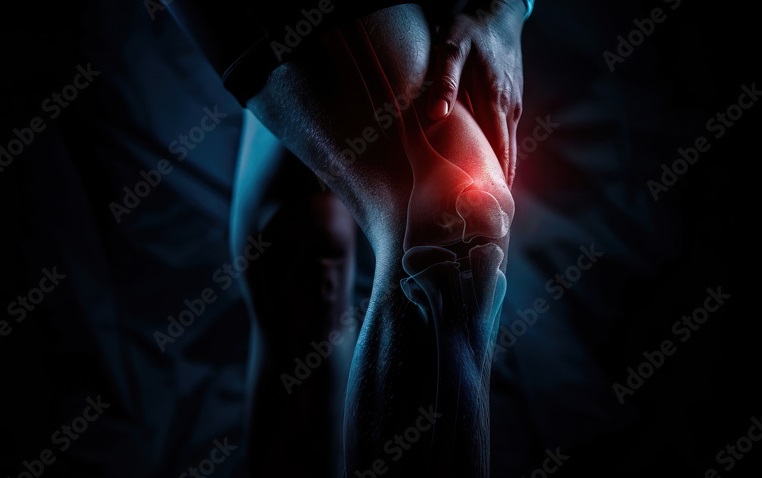
Joint cracking is something almost everyone experiences. Whether it’s your knuckles, knees, shoulders, neck, or ankles, those popping or cracking sounds can feel oddly satisfying—or sometimes concerning. Many people wonder: Is joint cracking harmful? Does it cause arthritis? Why does it feel relieving?
In this guide, we will explore the science behind joint cracking, the different causes, when it’s normal, and when it may signal a problem. By the end, you’ll understand exactly what’s happening inside your body when your joints make those familiar sounds.
What Exactly Is Joint Cracking?
Joint cracking refers to the popping, snapping, or cracking sounds that occur when a joint is moved. The medical term for these sounds is crepitus.
Crepitus can occur in many parts of the body, including:
- Fingers and knuckles
- Knees
- Shoulders
- Neck
- Back
- Ankles
- Hips
Sometimes the sound is loud and sharp. Other times it’s soft and subtle. It may or may not be accompanied by a sensation of release or relief.
Basic Joint Anatomy: What’s Inside a Joint?
To understand why joints crack, we need to understand how joints are structured.
Most of the joints that crack are synovial joints. These include the knees, shoulders, hips, elbows, and knuckles.
A synovial joint consists of:
- Two bones
- Cartilage covering the ends of the bones
- A joint capsule
- Synovial fluid inside the capsule
- Ligaments and tendons around the joint
Synovial Fluid: The Key Player
Synovial fluid is a thick, slippery substance that lubricates the joint and reduces friction. It contains dissolved gases like:
- Oxygen
- Nitrogen
- Carbon dioxide
These gases play a major role in joint cracking.
The Main Cause: Cavitation (Gas Bubble Formation)
The most common reason joints crack is a process called cavitation.
Here’s how it works:
- When you stretch or pull a joint, the joint capsule expands.
- This expansion lowers the pressure inside the joint.
- The drop in pressure causes dissolved gases in the synovial fluid to form bubbles.
- When these bubbles rapidly collapse or shift, they create a popping sound.
This is similar to what happens when you open a carbonated drink.
Why You Can’t Crack the Same Joint Immediately Again
After cracking a joint, it usually takes about 15 to 30 minutes before you can crack it again. That’s because the gases need time to dissolve back into the synovial fluid before another bubble can form.
Other Causes of Joint Cracking
Not all joint sounds are caused by gas bubbles. Several other mechanisms can produce cracking or popping sounds.
1. Tendons and Ligaments Snapping Over Bone
Sometimes, tendons or ligaments move slightly out of place and then snap back when the joint moves. This can create a popping sound.
This is common in:
- Shoulders
- Knees
- Hips
- Ankles
The snapping sensation may feel more mechanical than the gas bubble pop.
2. Rough Cartilage Surfaces
Cartilage is smooth and helps bones glide easily. When cartilage wears down, the surfaces become rough. This can cause grinding or crackling sounds.
This type of sound is often associated with:
- Aging
- Osteoarthritis
3. Joint Instability
If a joint is unstable due to weak muscles or damaged ligaments, abnormal movement can create noise.
Is Cracking Your Knuckles Bad for You?
This is one of the most common concerns.
For decades, people have believed that cracking knuckles causes arthritis. However, scientific research has not found strong evidence supporting this claim.
One well-known long-term experiment involved a physician who cracked the knuckles of only one hand for over 50 years. He found no difference in arthritis development between his hands.
What Research Suggests
Studies show:
- Habitual knuckle cracking does not directly cause osteoarthritis.
- It may cause temporary swelling or reduced grip strength in some cases.
- Excessive forceful cracking could irritate joints.
So, occasional cracking is generally harmless if it is not painful.
Why Does Joint Cracking Feel Good?
Many people report relief after cracking a joint. There are several possible explanations:
- Release of pressure inside the joint
- Stimulation of nerve endings
- Increased joint mobility
- Temporary muscle relaxation
The sensation may also involve psychological satisfaction.
Why Do Knees Crack So Much?
Knees are one of the most commonly noisy joints.
Possible reasons include:
- Gas bubble formation
- Ligaments moving over bone
- Mild cartilage wear
- Changes in joint alignment
If knee cracking is painless, it is usually harmless. However, if it’s accompanied by pain, swelling, or instability, it may indicate a problem such as:
- Meniscus injury
- Ligament damage
- Early osteoarthritis
Why Does the Neck Crack?
Neck cracking can happen naturally during movement or intentionally when someone twists their neck.
The same cavitation process applies here. However, forceful neck manipulation carries some risks, especially if done aggressively or repeatedly.
Excessive self-manipulation can lead to:
- Joint irritation
- Muscle strain
- Increased instability
Professional manipulation should only be performed by trained practitioners.
Joint Cracking and Aging
As we age, joints may crack more frequently due to:
- Reduced cartilage thickness
- Changes in synovial fluid
- Decreased muscle strength
- Minor joint degeneration
In older adults, joint noise is more common and not always a sign of disease.
When Is Joint Cracking a Problem?
Joint cracking is usually harmless if it is:
- Painless
- Infrequent
- Not associated with swelling
- Not limiting movement
However, you should consult a healthcare professional if cracking is accompanied by:
- Persistent pain
- Swelling
- Warmth around the joint
- Reduced range of motion
- Locking or catching
- Sudden injury
These symptoms may indicate conditions such as:
- Osteoarthritis
- Rheumatoid arthritis
- Ligament tears
- Meniscus injury
- Tendinitis
Does Cracking Joints Cause Arthritis?
Current evidence suggests that cracking joints does not directly cause arthritis.
Arthritis typically develops due to:
- Aging
- Genetic factors
- Autoimmune conditions
- Joint injury
- Chronic inflammation
However, aggressive or forceful joint manipulation could contribute to joint irritation over time.
Children and Joint Cracking
Children and teenagers may experience joint cracking during growth spurts. Rapid bone growth can temporarily affect joint alignment and flexibility. In most cases, this is normal and not concerning.
Hypermobile Joints and Cracking
People with joint hypermobility often experience frequent cracking. Hypermobility means joints move beyond the typical range of motion.
This can occur in conditions such as:
- Benign joint hypermobility syndrome
- Connective tissue disorders
In these individuals, joints may be noisier due to increased movement and lax ligaments.
Can You Prevent Joint Cracking?
You cannot completely prevent normal joint cracking, but you can maintain healthy joints by:
- Staying physically active
- Strengthening muscles around joints
- Maintaining a healthy weight
- Stretching regularly
- Staying hydrated
- Avoiding repetitive strain
Good joint care reduces the risk of painful joint conditions.
Does Joint Cracking Mean You Need Supplements?
Not necessarily.
Joint sounds alone do not indicate a need for supplements like:
- Glucosamine
- Chondroitin
- Collagen
Supplements may help some individuals with joint pain, but they are not required for normal, painless cracking.
Common Myths About Joint Cracking
Myth 1: Cracking Causes Arthritis
There is no strong scientific evidence proving this.
Myth 2: Cracking Means Bones Are Breaking
The sound is from gas bubbles or soft tissues, not bones breaking.
Myth 3: Noisy Joints Are Always Damaged
Many healthy joints make noise.
Why Some Joints Crack More Than Others
Certain joints are more prone to cracking because:
- They are used frequently (hands, knees)
- They have complex movement patterns (shoulders)
- They bear body weight (knees, hips)
- They have larger joint capsules
The Psychological Aspect of Joint Cracking
For some individuals, cracking joints becomes a habit. It may:
- Relieve stress
- Reduce tension
- Provide a sense of control
In rare cases, it can become compulsive behavior.
Can Joint Cracking Increase Flexibility?
Cracking does not increase true flexibility. It may temporarily improve the sensation of movement, but it does not lengthen muscles or permanently change joint structure.
Should You Stop Cracking Your Joints?
If it is painless and not excessive, it is generally harmless.
You should consider stopping if:
- It causes pain
- You feel instability
- It becomes compulsive
- You use excessive force
Final Thoughts
Joint cracking is usually a normal and harmless phenomenon. Most of the time, it is caused by gas bubble formation in synovial fluid or the movement of tendons and ligaments. It does not automatically mean arthritis or joint damage. However, pain, swelling, or limited movement should not be ignored. Understanding your body helps reduce unnecessary worry. The occasional pop or crack is simply your joints doing what they naturally do.
FAQ’s
Why do joints crack when I move them?
Joints usually crack due to gas bubbles forming and collapsing inside the synovial fluid when pressure changes within the joint. It can also happen when tendons or ligaments move over bones during motion.
Why do my knees crack when I squat?
Knee cracking during squats can occur due to gas bubbles, ligament movement, or minor cartilage changes. If there is no pain or swelling, it is usually not a cause for concern.
Why does my neck crack so often?
Neck cracking often happens because of pressure changes in the joints or tendon movement. Frequent intentional cracking should be avoided if it causes discomfort or instability.
When should I worry about joint cracking?
You should seek medical advice if cracking is accompanied by pain, swelling, warmth, stiffness, or reduced range of motion. These symptoms may indicate an underlying joint issue.
Why do joints crack more as we age?
As we age, cartilage naturally wears down and joint lubrication may decrease. These changes can make joints noisier over time.
Why do my shoulders or hips snap during movement?
Snapping in shoulders or hips is often caused by tendons moving over bony structures. This is common and usually harmless unless it causes pain.
Can dehydration cause joint cracking?
Dehydration can affect joint lubrication slightly, but it is not a primary cause of joint cracking. Staying hydrated helps maintain overall joint health.
Is joint cracking normal in children and teenagers?
Yes, joint cracking is common during growth phases due to changes in bones and joint alignment. It is usually harmless unless associated with pain.
Can exercise reduce joint cracking?
Strengthening muscles around joints may improve stability and reduce excessive joint noise. However, some level of cracking is completely normal.
Does joint cracking mean cartilage is damaged?
Not always. Many healthy joints crack without any cartilage damage. Painful grinding sensations are more concerning than painless popping sounds.
Also Read: