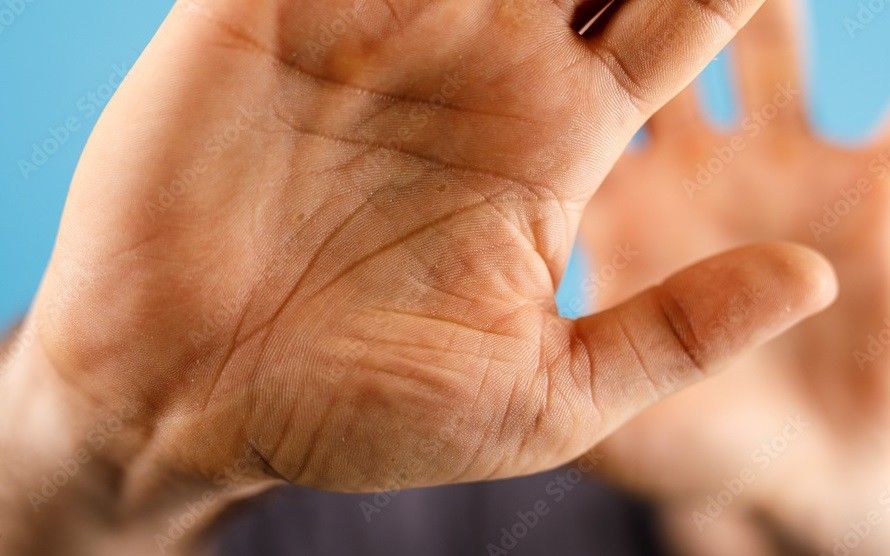
Palm reading, also known as palmistry, has fascinated people for thousands of years. From ancient India and China to Greece and Egypt, the human palm has been viewed as a mirror of inner life—reflecting personality, life path, and even physical health. While modern medicine does not recognize palmistry as a diagnostic science, many people still find value in observing palm lines, color, texture, and shape as gentle indicators of overall well-being.
This guide explores what different palm lines and palm textures are traditionally believed to reveal about body health. Think of it as a reflective and observational guide rather than a medical verdict. Your hands may not replace blood tests or doctor visits, but they can encourage greater self-awareness about your body.
Understanding the Connection Between Palms and Health
Your hands are constantly at work. They respond to circulation changes, hydration levels, stress, hormones, and even emotional states. Cold hands, sweaty palms, or changes in skin color often reflect internal conditions. Palmistry builds on this idea by interpreting patterns that appear over time on the palms.
Traditional palm readers believe that:
- Lines form and change as life circumstances and health conditions evolve
- Texture and firmness reflect energy levels and vitality
- Color variations point toward circulation and organ balance
It is important to remember that palm observations should never be used to self-diagnose diseases. Instead, they can act as early cues to slow down, reassess lifestyle habits, and pay closer attention to physical and mental health.
The Major Palm Lines and Their Health Interpretations
1. The Life Line and Physical Vitality
The life line curves around the base of the thumb and is often the most talked-about line in palmistry. Contrary to popular belief, it does not predict lifespan. Instead, it is traditionally associated with vitality, stamina, and physical resilience.
Health-related interpretations include:
- A deep, clear life line suggests strong vitality and good recovery power
- A faint or broken life line may indicate low energy levels or periods of physical exhaustion
- Chains or islands along the line are often associated with stress, illness, or weakened immunity during certain phases of life
People with strong life lines are believed to bounce back more quickly from illness, while fluctuating lines may suggest the need for rest and balanced routines.
2. The Head Line and Nervous System Health
The head line runs horizontally across the palm and is linked to mental activity, concentration, and nervous system balance.
Traditional health meanings include:
- A long, clear head line suggests good mental stamina and focus
- Breaks in the head line are associated with mental fatigue or emotional strain
- Wavy or chained head lines are often linked to anxiety, overthinking, or stress-related headaches
From a practical perspective, such markings may reflect modern lifestyle issues like screen fatigue, sleep deprivation, and chronic stress.
3. The Heart Line and Circulatory Health
The heart line runs near the top of the palm and is connected with emotional well-being and heart energy. In traditional interpretations, this line is loosely associated with circulation and cardiovascular balance.
Health-related beliefs include:
- A strong, smooth heart line suggests emotional stability and balanced circulation
- A fragmented or chained heart line may reflect emotional stress that could influence heart health
- Extremely short or faint heart lines are sometimes associated with emotional suppression or tension
While palmistry cannot assess heart disease, persistent emotional stress is known to affect blood pressure and overall heart health.
4. The Health Line (Mercury Line)
Not everyone has a visible health line, and its absence is often considered positive. When present, this line runs vertically toward the little finger.
Traditional interpretations suggest:
- A clear health line may indicate sensitivity to digestive or nervous issues
- A wavy or broken health line is often associated with digestion problems, liver stress, or fluctuating energy
- Multiple breaks may reflect lifestyle imbalance rather than illness
In palmistry, a strong health line is not always desirable, as it may indicate that the body reacts strongly to stressors.
Minor Lines and Subtle Health Clues
Stress Lines
Fine horizontal lines crossing major lines are often called stress lines. They are believed to form during periods of emotional or physical pressure.
Common interpretations include:
- Temporary stress or burnout
- Sleep disruption
- Mental overload
These lines may fade when lifestyle balance improves.
Allergy and Sensitivity Markings
Some palmists believe small crisscross patterns near the health line suggest sensitivities or allergies. While not scientifically validated, such markings often prompt individuals to reflect on diet and environmental triggers.
Palm Texture and What It Says About Body Health
Beyond lines, palm texture plays a significant role in traditional health readings.
Soft Palms
Soft, cushiony palms are often associated with comfort-loving personalities.
Health-related beliefs include:
- Tendency toward low physical stamina
- Slower metabolism
- Need for regular physical activity
Such palms may suggest the importance of movement and balanced nutrition.
Firm Palms
Firm palms are linked with strength and endurance.
Traditional interpretations include:
- Good muscle tone
- Strong immune response
- High physical resilience
However, excessive firmness may sometimes reflect tension or rigidity caused by stress.
Rough or Dry Palms
Dry or rough palms are commonly linked to dehydration or overexertion.
Health-related associations include:
- Nutrient deficiencies
- Lack of proper hydration
- Overwork or physical strain
Regular hydration, rest, and skincare often improve palm texture.
Sweaty Palms
Excessively sweaty palms are traditionally associated with nervous energy.
Possible connections include:
- Anxiety
- Hormonal fluctuations
- High stress levels
From a modern perspective, this may also reflect hyperhidrosis or emotional triggers.
Palm Color and Circulation Insights
Palm color is one of the most visible indicators of internal balance.
Pink or Rosy Palms
Traditionally considered a sign of good circulation and balanced energy.
Pale Palms
Often associated with fatigue, low iron levels, or poor circulation. While palmistry cannot confirm anemia, persistent paleness may be worth medically evaluating.
Red Palms
Traditionally linked to inflammation, stress, or high blood pressure. Red palms are also common after heat exposure or physical exertion.
Yellowish Palms
In traditional systems, yellow tones are sometimes associated with liver stress or digestive imbalance. Medically, yellowing of skin should always be professionally assessed.
Fingertips, Nails, and Health Reflections
Palmistry often considers nails and fingertips as extensions of health observation.
Common traditional beliefs include:
- Rounded fingertips indicate balanced energy
- Pointed fingertips are linked with sensitivity
- Brittle nails may reflect nutritional deficiencies
- Vertical ridges on nails are often associated with aging or stress
Modern medicine supports that nail health often reflects nutrition, hydration, and circulation.
Hand Temperature and Energy Flow
Cold hands are commonly associated with poor circulation or low metabolism, while warm hands are linked with active circulation. Persistent temperature issues may indicate stress or hormonal imbalances.
Left Hand vs Right Hand in Health Reading
In traditional palmistry:
- The left hand represents inherited traits and natural constitution
- The right hand reflects current lifestyle and health habits
Changes in the dominant hand are often believed to reflect recent health shifts.
Lifestyle Factors That Influence Palm Changes
Palm lines and textures are not fixed. They evolve with life experiences.
Common influencing factors include:
- Diet and hydration
- Stress levels
- Sleep quality
- Physical activity
- Emotional well-being
Positive lifestyle changes often correspond with clearer lines and healthier palm texture over time.
Psychological Health and the Palms
Mental and emotional health play a significant role in palmistry interpretations.
Traditional palm readers often associate:
- Excessive line fragmentation with anxiety
- Tight, rigid palms with emotional suppression
- Open, flexible palms with emotional balance
Modern psychology supports the idea that chronic stress leaves physical signs on the body.
What Palmistry Can and Cannot Do
What It Can Do
- Encourage self-awareness
- Highlight lifestyle imbalances
- Promote mindfulness toward health habits
What It Cannot Do
- Diagnose medical conditions
- Replace professional healthcare
- Predict diseases with certainty
Palmistry should always be viewed as a complementary observation tool rather than a medical authority.
When to Seek Medical Advice
If you notice sudden changes in palm color, texture, or temperature along with symptoms such as fatigue, pain, dizziness, or unexplained weight changes, professional medical consultation is essential.
Final Thoughts
Your palms tell a story—not just of who you are, but of how you live. Lines, texture, color, and firmness reflect daily habits, stress levels, and energy patterns. While palmistry does not replace medical science, it offers a symbolic language that encourages deeper listening to the body.
By paying attention to your hands, you may become more mindful of rest, nutrition, emotional balance, and overall self-care. In that sense, palm reading is less about prediction and more about connection—between mind, body, and awareness. Ultimately, the healthiest palms are shaped by a healthy lifestyle, thoughtful habits, and respect for your body’s signals.
FAQ’s
Can palm lines really indicate health issues?
Palm lines are not medically diagnostic. However, changes in palm texture, color, or lines can reflect stress, hydration levels, or lifestyle changes that may affect health.
What does a broken life line mean?
In palmistry, a broken life line may suggest periods of fatigue or physical weakness. It can also indicate major life changes or stress.
Does a faint head line mean mental health problems?
Not necessarily. A faint head line is often linked to low energy or mental fatigue, but it doesn’t confirm mental health conditions. It may be a sign to improve sleep and reduce stress.
What does a chained heart line indicate?
A chained heart line is traditionally linked to emotional stress or tension. It may suggest the need for emotional healing or better stress management.
What does it mean if my palm is very dry or rough?
Dry or rough palms may reflect dehydration, nutrient deficiency, or overuse of hands. It can also be due to environmental factors like cold weather or harsh soaps.
Why do my palms turn red sometimes?
Red palms can happen due to heat, physical activity, or temporary inflammation. Persistent redness may require medical evaluation to rule out underlying issues.
Is it normal to have no health line on the palm?
Yes. Many people do not have a visible health line. In palmistry, its absence is often considered a positive sign.
Can palm texture change over time?
Yes. Palm texture can change with age, hydration, stress levels, and lifestyle habits. Regular care and a healthy lifestyle can improve palm texture.
What does pale palm color indicate?
Pale palms can indicate low circulation or fatigue. If it is persistent, it may be worth checking iron levels or blood pressure with a doctor.
Should I rely on palm lines for medical diagnosis?
No. Palm lines can offer awareness, but they should never replace professional medical advice. Always consult a doctor for any concerning symptoms.
Also Read: