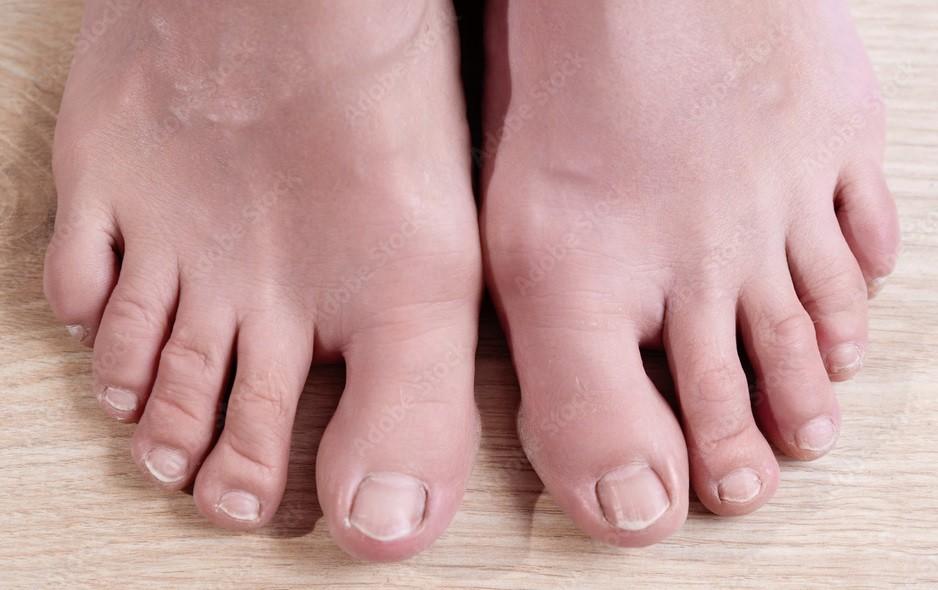
Thick toenails are a common yet often overlooked condition. Many people dismiss them as a cosmetic issue caused by aging or poor grooming. However, toenails can reflect what is happening inside the body. Changes in nail thickness, texture, and color can signal infections, chronic diseases, circulation problems, nutritional deficiencies, or repeated trauma.
Understanding what thick toenails indicate can help you recognize early warning signs of health issues and seek timely care. This guide explores the causes, symptoms, medical conditions linked to thick toenails, treatment options, and preventive measures.
Understanding Toenail Thickness
Healthy toenails are usually smooth, flat or slightly curved, and uniform in thickness. They grow slowly, typically about 1–2 millimeters per month. Any noticeable change in thickness, shape, or color may indicate an underlying issue.
Thick toenails may appear:
- Yellowish, brown, or white
- Brittle or crumbly
- Curved or claw-like
- Rough or ridged
- Painful or uncomfortable when wearing shoes
In some cases, thickening develops gradually, making it easy to ignore until discomfort or cosmetic concerns arise.
Causes of Thick Toenails
1. Fungal Nail Infection (Onychomycosis)
The most common cause of thick toenails is a fungal infection. Fungi thrive in warm, moist environments such as shoes, locker rooms, and swimming pools.
Signs of fungal toenails include:
- Thickened nail plate
- Yellow, white, or brown discoloration
- Crumbling or brittle edges
- Distorted nail shape
- Foul odor in advanced cases
Fungal infections often start at the nail edge and slowly spread toward the base. Left untreated, the nail may become extremely thick and difficult to trim.
Who is at higher risk:
- Older adults
- People with diabetes
- Individuals with weakened immune systems
- Athletes and swimmers
- Those who wear tight or non-breathable footwear
2. Aging and Natural Nail Changes
As people age, nail growth slows, and the nails often become thicker and more brittle. Reduced blood circulation to the extremities and years of minor trauma contribute to these changes.
Age-related thick toenails are usually:
- Uniform in thickness
- Not painful
- Free of major discoloration or odor
While generally harmless, thick nails in older adults can still increase the risk of ingrown toenails or infections if not properly maintained.
3. Repeated Trauma or Injury
Toenails subjected to constant pressure or repeated injury can thicken over time. This is common among runners, hikers, football players, dancers, and people who wear tight shoes.
Examples of nail trauma include:
- Repeated toe impact against shoe fronts
- Dropping heavy objects on the foot
- Long-term use of ill-fitting footwear
Trauma can cause the nail matrix to produce thicker nail tissue as a protective response. In some cases, blood may collect under the nail, leading to discoloration and deformity.
4. Psoriasis
Psoriasis is a chronic autoimmune condition that affects the skin and nails. Nail psoriasis can cause thickening, pitting, ridges, and discoloration.
Toenail signs of psoriasis include:
- Thick, crumbly nails
- Yellow or brown patches (oil drop sign)
- Nail separation from the nail bed
- Pitting or grooves on the surface
Unlike fungal infections, psoriasis often affects multiple nails and may occur alongside red, scaly skin patches elsewhere on the body.
5. Poor Circulation and Peripheral Artery Disease
Thick toenails may indicate reduced blood flow to the feet. Conditions such as peripheral artery disease (PAD) limit oxygen and nutrient delivery, affecting nail growth and quality.
Associated symptoms may include:
- Cold feet or toes
- Slow nail growth
- Shiny or thin skin on legs
- Leg pain while walking
- Weak or absent foot pulses
Circulatory issues are more common in smokers, people with diabetes, and older adults.
6. Diabetes and Metabolic Disorders
People with diabetes often experience thick toenails due to a combination of poor circulation, nerve damage, and increased susceptibility to fungal infections.
Diabetes-related nail changes may include:
- Thickened, yellowish nails
- Increased nail fragility
- Slow healing of nail injuries
- Higher risk of ingrown toenails and infections
Monitoring nail health is especially important for diabetics, as minor foot issues can lead to serious complications if ignored.
7. Yellow Nail Syndrome
Yellow nail syndrome is a rare condition characterized by thick, slow-growing, yellow nails. It is often associated with respiratory problems and lymphedema.
Key features include:
- Thickened, curved nails
- Yellow or greenish nail color
- Reduced nail growth
- Swelling of legs or arms
- Chronic cough or sinus issues
This condition requires medical evaluation, as it often signals systemic health problems.
8. Nutritional Deficiencies
Certain nutrient deficiencies can affect nail structure and thickness.
Common deficiencies linked to nail changes:
- Iron deficiency: brittle or spoon-shaped nails
- Zinc deficiency: thickened or discolored nails
- Biotin deficiency: weak, slow-growing nails
- Protein deficiency: poor nail formation
While nutritional deficiencies alone rarely cause extreme thickening, they can worsen existing nail problems.
9. Genetic and Structural Nail Disorders
Some people inherit nail conditions that cause thick or abnormal nail growth. These disorders are usually present from childhood or early adulthood.
Examples include:
- Pachyonychia congenita
- Nail dystrophies
- Congenital nail thickening
Such conditions often affect multiple nails and may be accompanied by skin or hair abnormalities.
Symptoms That Often Accompany Thick Toenails
Thick toenails may appear alone or alongside other symptoms that help identify the cause.
Common accompanying signs include:
- Discoloration (yellow, brown, white, or black)
- Pain or pressure in shoes
- Nail separation from the nail bed
- Brittle, crumbly texture
- Swelling or redness around the nail
- Difficulty trimming the nail
Sudden changes or pain should never be ignored.
When Thick Toenails May Signal a Serious Health Issue
While many cases are harmless, thick toenails can sometimes indicate underlying medical conditions that require attention.
Seek medical advice if:
- Thickening develops rapidly
- Nails become painful or inflamed
- There is pus, bleeding, or foul odor
- You have diabetes or circulation problems
- Multiple nails are affected without obvious cause
- Nails turn black without injury
Early evaluation can prevent complications and identify systemic conditions.
How Thick Toenails Are Diagnosed
Diagnosis depends on the suspected cause and may involve:
- Visual examination by a doctor or podiatrist
- Nail clippings for fungal testing
- Blood tests for underlying conditions
- Review of medical history and medications
- Assessment of circulation and nerve function
Accurate diagnosis is crucial, as fungal infections and psoriasis require different treatments.
Treatments for Thick Toenails
1. Antifungal Treatments
For fungal infections, treatment may include:
- Topical antifungal nail lacquers
- Oral antifungal medications
- Laser therapy in some cases
Treatment often takes several months due to slow nail growth.
2. Nail Trimming and Debridement
Professional nail trimming by a podiatrist can:
- Reduce nail thickness
- Relieve discomfort
- Prevent ingrown nails
- Improve appearance
This is especially important for elderly individuals and people with diabetes.
3. Managing Underlying Conditions
Treating the root cause can improve nail health:
- Controlling blood sugar in diabetes
- Improving circulation
- Managing psoriasis with prescribed medications
- Correcting nutritional deficiencies
4. Proper Footwear and Hygiene
Supportive footwear and good foot care can prevent worsening:
- Wear breathable shoes
- Avoid tight footwear
- Keep feet clean and dry
- Change socks regularly
- Use antifungal powders if prone to infections
Can Thick Toenails Be Prevented?
While not all causes are preventable, many cases can be avoided with proper care.
Prevention tips include:
- Trim nails straight across
- Keep nails clean and dry
- Avoid sharing nail tools
- Wear protective footwear in public areas
- Address foot injuries promptly
- Maintain good blood sugar control if diabetic
Early attention to nail changes can prevent long-term problems.
Thick Toenails vs Normal Nail Variations
Not all thick toenails are abnormal. Some people naturally have slightly thicker nails due to genetics or lifestyle. The key is recognizing changes from your normal baseline.
Normal variations:
- Mild thickening without pain
- No discoloration or crumbling
- Consistent nail shape over time
Concerning changes:
- Progressive thickening
- Color changes
- Pain or inflammation
- Nail separation
Psychological and Quality-of-Life Impact
Thick toenails can affect confidence and daily comfort. People may avoid open footwear or social situations due to embarrassment. Painful nails can also limit mobility and exercise. Addressing nail issues can significantly improve quality of life, both physically and emotionally.
When to See a Doctor or Podiatrist for Thick Toenails?
Consult a healthcare professional if:
- Home care does not improve the condition
- Pain interferes with walking
- You have diabetes or immune disorders
- Nails show signs of infection
- Thickening spreads to multiple nails
Early medical care leads to better outcomes.
Final Thoughts
Thick toenails are more than just a cosmetic concern. They can indicate fungal infections, aging, trauma, circulatory problems, diabetes, autoimmune conditions, or nutritional deficiencies. Paying attention to nail changes can provide valuable insights into your overall health.
By understanding what thick toenails indicate, maintaining proper foot care, and seeking timely medical advice, you can protect both your nail health and your general well-being. Healthy nails are often a reflection of a healthy body. Listening to these small signals can make a big difference in long-term health.
FAQ’s
Are thick toenails a sign of a serious health problem?
Not always. Many cases are harmless, such as age-related thickening. However, rapid changes, pain, discoloration, or multiple affected nails may indicate infections or underlying medical conditions that require medical attention.
Can fungal infections cause thick toenails?
Yes. Fungal infections (onychomycosis) are the most common cause of thickened toenails, often accompanied by yellow, brittle, or crumbly nails.
How can I treat thick toenails at home?
Home care includes trimming nails straight across, keeping feet clean and dry, wearing breathable footwear, and using over-the-counter antifungal treatments for mild fungal infections. Persistent or severe cases should be treated by a doctor.
Are thick toenails related to diabetes?
Yes. Diabetes can cause thick toenails due to poor circulation, nerve damage, and increased susceptibility to fungal infections. Regular foot care is crucial for diabetics.
Can psoriasis affect toenails?
Yes. Nail psoriasis can cause thick, crumbly nails, discoloration, pitting, and nail separation from the nail bed.
Can thick toenails be prevented?
Many cases can be prevented with proper foot hygiene, wearing well-fitted shoes, avoiding trauma, treating fungal infections early, and managing underlying health conditions.
Do thick toenails affect mobility?
Severely thick or painful nails can make walking or wearing shoes uncomfortable, potentially affecting mobility and daily activities.
Is surgery ever needed for thick toenails?
In extreme cases where nails are severely thickened, painful, or resistant to treatment, a podiatrist may perform partial or complete nail removal.
Also Read: