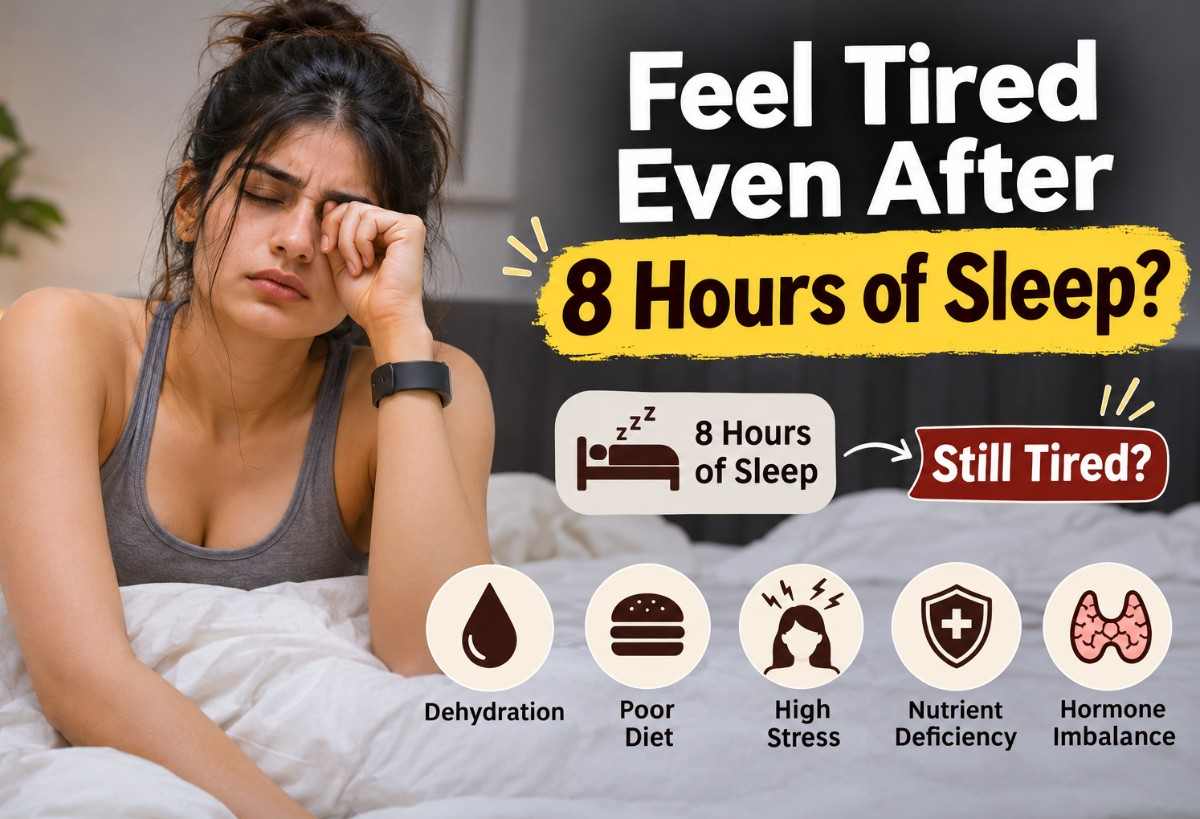
Getting eight hours of sleep every night but still waking up feeling exhausted can be frustrating. You go to bed on time, get what seems like enough rest, and expect to wake up refreshed. However, instead of feeling energetic, you experience morning fatigue, heavy eyes, brain fog, or a constant desire to go back to sleep.
If this sounds familiar, you are not alone. Sleeping for eight hours does not always mean your body has received the quality of rest it needs.
Several factors can contribute to feeling tired even after a full night’s sleep, including poor sleep quality, stress, nutritional deficiencies, hormonal imbalances, sleep disorders, and certain medical conditions.
Understanding the possible reasons can help you identify what is affecting your energy levels and when it may be time to seek medical advice.
Why Do I Feel Tired Even After 8 Hours of Sleep?
You may feel tired after eight hours of sleep because your sleep quality is poor, your sleep schedule is irregular, or an underlying health condition is affecting your energy levels.
Your body needs more than just enough hours in bed. It also needs uninterrupted, restorative sleep to support physical recovery, brain function, hormone regulation, and overall health.
For example, someone who sleeps for eight hours but wakes up several times during the night may feel less refreshed than someone who gets uninterrupted sleep.
Persistent tiredness can also be associated with conditions such as sleep apnea, iron-deficiency anemia, thyroid disorders, diabetes, depression, and other health problems.
15 Reasons You Feel Tired Even After 8 Hours of Sleep
Here are some common reasons you may wake up feeling exhausted despite getting a full night’s sleep.
1. Poor Sleep Quality
The number of hours you sleep is important, but sleep quality matters just as much.
You may spend eight hours in bed without getting enough restorative sleep. Frequent awakenings, environmental disturbances, discomfort, and irregular sleep patterns can interrupt your natural sleep cycle.
Even if you do not remember waking up, small interruptions throughout the night may leave you feeling tired the next morning.
What can help: Maintain a comfortable sleeping environment, follow a consistent bedtime, and reduce unnecessary disturbances during the night.
2. Sleep Apnea
Sleep apnea is a sleep disorder in which breathing repeatedly stops and starts during sleep.
These interruptions can prevent your body from getting uninterrupted rest, even if you sleep for eight hours or longer.
Common warning signs include:
- Loud or frequent snoring.
- Gasping or choking during sleep.
- Waking up with a dry mouth.
- Morning headaches.
- Difficulty concentrating.
- Excessive daytime sleepiness.
Some people with sleep apnea do not realize they have it because the breathing interruptions happen while they are asleep.
What can help: If you regularly wake up exhausted, especially if you snore loudly or someone notices pauses in your breathing, consult a healthcare professional. A sleep study may be recommended.
3. Iron Deficiency or Anemia
Iron plays an important role in producing hemoglobin, a protein in red blood cells that carries oxygen throughout the body.
When your iron levels are too low, your body may not produce enough healthy red blood cells. This can lead to iron-deficiency anemia, which commonly causes fatigue and weakness.
Other possible symptoms include:
- Pale skin.
- Dizziness or lightheadedness.
- Shortness of breath.
- Headaches.
- Cold hands and feet.
- Noticeable heartbeats.
Iron deficiency can occur due to inadequate dietary intake, blood loss, pregnancy, or problems absorbing iron.
What can help: A healthcare professional may recommend blood tests, including a complete blood count and ferritin test, to investigate possible iron deficiency. Avoid taking iron supplements without medical advice.
4. Dehydration
Not drinking enough fluids throughout the day can affect how you feel physically and mentally.
Dehydration may contribute to tiredness, headaches, dizziness, dry mouth, and difficulty concentrating.
If you go to bed already dehydrated, you may wake up feeling uncomfortable or low on energy.
What can help: Drink water regularly throughout the day. Increase fluid intake when you sweat heavily, exercise, or experience hot weather, unless your healthcare professional has advised you to restrict fluids.
5. Thyroid Problems
The thyroid gland produces hormones that help regulate metabolism, body temperature, and energy use.
When the thyroid does not produce enough hormones, a condition called hypothyroidism develops.
One of its common symptoms is persistent tiredness, even after getting enough sleep.
Other possible symptoms include:
- Unexplained weight gain.
- Increased sensitivity to cold.
- Dry skin.
- Constipation.
- Hair thinning.
- Muscle weakness.
- Difficulty concentrating.
What can help: If fatigue occurs alongside these symptoms, speak with a healthcare professional. Thyroid blood tests, such as TSH and free T4, may help identify a thyroid problem.
6. Stress and Anxiety
Your mind can remain active even when your body is physically resting.
Work pressure, financial concerns, family responsibilities, relationship problems, and everyday worries can contribute to stress and anxiety.
These feelings may make it difficult to relax, fall asleep, or stay asleep throughout the night.
As a result, you may wake up feeling mentally exhausted even after spending eight hours in bed.
What can help: Try relaxation techniques, deep breathing, gentle stretching, journaling, or meditation before bedtime. If stress or anxiety is affecting your daily life, consider speaking with a mental health professional.
7. Depression
Depression does not always appear as sadness. Some people experience it mainly through physical symptoms, including persistent tiredness and low energy.
It can affect sleep patterns, appetite, motivation, concentration, and everyday activities.
Some people with depression sleep too much but still feel exhausted. Others experience insomnia and wake up frequently during the night.
Other possible symptoms include:
- Loss of interest in enjoyable activities.
- Persistent low mood.
- Changes in appetite.
- Feelings of hopelessness.
- Difficulty concentrating.
- Social withdrawal.
What can help: If tiredness is accompanied by ongoing changes in mood or interest in daily activities, seek support from a qualified healthcare or mental health professional.
8. Vitamin B12 Deficiency
Vitamin B12 is essential for healthy red blood cell production and normal nervous system function.
A deficiency can contribute to tiredness, weakness, and certain neurological symptoms.
Possible warning signs include:
- Tingling or numbness in the hands and feet.
- Pale skin.
- Memory difficulties.
- Balance problems.
- A sore or red tongue.
- Unusual weakness.
People following restrictive diets, particularly diets without animal-based foods, may have a higher risk of vitamin B12 deficiency.
What can help: A healthcare professional can assess your symptoms and recommend a vitamin B12 blood test if appropriate. Treatment depends on the cause and severity of the deficiency.
9. Unhealthy Eating Habits
Your daily diet plays an important role in maintaining energy levels.
Skipping meals, eating too little, relying heavily on highly processed foods, or not getting enough essential nutrients may contribute to tiredness.
Your body needs a balanced supply of carbohydrates, proteins, healthy fats, vitamins, and minerals to support normal functions.
What can help: Include a variety of nutritious foods in your meals, such as fruits, vegetables, whole grains, beans, lentils, nuts, seeds, and protein-rich foods.
10. Too Much Caffeine
Coffee, tea, energy drinks, and other caffeinated beverages can temporarily increase alertness.
However, consuming caffeine late in the afternoon or evening may interfere with your ability to fall asleep and affect sleep quality.
You might still sleep for eight hours but wake up feeling less refreshed.
What can help: Monitor your caffeine intake and consider avoiding caffeinated drinks in the afternoon and evening, particularly if you have difficulty sleeping.
11. Alcohol Consumption
Alcohol may make some people feel sleepy initially, but it can interfere with normal sleep patterns.
It may increase nighttime awakenings and reduce the quality of rest.
This means you could spend eight hours in bed after drinking alcohol but still wake up feeling tired.
What can help: Avoid using alcohol as a sleep aid. Reducing or avoiding alcohol, particularly close to bedtime, may help improve sleep quality.
12. Irregular Sleep Schedule
Going to bed at different times every night can disrupt your body’s internal clock, also known as the circadian rhythm.
For example, sleeping at 10 PM on weekdays but staying awake until 2 AM on weekends may make it harder to maintain a consistent sleep pattern.
An irregular schedule can contribute to morning tiredness, daytime sleepiness, and difficulty concentrating.
What can help: Try to go to bed and wake up at approximately the same time every day, including weekends.
13. Certain Medications
Some medications can cause tiredness, drowsiness, or changes in sleep patterns.
Examples include:
- Certain antihistamines used for allergies.
- Some antidepressants.
- Certain blood pressure medications.
- Some pain medications.
- Certain medicines used to treat anxiety.
Medication-related tiredness can occur even when you get enough sleep.
What can help: Review your medications with your healthcare professional or pharmacist if you notice unusual tiredness. Never stop or change prescribed medication without medical guidance.
14. Diabetes or Blood Sugar Problems
Blood sugar helps provide energy to the body’s cells.
When blood glucose levels are consistently too high or poorly controlled, you may experience persistent tiredness.
Other possible symptoms of diabetes include:
- Increased thirst.
- Frequent urination.
- Increased hunger.
- Blurred vision.
- Unexplained weight changes.
- Slow-healing wounds.
What can help: If you experience persistent fatigue along with these symptoms, consult a healthcare professional. Blood glucose testing or an HbA1c test may be recommended.
15. Chronic Fatigue Syndrome (ME/CFS)
Myalgic encephalomyelitis/chronic fatigue syndrome (ME/CFS) is a complex long-term condition associated with severe fatigue that is not relieved by ordinary rest.
People with ME/CFS may wake up feeling unrefreshed even after sleeping for several hours.
Other possible symptoms include:
- Difficulty thinking or concentrating.
- Memory problems.
- Muscle or joint pain.
- Dizziness when standing.
- Sleep disturbances.
- Worsening symptoms after physical or mental activity, known as post-exertional malaise.
What can help: If you experience persistent, unexplained exhaustion that interferes with everyday activities, consult a healthcare professional for an appropriate evaluation.
Why Do I Wake Up Tired and Have No Energy Throughout the Day?
Waking up tired is one thing, but feeling exhausted throughout the entire day can be especially frustrating.
Several factors may contribute to this experience:
- Poor sleep quality: Your body may not be getting enough restorative sleep.
- Blood sugar fluctuations: Changes in blood glucose can contribute to fatigue.
- Nutritional deficiencies: Low iron or vitamin B12 levels may affect energy production and normal body functions.
- Sleep disorders: Conditions such as sleep apnea can cause excessive daytime sleepiness.
- Mental exhaustion: Stress, anxiety, and depression can affect your energy and motivation.
- Lack of physical activity: A sedentary lifestyle may contribute to low energy and poor fitness.
If daytime tiredness happens regularly or interferes with work, studies, or daily activities, it is worth discussing with a healthcare professional.
How to Stop Feeling Tired After 8 Hours of Sleep?
Improving your daily habits may help you feel more refreshed in the morning. However, these changes cannot replace medical treatment if an underlying condition is responsible.
Here are some practical ways to support better sleep and energy levels.
1. Maintain a Consistent Sleep Schedule
Try to sleep and wake up at the same time every day. A regular schedule helps support your body’s natural sleep-wake rhythm.
2. Get Morning Sunlight
Spend some time outdoors in natural daylight after waking up. Morning light helps regulate your circadian rhythm and supports a healthy sleep-wake cycle.
3. Eat a Balanced Breakfast
Include protein, fiber, and nutritious carbohydrates in your breakfast. Options include eggs, oats, yogurt, fruit, nuts, and whole grains.
4. Stay Hydrated
Drink enough water throughout the day. Proper hydration supports normal body functions and may help prevent dehydration-related tiredness.
5. Exercise Regularly
Walking, cycling, swimming, yoga, and other moderate physical activities can support overall health and improve sleep quality.
Start gradually if you are not physically active.
6. Reduce Screen Time Before Bed
Phones, tablets, and computers can keep your mind engaged when you should be winding down.
Consider limiting screen use during the hour before bedtime.
7. Avoid Heavy Meals Close to Bedtime
Large meals shortly before sleeping may cause discomfort or interfere with your ability to rest comfortably.
Try to finish your evening meal a few hours before going to bed.
8. Create a Comfortable Sleeping Environment
Keep your bedroom quiet, dark, and comfortably cool. Choose a comfortable mattress and pillow that support your sleeping position.
9. Limit Afternoon and Evening Caffeine
Avoid consuming coffee, strong tea, energy drinks, or other caffeinated products close to bedtime.
10. Manage Daily Stress
Make time for relaxing activities, such as reading, gentle yoga, meditation, or breathing exercises.
Managing stress can help you establish a healthier bedtime routine.
What Tests Should I Get If I Feel Tired After Sleeping 8 Hours?
If you regularly wake up exhausted despite getting enough sleep, a healthcare professional may recommend certain tests depending on your symptoms, medical history, and physical examination.
Possible investigations include:
| Test | What It May Help Identify |
|---|---|
| Complete Blood Count (CBC) | Anemia and certain blood abnormalities |
| Ferritin Test | Iron stores in the body |
| Vitamin B12 Test | Vitamin B12 deficiency |
| Thyroid Function Tests | Thyroid disorders |
| Fasting Blood Glucose | Blood sugar abnormalities |
| HbA1c Test | Average blood glucose levels over approximately three months |
| Vitamin D Test | Vitamin D deficiency when clinically suspected |
| Sleep Study | Sleep apnea and certain other sleep disorders |
Not everyone needs all these tests. Your healthcare professional can decide which investigations are appropriate based on your individual symptoms.
When Should You See a Doctor?
Occasional tiredness is common and may improve with better sleep habits, proper nutrition, hydration, and stress management.
However, persistent fatigue should not be ignored.
Consider scheduling a medical appointment if:
- You feel tired every morning despite getting enough sleep.
- Your fatigue continues for several weeks without improvement.
- You regularly feel sleepy during the day.
- You have unexplained weight gain or weight loss.
- You experience frequent headaches or dizziness.
- You notice unusual weakness or difficulty concentrating.
- Your tiredness affects your ability to work or complete daily activities.
- You snore loudly or wake up gasping for air.
Seek urgent medical attention if fatigue occurs with chest pain, severe shortness of breath, fainting, sudden confusion, or other severe or sudden symptoms.
Finding the underlying cause is important because treatment depends on what is contributing to your tiredness.
Final Thoughts
Feeling tired even after eight hours of sleep does not necessarily mean you need to spend more time in bed. Sometimes, the problem is poor sleep quality, an irregular routine, stress, or lifestyle habits. In other cases, fatigue may be related to anemia, thyroid problems, sleep apnea, diabetes, or other medical conditions.
Pay attention to how you feel throughout the day and whether you experience other symptoms alongside tiredness.
Improving your sleep habits is a good starting point, but persistent exhaustion deserves proper medical attention. Getting the right diagnosis can help you understand what your body needs and find an appropriate way to restore your energy.
FAQ’s
Why do I wake up exhausted every morning?
Waking up exhausted may be linked to interrupted sleep, irregular sleep schedules, dehydration, stress, or conditions such as anemia and thyroid disorders.
Can vitamin deficiency make you tired after sleeping?
Yes. Iron, vitamin B12, and other nutritional deficiencies can contribute to fatigue, weakness, and low energy even after adequate sleep.
Is sleeping 8 hours enough to feel refreshed?
Eight hours is sufficient for many adults, but sleep quality also matters. Frequent awakenings and sleep disorders can prevent you from feeling refreshed.
Can stress make you tired even after 8 hours of sleep?
Yes. Chronic stress and anxiety can interfere with restorative sleep and leave you feeling mentally and physically exhausted.
What medical conditions cause tiredness after 8 hours of sleep?
Sleep apnea, iron-deficiency anemia, hypothyroidism, diabetes, depression, and ME/CFS are among the conditions that may cause persistent fatigue.
Is it normal to feel tired every morning?
Occasionally waking up tired is common. However, regularly feeling exhausted every morning despite adequate sleep may indicate a sleep problem, lifestyle issue, or medical condition that needs attention.
Does sleeping too much cause tiredness?
Sleeping longer than your body needs may sometimes be associated with grogginess or an underlying health problem. However, longer sleep is not automatically harmful, and individual sleep needs vary.
Sources / References:
Disclaimer:
This article is for educational purposes only and should not replace professional medical advice, diagnosis, or treatment. Consult a qualified healthcare professional for persistent fatigue or concerning symptoms.
Also Read:
1 thought on “Why Do I Feel Tired Even After 8 Hours of Sleep? 15 Reasons”