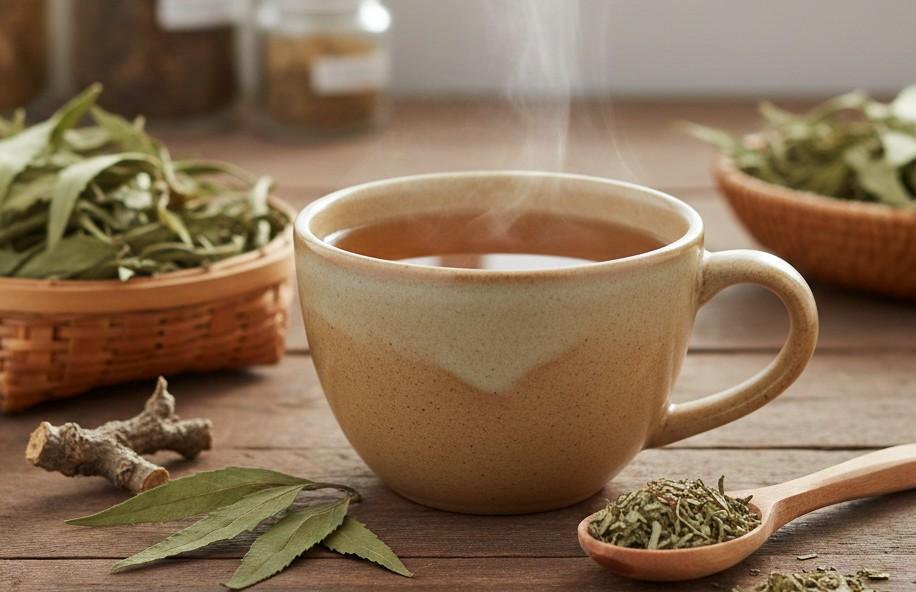
Yerba Santa Tea is one of those traditional herbal remedies that has quietly supported respiratory and overall wellness for generations. Known for its soothing properties and slightly bitter, aromatic taste, this herbal tea has roots in Native American healing traditions and continues to gain attention in modern herbal medicine. In this guide, you will learn everything about Yerba Santa Tea — from its proven health benefits to its side effects, preparation method, and safety precautions.
What Is Yerba Santa Tea?
Yerba Santa Tea is an herbal infusion made from the leaves of Eriodictyon californicum, a flowering shrub native to California and parts of the southwestern United States. The name “Yerba Santa” means “holy herb” in Spanish, reflecting the high regard early settlers and indigenous tribes had for this plant.
Traditionally, Native American tribes used Yerba Santa leaves to support:
- Respiratory health
- Cough relief
- Asthma management
- Mucus congestion
- Wound healing
The leaves are thick, sticky, and aromatic. When brewed as tea, they produce a mildly bitter yet soothing drink known for its expectorant and anti-inflammatory properties.
Yerba Santa is commonly classified as:
- An expectorant herb
- A mild bronchodilator
- An anti-inflammatory botanical
- An antioxidant-rich plant
Components of Yerba Santa Tea
Yerba Santa Tea is not consumed for calories but for its bioactive compounds. The nutritional profile mainly consists of phytochemicals, flavonoids, and plant-based compounds that support health. Below is the approximate composition per 1 cup (240 ml) of brewed Yerba Santa Tea (unsweetened):
| Nutrient / Compound | Approximate Amount |
|---|---|
| Calories | 0–2 kcal |
| Carbohydrates | <1 g |
| Protein | 0 g |
| Fat | 0 g |
| Fiber | 0 g |
| Flavonoids (e.g., eriodictyol) | Present |
| Tannins | Present |
| Volatile oils | Trace amounts |
| Antioxidants | Moderate to high |
| Caffeine | 0 mg |
The key active compound in Yerba Santa is eriodictyol, a flavonoid known for antioxidant and respiratory-supportive effects.
20 Science-Backed Benefits of Yerba Santa Tea
1. Supports Respiratory Health
Yerba Santa Tea helps open airways and reduce mucus buildup, supporting easier breathing.
2. Acts as a Natural Expectorant
It promotes the expulsion of excess mucus from the lungs and bronchial passages.
3. Helps Relieve Cough
The soothing compounds in Yerba Santa Tea may calm throat irritation and reduce coughing frequency.
4. May Support Asthma Management
Its mild bronchodilating properties may assist in easing breathing difficulties associated with asthma.
5. Reduces Inflammation
The flavonoids in Yerba Santa help decrease inflammatory responses in the body.
6. Rich in Antioxidants
Yerba Santa Tea contains antioxidant compounds that help neutralize free radicals.
7. May Support Immune Function
Its bioactive plant compounds may enhance the body’s natural defense mechanisms.
8. Helps with Seasonal Allergies
Yerba Santa Tea may help reduce allergy-related congestion and irritation.
9. Supports Sinus Health
The tea can help ease sinus pressure and nasal blockage.
10. May Soothe Sore Throat
Its slightly astringent properties help tighten tissues and reduce throat discomfort.
11. Supports Digestive Health
Traditional use suggests Yerba Santa Tea may help calm mild digestive upset.
12. Mild Antimicrobial Properties
Certain plant compounds may help inhibit the growth of harmful microorganisms.
13. May Help Reduce Fever
Traditional herbal systems used Yerba Santa to support the body during mild fevers.
14. Supports Oral Health
The antimicrobial and astringent properties may help reduce oral bacteria.
15. May Promote Wound Healing
When used topically or internally, it has been traditionally linked to faster tissue recovery.
16. Helps with Bronchitis Symptoms
Yerba Santa Tea may reduce chest congestion associated with bronchitis.
17. May Improve Lung Function
Some evidence suggests it supports better airflow and lung capacity.
18. Helps Detoxify the Body
Its antioxidant properties may support the liver’s natural detox pathways.
19. May Reduce Oxidative Stress
Regular consumption may help protect cells from oxidative damage.
20. Traditionally Used for Tuberculosis Support
Historically, Yerba Santa was used as supportive care for respiratory infections such as tuberculosis.
10 Side Effects of Yerba Santa Tea
Although generally safe in moderate amounts, Yerba Santa Tea may cause side effects in some individuals.
1. Digestive Discomfort
Excessive intake may cause nausea or stomach irritation.
2. Bitter Taste Intolerance
Its strong bitterness may cause gagging or discomfort for sensitive individuals.
3. Allergic Reactions
Some people may experience skin rash or itching.
4. Dry Mouth
Its astringent nature may cause temporary dryness in the mouth.
5. Low Blood Sugar Risk
It may potentially enhance blood sugar-lowering effects.
6. Interaction with Respiratory Medications
Yerba Santa may interact with asthma or bronchodilator medications.
7. Possible Blood Pressure Effects
High doses could influence blood pressure levels.
8. Pregnancy Safety Not Established
There is insufficient research regarding its safety during pregnancy.
9. Breastfeeding Concerns
Limited evidence exists about its effects during lactation.
10. Overuse May Cause Dehydration
Its mild astringent effect may contribute to dryness if consumed excessively.
How to Make Yerba Santa Tea?
Making Yerba Santa Tea at home is simple.
Ingredients:
- 1–2 teaspoons dried Yerba Santa leaves
- 1 cup hot water
- Honey (optional)
Instructions:
- Boil water and let it cool slightly for 1 minute.
- Add dried leaves to a cup.
- Pour hot water over the leaves.
- Cover and steep for 10–15 minutes.
- Strain and drink warm.
For stronger respiratory support, some herbalists recommend a 15–20 minute steep time.
Other Uses of Yerba Santa Tea
Beyond drinking it as tea, Yerba Santa has additional applications:
- Herbal steam inhalation for congestion
- Gargle solution for sore throat
- Herbal compress for wounds
- Tincture preparation
- Herbal syrup for cough relief
- Aromatic smoking herb (traditional ceremonial use)
How Much Yerba Santa Tea Can You Drink a Day?
For most healthy adults:
- 1–3 cups per day is generally considered safe.
- Avoid exceeding 3 cups daily unless supervised by a healthcare professional.
It is best to start with 1 cup per day to assess tolerance.
Tips for Consuming Yerba Santa Tea
- Start with a small amount if new to the herb.
- Add honey or lemon to reduce bitterness.
- Use high-quality, organic dried leaves.
- Avoid long-term daily use without breaks.
- Store dried leaves in an airtight container away from sunlight.
Best Time to Drink Yerba Santa Tea
The best time depends on your goal:
- For respiratory relief: Morning or early evening
- For cough support: Before bedtime
- For immune support: Mid-morning
- For digestion: After meals
Avoid drinking immediately before intense exercise.
Who Should Drink Yerba Santa Tea?
Yerba Santa Tea may benefit:
- People with seasonal allergies
- Individuals prone to cough and congestion
- Those seeking natural respiratory support
- People looking for caffeine-free herbal tea
- Individuals wanting antioxidant-rich beverages
Who Should Not Drink Yerba Santa Tea?
Avoid or consult a healthcare provider if you:
- Are pregnant or breastfeeding
- Have severe liver disease
- Take asthma prescription medications
- Have known plant allergies
- Are scheduled for surgery
- Have uncontrolled diabetes
Precautions and Interactions
While Yerba Santa Tea is natural, it is still biologically active.
Medication Interactions:
- Bronchodilators
- Blood sugar medications
- Blood pressure drugs
- Anti-inflammatory medications
Safety Guidelines:
- Do not exceed recommended dosage.
- Stop use if allergic reactions occur.
- Consult a healthcare professional before combining with medications.
- Avoid giving to children without medical advice.
- Take breaks after 2–3 weeks of continuous use.
Final Thoughts
Yerba Santa Tea is a traditional herbal infusion valued for its respiratory, anti-inflammatory, and antioxidant properties. Rooted in Native American medicine and supported by emerging scientific research, it offers a natural way to support lung health, soothe cough, and enhance immune function.
However, like any medicinal herb, moderation and awareness are essential. When consumed responsibly, Yerba Santa Tea can be a beneficial addition to a holistic wellness routine. If you are considering adding Yerba Santa Tea to your daily regimen, especially for chronic respiratory conditions, consult a qualified healthcare professional to ensure safety and proper use.
FAQ’s
What is Yerba Santa Tea good for?
Yerba Santa Tea is mainly used to support respiratory health, relieve cough, reduce mucus congestion, and provide antioxidant and anti-inflammatory benefits.
Is Yerba Santa Tea safe to drink daily?
Yerba Santa Tea can generally be consumed in moderation (1–3 cups per day), but long-term daily use should be discussed with a healthcare professional.
Does Yerba Santa Tea contain caffeine?
No, Yerba Santa Tea is completely caffeine-free, making it suitable for evening consumption.
Can Yerba Santa Tea help with asthma?
Yerba Santa has traditionally been used to support asthma symptoms due to its mild bronchodilating properties, but it should not replace prescribed asthma medications.
How long does it take for Yerba Santa Tea to work?
Some people may notice relief from congestion or cough within a few hours, while consistent use for several days may provide more noticeable benefits.
Is Yerba Santa Tea good for cough?
Yes, Yerba Santa Tea is commonly used as a natural expectorant to help loosen mucus and soothe throat irritation.
Can Yerba Santa Tea help with bronchitis?
It may help relieve symptoms of bronchitis such as chest congestion and mucus buildup, but medical treatment may still be necessary for severe cases.
Is Yerba Santa Tea safe during pregnancy?
There is not enough scientific research to confirm its safety during pregnancy, so pregnant women should avoid it unless advised by a healthcare provider.
Can children drink Yerba Santa Tea?
Yerba Santa Tea is not generally recommended for children without medical supervision.
What does Yerba Santa Tea taste like?
Yerba Santa Tea has a slightly bitter, aromatic, and mildly sweet aftertaste; adding honey or lemon can improve its flavor.
Can Yerba Santa Tea lower blood sugar?
Some traditional reports suggest it may influence blood sugar levels, so individuals with diabetes should consult a doctor before use.
How should Yerba Santa Tea be stored?
Dried Yerba Santa leaves should be stored in an airtight container away from heat, moisture, and direct sunlight to preserve potency.
Is Yerba Santa Tea good for immune health?
Its antioxidant and antimicrobial properties may help support the immune system.
Can I drink Yerba Santa Tea before bed?
Yes, since it is caffeine-free, it can be consumed before bedtime, especially for nighttime cough relief.
Also Read: