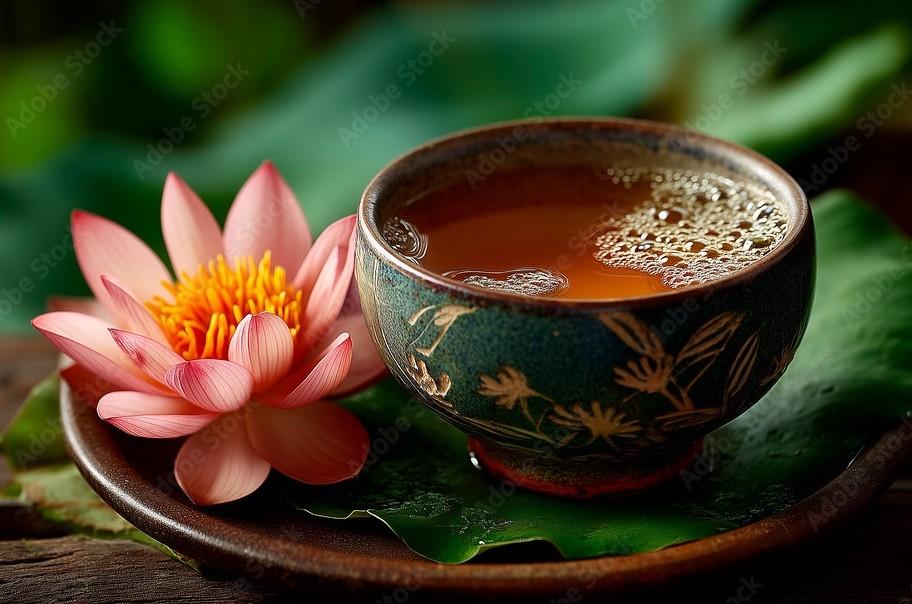
Herbal teas have long been valued in traditional wellness systems for their gentle healing properties. Among them, Lotus Leaf Tea stands out for its unique background in Asian herbal traditions and its reputation for supporting metabolism, digestion, and overall vitality. Made from the leaves of the sacred lotus plant, this tea has gained popularity among people seeking natural ways to support their health. In this guide, we will explore what Lotus Leaf Tea is, its proven health benefits, possible side effects, preparation methods, and practical usage tips so you can decide whether it deserves a place in your routine.
What is Lotus Leaf Tea?
Lotus Leaf Tea is an herbal infusion made from the dried leaves of the lotus plant (Nelumbo nucifera), often referred to as the sacred lotus or Indian lotus. This aquatic plant grows in ponds and slow-moving water across Asia and has deep cultural, spiritual, and medicinal significance.
The leaves have been used for centuries in traditional Chinese and Ayurvedic practices. They are believed to possess cooling properties and are often associated with supporting digestion, promoting healthy weight management, and helping balance the body. The tea has a mild earthy taste with slightly bitter undertones. It can be consumed hot or cold and is often blended with other herbs or natural sweeteners to enhance flavor.
Components of Lotus Leaf Tea
Although Lotus Leaf Tea is not a significant source of macronutrients, it contains plant compounds that may contribute to its wellness benefits.
| Nutrient/Compound | Approximate Presence | Role in the Body |
|---|---|---|
| Flavonoids | Moderate | Antioxidant and anti-inflammatory effects |
| Alkaloids (e.g., nuciferine) | Trace amounts | May support metabolism and mood balance |
| Tannins | Moderate | Digestive support and antimicrobial properties |
| Polyphenols | Moderate | Help combat oxidative stress |
| Vitamins (trace) | Small amounts | General metabolic support |
| Minerals (trace) | Small amounts | Cellular and enzymatic function |
| Fiber residues | Minimal | Digestive support in brewed form |
| Natural plant antioxidants | Present | Cellular protection |
Note: Nutrient levels vary depending on preparation and leaf quality.
20 Science-Backed Benefits of Lotus Leaf Tea
Below are potential benefits supported by research into lotus plant compounds and traditional use patterns. These should not replace medical advice.
1. Supports Weight Management
Certain lotus leaf compounds may influence fat metabolism and reduce lipid accumulation, making the tea popular in weight-support routines.
2. Promotes Healthy Digestion
The tannins and plant compounds may assist in easing bloating and improving overall digestive function.
3. Rich in Antioxidants
Polyphenols help neutralize free radicals and protect cells from oxidative stress.
4. Supports Heart Health
Compounds in lotus leaves have been studied for their ability to help regulate cholesterol and lipid levels.
5. Helps Maintain Healthy Blood Sugar Levels
Some studies suggest lotus leaf extracts may contribute to improved glucose metabolism.
6. Anti-Inflammatory Properties
Flavonoids may help reduce inflammatory markers in the body.
7. Encourages Detoxification
Traditionally used to assist natural liver and kidney cleansing processes.
8. Promotes Calmness
Alkaloids like nuciferine may have mild calming effects that support relaxation.
9. Supports Liver Function
Research indicates potential protective effects on liver cells.
10. Aids in Fluid Balance
Often used to support reduction of mild water retention.
11. Supports Skin Health
Antioxidant effects may indirectly benefit skin clarity and resilience.
12. May Reduce Fatigue
Some users report improved vitality with regular consumption.
13. Supports Immune Function
Antioxidants and plant compounds contribute to immune resilience.
14. Helps Manage Cholesterol
Studies have linked lotus leaf compounds to reduced LDL levels.
15. Encourages Healthy Circulation
Improved vascular function may result from antioxidant activity.
16. Supports Metabolic Efficiency
May help regulate metabolic pathways related to fat breakdown.
17. Promotes Gut Microbial Balance
Plant compounds may support beneficial gut flora.
18. Helps Reduce Oxidative Stress
Protects cells from environmental and metabolic damage.
19. May Assist with Appetite Control
Traditionally believed to help reduce excessive hunger.
20. Provides Gentle Hydration
As a caffeine-free herbal tea, it contributes to daily fluid intake.
10 Side Effects of Lotus Leaf Tea
While generally safe in moderation, some individuals may experience unwanted effects.
1) Digestive Discomfort:
Some individuals may experience mild stomach upset, cramping, or nausea, especially when drinking strong or excessive amounts of Lotus Leaf Tea.
2) Dizziness or Lightheadedness:
Certain plant compounds may lower blood pressure slightly, which can lead to dizziness in sensitive individuals.
3) Allergic Reactions:
Although rare, people allergic to aquatic or herbal plants may develop itching, rash, or swelling after consumption.
4) Blood Sugar Fluctuations:
Lotus leaf compounds may influence glucose metabolism, which could affect individuals managing blood sugar conditions.
5) Interaction with Medications:
It may interfere with medications related to blood pressure, blood sugar regulation, or weight management.
6) Dehydration Risk:
Due to its traditional use for reducing fluid retention, excessive consumption may contribute to mild dehydration.
7) Headaches:
Some users report headaches when first introducing the tea or consuming it in large quantities.
8) Low Blood Pressure:
People prone to hypotension may notice increased symptoms such as weakness or fatigue.
9) Not Recommended During Pregnancy:
Insufficient safety data means pregnant individuals should avoid use unless guided by a healthcare professional.
10) Breastfeeding Concerns:
Limited research on safety during lactation suggests caution and medical consultation before use.
How to Make Lotus Leaf Tea?
Ingredients:
- 1–2 teaspoons dried lotus leaves
- 1 cup hot water
Instructions:
- Bring water to a boil.
- Place dried leaves in a cup or teapot.
- Pour hot water over the leaves.
- Steep for 5–10 minutes.
- Strain and serve warm.
Optional additions include honey, lemon, or ginger for flavor.
Other Uses of Lotus Leaf Tea
- As a base for herbal blends
- Used in traditional detox routines
- Cooling beverage during warm seasons
- Incorporated into wellness fasting regimens
- Applied topically (cooled infusion) for skin soothing
How Much Lotus Leaf Tea Can You Drink a Day?
Moderation is key.
- Typical recommendation: 1–3 cups daily
- Beginners should start with one cup
- Excessive intake is not advised
Consult a healthcare professional for personalized guidance.
Tips for Consuming Lotus Leaf Tea
- Use high-quality dried leaves
- Avoid over-steeping to reduce bitterness
- Pair with balanced meals
- Stay hydrated
- Monitor body response when starting
- Store leaves in an airtight container
- Rotate with other herbal teas
Best Time to Drink Lotus Leaf Tea
- Morning: Supports digestion and metabolism
- Afternoon: Gentle hydration and refreshment
- Before meals: May aid appetite control
Avoid late night consumption if sensitive to herbal stimulatory effects.
Who Should Drink Lotus Leaf Tea?
- Adults seeking caffeine-free herbal beverages
- Individuals supporting weight management goals
- Those interested in antioxidant-rich drinks
- People looking for digestive support
Who Should Not Drink Lotus Leaf Tea?
- Pregnant or breastfeeding individuals without medical approval
- Children unless advised by a professional
- People on blood sugar or blood pressure medication
- Individuals with plant allergies
- Anyone with chronic conditions requiring dietary supervision
Precautions and Interactions
- Always consult a healthcare provider if you have medical conditions
- Avoid combining with herbal weight-loss supplements without guidance
- Monitor interactions with prescription medications
- Stop use if adverse reactions occur
- Use only recommended quantities
FAQ’s
Q1. What is Lotus Leaf Tea made from?
Lotus Leaf Tea is made from the dried leaves of the sacred lotus plant (Nelumbo nucifera). The leaves are steeped in hot water to create a mild herbal infusion.
Q2. How long does it take for Lotus Leaf Tea to work?
Effects vary by individual and purpose. Some people notice digestive comfort within hours, while broader wellness benefits may require consistent use over weeks.
Q3. How should Lotus Leaf Tea be stored?
Store dried lotus leaves in an airtight container in a cool, dry place away from sunlight. Proper storage helps preserve flavor and potency.
Q4. Is Lotus Leaf Tea safe for children?
It is generally not recommended for children unless approved by a healthcare professional, as herbal responses can vary.
Q5. What is Lotus Leaf Tea good for?
It is commonly consumed for antioxidant support, digestion, hydration, metabolic balance, and as a caffeine-free herbal beverage.
Q6. Can Lotus Leaf Tea be consumed daily?
Yes, most healthy adults can drink 1–3 cups daily in moderation, but excessive intake should be avoided.
Q7. Does Lotus Leaf Tea contain caffeine?
No, Lotus Leaf Tea is naturally caffeine-free and suitable for those avoiding stimulants.
Q8. Can Lotus Leaf Tea help with weight management?
Some traditional and research-based evidence suggests it may support fat metabolism and appetite balance when combined with a healthy lifestyle.
Q9. What does Lotus Leaf Tea taste like?
It has a mild earthy flavor with slightly bitter undertones, which can be softened with natural sweeteners or lemon.
Q10. Is Lotus Leaf Tea safe for pregnant women?
Lotus Leaf Tea is generally not recommended during pregnancy due to limited research on its safety and its potential effects on metabolism and circulation. Pregnant women should consult a healthcare professional before consuming any herbal teas, including lotus leaf tea.
Also Read: