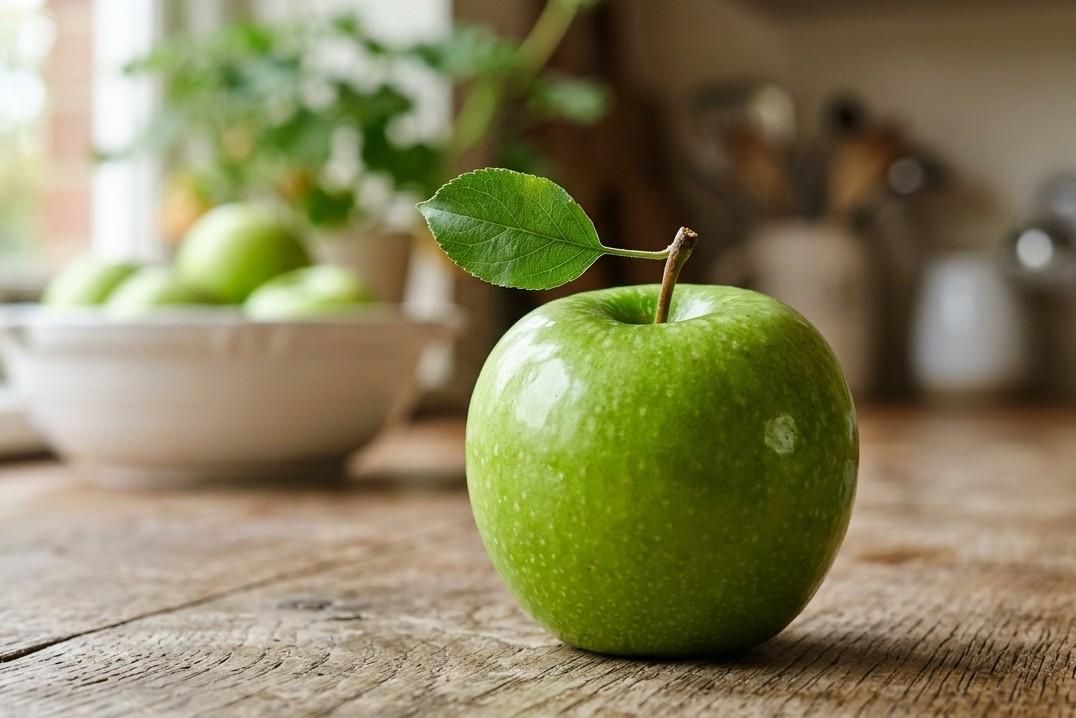
Green apples are among the most refreshing and widely loved fruits across the world. Their crisp texture, tangy flavor, and impressive nutritional profile make them a popular choice for both health enthusiasts and everyday snackers. Whether eaten raw, added to salads, or blended into juices, green apples offer a versatile and nutritious addition to your diet.
In this guide, we will explore everything you need to know about green apples—from their nutrition and science-backed health benefits to side effects, usage tips, and more.
What is Green Apple?
Green apple refers to apple varieties that retain a green skin even when ripe. The most popular variety is the Granny Smith apple, known for its tart flavor and firm texture. Unlike red apples, green apples are less sweet and slightly more acidic, which makes them ideal for both culinary uses and raw consumption.
Green apples are rich in dietary fiber, antioxidants, and essential vitamins, making them a powerhouse of nutrition. They are especially favored by those aiming for weight loss or blood sugar control due to their relatively lower sugar content.
Nutrition Facts of Green Apple (Per 100 grams)
| Nutrient | Amount |
|---|---|
| Calories | 52 kcal |
| Carbohydrates | 14 g |
| Sugars | 10 g |
| Dietary Fiber | 2.4 g |
| Protein | 0.3 g |
| Fat | 0.2 g |
| Vitamin C | 4.6 mg |
| Vitamin A | 54 IU |
| Potassium | 107 mg |
| Calcium | 6 mg |
| Iron | 0.1 mg |
| Water Content | 85% |
20 Proven Health Benefits of Green Apple
- Supports Weight Loss: Green apples are low in calories and high in fiber, helping you feel full for longer and reducing overeating.
- Improves Digestion: The fiber content promotes healthy bowel movements and prevents constipation.
- Boosts Immunity: Vitamin C strengthens the immune system and helps fight infections.
- Enhances Skin Health: Antioxidants help reduce signs of aging and promote glowing skin.
- Regulates Blood Sugar: Low glycemic index makes it suitable for diabetics in moderation.
- Supports Heart Health: Fiber and antioxidants help reduce bad cholesterol levels.
- Detoxifies the Body: Helps flush out toxins and supports liver function.
- Improves Brain Function: Antioxidants protect brain cells from oxidative stress.
- Strengthens Bones: Contains minerals that contribute to bone density.
- Promotes Gut Health: Acts as a prebiotic, feeding good gut bacteria.
- Hydrates the Body: High water content helps maintain hydration.
- Improves Metabolism: Nutrients support metabolic processes.
- Reduces Risk of Stroke: Regular consumption may lower stroke risk.
- Supports Eye Health: Contains compounds beneficial for vision.
- Reduces Inflammation: Antioxidants help combat inflammation.
- Helps Manage Asthma: May reduce asthma symptoms due to flavonoids.
- Improves Oral Health: Crunchy texture helps clean teeth naturally.
- Prevents Anemia: Small amounts of iron support red blood cell production.
- Balances pH Levels: Helps maintain body’s acid-base balance.
- Boosts Energy Naturally: Natural sugars provide quick energy without spikes.
10 Side Effects of Green Apple
- Acidity Issues: May worsen acid reflux due to tartness.
- Tooth Enamel Damage: Excessive consumption can erode enamel.
- Bloating: High fiber may cause gas if overeaten.
- Allergic Reactions: Some individuals may experience itching or swelling.
- Digestive Discomfort: Overconsumption can upset the stomach.
- Blood Sugar Fluctuations: Though low GI, excess intake can still affect glucose levels.
- Pesticide Exposure: Non-organic apples may carry residues.
- Cold Sensitivity: Can trigger throat irritation in some people.
- Drug Interactions: May interfere with certain medications.
- Weight Gain (if overeaten): Excess calories from large quantities can add up.
How to Eat Green Apple?
Green apples can be enjoyed in many ways:
- Eat raw with the skin for maximum nutrients
- Slice and add to fruit salads
- Blend into smoothies or juices
- Add to oatmeal or yogurt
- Use in baking like pies and tarts
- Pair with peanut butter for a healthy snack
Tips for Consuming Green Apple
- Always wash thoroughly before eating
- Prefer organic apples when possible
- Eat with the peel to retain fiber and nutrients
- Combine with protein or fat for better satiety
- Avoid consuming in excess to prevent digestive issues
Other Uses of Green Apple
- Skincare: Used in face masks for brightening
- Hair Care: Apple extracts help cleanse the scalp
- Cooking: Ideal for sauces, chutneys, and desserts
- Detox Drinks: Popular ingredient in detox water
- Weight Loss Diets: Frequently included in diet plans
How Much Green Apple Can You Eat in a Day?
Generally, 1–2 medium-sized green apples per day is considered safe and beneficial for most people. This provides essential nutrients without overloading fiber or sugars.
Green Apple Dosage
- Adults: 1–2 apples daily
- Children: ½ to 1 apple depending on age
- Weight Loss Diet: 1 apple as a snack or pre-meal
Best Time to Eat Green Apple
- Morning: Helps kickstart metabolism
- Before Meals: Reduces appetite and aids weight loss
- Midday Snack: Provides sustained energy
- Avoid eating late at night if you have sensitive digestion
Who Should Eat Green Apple?
- Individuals trying to lose weight
- People with mild digestive issues
- Those looking to improve heart health
- Fitness enthusiasts needing low-calorie snacks
- Individuals aiming for better skin health
Who Should Not Eat Green Apple?
- People with severe acid reflux or ulcers
- Individuals allergic to apples
- Those with sensitive teeth
- People on strict low-fiber diets (temporarily)
- Individuals advised to avoid acidic foods
How to Store Green Apple?
- Store in the refrigerator to extend freshness
- Keep in a plastic bag or airtight container
- Avoid storing near strong-smelling foods
- Use within 2–3 weeks for best quality
- Cut apples should be stored with lemon juice to prevent browning
Precautions and Interactions
- Wash thoroughly to remove pesticide residues
- Avoid seeds, as they contain trace amounts of cyanogenic compounds
- Consult a doctor if you are on medications, especially for blood sugar or digestion
- Introduce gradually into the diet if you are not used to high-fiber foods
- Monitor intake if you have chronic digestive issues
Conclusion
Green apples are a simple yet powerful addition to a healthy lifestyle. With their refreshing taste, low calorie count, and wide range of health benefits, they can support everything from digestion and weight loss to heart health and immunity. However, like any food, they should be consumed in moderation and with awareness of individual health conditions.
FAQ’s
What is green apple good for?
Apples are excellent for weight management, digestion, heart health, and boosting immunity due to their fiber, vitamin C, and antioxidant content.
Can I eat green apple every day?
Yes, eating 1–2 apples daily is generally safe and beneficial for most people when consumed as part of a balanced diet.
Is green apple good for weight loss?
Yes, apples are low in calories and high in fiber, which helps control hunger and supports weight loss efforts.
Does green apple increase blood sugar levels?
Apples have a low glycemic index, so they cause a slower rise in blood sugar compared to many other fruits when eaten in moderation.
Can diabetics eat green apple?
Yes, diabetics can consume apples in controlled portions, but they should monitor their blood sugar levels and consult a healthcare professional.
Is it better to eat green apple with or without skin?
It is best to eat apples with the skin, as it contains most of the fiber and antioxidants.
Can green apple be eaten at night?
It can be eaten at night, but some people may experience acidity or digestive discomfort, so it’s better to avoid it late in the evening if you have a sensitive stomach.
Does green apple help in digestion?
Yes, the dietary fiber in apples promotes healthy digestion and helps prevent constipation.
Is green apple acidic?
Yes, apples are slightly acidic, which gives them their tart flavor.
Can green apple damage teeth?
Excessive consumption may affect tooth enamel due to acidity, so it’s advisable to rinse your mouth after eating.
Are green apples healthier than red apples?
Both are healthy, but green apples generally have slightly less sugar and more fiber, making them a preferred choice for weight control.
Can children eat green apple?
Yes, children can eat apples in moderate amounts, preferably sliced to prevent choking.
Is green apple good for skin?
Yes, antioxidants and vitamin C in apples help improve skin health and reduce signs of aging.
Can green apple cause gas or bloating?
Yes, eating too many apples may cause bloating due to their high fiber content.
Is green apple good during pregnancy?
Yes, in moderation, apples can be a healthy snack during pregnancy, but it’s best to consult a doctor for personalized advice.
Can green apple help detox the body?
Apples support natural detoxification by aiding digestion and promoting liver health.
Do green apples help in lowering cholesterol?
Yes, the soluble fiber in apples may help reduce bad cholesterol levels.
Can I drink green apple juice instead of eating the fruit?
You can, but whole apples are better because they contain more fiber and are more filling than juice.
What does green apple taste like?
Apples taste crisp, juicy, and tangy with a mildly sour flavor and less sweetness than red apples.
Also Read: