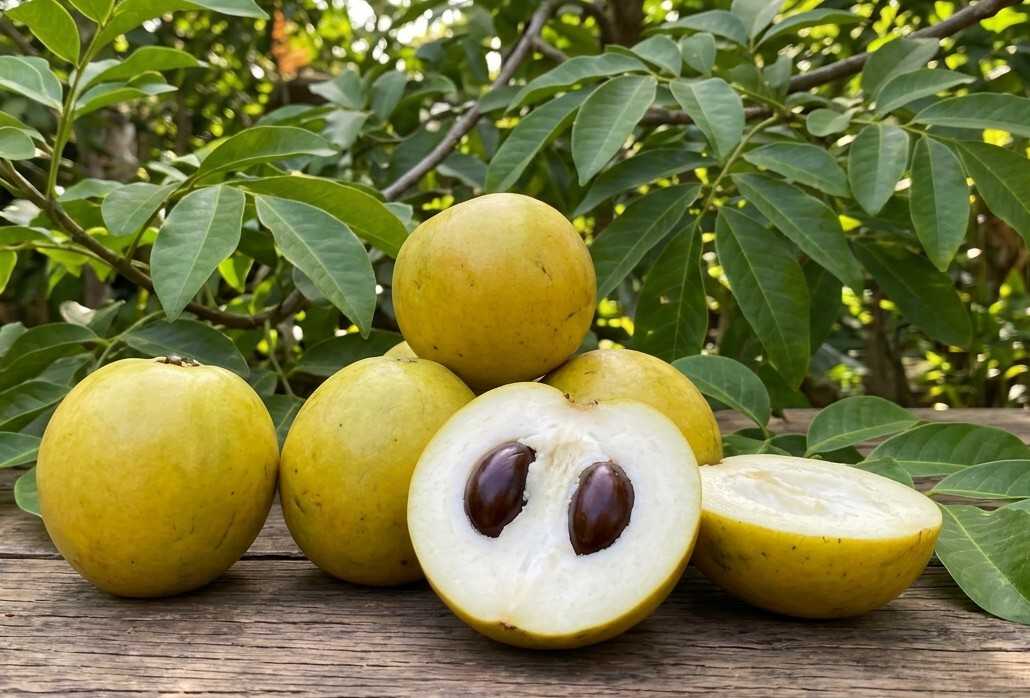
In the world of tropical fruits, some varieties remain hidden gems despite offering exceptional taste and health benefits. White sapote (also known as Mexican apple, casimiroa, or zapote blanco) is one such fruit—often overlooked, yet incredibly rich in flavor, nutrition, and traditional value. With its soft, custard-like texture and naturally sweet taste, it feels more like a dessert than a fruit. But beyond its indulgent appeal lies a powerhouse of nutrients that can support overall health and well-being.
Whether you are exploring new superfruits, looking for natural ways to boost your diet, or simply curious about exotic produce, white sapote deserves your attention. This guide walks you through everything you need to know—from its nutritional value and science-backed benefits to its uses, side effects, and best ways to consume it.
What is White Sapote?
White sapote is a tropical fruit known for its creamy texture, sweet flavor, and impressive nutritional profile. Scientifically called Casimiroa edulis, this fruit belongs to the Rutaceae family, the same family as citrus fruits. Despite its name, white sapote is not related to the true sapote family (like black sapote or mamey sapote), but it shares similar rich, custard-like flesh.
Native to Mexico and Central America, white sapote is now grown in warm regions around the world, including parts of India, California, and Florida. The fruit is typically round or oval, with thin green to yellow skin and soft white or pale yellow pulp inside. Its taste is often compared to a mix of banana, peach, pear, and vanilla custard.
White sapote has been valued for centuries not only as a delicious fruit but also for its medicinal properties. Traditionally, different parts of the plant—including leaves, seeds, and bark—have been used for calming effects and treating various ailments.
Nutrition Facts of White Sapote (Per 100g)
| Nutrient | Amount |
|---|---|
| Calories | 120 kcal |
| Carbohydrates | 25 g |
| Dietary Fiber | 5 g |
| Sugars | 20 g |
| Protein | 1.5 g |
| Fat | 0.5 g |
| Vitamin C | 23 mg |
| Vitamin A | 50 IU |
| Potassium | 300 mg |
| Calcium | 18 mg |
| Magnesium | 15 mg |
| Iron | 0.4 mg |
| Folate | 15 mcg |
Mexican apple is rich in natural sugars, dietary fiber, and essential vitamins, especially vitamin C and potassium, making it a nourishing addition to your diet.
20 Proven Health Benefits of White Sapote
- Boosts Immunity – Rich in vitamin C, white sapote helps strengthen the immune system and protect against infections.
- Supports Heart Health – Its potassium content helps regulate blood pressure and reduce the risk of heart disease.
- Improves Digestion – High fiber aids in smooth digestion and prevents constipation.
- Promotes Better Sleep – Traditionally known for its calming properties, it may help improve sleep quality.
- Reduces Anxiety – Natural compounds in mexican apple can have mild sedative effects that help ease stress and anxiety.
- Enhances Skin Health – Antioxidants help protect skin from damage and promote a healthy glow.
- Supports Brain Function – Nutrients like magnesium contribute to better cognitive performance.
- Regulates Blood Sugar – Fiber helps slow sugar absorption, preventing spikes in blood glucose levels.
- Improves Bone Health – Contains calcium and magnesium, which support strong bones.
- Provides Energy – Natural sugars offer a quick and healthy energy boost.
- Supports Weight Management – Fiber helps you feel full longer, reducing overeating.
- Promotes Eye Health – Contains vitamin A, which is beneficial for vision.
- Helps in Detoxification – Antioxidants assist in flushing out toxins from the body.
- Reduces Inflammation – Anti-inflammatory properties may help reduce chronic inflammation.
- Improves Hair Health – Nutrients nourish hair follicles and promote growth.
- Supports Kidney Health – Potassium helps maintain proper kidney function.
- Aids in Muscle Function – Magnesium supports muscle contraction and relaxation.
- Enhances Mood – Its natural compounds may help improve mood and reduce irritability.
- Supports Pregnancy Health – Folate is essential for fetal development (in moderation).
- May Improve Libido – Traditionally believed to have mild aphrodisiac effects.
10 Side Effects of White Sapote
- Excessive Drowsiness – Its sedative properties may cause sleepiness if consumed in large amounts.
- Low Blood Pressure – May lower blood pressure excessively in sensitive individuals.
- Allergic Reactions – Some people may experience itching or swelling.
- Digestive Discomfort – Overconsumption can lead to bloating or diarrhea.
- Toxic Seeds – Seeds contain compounds that may be harmful if ingested.
- Drug Interactions – May interact with sedatives or blood pressure medications.
- Headaches – Rarely, excessive intake may trigger headaches.
- Nausea – Overeating may cause mild nausea.
- Pregnancy Concerns – High intake is not recommended without medical advice.
- Blood Sugar Fluctuations – Excess consumption may impact glucose levels.
How to Eat White Sapote?
White sapote is best enjoyed when fully ripe. The fruit becomes soft to the touch and slightly wrinkled when ready to eat.
- Cut the fruit in half and scoop out the pulp with a spoon.
- Remove and discard the seeds.
- Eat it fresh as a dessert or snack.
- Blend it into smoothies or milkshakes.
- Use it in desserts like custards, ice creams, or fruit salads.
Its creamy texture makes it a great natural substitute for processed desserts.
Tips for Consuming White Sapote
- Always eat ripe fruit for the best taste and safety.
- Avoid consuming the seeds, as they can be toxic.
- Start with small quantities if trying it for the first time.
- Combine with other fruits for a balanced nutrient intake.
- Store properly to maintain freshness and flavor.
Other Uses of White Sapote
Mexican apple is not just a fruit; it has multiple uses:
- Traditional Medicine: Leaves and bark have been used for calming effects.
- Herbal Teas: Leaves are sometimes brewed for relaxation.
- Cosmetic Use: Fruit extracts may be used in natural skincare products.
- Culinary Ingredient: Used in desserts, jams, and beverages.
How Much White Sapote Can You Eat in a Day?
Moderation is key when consuming mexican apple.
- Adults: 1–2 medium fruits per day
- Children: Half to one fruit per day
Eating in moderation ensures you gain benefits without experiencing side effects.
White Sapote Dosage
There is no official dosage, but general guidelines include:
- Fresh fruit: 100–200 grams per day
- Juice or pulp: 1 small bowl or glass
- Herbal preparations: Use only under expert guidance
Best Time to Eat White Sapote
- Morning: Provides energy and nutrients for the day
- Afternoon: A great snack for sustained energy
- Evening: Small amounts may help relaxation
Avoid eating large quantities late at night due to its natural sugar content.
Who Should Eat White Sapote?
Mexican apple is beneficial for:
- Individuals looking to boost immunity
- People needing natural energy
- Those with mild anxiety or sleep issues
- Individuals aiming to improve digestion
- Athletes needing quick recovery nutrients
Who Should Not Eat White Sapote?
Certain individuals should limit or avoid it:
- People with low blood pressure
- Individuals taking sedative medications
- Those allergic to tropical fruits
- Pregnant or breastfeeding women (consult a doctor)
- Diabetics (consume in moderation and monitor levels)
How to Store White Sapote?
Proper storage helps maintain freshness:
- Keep unripe fruits at room temperature until soft.
- Store ripe fruits in the refrigerator for up to 3–5 days.
- Avoid stacking to prevent bruising.
- Consume quickly after ripening, as it spoils fast.
Precautions and Interactions
- Avoid consuming seeds due to potential toxicity.
- Consult a healthcare professional if you are on medication.
- Do not combine excessively with sedatives or alcohol.
- Monitor intake if you have chronic health conditions.
- Always wash the fruit before consumption.
Final Thoughts
White sapote is a unique and delicious fruit that combines indulgent taste with impressive health benefits. Its creamy texture and natural sweetness make it a perfect alternative to processed desserts, while its nutrients support overall wellness. However, like any food, it should be consumed in moderation and with awareness of potential side effects.
FAQ’s
What does white sapote taste like?
Mexican apple has a creamy, custard-like texture with a sweet flavor often compared to a mix of banana, peach, pear, and vanilla.
Is white sapote good for health?
Yes, Mexican apple is rich in vitamins, minerals, and antioxidants that support immunity, digestion, heart health, and overall well-being.
Can I eat white sapote every day?
Yes, you can eat it daily in moderation, typically 1–2 fruits per day for adults.
Is white sapote safe during pregnancy?
It is best consumed in small amounts and only after consulting a doctor, as excessive intake may not be advisable.
Does white sapote help with sleep?
Yes, it has natural calming properties that may help improve sleep quality when consumed in moderate amounts.
Can diabetics eat white sapote?
Diabetics can consume it in moderation, but they should monitor their blood sugar levels due to its natural sugar content.
Are white sapote seeds edible?
No, the seeds should not be eaten as they may contain toxic compounds.
How do I know if white sapote is ripe?
A ripe Mexican apple feels soft to the touch and may have slightly wrinkled skin.
Can white sapote be eaten raw?
Yes, it is most commonly eaten raw by scooping out the pulp.
Does white sapote cause drowsiness?
Yes, consuming large amounts may cause sleepiness due to its mild sedative effects.
Is white sapote good for weight loss?
Yes, its fiber content can help you feel full longer, which may support weight management.
Can children eat white sapote?
Yes, children can eat it in small quantities, ensuring the seeds are removed.
How long does white sapote last after ripening?
Once ripe, it can last 3–5 days when stored in the refrigerator.
Can white sapote be used in cooking?
Yes, it is used in smoothies, desserts, ice creams, and fruit salads.
Does white sapote help digestion?
Yes, its fiber content supports healthy digestion and helps prevent constipation.
Can white sapote cause allergies?
In rare cases, some individuals may experience allergic reactions.
Is white sapote good for the heart?
Yes, potassium and antioxidants in the fruit support heart health and help regulate blood pressure.
Can I eat unripe white sapote?
It is not recommended, as unripe fruit can taste bitter and may cause discomfort.
Is white sapote a superfruit?
While not widely recognized, it is considered highly nutritious and beneficial, making it comparable to many superfruits.
What is white sapote good for?
Mexican apple is good for boosting immunity, supporting heart health, improving digestion, promoting better sleep, reducing stress, and providing natural energy due to its rich content of vitamins, fiber, potassium, and antioxidants.
Does white sapote make you sleepy?
Yes, Mexican apple may cause mild drowsiness because it contains natural compounds with calming and sedative properties, especially when consumed in larger amounts.
Also Read: