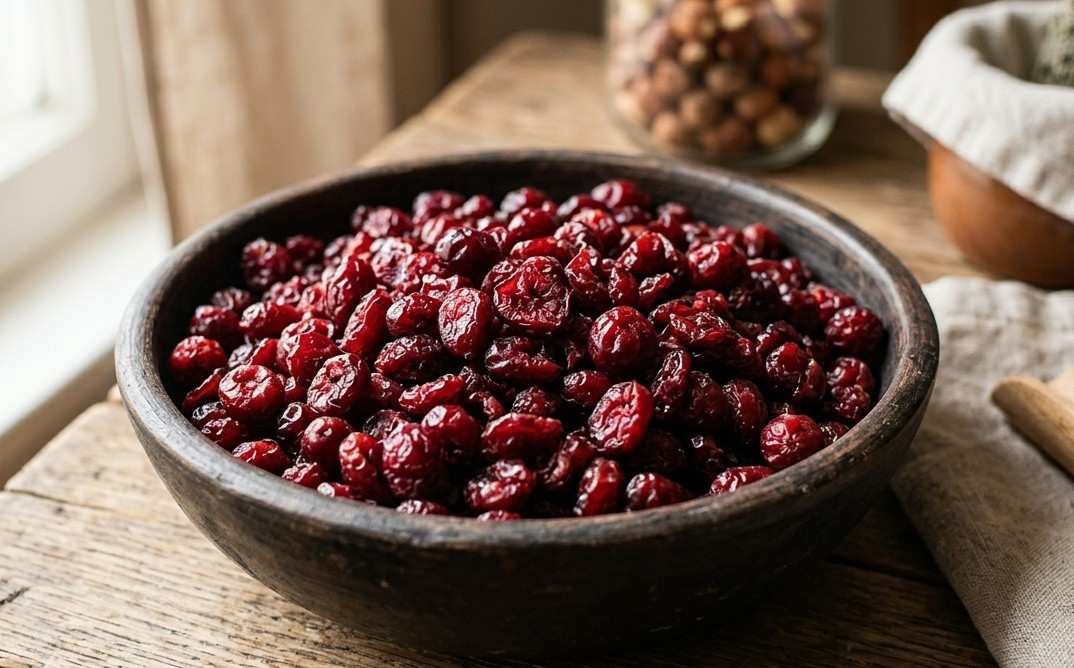
Dried cranberries are one of those simple, tangy-sweet foods that quietly deliver a lot more than just flavor. Whether sprinkled over salads, mixed into oatmeal, or eaten as a quick snack, they bring a burst of taste along with a range of health-supporting compounds. These chewy red gems are made by removing most of the water content from fresh cranberries, often with a touch of added sweetness to balance their natural tartness.
Over the years, dried cranberries have become popular not only for their convenience but also for their potential health benefits, especially in supporting urinary tract health, digestion, and overall wellness. In this guide, you’ll explore everything you need to know about dried cranberry—from nutrition and proven health benefits to side effects, storage, and the best ways to enjoy them.
What is Dried Cranberries?
Dried cranberries are made from fresh cranberries that have been dehydrated to remove most of their moisture. This process preserves the fruit and extends its shelf life while concentrating its flavor and nutrients.
Because fresh cranberries are naturally very tart, most commercial dried cranberries are sweetened with sugar or fruit juice to make them more palatable. They can be found in various forms, including:
- Sweetened dried cranberries
- Reduced-sugar or juice-infused versions
- Unsweetened dried cranberries (less common and more tart)
They are widely used in cooking, baking, snacking, and even in beverages.
Nutrition Facts of Dried Cranberries (Per 100g)
| Nutrient | Amount |
|---|---|
| Calories | 325 kcal |
| Carbohydrates | 82 g |
| Sugars | 65 g |
| Fiber | 5–6 g |
| Protein | 0.5 g |
| Fat | 1 g |
| Vitamin C | 0.2 mg |
| Vitamin E | 2 mg |
| Vitamin K | 7.6 mcg |
| Potassium | 50 mg |
| Iron | 0.3 mg |
| Calcium | 9 mg |
Note: Values may vary depending on whether the cranberries are sweetened or unsweetened.
20 Science-Backed Benefits of Dried Cranberries
1. Supports Urinary Tract Health
Dried cranberry contain compounds that may help prevent bacteria from sticking to the urinary tract walls.
2. Rich in Antioxidants
They are packed with antioxidants that help fight oxidative stress and protect cells.
3. Boosts Immune System
Their phytonutrients support immune defense mechanisms.
4. Improves Digestive Health
Fiber content aids digestion and promotes a healthy gut.
5. Supports Heart Health
Antioxidants and plant compounds may help reduce bad cholesterol levels.
6. Helps Reduce Inflammation
They contain anti-inflammatory compounds beneficial for overall health.
7. Promotes Healthy Skin
Antioxidants may slow signs of aging and support skin health.
8. Supports Weight Management
Fiber helps you feel fuller for longer, reducing overeating.
9. Improves Oral Health
Compounds may help prevent harmful bacteria from sticking to teeth.
10. Regulates Blood Sugar (in moderation)
Unsweetened versions may help maintain stable blood sugar levels.
11. Enhances Brain Function
Antioxidants may support cognitive health and memory.
12. Supports Liver Health
Their nutrients help in detoxification processes.
13. May Reduce Risk of Chronic Diseases
Regular intake of antioxidant-rich foods lowers chronic disease risk.
14. Improves Energy Levels
Natural sugars provide a quick energy boost.
15. Supports Bone Health
Contains small amounts of calcium and vitamin K.
16. Helps Prevent Constipation
Fiber supports smooth bowel movements.
17. May Improve Gut Microbiome
Polyphenols support beneficial gut bacteria.
18. Reduces Risk of Kidney Stones
May help reduce calcium oxalate stone formation.
19. Supports Eye Health
Antioxidants help protect vision over time.
20. May Aid in Detoxification
Helps the body eliminate toxins naturally.
10 Side Effects of Dried Cranberries
1. High Sugar Content
Many varieties contain added sugars, which can impact blood sugar levels.
2. Weight Gain
Overconsumption may lead to excess calorie intake.
3. Digestive Issues
Too much fiber may cause bloating or diarrhea.
4. Tooth Decay
Sticky texture and sugar can contribute to cavities.
5. May Interact with Medications
Especially blood thinners like warfarin.
6. Kidney Stone Risk (in excess)
High intake may increase oxalate levels.
7. Allergic Reactions
Rare but possible in some individuals.
8. Artificial Additives
Some brands include preservatives or flavor enhancers.
9. Blood Sugar Spikes
Sweetened varieties may cause spikes.
10. Acidity Issues
May aggravate acid reflux in sensitive individuals.
How to Make Dried Cranberries?
Ingredients:
- Fresh cranberries
- Sugar or honey (optional)
- Water
Steps:
- Wash cranberries thoroughly.
- Boil water and briefly blanch cranberries until skins crack.
- Soak in sugar syrup if desired.
- Drain and spread on a baking tray.
- Dry in an oven at low temperature (60–70°C) for several hours or use a dehydrator.
- Store once completely dry.
How to Eat Dried Cranberries?
- Add to breakfast cereals or oatmeal
- Mix into yogurt
- Use in baking (cookies, muffins, bread)
- Toss into salads
- Blend into smoothies
- Eat as a standalone snack
- Add to trail mix
Tips for Consuming Dried Cranberries
- Choose low-sugar or unsweetened versions
- Combine with nuts for balanced nutrition
- Watch portion sizes
- Drink water to aid digestion
- Avoid eating late at night if sensitive to sugar
Other Uses of Dried Cranberries
- Natural garnish for desserts
- Ingredient in festive dishes
- Added to rice or grain recipes
- Used in homemade energy bars
- Flavoring for sauces and chutneys
How Much Dried Cranberries Can You Eat in a Day?
A healthy portion is about 30–40 grams (roughly a small handful) per day. This provides benefits without excessive sugar or calories.
Best Time to Eat Dried Cranberries
- Morning: For energy boost
- Midday snack: To curb hunger
- Before workouts: Quick energy source
Avoid late-night consumption if you’re watching sugar intake.
Who Should Eat Dried Cranberries?
- People with frequent urinary tract issues
- Individuals needing quick energy
- Those looking to improve digestion
- People wanting antioxidant-rich snacks
- Athletes and active individuals
Who Should Avoid Dried Cranberries?
- Diabetics (unless unsweetened and in moderation)
- Individuals on blood-thinning medication
- People prone to kidney stones
- Those with sugar sensitivity
- Individuals with digestive sensitivities
How to Store Dried Cranberries?
- Keep in an airtight container
- Store in a cool, dry place
- Refrigerate for longer shelf life
- Avoid moisture exposure
- Use within 6–12 months
Precautions and Interactions
- Monitor sugar intake, especially in sweetened versions
- Consult a doctor if on medications like anticoagulants
- Avoid excessive consumption
- Check labels for additives and preservatives
- Introduce gradually into diet if new
Conclusion
Dry cranberries are more than just a tasty addition to your meals—they are a nutrient-rich food with a wide range of health benefits. From supporting urinary tract health to boosting immunity and digestion, they can be a valuable part of a balanced diet when consumed in moderation.
FAQ’s
What are dried cranberries good for?
Dry cranberries are known for supporting urinary tract health, improving digestion, boosting immunity, and providing antioxidants that protect the body from oxidative stress.
Can I eat dried cranberries every day?
Yes, you can eat them daily in moderation. A small handful (about 30–40 grams) is generally considered a healthy amount.
Do dried cranberries have added sugar?
Most store-bought dry cranberries contain added sugar to balance their natural tartness. Always check labels or choose unsweetened varieties if you want to limit sugar intake.
Are dried cranberries good for weight loss?
They can support weight management when eaten in controlled portions because their fiber content helps keep you full, but overeating may lead to excess calorie intake.
Are dried cranberries good for urinary tract infections (UTIs)?
They may help reduce the risk of UTIs by preventing bacteria from sticking to the urinary tract lining, though they are not a substitute for medical treatment.
Can diabetics eat dried cranberries?
Diabetics can eat unsweetened dried cranberry in small quantities, but sweetened versions should be limited due to high sugar content.
Are dried cranberries better than fresh cranberries?
Fresh cranberries have less sugar and more vitamin C, while dry cranberries are more convenient and have a longer shelf life.
How long do dried cranberries last?
When stored properly in an airtight container, they can last 6 to 12 months.
Should dry cranberries be refrigerated?
Refrigeration is not necessary but can help extend their freshness and shelf life.
Are dried cranberries acidic?
Yes, they are slightly acidic and may cause discomfort for people with acid reflux if consumed in large amounts.
Can I eat dried cranberries at night?
You can, but it’s better to avoid them late at night if you are sensitive to sugar or trying to manage calorie intake.
Do dried cranberries help digestion?
Yes, their fiber content supports healthy digestion and regular bowel movements.
Can children eat dried cranberries?
Yes, in small amounts. However, choose low-sugar versions and monitor portion sizes.
Are dried cranberries good for skin?
Their antioxidants may help protect skin from damage and support a healthy glow over time.
Do dried cranberries help boost immunity?
Yes, they contain antioxidants and plant compounds that support immune function.
How can I include dried cranberries in my diet?
You can add them to salads, oatmeal, yogurt, baked goods, smoothies, or eat them as a snack.
Are organic dried cranberries better?
Organic options may contain fewer pesticides and additives, making them a cleaner choice for some people.
Is dried cranberries safe for pregnant women?
Yes, in moderation. Choose low-sugar options and consult a doctor if needed.
What does dried cranberries taste like?
Sweet, tangy, and slightly chewy.
Which is healthier, raisins or dried cranberries?
Both are healthy; raisins have more natural sugars, while dry cranberries offer more antioxidants but may contain added sugar.
Are dried cranberries too high in sugar?
Often yes, especially sweetened types. Opt for unsweetened and eat in moderation.
Also Read: