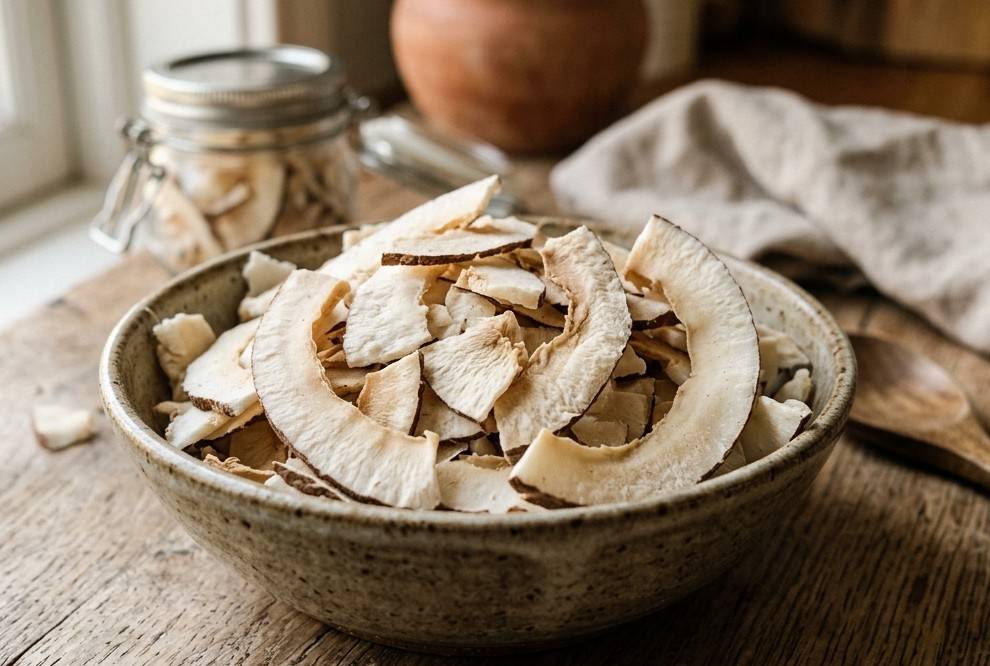
Dried coconut or copra, is more than just a sweet, chewy snack—it’s a nutrient-dense ingredient that has been part of traditional diets across tropical regions for centuries. Whether you sprinkle it over desserts, add it to curries, or enjoy it as a standalone snack, dried coconut offers a unique blend of flavor, texture, and health benefits.
This guide explores everything you need to know about dried coconut—from nutrition and proven health benefits to side effects, usage tips, and storage.
What is Dried Coconut?
Dried coconut is made by removing the moisture from fresh coconut meat (the white flesh inside a coconut). This process enhances its shelf life and concentrates its flavor and nutrients.
There are several forms of dried coconut available:
- Desiccated coconut: Finely grated and dried
- Coconut flakes: Larger, thin slices
- Coconut chips: Thick, crunchy pieces
- Powdered coconut: Ground into a fine flour-like texture
Unlike fresh coconut, dried coconut has a more intense taste and longer shelf life, making it a pantry staple worldwide.
Nutrition Facts of Dried Coconut
| Nutrient | Amount (Per 100g) |
|---|---|
| Calories | 650 kcal |
| Carbohydrates | 24 g |
| Fiber | 16 g |
| Sugar | 7 g |
| Protein | 7 g |
| Fat | 65 g |
| Saturated Fat | 57 g |
| Iron | 3.3 mg |
| Magnesium | 90 mg |
| Potassium | 543 mg |
| Calcium | 26 mg |
Dried coconut is calorie-dense due to its high fat content, but most of these fats are medium-chain triglycerides (MCTs), which behave differently from long-chain fats.
20 Science-Backed Benefits of Dried Coconut
1. Provides Quick Energy
The MCTs in dry coconut are rapidly absorbed and used as an immediate energy source by the body.
2. Supports Heart Health
In moderate amounts, it may help improve HDL (good cholesterol), which supports cardiovascular health.
3. Aids Digestion
High dietary fiber promotes regular bowel movements and helps prevent constipation.
4. Promotes Gut Health
Fiber acts as a prebiotic, feeding beneficial gut bacteria and improving microbiome balance.
5. Helps in Weight Management
Its combination of fiber and fat increases satiety, helping control appetite and reduce overeating.
6. Supports Brain Function
MCTs may provide an alternative energy source for brain cells, supporting cognitive performance.
7. Boosts Immunity
Contains lauric acid, known for its antimicrobial and antiviral properties.
8. Improves Skin Health
Healthy fats help maintain skin hydration, elasticity, and overall appearance.
9. Strengthens Bones
Provides minerals like magnesium and calcium that are important for bone strength.
10. Helps Regulate Blood Sugar
Low glycemic impact and fiber content help slow sugar absorption when eaten in moderation.
11. Supports Hair Health
Nutrients in dried coconut may help nourish the scalp and strengthen hair strands.
12. Reduces Inflammation
Contains compounds that may help lower inflammation levels in the body.
13. Prevents Iron Deficiency
Provides iron, which supports healthy red blood cell production and helps prevent anemia.
14. Enhances Metabolism
MCTs may increase calorie burning and support metabolic function.
15. Improves Athletic Performance
Provides sustained energy, making it useful for endurance and physical activity.
16. Supports Hormone Production
Healthy fats are essential for the production and balance of hormones.
17. Aids Detoxification
Fiber supports the removal of waste and toxins from the digestive system.
18. Helps Control Cravings
Keeps you fuller for longer, reducing sugar and snack cravings.
19. Supports Nervous System Function
Magnesium in dry coconut helps maintain proper nerve signaling and muscle function.
20. Improves Nutrient Absorption
The fat content helps the body absorb fat-soluble vitamins like A, D, E, and K more efficiently.
10 Side Effects of Dried Coconut
While nutritious, excessive consumption can lead to issues:
1. High Calorie Intake
Dry coconut is calorie-dense, so overeating can easily lead to excess calorie consumption and potential weight gain.
2. Weight Gain
Its high fat content, especially when eaten frequently in large amounts, may contribute to unwanted weight gain.
3. High Saturated Fat Content
Dried coconut contains a significant amount of saturated fat, which may raise cholesterol levels if consumed excessively.
4. Digestive Issues
The high fiber content can cause bloating, gas, or stomach discomfort, especially if your body isn’t used to fiber-rich foods.
5. Risk of Diarrhea
Eating large quantities may have a laxative effect, leading to loose stools or diarrhea.
6. Allergic Reactions
Although rare, some individuals may experience coconut allergies, leading to symptoms like itching, swelling, or digestive distress.
7. May Increase Cholesterol Levels
In some people, high intake of saturated fats from coconut may increase LDL (bad cholesterol).
8. Can Cause Constipation Without Enough Water
Fiber needs water to move through the digestive system. Without proper hydration, it may lead to constipation.
9. Not Suitable for Low-Fat Diets
People following low-fat or medically restricted diets may need to limit or avoid dry coconut.
10. Overeating Due to Taste
Its naturally sweet and rich flavor can make it easy to overconsume, which may lead to multiple health concerns over time.
How to Make Dried Coconut?
Making dried coconut is simple and cost-effective.
Ingredients:
- Fresh coconut
Steps:
- Break open the coconut and extract the white flesh
- Peel off the brown skin if desired
- Grate or slice the coconut
- Spread evenly on a tray
- Dry using one of the following methods:
- Sun-dry for 1–2 days
- Oven at low temperature (50–60°C) for 3–4 hours
- Dehydrator for consistent results
- Store in an airtight container once fully dry
How to Eat Dried Coconut?
Dry coconut is incredibly versatile:
- Add to smoothies or shakes
- Sprinkle over cereals or oatmeal
- Mix into baked goods like cookies and cakes
- Use in curries and chutneys
- Blend into energy balls
- Eat as a standalone snack
- Add to salads for texture
- Use as a topping for yogurt
Tips for Consuming Dried Coconut
- Pair with protein or fruits for balanced nutrition
- Drink plenty of water due to high fiber content
- Choose unsweetened versions for better health
- Watch portion sizes due to high calories
- Toast lightly for enhanced flavor
- Combine with nuts for a nutrient-rich snack
Other Uses of Dried Coconut
Dry coconut is not just for eating:
- Skincare: Used in scrubs and masks
- Hair care: Infused into oils
- Cooking thickener: Adds texture to gravies
- Natural exfoliant: In DIY beauty products
- Baking ingredient: Adds flavor and texture
- Traditional medicine: Used in some herbal remedies
How Much Dried Coconut Can You Eat in a Day?
A healthy daily intake is:
- 20–30 grams per day (about 2–3 tablespoons)
This amount provides nutrients without excessive calories or fat.
Best Time to Eat Dried Coconut
- Morning: Provides energy for the day
- Pre-workout: Quick fuel source
- Midday snack: Keeps hunger in check
Avoid eating large amounts late at night, as it may be heavy to digest.
Who Should Eat Dried Coconut?
Dry coconut is beneficial for:
- Athletes and active individuals
- People needing healthy weight gain
- Those with high energy requirements
- Individuals seeking high-fiber foods
- People on ketogenic or low-carb diets
Who Should Avoid Dried Coconut?
Certain individuals should limit or avoid it:
- People with coconut allergies
- Those with heart conditions (consult a doctor)
- Individuals on low-fat diets
- People with digestive sensitivity
- Those trying to lose weight aggressively
How to Store Dried Coconut?
Proper storage ensures freshness and safety:
- Store in an airtight container
- Keep in a cool, dry place
- Refrigerate for longer shelf life
- Freeze for extended storage
- Avoid moisture exposure
- Check for rancid smell before use
Shelf life ranges from 1 to 6 months depending on storage conditions.
Precautions and Interactions
- Medication interactions: High-fat content may affect absorption of certain drugs
- Cholesterol concerns: Monitor intake if you have lipid disorders
- Digestive health: Increase intake gradually to avoid discomfort
- Hydration: Always drink enough water when consuming high-fiber foods
- Pregnancy and breastfeeding: Generally safe in moderation, but consult a doctor
Final Thoughts
Dried coconut is a delicious, nutrient-rich food that offers numerous health benefits when consumed in moderation. Its versatility makes it easy to include in both sweet and savory dishes, while its long shelf life ensures convenience. However, like any calorie-dense food, balance is essential. By understanding how to use, store, and consume dry coconut wisely, you can enjoy its benefits without unwanted side effects.
FAQ’s
Is Dried Coconut safe for pregnant women?
Yes, it’s safe in moderation. It provides nutrients and energy, but avoid overeating and choose unsweetened types.
What is Dried Coconut good for?
It supports energy, digestion, and skin health, while providing fiber, healthy fats, and essential nutrients.
What does dried coconut taste like?
Dry coconut has a mildly sweet, nutty flavor with a chewy or crunchy texture depending on its form. It is more concentrated in taste compared to fresh coconut.
Is dried coconut healthy?
Yes, dry coconut is healthy when eaten in moderation. It is rich in fiber, healthy fats, and essential minerals that support overall wellness.
Can I eat dried coconut every day?
Yes, you can eat it daily in small amounts (about 20–30 grams). Overeating may lead to excess calorie intake.
Is dried coconut good for weight loss?
It can support weight loss when consumed in moderation due to its fiber and fat content, which promote fullness. However, it is high in calories, so portion control is important.
Does dried coconut have a lot of sugar?
Unsweetened dry coconut contains natural sugars in small amounts. Sweetened varieties can have significantly higher sugar content.
Is dried coconut good for digestion?
Yes, it is high in dietary fiber, which helps improve digestion and supports gut health.
Can diabetics eat dried coconut?
Diabetics can consume unsweetened dry coconut in moderation, as it has a low glycemic impact. However, portion size should be monitored.
Is dried coconut good for skin?
Yes, the healthy fats in dry coconut help maintain skin hydration and may support a healthy glow.
Is dried coconut good for hair?
Yes, it contains nutrients that may nourish the scalp and support stronger, healthier hair.
Can dried coconut cause weight gain?
Yes, if eaten in large quantities due to its high calorie and fat content.
Is dried coconut easy to digest?
In moderate amounts, yes. However, overeating may cause bloating or digestive discomfort due to high fiber.
Can children eat dried coconut?
Yes, children can eat dry coconut in small amounts. It provides energy and nutrients but should be given in age-appropriate portions.
Is dried coconut better than fresh coconut?
Both have benefits. Dry coconut is more concentrated in nutrients and lasts longer, while fresh coconut has higher water content and fewer calories.
Can I eat dried coconut at night?
Yes, but in small quantities. Eating too much at night may feel heavy due to its fat content.
Is dried coconut keto-friendly?
Yes, it is suitable for ketogenic diets due to its high fat and low carbohydrate content (when unsweetened).
Does dried coconut increase cholesterol?
It contains saturated fats, which may raise cholesterol levels if consumed excessively. Moderation is important.
Can dried coconut go bad?
Yes, it can become rancid over time. Always check for an off smell or taste before consuming.
Is dried coconut gluten-free?
Yes, dry coconut is naturally gluten-free.
Can I use dried coconut in cooking?
Yes, it is widely used in both sweet and savory dishes like curries, desserts, and snacks.
Also Read: