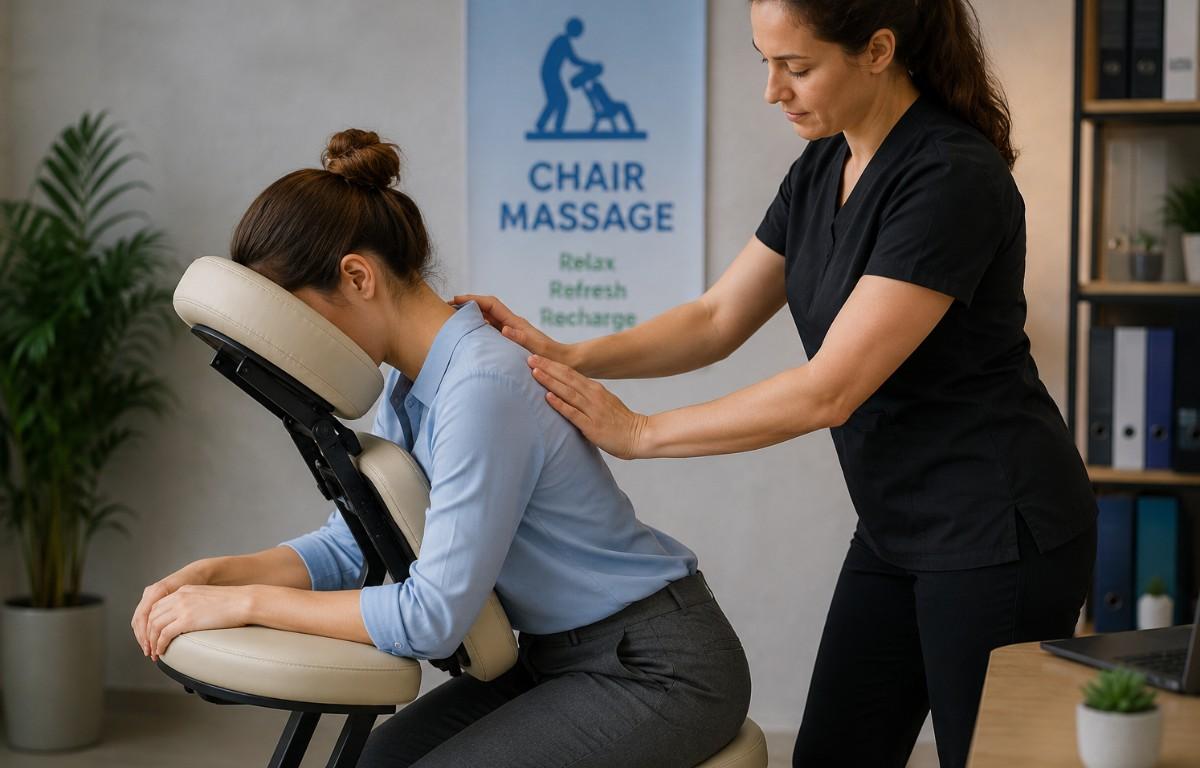
Chair massage (also known as seated massage or on-site massage) is one of the most convenient and accessible forms of massage therapy available today. Unlike traditional massage sessions that require a massage table, oils, and private rooms, chair massage is performed while the client sits comfortably in a specially designed massage chair. These sessions are usually short, effective, and ideal for people who want quick relief from stress, muscle tension, and fatigue.
Chair massage has become increasingly popular in workplaces, airports, shopping centers, wellness events, and spas because it provides relaxation in a short amount of time without requiring clients to undress. Whether you are an office worker dealing with neck pain, an athlete recovering after training, or someone looking for a fast stress-relief solution, chair massage can offer significant physical and mental benefits.
This guide explores everything you need to know about chair massage, including how it works, its benefits, techniques, precautions, and tips for getting the best experience.
What is Chair Massage?
Chair massage is a type of seated massage therapy performed on a specially designed ergonomic chair that supports the head, arms, chest, and legs. The massage typically focuses on the upper body, especially the neck, shoulders, back, arms, and hands.
Unlike full-body massage treatments, chair massage sessions are usually shorter, ranging from 10 to 30 minutes. Therapists generally perform the massage over clothing, eliminating the need for oils or lotions. Chair massage is designed to quickly reduce stress, improve circulation, ease muscle tension, and refresh the body and mind.
History of Chair Massage
Chair massage became widely recognized in the 1980s when portable massage chairs were introduced. The concept was created to make massage therapy more accessible and convenient for busy lifestyles.
As workplace wellness programs gained popularity, companies began offering seated massage to employees as a way to reduce stress and improve productivity. Today, chair massage is commonly found in:
- Corporate offices
- Airports
- Shopping malls
- Trade shows
- Wellness centers
- Gyms
- Hospitals
- Spas
- Community events
Its portability and efficiency have made it one of the most widely used forms of massage therapy worldwide.
How Chair Massage Works
Chair massage therapists use various hand movements and pressure techniques to target muscle tension and stress points. The client sits leaning slightly forward while resting their face in a cushioned head support.
The therapist may use techniques such as:
- Kneading
- Compression
- Tapping
- Stretching
- Circular motions
- Pressure point therapy
The focus is mainly on areas that commonly store stress and tension, including:
- Neck
- Shoulders
- Upper back
- Lower back
- Arms
- Hands
Most sessions are customized based on the client’s comfort level and needs.
Types of Chair Massage
1. Traditional Chair Massage
This is the most common type and focuses on relieving stress and muscle tension using Swedish-style massage techniques.
2. Shiatsu Chair Massage
Inspired by Japanese Shiatsu therapy, this style uses finger pressure on specific energy points to improve balance and circulation.
3. Deep Tissue Chair Massage
This approach targets deeper muscle layers to release chronic tension and stiffness.
4. Corporate Chair Massage
Short workplace sessions designed to reduce employee stress and improve productivity.
5. Sports Chair Massage
Focused on athletes to help reduce muscle fatigue and improve recovery.
6. Reflexology Chair Massage
Includes pressure techniques on the hands and arms that correspond to different body systems.
Equipment Used in Chair Massage
Chair massage requires specialized portable equipment designed for comfort and support.
Massage Chair
The chair includes:
- Adjustable face cradle
- Chest support
- Armrest
- Seat cushion
- Knee support
These features help keep the body relaxed during the session.
Sanitizing Supplies
Therapists use disinfectants and clean face covers between clients for hygiene.
Relaxation Tools
Some therapists may use:
- Essential oils
- Soft music
- Hand warmers
- Massage tools
20 Proven Benefits of Chair Massage
1. Stress Reduction
Massage helps lower stress hormones and promotes mental relaxation.
2. Neck Pain Relief
It reduces stiffness and tension caused by poor posture and long hours of sitting.
3. Shoulder Relaxation
Massage techniques help loosen tight shoulder muscles and improve flexibility.
4. Better Blood Circulation
Improved circulation helps deliver oxygen and nutrients throughout the body.
5. Improved Mood
Chair massage can increase serotonin and dopamine levels, supporting emotional wellness.
6. Reduced Headaches
Muscle relaxation in the neck and shoulders may help reduce tension headaches.
7. Increased Productivity
Employees often feel more focused and energized after a massage session.
8. Better Posture
Releasing muscle tension can improve posture and body alignment.
9. Muscle Recovery
Massage helps reduce soreness after exercise or physical work.
10. Anxiety Reduction
Relaxation techniques can calm the nervous system and ease anxiety symptoms.
11. Improved Sleep Quality
Relaxed muscles and reduced stress may support better sleep.
12. Enhanced Flexibility
Massage helps loosen tight muscles and improve range of motion.
13. Quick Energy Boost
Many people feel refreshed and more alert after a short session.
14. Reduced Eye Strain Tension
Upper body relaxation may ease tension related to prolonged screen time.
15. Convenient Relaxation
Chair massage offers fast relief without requiring lengthy appointments.
16. Supports Workplace Wellness
Regular sessions can improve employee satisfaction and morale.
17. Reduced Muscle Knots
Targeted pressure helps release trigger points and tight muscle areas.
18. Improved Immune Function
Stress reduction may positively support immune health.
19. Comfortable for Beginners
The seated position feels less intimidating for people new to massage therapy.
20. No Oils or Undressing Required
Massage is simple, convenient, and accessible in public settings.
Chair Massage Techniques
Kneading
The therapist uses rhythmic squeezing motions to loosen tight muscles.
Compression
Gentle pressure is applied to muscles to improve circulation and reduce stiffness.
Percussion
Light tapping movements stimulate muscles and increase alertness.
Circular Friction
Small circular movements target muscle knots and tension points.
Stretching
Gentle stretches help improve flexibility and mobility.
Trigger Point Therapy
Focused pressure is applied to painful muscle knots for relief.
Acupressure
Pressure is applied to specific points believed to balance body energy.
What to Expect During a Chair Massage
A massage session is usually straightforward and comfortable.
Before the Session
- The therapist asks about pain areas or medical conditions.
- You remain fully clothed.
- Jewelry or bulky items may be removed.
During the Session
- You sit facing forward in the massage chair.
- The therapist adjusts the chair for comfort.
- Pressure can be customized according to your preference.
After the Session
- You may feel relaxed, energized, or slightly sleepy.
- Drinking water afterward may help reduce muscle soreness.
Chair Massage for Office Workers
Office workers often experience:
- Neck pain
- Shoulder tension
- Lower back stiffness
- Wrist discomfort
- Mental fatigue
Chair massage is especially effective in corporate environments because it provides quick relief without disrupting work schedules.
Workplace Benefits:
- Reduced absenteeism
- Better employee morale
- Increased focus
- Lower stress levels
- Improved team satisfaction
Many companies now include chair massage as part of employee wellness programs.
Chair Massage for Athletes
Athletes use seated massage to support muscle recovery and reduce physical tension.
Benefits for Athletes:
- Faster recovery
- Reduced muscle tightness
- Improved circulation
- Better flexibility
- Reduced fatigue
Short sessions before or after training can help prepare muscles for activity or recovery.
Chair Massage for Seniors
Chair massage can be beneficial for older adults because it is gentle and accessible.
Benefits for Seniors:
- Improved mobility
- Reduced stiffness
- Better circulation
- Relaxation
- Reduced joint discomfort
The seated position is safer and easier for many seniors compared to traditional massage tables.
Chair Massage vs Table Massage
| Feature | Chair Massage | Table Massage |
|---|---|---|
| Position | Seated | Lying Down |
| Session Length | 10–30 Minutes | 60–90 Minutes |
| Clothing | Fully Clothed | Partial Undressing |
| Oils Used | Usually No | Often Yes |
| Focus Areas | Upper Body | Full Body |
| Portability | Highly Portable | Less Portable |
| Convenience | Very Convenient | Requires Private Space |
Both forms of massage have benefits, but seated massage is especially useful for quick stress relief and busy schedules.
Best Situations for Chair Massage
Chair massage works well in many environments.
- Corporate Offices: Helps reduce employee stress and fatigue.
- Airports: Travelers use seated massage to relax during long journeys.
- Trade Shows: Businesses offer seated massage to attract visitors and reduce event stress.
- Hospitals: Healthcare workers may benefit from quick relaxation sessions.
- Wellness Events: Chair massage is a popular feature at health fairs and community events.
- Gyms and Fitness Centers: Supports post-workout recovery and muscle relaxation.
Who Should Avoid Chair Massage?
Although generally safe, chair massage may not be suitable for everyone.
Avoid or Consult a Doctor If You Have:
- Severe osteoporosis
- Recent surgery
- Fractures
- Blood clotting disorders
- Open wounds
- Severe spinal conditions
- Infectious skin conditions
- Fever or serious illness
Pregnant individuals should consult a healthcare provider before receiving massage therapy.
Possible Side Effects of Chair Massage
Massage is usually safe, but some people may experience mild temporary effects.
1. Mild Muscle Soreness
Deep pressure can occasionally cause temporary soreness.
2. Fatigue
Some people feel sleepy after deep relaxation.
3. Lightheadedness
Standing too quickly after a session may cause dizziness.
4. Tenderness
Sensitive muscles may feel tender temporarily.
5. Bruising
Very deep pressure can rarely cause mild bruising.
These effects are usually temporary and mild.
How Often Should You Get a Chair Massage?
The ideal frequency depends on your lifestyle and stress levels.
For Stress Relief
1–2 sessions weekly may help maintain relaxation.
For Office Workers
Short weekly sessions can reduce posture-related tension.
For Athletes
Massage frequency may increase during intense training periods.
For General Wellness
Even occasional sessions can provide noticeable benefits.
Tips for Getting the Best Chair Massage Experience
- Wear Comfortable Clothing: Loose clothing allows easier movement and comfort.
- Communicate With the Therapist: Mention any pain, injuries, or pressure preferences.
- Relax Your Breathing: Deep breathing enhances relaxation during the session.
- Stay Hydrated: Drinking water afterward may support recovery.
- Avoid Heavy Meals Before Massage: A light meal is usually more comfortable.
- Arrive Calm and On Time: Reducing mental stress beforehand improves the experience.
Choosing a Qualified Chair Massage Therapist
Selecting a skilled therapist improves both safety and effectiveness.
- Look for Proper Certification: Choose licensed or certified massage professionals.
- Read Reviews: Client feedback can reveal therapist quality and professionalism.
- Check Experience: Experienced therapists often provide more personalized care.
- Discuss Health Conditions: Inform the therapist about injuries or medical concerns beforehand.
Chair Massage in Modern Wellness Culture
Chair massage has become a major part of modern wellness trends because people increasingly seek fast and effective stress management solutions.
Today’s lifestyles often involve:
- Long screen time
- Sedentary work
- Mental fatigue
- High stress levels
- Poor posture
Chair massage offers a practical way to address these problems quickly and affordably.
As wellness awareness grows, seated massage continues to expand into:
- Schools
- Universities
- Co-working spaces
- Public events
- Senior centers
- Fitness facilities
Its convenience makes it one of the most approachable forms of therapeutic bodywork.
DIY Chair Massage Tips at Home
Although professional therapy is ideal, you can perform simple seated massage techniques at home.
Shoulder Squeezes
Use your hands to gently squeeze shoulder muscles.
Neck Stretching
Slowly tilt the neck side to side to reduce stiffness.
Tennis Ball Massage
Place a tennis ball between your back and a wall to release tension.
Hand Massage
Apply circular pressure to the palms and fingers.
Seated Twists
Gentle seated stretches can improve mobility and reduce tightness.
These techniques may help reduce minor daily tension.
Future of Chair Massage
Technology and wellness trends continue shaping the future of massage.
- Massage Chairs With AI: Advanced robotic massage chairs now offer customized massage programs.
- Workplace Wellness Expansion: More employers are investing in employee health initiatives.
- Mobile Massage Services: On-demand seated massage services are becoming more common.
- Integration With Holistic Health: Massage is increasingly combined with mindfulness, yoga, and stress-management programs.
The demand for convenient wellness services is expected to continue growing worldwide.
Conclusion
Chair massage is a practical, effective, and accessible form of massage therapy that provides fast relief from stress, tension, and fatigue. Its portability and convenience make it suitable for workplaces, public spaces, wellness events, and personal care routines.
Whether you need quick relaxation during a busy workday, support for muscle recovery, or a simple way to improve overall wellness, massage offers numerous physical and mental health benefits. With regular sessions and proper technique, it can become an important part of a balanced self-care routine.
FAQ’s
How long does a chair massage last?
Most seated massage sessions last between 10 and 30 minutes depending on the location and purpose.
Is chair massage safe?
Massage is generally safe for most people when performed by a trained massage therapist.
Does chair massage hurt?
Massage should not be painful, although some pressure points may feel slightly tender if muscles are tight.
Can chair massage help with neck and shoulder pain?
Yes, seated massage is commonly used to relieve neck stiffness and shoulder tension caused by stress or poor posture.
Is chair massage good for office workers?
Yes, seated massage is especially popular for office workers because it helps reduce stress and posture-related tension.
Can seniors get chair massage?
Yes, seated massage can be a gentle and comfortable option for many older adults.
Does chair massage use oils or lotions?
Most seated massages do not require oils or lotions since they are performed over clothing.
Can chair massage help reduce stress?
Yes, seated massage is widely used for stress relief and relaxation.
Is chair massage suitable for beginners?
Yes, seated massage is beginner-friendly and less intimidating than traditional table massage.
Can pregnant women get chair massage?
Pregnant women should consult their healthcare provider before receiving any type of massage therapy.
What should I wear for a chair massage?
Comfortable, loose-fitting clothing is usually best for massage sessions.
Can chair massage improve posture?
Massage may help improve posture by reducing muscle tightness and tension.
Does chair massage help headaches?
It may help reduce tension headaches related to tight neck and shoulder muscles.
Can athletes benefit from chair massage?
Yes, athletes often use seated massage to support muscle recovery and reduce stiffness.
Is chair massage better than table massage?
Both have benefits, but seated massage is more convenient for quick relaxation and short sessions.
Also Read: