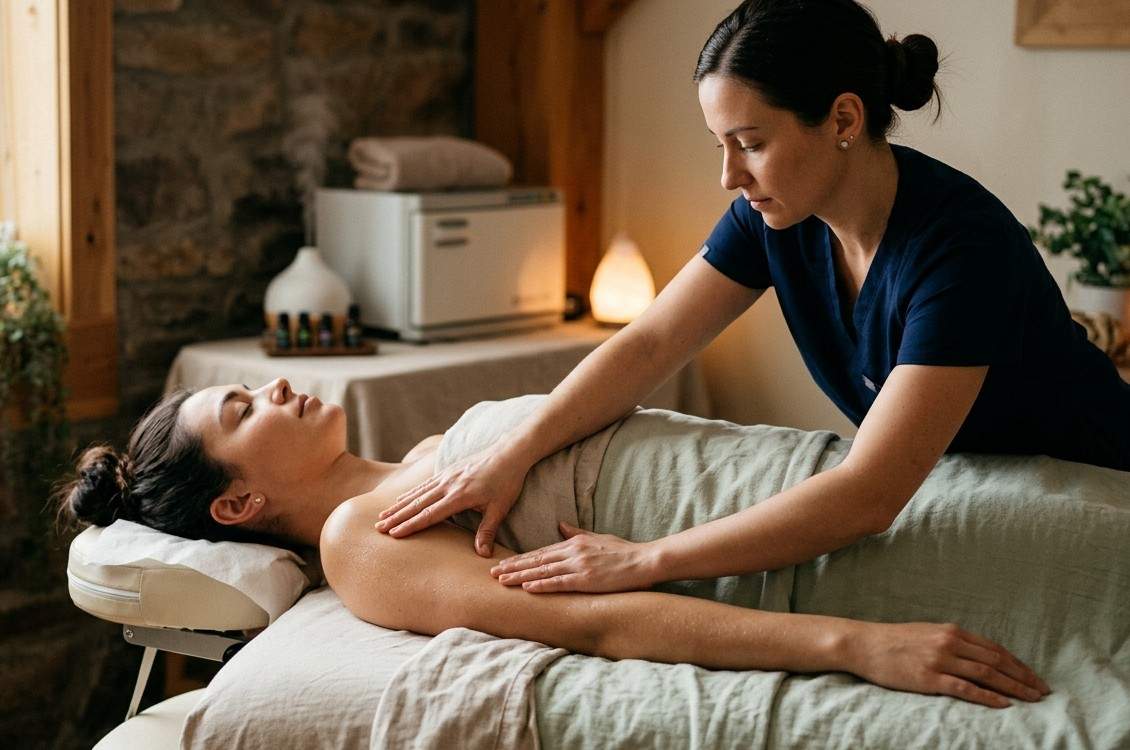
Lymphatic Drainage Massage has become one of the most talked-about wellness therapies in recent years. From spas and wellness clinics to post-surgery recovery centers, this gentle massage technique is widely used to support circulation, reduce swelling, and promote relaxation. Many people seek it for detoxification, while others use it to manage fluid retention, improve skin appearance, or support recovery after cosmetic procedures.
Unlike deep tissue or Swedish massage, Lymphatic Drainage Massage uses light, rhythmic movements designed to stimulate the lymphatic system. This system plays an important role in maintaining fluid balance and supporting the body’s immune defenses. When lymph flow becomes sluggish, it may contribute to puffiness, discomfort, and fatigue. This guide explores everything you need to know about Lymphatic Drainage Massage, including how it works, its potential benefits, techniques, side effects, and aftercare.
What Is Lymphatic Drainage Massage?
Lymphatic Drainage Massage is a specialized massage technique that encourages the movement of lymph fluid throughout the body. The lymphatic system is made up of lymph vessels, lymph nodes, and organs that help remove waste, toxins, and excess fluids from tissues.
This massage involves gentle, repetitive strokes that follow the natural direction of lymph flow. Because lymph vessels are located just beneath the skin, deep pressure is not necessary. The treatment is typically slow, soothing, and highly relaxing.
Lymphatic Drainage Massage is commonly used for:
- Reducing swelling and water retention
- Supporting post-surgical healing
- Improving circulation
- Relaxation and stress relief
- Managing lymphedema
- Supporting immune function
- Reducing facial puffiness
The technique was originally developed in the 1930s by Emil and Estrid Vodder and has since evolved into multiple therapeutic methods used worldwide.
How the Lymphatic System Works
The lymphatic system acts as the body’s drainage network. It transports lymph fluid, which contains white blood cells, proteins, waste materials, and toxins.
Main functions of the lymphatic system include:
- Maintaining fluid balance
- Supporting immunity
- Filtering harmful substances
- Removing cellular waste
- Absorbing fats from digestion
Unlike the circulatory system, the lymphatic system does not have a pump like the heart. Lymph movement depends largely on muscle movement, breathing, and manual stimulation. This is why massage can help stimulate lymph flow.
When the system slows down, fluid may accumulate in tissues, causing swelling, heaviness, or puffiness.
Types of Lymphatic Drainage Massage
1. Manual Lymphatic Drainage (MLD)
This is the most common form performed by trained therapists using gentle hand movements to stimulate lymph flow.
2. Vodder Technique
Developed by Dr. Emil Vodder, this method uses circular hand motions and rhythmic pumping techniques.
3. Foldi Method
A more medically focused approach often combined with compression therapy for lymphedema patients.
4. Casley-Smith Technique
Uses gentle side-to-side movements and is commonly used for swelling reduction.
5. Brazilian Lymphatic Drainage Massage
Popular in beauty and body contouring treatments, this technique uses more dynamic strokes to sculpt the body temporarily and reduce puffiness.
How Lymphatic Drainage Massage Is Performed
A typical session may last between 30 and 90 minutes depending on the treatment area.
The therapist usually follows these steps:
- Stimulates lymph nodes near the neck, armpits, or groin.
- Uses light sweeping movements on the skin.
- Encourages lymph fluid toward drainage points.
- Works in rhythmic and repetitive patterns.
- Focuses on swollen or congested areas if needed.
The pressure used is very light because excessive pressure may compress lymph vessels and reduce effectiveness.
Unlike traditional massage, there is usually no kneading of muscles or deep pressure.
Lymphatic Drainage Massage Techniques
1. Stationary Circle Technique
Gentle circular hand movements used to stimulate lymph flow and reduce puffiness.
2. Pump Technique
Light pumping motions applied to the skin to encourage fluid drainage and circulation.
3. Scoop Technique
Scooping hand movements that help move lymph fluid through the arms and legs.
4. Rotary Technique
Soft rotating motions used to improve circulation and relaxation.
5. Stretch and Release Technique
Gentle stretching of the skin followed by release to support lymph movement.
6. Facial Lymphatic Drainage
Light sweeping strokes around the face and neck to reduce puffiness and improve skin glow.
7. Deep Breathing Technique
Slow deep breathing helps naturally stimulate lymph circulation.
8. Vodder Technique
A popular method using rhythmic circular and pumping movements for lymph drainage.
9. Foldi Technique
A medical-style lymphatic massage often combined with compression therapy for swelling.
10. Brazilian Lymphatic Drainage
A faster technique focused on reducing bloating and temporarily contouring the body.
Basic Steps in a Lymphatic Drainage Massage Session
- Stimulate lymph nodes near the neck or collarbone.
- Use gentle rhythmic strokes on treatment areas.
- Move fluid toward drainage points.
- Repeat movements slowly and consistently.
- Finish with relaxation techniques.
Areas Commonly Treated
- Face
- Neck
- Arms
- Abdomen
- Legs
- Back
20 Proven Benefits of Lymphatic Drainage Massage
1. Reduces Swelling
Lymphatic Drainage Massage may help decrease swelling caused by fluid retention or poor circulation.
2. Supports Detoxification
The massage encourages movement of waste products through the lymphatic system.
3. Improves Circulation
Gentle stimulation may support healthy blood and lymph flow throughout the body.
4. Promotes Relaxation
The rhythmic movements can calm the nervous system and reduce stress.
5. Helps Post-Surgery Recovery
Many cosmetic surgeons recommend it after procedures to reduce swelling and bruising.
6. Reduces Water Retention
The treatment may help minimize bloating and puffiness caused by excess fluid.
7. Supports Immune Function
Healthy lymph flow plays a role in immune system activity.
8. May Improve Skin Appearance
Better circulation and fluid movement can give the skin a healthier look.
9. Helps Facial Puffiness
Facial lymphatic massage is commonly used to reduce under-eye swelling.
10. May Ease Sinus Congestion
Gentle drainage techniques around the face may relieve sinus pressure.
11. Supports Lymphedema Management
It is often used in medical settings to manage chronic lymphatic swelling.
12. Encourages Better Healing
Improved circulation may support tissue repair and recovery.
13. May Reduce Cellulite Appearance
Temporary reduction in fluid retention can smooth the skin’s appearance.
14. Relieves Heavy Legs
People with fluid buildup in the legs may experience relief after treatment.
15. Helps Stress Reduction
The calming nature of the massage may lower tension and mental fatigue.
16. May Improve Sleep Quality
Relaxation from the massage can contribute to better sleep.
17. Supports Digestive Comfort
Abdominal lymphatic massage may help reduce bloating in some people.
18. Can Reduce Bruising
Post-treatment drainage may speed the fading of bruises after procedures.
19. Encourages Healthy Fluid Balance
The massage assists the body in managing excess fluid more effectively.
20. Enhances Overall Wellness
Many people report feeling lighter, calmer, and more refreshed after sessions.
Who May Benefit From Lymphatic Drainage Massage?
This massage may be useful for people experiencing:
- Mild fluid retention
- Post-surgical swelling
- Stress and fatigue
- Puffy face or eyes
- Sedentary lifestyle effects
- Mild circulation issues
- Pregnancy-related swelling (with medical approval)
- Lymphedema
- Sports recovery needs
It is also popular among people interested in wellness and self-care routines.
Lymphatic Drainage Massage for the Face
Facial lymphatic massage has gained popularity in skincare and beauty routines. The technique focuses on stimulating lymph flow around the cheeks, jawline, forehead, and under-eye area.
Potential benefits include:
- Reduced facial puffiness
- Improved skin glow
- Better circulation
- Relaxation of facial tension
- Reduced appearance of tired eyes
Many people combine facial lymphatic massage with skincare tools like jade rollers or gua sha stones.
Lymphatic Drainage Massage After Surgery
Post-operative swelling is one of the most common reasons people seek this therapy.
It is frequently recommended after:
- Liposuction
- Tummy tuck
- Brazilian butt lift
- Facelift
- Breast surgery
- Cosmetic body contouring
Potential post-surgical benefits include:
- Reduced swelling
- Less discomfort
- Faster healing support
- Reduced scar tissue formation
- Improved circulation
However, treatment should only begin after approval from a healthcare provider.
Lymphatic Drainage Massage for Lymphedema
Lymphedema is chronic swelling caused by blockage or damage in the lymphatic system.
This condition may occur after:
- Cancer treatments
- Lymph node removal
- Radiation therapy
- Infection
- Injury
Manual lymphatic drainage is often part of Complete Decongestive Therapy (CDT), which may also include:
- Compression garments
- Exercise
- Skin care
- Bandaging
Professional treatment is important for medical lymphedema management.
What to Expect During a Session
A session is usually calm and relaxing.
You may experience:
- Gentle repetitive movements
- Light pressure on the skin
- Warmth or tingling sensations
- Deep relaxation
- Increased urination afterward
Most people remain fully clothed or partially draped depending on the treatment area.
Some individuals notice immediate reduction in puffiness, while others may need multiple sessions.
How Often Should You Get Lymphatic Drainage Massage?
Frequency depends on your goals and health condition.
General recommendations:
- Wellness maintenance: Once or twice monthly
- Post-surgery recovery: Several sessions weekly initially
- Lymphedema management: Based on medical guidance
- Facial puffiness: Weekly or as needed
A trained therapist can recommend an appropriate schedule.
10 Side Effects of Lymphatic Drainage Massage
Lymphatic Drainage Massage is generally considered safe when performed properly, but some people may experience mild side effects.
1. Frequent Urination
Increased fluid movement may lead to more bathroom visits after treatment.
2. Mild Fatigue
Some individuals feel temporarily tired as the body adjusts.
3. Headache
Detoxification and fluid shifts may trigger mild headaches in some cases.
4. Temporary Dizziness
Changes in circulation may cause brief lightheadedness.
5. Soreness
Although gentle, certain swollen areas may feel tender afterward.
6. Nausea
Rarely, people may experience mild stomach discomfort.
7. Increased Thirst
Hydration needs may increase after the massage.
8. Emotional Release
Relaxation sometimes triggers emotional responses in certain individuals.
9. Skin Redness
Temporary redness may occur due to improved circulation.
10. Not Suitable for Certain Medical Conditions
People with heart failure, blood clots, severe kidney disease, or active infections should avoid this therapy unless medically approved.
Who Should Avoid Lymphatic Drainage Massage?
Consult a healthcare provider before treatment if you have:
- Congestive heart failure
- Kidney disease
- Blood clots
- Active infections
- Fever
- Cancer without medical approval
- Severe circulation disorders
- Liver disease
Pregnant individuals should also seek professional guidance before undergoing treatment.
Lymphatic Drainage Massage vs Swedish Massage
| Feature | Lymphatic Drainage Massage | Swedish Massage |
|---|---|---|
| Pressure | Very light | Light to medium |
| Purpose | Stimulate lymph flow | Relax muscles |
| Technique | Rhythmic sweeping strokes | Kneading and long strokes |
| Focus | Fluid movement | Muscle tension |
| Intensity | Gentle | Moderate |
| Common Use | Swelling and detox support | Relaxation and stress relief |
Lymphatic Drainage Massage vs Deep Tissue Massage
| Feature | Lymphatic Drainage Massage | Deep Tissue Massage |
|---|---|---|
| Pressure | Gentle | Firm to intense |
| Goal | Fluid drainage | Muscle repair |
| Pain Level | Usually painless | Can be uncomfortable |
| Target Area | Lymph vessels | Deep muscles |
| Recovery | Minimal | Sometimes soreness |
Self-Lymphatic Drainage Massage at Home
Many people perform simple lymphatic techniques at home.
Basic tips include:
- Use very light pressure
- Move toward lymph nodes
- Stay hydrated
- Use slow rhythmic motions
- Avoid pressing too hard
Common areas for self-massage:
- Neck
- Face
- Arms
- Abdomen
- Legs
Learning proper technique from a professional is recommended.
Myths About Lymphatic Drainage Massage
Myth 1: It Instantly Removes Toxins
The body naturally detoxifies through organs like the liver and kidneys. Massage supports fluid movement but is not a miracle detox.
Myth 2: Strong Pressure Works Better
Lymphatic vessels respond best to gentle pressure.
Myth 3: One Session Solves Everything
Results often require consistency and healthy lifestyle habits.
Myth 4: It Is Only for Beauty Treatments
The massage also has medical and therapeutic uses.
Myth 5: Everyone Needs Daily Sessions
Treatment frequency depends on individual needs.
How to Choose a Qualified Therapist
When selecting a therapist, consider:
- Certification in lymphatic drainage techniques
- Experience with your specific needs
- Clean and professional environment
- Positive reviews and recommendations
- Medical training if treating lymphedema or post-surgical conditions
Do not hesitate to ask about qualifications and experience.
Lymphatic Drainage Massage Aftercare Tips
Following proper aftercare may help maximize results.
- Drink Plenty of Water: Hydration supports lymphatic circulation.
- Avoid Heavy Alcohol Consumption: Alcohol may contribute to dehydration.
- Rest if Needed: Your body may need time to recover.
- Eat Nutritious Foods: Balanced meals support recovery and wellness.
- Continue Gentle Movement: Walking may help maintain lymph flow.
Conclusion
Lymphatic Drainage Massage is a gentle therapeutic technique designed to support the body’s natural lymph flow. Whether used for relaxation, swelling reduction, post-surgical recovery, or wellness support, it offers a calming and potentially beneficial experience for many people.
Its light rhythmic movements differ greatly from traditional massage styles, focusing on fluid circulation rather than muscle manipulation. While many individuals report feeling lighter, less swollen, and deeply relaxed after treatment, results can vary depending on overall health and consistency.
Although generally safe, people with certain medical conditions should seek professional guidance before beginning therapy. Working with a qualified therapist and combining treatment with healthy lifestyle habits may help maximize potential benefits.
FAQ’s
What does a Lymphatic Drainage Massage do?
Lymphatic Drainage Massage helps stimulate the movement of lymph fluid, which may reduce swelling, improve circulation, and support relaxation.
Is Lymphatic Drainage Massage painful?
No, it is usually very gentle and relaxing because it uses light pressure and slow rhythmic movements.
How long does a Lymphatic Drainage Massage session take?
Most sessions last between 30 and 90 minutes depending on the treatment area and purpose.
Can Lymphatic Drainage Massage help with swelling?
Yes, it is commonly used to reduce fluid retention and swelling caused by poor lymph circulation.
Does Lymphatic Drainage Massage help with weight loss?
It may reduce temporary water retention and bloating, but it does not directly burn body fat.
Can I do Lymphatic Drainage Massage at home?
Yes, simple self-massage techniques can be done at home, but proper guidance is recommended.
Is Lymphatic Drainage Massage safe during pregnancy?
It may be safe with approval from a healthcare provider and when performed by a trained prenatal therapist.
Can Lymphatic Drainage Massage reduce facial puffiness?
Yes, facial lymphatic massage is often used to reduce puffiness around the eyes and cheeks.
Does Lymphatic Drainage Massage help after surgery?
Yes, it is commonly recommended after cosmetic procedures to reduce swelling and support recovery.
Can men get Lymphatic Drainage Massage?
Yes, the treatment is suitable for both men and women.
How soon can I see results from Lymphatic Drainage Massage?
Some people notice immediate relief from puffiness or swelling, while others may need several sessions.
Also Read: