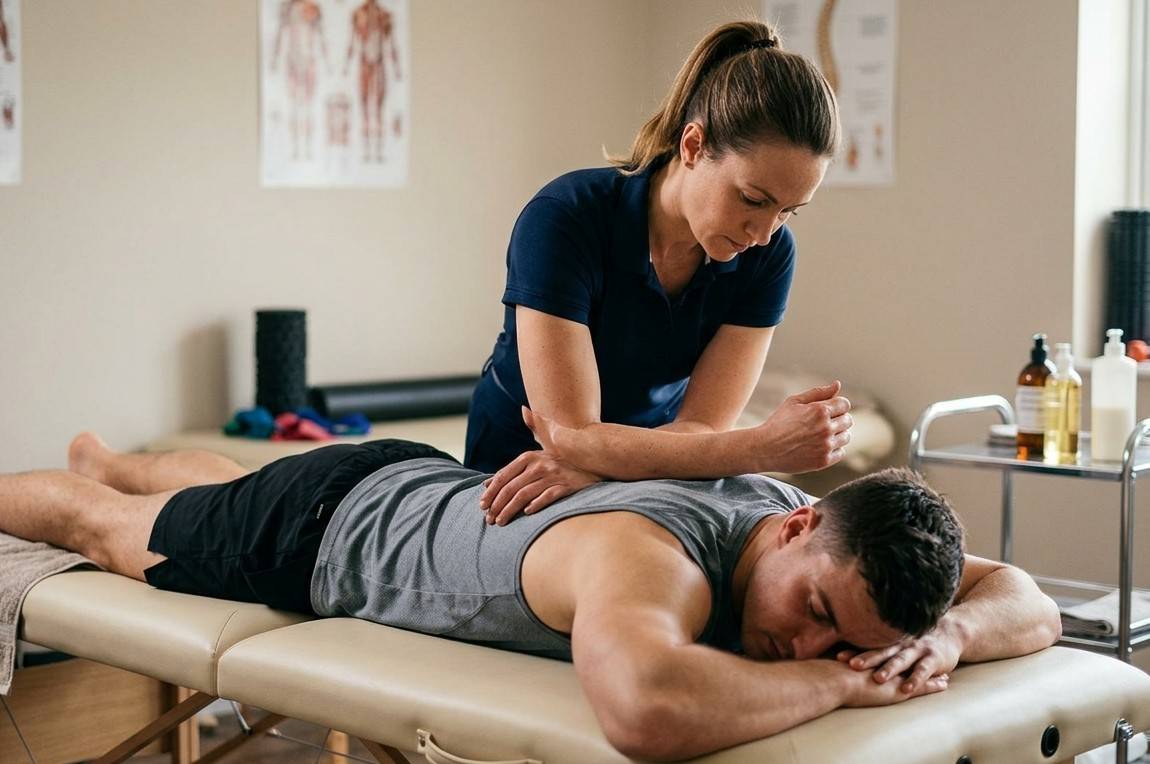
Sports massage or athletic massage is a specialized form of massage therapy designed to help athletes, fitness enthusiasts, and physically active individuals improve performance, prevent injuries, and recover faster after exercise. While it is commonly associated with professional athletes, sports massage is beneficial for anyone who participates in regular physical activity, including runners, gym-goers, cyclists, swimmers, dancers, and even people with physically demanding jobs.
Unlike traditional relaxation massage, sports massage focuses on the muscles and soft tissues used during physical activity. It combines various techniques such as deep tissue work, stretching, compression, and trigger point therapy to target muscle tension, improve flexibility, and enhance circulation.
As exercise and fitness become increasingly important in modern lifestyles, sports massage has gained popularity as a recovery and wellness tool. Many people now include sports massage as part of their regular training routine to reduce soreness, improve mobility, and maintain overall muscle health. This guide explores everything you need to know about sports massage, including its techniques, benefits, side effects, preparation tips, and more.
What is Sports Massage?
Sports massage is a therapeutic massage technique specifically designed to support athletic performance and physical recovery. It focuses on preventing and treating sports-related injuries while improving muscle function and flexibility.
Sports massage can be used before exercise, after exercise, during training periods, or as part of rehabilitation after an injury. Therapists tailor the massage according to the individual’s activity level, sport, training goals, and areas of muscle tension.
The treatment often combines several massage methods, including:
- Deep tissue massage
- Trigger point therapy
- Myofascial release
- Compression techniques
- Stretching
- Friction therapy
The primary goal of sports massage is not just relaxation but also enhancing physical performance and speeding up muscle recovery.
History of Sports Massage
The roots of sports massage date back thousands of years. Ancient civilizations such as the Greeks, Romans, Chinese, and Egyptians used massage therapy to improve physical health and athletic performance.
Greek athletes often received massage before competitions in the Olympic Games to prepare their bodies for intense physical activity. Similarly, Roman gladiators used massage to recover after combat training.
Modern sports massage evolved during the 20th century as sports medicine advanced. Today, massage is widely used in professional sports teams, rehabilitation clinics, fitness centers, and wellness spas around the world.
Types of Sports Massage
1. Pre-Event Sports Massage
This massage is performed before athletic activity or competition. It aims to warm up the muscles, improve circulation, and mentally prepare the athlete for performance.
Features:
- Fast-paced techniques
- Light stretching
- Stimulating movements
- Increased blood flow
Benefits:
- Improves flexibility
- Enhances muscle readiness
- Reduces injury risk
2. Post-Event Sports Massage
Post-event massage is performed after physical activity to help muscles recover.
Features:
- Gentle techniques
- Relaxation-focused
- Removal of metabolic waste
Benefits:
- Reduces soreness
- Speeds up recovery
- Minimizes muscle stiffness
3. Maintenance Sports Massage
Maintenance massage is part of an athlete’s regular training schedule. It helps maintain muscle health and prevent injuries.
Benefits:
- Improves range of motion
- Detects muscle imbalances
- Reduces chronic tension
4. Rehabilitation Sports Massage
This type focuses on treating injuries and supporting recovery after strains, sprains, or muscle damage.
Benefits:
- Reduces scar tissue
- Restores mobility
- Supports healing
Techniques Used in Sports Massage
Effleurage
Effleurage involves long, gliding strokes that warm up the muscles and improve circulation.
Purpose:
- Relax muscles
- Increase blood flow
- Prepare tissues for deeper work
Petrissage
Petrissage includes kneading and squeezing techniques that target deeper muscle layers.
Benefits:
- Reduces muscle tension
- Improves circulation
- Enhances flexibility
Friction
Friction techniques use deep circular movements to break down adhesions and scar tissue.
Benefits:
- Improves tissue healing
- Increases mobility
- Reduces stiffness
Tapotement
Tapotement involves rhythmic tapping or percussion movements.
Benefits:
- Stimulates muscles
- Enhances nerve activity
- Improves alertness
Compression
Compression techniques involve pressing and releasing muscles rhythmically.
Benefits:
- Boosts circulation
- Relieves tightness
- Prepares muscles for activity
Trigger Point Therapy
Trigger points are tight muscle knots that can cause pain and limited movement.
Benefits:
- Relieves pain
- Releases tension
- Improves muscle function
Stretching
Massage often includes assisted stretching to improve flexibility and joint mobility.
Benefits:
- Increases range of motion
- Reduces injury risk
- Enhances performance
How Sports Massage Works
Sports massage works by manipulating soft tissues such as muscles, tendons, ligaments, and fascia. The techniques used help improve circulation, oxygen delivery, and lymphatic drainage.
The massage also stimulates the nervous system, helping muscles relax and recover more efficiently. By reducing muscle tightness and improving mobility, massage supports both physical performance and overall recovery.
Additionally, sports massage may help lower stress hormones while increasing the release of endorphins, which are natural pain-relieving chemicals in the body.
15 Proven Benefits of Sports Massage
1. Improves Blood Circulation
Massage increases blood flow to muscles, helping deliver oxygen and nutrients more effectively.
2. Reduces Muscle Soreness
Massage helps decrease delayed onset muscle soreness (DOMS) after intense exercise.
3. Enhances Flexibility
Regular sports massage improves muscle elasticity and joint mobility.
4. Prevents Injuries
By identifying tight muscles and imbalances early, sports massage may help reduce injury risk.
5. Speeds Up Recovery
Massage promotes faster healing by improving circulation and reducing muscle tension.
6. Decreases Muscle Tension
The therapy helps release tight muscles caused by repetitive movement or overtraining.
7. Improves Athletic Performance
Better muscle function and flexibility may contribute to improved sports performance.
8. Reduces Stress and Anxiety
Massage therapy promotes relaxation and mental recovery alongside physical benefits.
9. Improves Range of Motion
Flexible muscles and joints support smoother movement and athletic performance.
10. Helps Remove Metabolic Waste
Massage encourages lymphatic drainage, helping remove waste products from muscles.
11. Supports Better Posture
Massage can correct muscular imbalances that affect posture.
12. Relieves Pain
Many athletes use sports massage to reduce chronic pain and muscle discomfort.
13. Breaks Down Scar Tissue
Deep massage techniques may improve tissue mobility after injury.
14. Enhances Sleep Quality
Relaxed muscles and reduced stress often contribute to better sleep.
15. Improves Body Awareness
Athletes become more aware of muscle tightness and movement patterns.
Who Can Benefit from Sports Massage?
Sports massage is suitable for a wide variety of individuals, including:
- Professional athletes
- Amateur athletes
- Runners
- Cyclists
- Weightlifters
- Swimmers
- Dancers
- Yoga practitioners
- Office workers with muscle tension
- People recovering from injuries
- Individuals with physically demanding jobs
You do not need to be a professional athlete to benefit from sports massage.
Sports Massage for Different Sports
Running
Runners often experience tight calves, hamstrings, and hip flexors. Sports massage can help improve mobility and reduce soreness.
Cycling
Cyclists benefit from massage focused on the legs, lower back, and shoulders.
Weightlifting
Massage helps weightlifters reduce muscle tightness and recover from heavy training.
Swimming
Swimmers often need shoulder and upper back work due to repetitive arm movements.
Football and Soccer
Players benefit from lower body massage to improve recovery and prevent injuries.
Tennis
Sports massage can relieve tension in the shoulders, forearms, and wrists.
What Happens During a Sports Massage Session?
A typical sports massage session begins with a consultation where the therapist asks about:
- Medical history
- Current injuries
- Physical activity
- Areas of discomfort
- Training goals
The therapist then tailors the massage according to your needs.
During the session:
- You may lie on a massage table.
- Oils or lotions may be used.
- Pressure levels vary depending on the goal.
- Stretching techniques may be included.
Sessions typically last between 30 and 90 minutes.
How to Prepare for a Sports Massage
- Stay Hydrated: Drink water before the session to support muscle function.
- Avoid Heavy Meals: Eating a large meal before massage may cause discomfort.
- Wear Comfortable Clothing: Loose clothing makes changing easier and supports relaxation.
- Communicate Clearly: Tell the therapist about injuries, pain levels, or preferences.
- Avoid Intense Exercise Immediately Before: Heavy exercise before massage may increase soreness.
What to Do After a Sports Massage
- Drink Plenty of Water: Hydration supports recovery and waste removal.
- Rest if Needed: Your body may need time to recover after deep tissue work.
- Stretch Gently: Light stretching can help maintain flexibility.
- Avoid Intense Activity: Heavy workouts immediately after massage may stress the muscles.
- Monitor Your Body: Mild soreness is normal, but severe pain should be discussed with a therapist.
Possible Side Effects of Sports Massage
Sports massage is generally safe, but some people may experience mild side effects.
1. Temporary Soreness
Deep tissue work can leave muscles feeling tender for a day or two.
2. Fatigue
Some individuals feel tired after massage therapy.
3. Bruising
Strong pressure may occasionally cause mild bruising.
4. Headache
Dehydration or tension release may trigger temporary headaches.
5. Dizziness
Standing up too quickly after massage can sometimes cause lightheadedness.
6. Increased Sensitivity
Certain muscles may feel sensitive after treatment.
7. Mild Swelling
Inflammation may temporarily increase in treated areas.
8. Emotional Release
Massage occasionally triggers emotional responses due to stress relief.
When to Avoid Sports Massage
Sports massage may not be suitable in certain situations.
Avoid massage if you have:
- Fever
- Open wounds
- Skin infections
- Blood clots
- Severe osteoporosis
- Recent fractures
- Serious medical conditions without doctor approval
Always consult a healthcare provider if you have concerns.
Sports Massage vs Deep Tissue Massage
Although similar, sports massage and deep tissue massage have different goals.
| Sports Massage | Deep Tissue Massage |
|---|---|
| Focuses on athletic performance | Focuses on chronic tension |
| Includes stretching | Usually less stretching |
| Targets specific muscle groups | Targets deep muscle layers |
| Used before or after exercise | Primarily therapeutic |
| Customized for physical activity | General muscle relief |
Sports Massage vs Swedish Massage
| Sports Massage | Swedish Massage |
|---|---|
| More focused and intense | Gentle and relaxing |
| Designed for athletes | Designed for relaxation |
| Includes stretching and trigger points | Uses smooth flowing strokes |
| Helps recovery and performance | Reduces general stress |
Frequency of Sports Massage
The ideal frequency depends on activity level and goals.
General Guidelines:
- Casual exercisers: once monthly
- Active individuals: every 2–3 weeks
- Competitive athletes: weekly or biweekly
- Injury rehabilitation: as recommended by a therapist
Consistency often provides the best results.
Can Sports Massage Help with Injuries?
Sports massage may support recovery from:
- Muscle strains
- Tendon injuries
- Shin splints
- Plantar fasciitis
- IT band syndrome
- Tennis elbow
- Lower back pain
However, massage should complement—not replace—proper medical treatment.
Sports Massage and Mental Health
Physical recovery is not the only benefit of sports massage. Many individuals report improvements in:
- Mood
- Stress management
- Sleep quality
- Mental clarity
- Relaxation
The calming effect of massage may help athletes manage competition stress and performance anxiety.
Sports Massage for Non-Athletes
Even non-athletes can benefit from sports massage.
People who sit for long hours, perform repetitive tasks, or experience muscle tension from daily life often find relief through massage techniques.
Office workers commonly experience:
- Neck tension
- Shoulder stiffness
- Lower back pain
- Tight hips
Massage can help improve posture and reduce discomfort caused by sedentary lifestyles.
Choosing a Qualified Sports Massage Therapist
When selecting a therapist, consider:
- Professional certification
- Experience with athletes
- Knowledge of anatomy
- Client reviews
- Communication skills
A qualified therapist should assess your needs and tailor the session accordingly.
Myths About Sports Massage
Myth 1: Sports Massage is Only for Athletes
Anyone with muscle tension or physical stress can benefit.
Myth 2: Sports Massage Must Be Painful
Effective massage does not need to cause severe pain.
Myth 3: One Session Fixes Everything
Long-term benefits usually require consistent treatment.
Myth 4: Massage Removes All Toxins
Massage supports circulation, but the body naturally removes waste through organs like the liver and kidneys.
Scientific Research on Sports Massage
Research on sports massage suggests potential benefits for:
- Muscle recovery
- Flexibility
- Pain reduction
- Perceived fatigue
- Relaxation
Some studies indicate massage may reduce delayed onset muscle soreness and improve short-term recovery after exercise. However, results vary depending on massage techniques, timing, and individual differences.
Massage is most effective when combined with proper nutrition, hydration, sleep, and training practices.
Tips to Maximize the Benefits of Sports Massage
- Stay Consistent: Regular sessions often provide better long-term results.
- Combine with Stretching: Stretching helps maintain flexibility between sessions.
- Hydrate Properly: Water supports circulation and recovery.
- Follow Recovery Practices: Proper sleep and nutrition enhance massage benefits.
- Communicate with Your Therapist: Feedback helps customize the treatment for your needs.
Future Trends in Sports Massage
The massage industry continues to evolve with:
- Advanced recovery tools
- Percussion therapy devices
- Cupping integration
- Fascia-focused techniques
- Sports rehabilitation programs
- Mobile massage therapy services
Athletes increasingly use massage as part of comprehensive wellness and performance strategies.
Conclusion
Sports massage is a powerful recovery and performance tool that supports muscle health, flexibility, circulation, and overall physical well-being. Whether you are a professional athlete, weekend runner, gym enthusiast, or someone dealing with everyday muscle tension, sports massage can provide significant physical and mental benefits.
By improving circulation, reducing soreness, and supporting recovery, athletic massage helps individuals maintain an active lifestyle while lowering the risk of injury. When combined with proper exercise, nutrition, hydration, and rest, it can become an important part of a healthy wellness routine.
Choosing a qualified therapist and maintaining consistency are key to getting the best results from sports massage therapy. With growing awareness of recovery and preventive care, massage continues to play an important role in modern fitness and sports performance.
FAQ’s
What is sports massage good for?
Massage is used to improve athletic performance, reduce muscle soreness, prevent injuries, and support recovery after physical activity.
Is sports massage painful?
Massage can involve deep pressure, but it should not cause unbearable pain. Some discomfort may occur when tight muscles are treated.
How long does a sports massage session last?
A typical massage session lasts between 30 and 90 minutes, depending on the treatment area and goals.
Can non-athletes get sports massage?
Yes, athletic massage is beneficial for non-athletes who experience muscle tension, stiffness, or physical stress from daily activities.
How often should you get a sports massage?
Frequency depends on activity level and goals. Active individuals may benefit from sessions every 2–4 weeks.
Does sports massage help with muscle recovery?
Yes, athletic massage may help reduce muscle soreness, improve circulation, and support faster recovery after exercise.
Can sports massage prevent injuries?
Regular athletic massage may help identify muscle tightness and imbalances that could lead to injuries.
What should you wear to a sports massage?
Wear comfortable, loose-fitting clothing that is easy to change in and out of before the session.
Is sports massage safe during injury recovery?
Massage may support injury rehabilitation, but it should only be performed with proper guidance from a healthcare professional or trained therapist.
Can sports massage improve flexibility?
Yes, athletic massage often includes stretching and muscle work that may improve flexibility and range of motion.
Is soreness normal after a sports massage?
Mild soreness is common after deep muscle work and usually disappears within 24–48 hours.
Does sports massage help with stress?
Yes, massage can promote relaxation and help reduce physical and mental stress.
What is the difference between a sports massage and a regular massage?
Massage focuses on muscle recovery, performance, and injury prevention for active individuals, while a regular massage is mainly designed for relaxation and general stress relief.
Also Read: