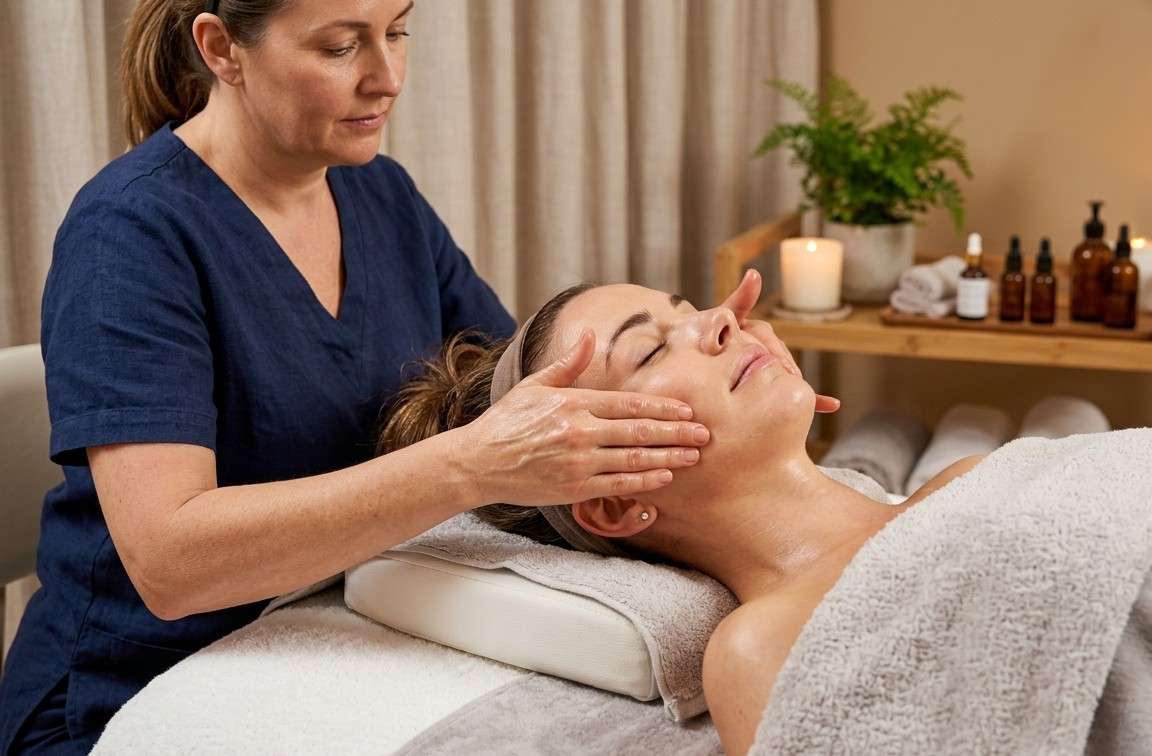
Facial massage has become one of the most popular natural skincare practices in recent years. From luxury spas to at-home beauty routines, people around the world are using facial massage to improve skin appearance, reduce tension, and support relaxation. This gentle technique involves using the fingers, hands, or special tools to stimulate the muscles and tissues of the face through rhythmic movements and pressure.
Facial massage is not a new trend. Ancient cultures such as Chinese, Indian, Egyptian, and Japanese civilizations practiced forms of facial massage centuries ago as part of traditional beauty and wellness systems. Today, modern skincare experts combine these traditional techniques with scientific understanding of skin health and muscle relaxation.
This guide covers everything you need to know about facial massage, including its benefits, types, techniques, tools, oils, side effects, and tips for beginners.
What Is Facial Massage?
Facial massage is a skincare and wellness technique that involves applying gentle pressure, strokes, tapping, kneading, or circular motions to the face and neck. It can be done using the hands, fingertips, rollers, gua sha stones, or specialized facial devices.
The main purpose of face massage is to stimulate circulation, relax facial muscles, support lymphatic drainage, and improve overall skin health. It is commonly performed during spa facials, but many people also practice it at home as part of their daily beauty routine.
Facial massage can target different areas of the face, including:
- Forehead
- Cheeks
- Jawline
- Under-eye area
- Neck
- Temples
- Nose area
Some massages focus on relaxation, while others are designed for anti-aging, lifting, sculpting, or reducing puffiness.
History of Facial Massage
Facial massage has deep roots in traditional healing and beauty practices.
Ancient China
Traditional Chinese Medicine used facial massage techniques to improve energy flow, blood circulation, and overall wellness. Jade rollers were often used to cool and soothe the skin.
India
Ayurvedic face massage focused on balancing energy, improving skin texture, and promoting relaxation through herbal oils and pressure points.
Japan
Japanese beauty rituals included facial lifting techniques and gentle tapping methods to preserve youthful skin.
Europe
European spa culture introduced facial massage as part of luxury skincare treatments designed to improve complexion and reduce stress.
Today, face massage combines traditional wisdom with modern skincare science.
How Facial Massage Works
Facial massage works by stimulating the skin, muscles, lymphatic system, and blood vessels beneath the surface of the face.
Improved Blood Circulation
Massage increases blood flow, which helps deliver oxygen and nutrients to skin cells.
Muscle Relaxation
Facial muscles can become tight due to stress, jaw clenching, or repetitive expressions. Massage helps reduce tension.
Lymphatic Drainage
Gentle upward and outward movements help move excess fluid away from the face, reducing puffiness.
Increased Product Absorption
Applying oils or serums during massage may help skincare products absorb more effectively.
Stress Reduction
Massage activates relaxation responses that may lower stress and improve mood.
20 Proven Benefits of Facial Massage
1. Improves Blood Circulation
Face massage stimulates blood flow, giving the skin a healthier and brighter appearance.
2. Reduces Puffiness
Lymphatic drainage techniques help reduce swelling around the eyes and cheeks.
3. Promotes Relaxation
Gentle massage movements calm the nervous system and reduce stress.
4. Relieves Facial Tension
Massage relaxes tight muscles around the jaw, forehead, and temples.
5. Supports Lymphatic Drainage
It helps remove excess fluid and toxins from facial tissues.
6. Enhances Skin Glow
Better circulation can create a more radiant complexion.
7. May Reduce Fine Lines
Regular massage may help soften the appearance of wrinkles over time.
8. Improves Skin Elasticity
Some techniques stimulate collagen-supporting processes.
9. Helps Product Absorption
Massaging serums and oils into the skin may improve penetration.
10. Relieves Sinus Pressure
Massage can ease congestion and sinus discomfort.
11. Reduces Eye Strain
Massaging around the eyes may reduce tension caused by screen use.
12. Encourages Better Sleep
Relaxation from face massage may improve sleep quality.
13. Supports Jaw Relaxation
Helpful for people who clench their jaw or grind their teeth.
14. Improves Skin Texture
Regular massage may make skin feel smoother and softer.
15. Helps Reduce Stress Headaches
Temple and forehead massage can ease tension headaches.
16. Encourages Mindfulness
Massage creates a calming self-care ritual.
17. Temporarily Lifts the Face
Some techniques create a short-term sculpted appearance.
18. Helps Reduce Dullness
Improved circulation may brighten tired-looking skin.
19. Supports Healthy Aging
Consistent care may contribute to healthier-looking mature skin.
20. Boosts Self-Care Routine
Massage promotes relaxation and personal wellness habits.
Types of Facial Massage
There are many different facial massage styles, each offering unique benefits.
- Swedish Facial Massage: Uses gentle strokes and kneading motions for relaxation and circulation.
- Lymphatic Drainage Facial Massage: Focuses on draining excess fluid and reducing puffiness.
- Gua Sha Facial Massage: Uses a smooth stone tool to glide across the skin and release tension.
- Acupressure Facial Massage: Targets pressure points to improve relaxation and energy flow.
- Kobido Massage: A Japanese massage technique designed for lifting and rejuvenation.
- Buccal Massage: Involves massaging inside the mouth to release deep muscle tension.
- Anti-Aging Facial Massage: Uses lifting and firming motions to support youthful-looking skin.
- Ayurvedic Facial Massage: Uses herbal oils and traditional Indian massage methods.
Facial Massage Techniques
Effleurage
Light gliding strokes used to warm up the skin and improve circulation.
Petrissage
Gentle kneading motions that relax facial muscles.
Tapping
Light finger tapping stimulates circulation and energizes the skin.
Circular Motions
Small circles help relax tight muscles and improve blood flow.
Lifting Strokes
Upward movements support a lifted appearance.
Pinching
Gentle pinching may stimulate circulation and collagen production.
Pressure Point Massage
Applying pressure to specific facial points to reduce stress and tension.
How to Do Facial Massage at Home?
Step 1: Cleanse Your Face
Wash your face thoroughly to remove dirt and makeup.
Step 2: Apply Facial Oil or Serum
Use a lightweight facial oil or serum to reduce friction.
Step 3: Warm Your Hands
Rub your hands together before touching your face.
Step 4: Start With the Neck
Use upward strokes from the neck toward the jawline.
Step 5: Massage the Jawline
Use gentle upward movements along the jaw.
Step 6: Work on the Cheeks
Massage from the center of the face outward.
Step 7: Focus on the Under-Eye Area
Use light tapping motions with the ring finger.
Step 8: Massage the Forehead
Move fingers upward from the eyebrows toward the hairline.
Step 9: Finish With Relaxing Strokes
Use slow, gentle strokes across the entire face.
Best Oils for Facial Massage
- Jojoba Oil: Lightweight and suitable for most skin types.
- Rosehip Oil: Rich in antioxidants and popular for anti-aging routines.
- Almond Oil: Helps soften and nourish dry skin.
- Coconut Oil: Moisturizing but may clog pores for acne-prone skin.
- Argan Oil: Hydrating and rich in vitamin E.
- Grapeseed Oil: Lightweight and good for oily skin.
- Avocado Oil: Deeply nourishing for mature or dry skin.
- Olive Oil: Provides moisture and antioxidant support.
Facial Massage Tools
Jade Roller
A cooling roller used to reduce puffiness and soothe the skin.
Gua Sha Stone
A flat stone tool used for sculpting and tension relief.
Facial Roller
Usually made from stone or metal to massage the skin.
Electric Facial Massager
Uses vibration or microcurrents for stimulation.
Silicone Facial Brush
Combines cleansing and gentle massage.
Ice Rollers
Used to cool and depuff the face.
Facial Massage for Different Skin Types
Oily Skin
Use lightweight oils and avoid excessive pressure.
Dry Skin
Choose nourishing oils and hydrating products.
Sensitive Skin
Use gentle motions and fragrance-free products.
Acne-Prone Skin
Avoid aggressive massage on inflamed acne areas.
Mature Skin
Focus on lifting and circulation-enhancing techniques.
Facial Massage for Anti-Aging
Massage is often used as a natural anti-aging practice because it supports circulation, muscle relaxation, and skin elasticity.
Benefits may include:
- Softer fine lines
- Reduced tension wrinkles
- Improved facial tone
- Better hydration absorption
- Temporary lifting effect
Consistency is important for visible long-term results.
Facial Massage for Stress Relief
Stress can create tension in the jaw, forehead, temples, and around the eyes. Massage helps relax these muscles and calm the mind.
Common stress-relief areas include:
- Temples
- Between the eyebrows
- Jawline
- Neck
- Scalp
Combining face massage with deep breathing may enhance relaxation.
Facial Massage and Lymphatic Drainage
Lymphatic drainage massage focuses on moving excess fluid away from facial tissues. This technique is especially popular for reducing morning puffiness and swelling.
Benefits include:
- Reduced bloating
- Better circulation
- Improved skin tone
- Relaxation
- Temporary facial contouring
Movements are usually very light and directed toward lymph nodes.
Facial Massage Before Bed
Many people include face massage in their nighttime skincare routine because it promotes relaxation and may improve sleep quality.
Benefits of nighttime facial massage:
- Reduces daily facial tension
- Helps skincare products absorb
- Supports relaxation
- Creates a calming bedtime ritual
Using calming oils such as lavender-infused blends may enhance the experience.
Professional Facial Massage Treatments
Professional face massage treatments are offered at spas, salons, wellness centers, and skincare clinics.
These treatments may include:
- Deep cleansing
- Steam therapy
- Facial masks
- Lymphatic drainage
- Anti-aging massage
- Acupressure
- Gua sha therapy
Professional therapists often customize the massage based on skin concerns and goals.
10 Side Effects of Facial Massage
1. Skin Irritation
Too much pressure may irritate sensitive skin.
2. Redness
Temporary redness can occur after massage.
3. Breakouts
Heavy oils may clog pores in some people.
4. Bruising
Aggressive massage techniques can cause bruising.
5. Increased Sensitivity
Over-massaging may weaken the skin barrier.
6. Allergic Reactions
Certain oils or products may trigger allergies.
7. Acne Flare-Ups
Improper tools or dirty hands may spread bacteria.
8. Dryness
Overuse of some tools can irritate the skin.
9. Swelling
Excess pressure may temporarily worsen swelling.
10. Discomfort
People with certain skin conditions may experience pain or irritation.
Who Should Avoid Facial Massage?
Massage may not be suitable for everyone.
Avoid or consult a professional if you have:
- Active acne cysts
- Skin infections
- Severe rosacea
- Open wounds
- Sunburn
- Recent facial surgery
- Certain skin diseases
- Injectable fillers immediately after treatment
Tips for Safe Facial Massage
- Always wash your hands before touching your face.
- Use clean tools and towels.
- Avoid excessive pressure.
- Massage upward and outward.
- Use suitable oils for your skin type.
- Do not massage irritated or damaged skin.
- Be gentle around the eye area.
- Stop if irritation occurs.
How Often Should You Do Facial Massage?
Frequency depends on personal preference and skin sensitivity.
Daily
A short 5–10 minute massage can support relaxation and circulation.
Weekly
Longer sessions once or twice a week may provide deeper relaxation.
Professional Sessions
Many people schedule professional face massages monthly.
Consistency matters more than intensity.
Facial Massage vs Face Yoga
Although similar, face massage and face yoga are different practices.
Facial Massage:
Uses hands or tools to manipulate muscles and skin externally.
Face Yoga:
Involves facial exercises and movements designed to strengthen muscles.
Many people combine both practices in their skincare routine.
Common Myths About Facial Massage
Myth 1: Facial Massage Permanently Changes Face Shape
Massage may temporarily sculpt the face, but results are not permanent.
Myth 2: Harder Pressure Gives Better Results
Gentle pressure is usually safer and more effective.
Myth 3: Facial Massage Removes All Wrinkles
Massage may soften the appearance of wrinkles but cannot completely erase them.
Myth 4: Tools Are Necessary
Hands alone can provide an effective massage.
Myth 5: Facial Massage Works Instantly
Visible improvements often require consistency over time.
Facial Massage in Modern Beauty Trends
Social media and skincare influencers have helped popularize face massage around the world. Many beauty brands now sell rollers, gua sha stones, sculpting tools, and facial oils specifically designed for massage routines.
Spa-inspired self-care trends continue to increase interest in natural beauty practices that promote wellness and relaxation.
Conclusion
Facial massage is a simple yet effective skincare and wellness practice that offers both cosmetic and relaxation benefits. Whether performed with the hands, rollers, gua sha tools, or professional techniques, face massage can help improve circulation, reduce puffiness, ease tension, and support healthy-looking skin.
One of the greatest advantages of massage is its accessibility. It does not require expensive treatments or complicated equipment, making it easy for beginners to include in a daily routine. With proper technique, gentle pressure, and consistent practice, face massage can become a valuable part of self-care and skincare maintenance.
Although massage may not replace medical or cosmetic treatments, it can complement a healthy lifestyle and skincare routine. Paying attention to skin type, cleanliness, and proper technique is important for safe and effective results.
FAQ’s
What is facial massage good for?
Massage helps improve blood circulation, reduce puffiness, relax facial muscles, and promote healthier-looking skin.
Is facial massage good for skin?
Yes, gentle massage may support skin health by improving circulation and helping skincare products absorb better.
Can facial massage reduce wrinkles?
Massage may help soften the appearance of fine lines and tension-related wrinkles with regular practice.
Can facial massage slim the face?
Massage may temporarily reduce puffiness and create a more sculpted appearance through lymphatic drainage.
Is facial massage safe for sensitive skin?
Yes, but gentle pressure and fragrance-free products are recommended for sensitive skin.
Can facial massage cause acne?
Using heavy oils, dirty hands, or excessive pressure may contribute to breakouts in acne-prone skin.
Should facial massage be done upward or downward?
Most techniques use upward and outward movements to support lifting and circulation.
Can facial massage help with jaw tension?
Yes, massage may relax tight jaw muscles caused by stress or teeth grinding.
What is the best time for facial massage?
Many people prefer massage in the evening to relax and support nighttime skincare routines.
Does facial massage improve blood circulation?
Yes, massage stimulates blood flow, which may give the skin a brighter appearance.
Can I do facial massage every day?
Gentle daily massage is generally safe for most people if done correctly.
Are facial massage tools necessary?
No, massage can be effectively done using only clean hands and fingers.
Does facial massage help with puffiness?
Yes, lymphatic drainage techniques may reduce swelling and fluid buildup in the face.
Can facial massage make skin glow?
Improved circulation from massage may create a natural, healthy glow.
Is facial massage good before bed?
Yes, massage before bed may help relax the muscles and reduce stress.
Can facial massage relieve headaches?
Massaging the temples, forehead, and jaw may help reduce tension headaches.
How long should a facial massage last?
A typical massage can last anywhere from 5 to 20 minutes.
Also Read: