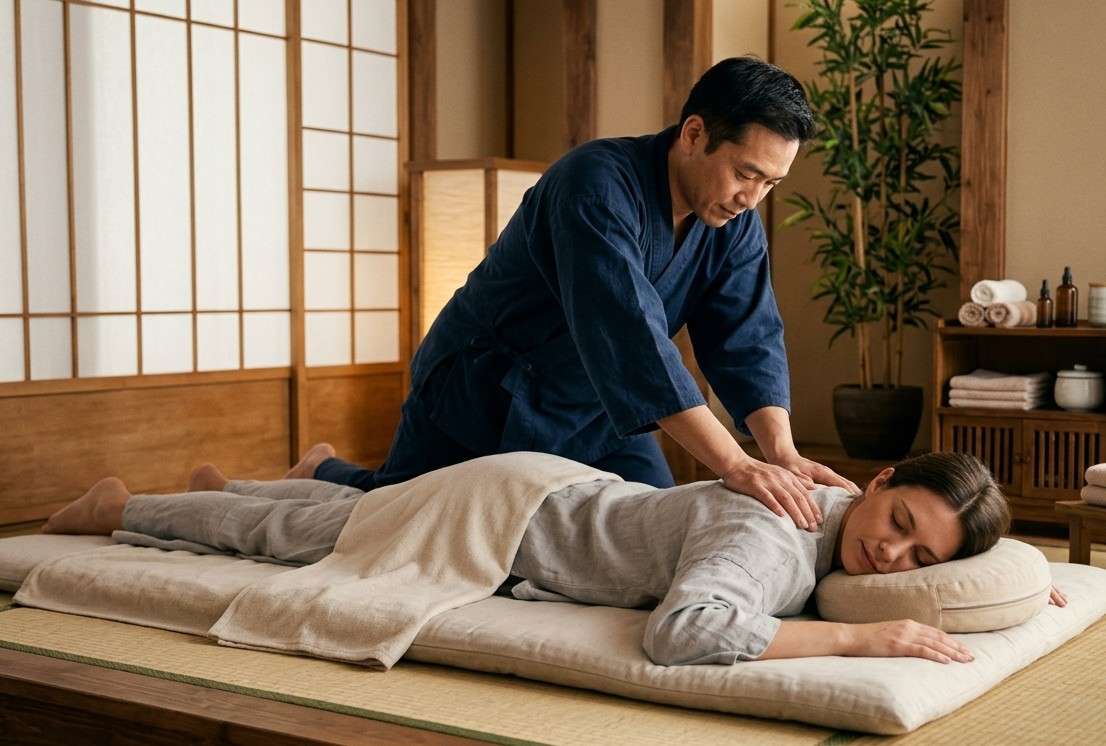
Shiatsu massage is a traditional Japanese bodywork therapy that focuses on restoring balance and improving the body’s natural healing abilities. The word “Shiatsu” means “finger pressure,” which reflects the core technique used in this therapy. Practitioners apply pressure using fingers, thumbs, palms, elbows, and sometimes knees to specific points on the body to encourage energy flow and relieve physical discomfort.
Over the years, Shiatsu massage has become popular worldwide for its relaxing and therapeutic effects. Many people use it to reduce stress, ease muscle tension, improve circulation, and support emotional well-being. Unlike some forms of massage that rely heavily on oils and muscle kneading, Shiatsu is usually performed on a mat or massage table while the client remains fully clothed.
This guide explores everything you need to know about Shiatsu massage, including its history, techniques, benefits, side effects, and what to expect during a session.
What Is Shiatsu Massage?
Shiatsu massage is a holistic therapy based on principles of traditional Japanese medicine. It works by applying rhythmic pressure to specific points along the body’s energy pathways, commonly known as meridians.
According to traditional Eastern healing practices, the body contains life energy called “Qi” or “Chi.” When this energy becomes blocked or unbalanced, it may contribute to physical discomfort, fatigue, stress, or illness. Shiatsu aims to restore proper energy flow and support overall wellness.
Shiatsu therapy often combines:
- Finger and palm pressure
- Stretching techniques
- Gentle joint movements
- Breathing exercises
- Postural adjustments
Unlike deep tissue massage, Shiatsu usually does not involve oils or lotions. The pressure can range from gentle to firm depending on the client’s needs and sensitivity.
History of Shiatsu Massage
Shiatsu developed in Japan and was influenced by traditional Chinese medicine practices, including acupuncture and acupressure. In the early 20th century, Japanese practitioners refined these techniques into what is now recognized as modern Shiatsu therapy.
One of the key figures in Shiatsu development was Tokujiro Namikoshi, who established formal Shiatsu education and treatment methods. His approach focused more on anatomy and physiology while still incorporating traditional concepts of energy balance.
Today, Shiatsu is practiced worldwide in wellness centers, spas, rehabilitation clinics, and holistic therapy centers.
How Shiatsu Massage Works
Shiatsu massage works by stimulating pressure points and encouraging circulation throughout the body. The therapist uses hands, thumbs, elbows, and body weight to apply pressure in a rhythmic sequence.
The therapy may help:
- Relax tight muscles
- Improve blood flow
- Reduce stress hormones
- Enhance flexibility
- Stimulate the nervous system
- Promote emotional relaxation
Many practitioners believe Shiatsu also supports the body’s natural self-healing processes.
Types of Shiatsu Massage
1. Namikoshi Shiatsu
This style focuses on anatomy, physiology, and muscle pressure techniques. It is commonly practiced in clinical settings.
2. Zen Shiatsu
Zen Shiatsu emphasizes energy flow and meridian balance. It often includes stretching and mindfulness techniques.
3. Ohashiatsu
A modern style combining traditional Shiatsu with movement, stretching, and emotional awareness.
4. Movement Shiatsu
This approach integrates body movement and posture correction to improve flexibility and mobility.
Shiatsu Massage Techniques
Shiatsu practitioners use various techniques depending on the client’s condition and treatment goals.
Finger Pressure
The therapist applies pressure using thumbs and fingers to specific points on the body.
Palm Pressure
Broad palm pressure helps relax large muscle groups and improve circulation.
Stretching
Gentle stretches increase flexibility and release muscular tension.
Joint Rotation
Controlled joint movements may help improve mobility and reduce stiffness.
Tapping and Vibrations
Some therapists use rhythmic tapping or shaking movements to stimulate muscles and nerves.
What Happens During a Shiatsu Massage Session?
A typical Shiatsu session lasts between 45 and 90 minutes.
During the session:
- The client remains fully clothed in comfortable clothing.
- The therapist assesses posture, tension, and energy flow.
- Pressure is applied to different areas of the body.
- Stretching and joint movements may be included.
- Breathing and relaxation techniques are encouraged.
Shiatsu sessions are usually performed on a floor mat, futon, or massage table.
20 Proven Benefits of Shiatsu Massage
- Stress Relief: Shiatsu massage helps calm the nervous system and reduce mental stress.
- Muscle Relaxation: The therapy eases tight muscles and physical tension.
- Better Sleep: Many people experience improved sleep quality after sessions.
- Improved Circulation: Pressure techniques may stimulate blood flow throughout the body.
- Pain Reduction: Shiatsu may help reduce headaches, neck pain, and back pain.
- Increased Flexibility: Stretching techniques support joint and muscle mobility.
- Enhanced Energy Levels: Balanced energy flow may reduce fatigue and improve vitality.
- Reduced Anxiety: Shiatsu promotes deep relaxation and emotional balance.
- Headache Relief: Pressure point stimulation may reduce tension headaches.
- Improved Posture: Muscle relaxation and alignment techniques can support posture correction.
- Digestive Support: Shiatsu may stimulate digestive function and reduce bloating.
- Menstrual Comfort: Some individuals find relief from menstrual discomfort and cramps.
- Immune System Support: Relaxation and circulation improvements may support immunity.
- Reduced Muscle Stiffness: Regular sessions can ease chronic stiffness and tightness.
- Better Mood: Shiatsu may encourage emotional well-being and relaxation.
- Improved Breathing: Relaxed muscles may help improve breathing patterns.
- Enhanced Recovery: Athletes sometimes use Shiatsu for muscle recovery and relaxation.
- Reduced Fatigue: Shiatsu may help restore physical and mental energy.
- Improved Focus: Relaxation can enhance mental clarity and concentration.
- Holistic Wellness: Shiatsu supports overall balance between body and mind.
Shiatsu Massage for Back Pain
Back pain is one of the most common reasons people seek Shiatsu therapy. Pressure techniques may help relax muscles around the spine, reduce stiffness, and improve circulation.
Shiatsu for back pain often focuses on:
- Lower back muscles
- Hip alignment
- Hamstrings
- Shoulders and neck
- Postural balance
Many people report temporary relief and improved mobility after treatment.
Shiatsu Massage for Stress and Anxiety
Modern lifestyles often involve long working hours, poor posture, and mental exhaustion. Shiatsu massage encourages deep relaxation by activating the parasympathetic nervous system.
This calming effect may help:
- Lower stress levels
- Reduce nervous tension
- Improve emotional balance
- Promote restful sleep
Some people describe Shiatsu as both physically relaxing and mentally refreshing.
Shiatsu Massage for Athletes
Athletes and active individuals may use Shiatsu massage to support recovery and flexibility.
Potential benefits for athletes include:
- Reduced muscle soreness
- Improved circulation
- Better range of motion
- Faster recovery
- Relaxed muscle tension
Shiatsu is often used alongside stretching and physical therapy routines.
Shiatsu Massage and Traditional Chinese Medicine
Shiatsu shares similarities with acupuncture and acupressure because all three therapies focus on energy pathways within the body.
Traditional Chinese medicine believes that balanced energy flow contributes to overall wellness. Shiatsu therapists use pressure rather than needles to stimulate these pathways.
Common meridians addressed during Shiatsu may include:
- Liver meridian
- Kidney meridian
- Stomach meridian
- Bladder meridian
- Heart meridian
Shiatsu Massage vs Swedish Massage
Shiatsu Massage:
- Uses pressure points
- Performed with clothing on
- Focuses on energy flow
- Includes stretching
- Usually performed without oils
Swedish Massage:
- Uses oils or lotions
- Focuses on muscle kneading
- Involves long gliding strokes
- Typically performed directly on skin
- Primarily focused on muscle relaxation
Both massages offer relaxation benefits, but their techniques and philosophies differ significantly.
Shiatsu Massage vs Deep Tissue Massage
Shiatsu Massage:
- Rhythmic pressure techniques
- Holistic focus
- Gentle to moderate intensity
- Energy-based approach
Deep Tissue Massage:
- Targets deep muscle layers
- Strong pressure
- Focuses on muscle knots
- Often more intense
People seeking relaxation may prefer Shiatsu, while those with chronic muscle tension may choose deep tissue massage.
Who Can Benefit From Shiatsu Massage?
Shiatsu massage may benefit people experiencing:
- Stress
- Muscle tension
- Fatigue
- Poor sleep
- Mild anxiety
- Neck stiffness
- Back discomfort
- Headaches
- General body soreness
Some individuals also use Shiatsu as part of their wellness and self-care routine.
10 Possible Side Effects of Shiatsu Massage
- Mild Soreness: Some people experience temporary muscle soreness after treatment.
- Fatigue: Deep relaxation may cause temporary tiredness.
- Headache: Rarely, pressure stimulation may trigger mild headaches.
- Dizziness: Some individuals may feel lightheaded after standing up quickly.
- Bruising: Firm pressure can occasionally cause minor bruising.
- Emotional Release: Relaxation may trigger emotional responses in some people.
- Tenderness: Sensitive areas may remain tender for a short time.
- Temporary Muscle Ache: Muscles may feel slightly achy after deep pressure.
- Increased Urination: Improved circulation and relaxation may increase urination temporarily.
- Nausea: Rarely, some people may feel mild nausea after treatment.
These side effects are usually temporary and mild.
Who Should Avoid Shiatsu Massage?
Shiatsu may not be suitable for everyone. People should consult a healthcare professional before treatment if they have:
- Severe osteoporosis
- Recent fractures
- Serious heart conditions
- Open wounds
- Infectious skin conditions
- Severe varicose veins
- Blood clotting disorders
- High-risk pregnancy complications
Always inform the therapist about medical conditions before a session.
Tips Before a Shiatsu Massage Session
- Wear Comfortable Clothing: Loose clothing allows easier movement during treatment.
- Avoid Heavy Meals: Eating lightly before the session may improve comfort.
- Stay Hydrated: Drinking water before and after massage supports circulation.
- Communicate With the Therapist: Discuss pressure preferences, pain areas, and medical concerns.
- Arrive Relaxed: Arriving early can help reduce stress before the session begins.
Tips After a Shiatsu Massage
- Drink Plenty of Water: Hydration may help support recovery and relaxation.
- Rest if Needed: Some people feel deeply relaxed afterward and benefit from resting.
- Avoid Intense Exercise Immediately: Giving the body time to recover may enhance the benefits.
- Stretch Gently: Light stretching may help maintain flexibility.
- Pay Attention to Your Body: Notice any improvements in stress, tension, or mobility.
How Often Should You Get Shiatsu Massage?
The frequency depends on personal goals and physical condition.
- Weekly sessions may help chronic stress or muscle tension.
- Biweekly sessions can support maintenance and relaxation.
- Monthly sessions may help general wellness.
A therapist can recommend a schedule based on individual needs.
Shiatsu Massage for Office Workers
People who spend long hours sitting at desks often experience:
- Neck stiffness
- Shoulder tension
- Lower back pain
- Eye strain
- Mental fatigue
Shiatsu massage may help reduce physical discomfort caused by prolonged sitting and repetitive movements.
Shiatsu Massage and Sleep Quality
Many individuals seek Shiatsu therapy to improve sleep quality naturally. Relaxation techniques may help reduce stress hormones and calm the nervous system.
People with occasional sleep difficulties sometimes report:
- Falling asleep faster
- Feeling more rested
- Reduced nighttime tension
- Improved relaxation before bedtime
Scientific Research on Shiatsu Massage
Research on Shiatsu massage is still developing, but some studies suggest potential benefits for relaxation, stress reduction, pain management, and quality of life.
While more large-scale scientific research is needed, many individuals report positive experiences with Shiatsu therapy as part of a broader wellness routine.
Shiatsu should not replace professional medical treatment for serious medical conditions.
Choosing a Qualified Shiatsu Therapist
When selecting a practitioner, consider:
- Professional training
- Certification
- Experience level
- Client reviews
- Clean and professional environment
A qualified therapist should also discuss your health history before treatment.
Conclusion
Shiatsu massage is a traditional Japanese therapy that combines pressure techniques, stretching, and holistic healing principles to support physical and emotional wellness. Many people use Shiatsu to reduce stress, relieve muscle tension, improve circulation, and promote relaxation.
Its gentle yet effective approach makes it suitable for a wide range of individuals seeking natural wellness support. Although Shiatsu may not cure medical conditions, it can be a valuable addition to a healthy lifestyle and self-care routine.
FAQ’s
What is Shiatsu massage good for?
Massage is commonly used for stress relief, muscle relaxation, pain management, improved circulation, and overall wellness support.
Is Shiatsu massage painful?
Shiatsu is usually not painful, but some pressure points may feel tender or intense depending on muscle tension and sensitivity.
Do you wear clothes during Shiatsu massage?
Yes, massage is typically performed while the client remains fully clothed in loose and comfortable clothing.
How long does a Shiatsu massage session last?
A Shiatsu massage session usually lasts between 45 and 90 minutes.
Can Shiatsu massage help with back pain?
Many people use Shiatsu massage to help reduce back pain, muscle stiffness, and tension-related discomfort.
Is Shiatsu massage safe during pregnancy?
Pregnant individuals should consult a healthcare provider before receiving massage, especially during high-risk pregnancies.
Does Shiatsu massage use oil?
Traditional Shiatsu massage is usually performed without oils or lotions.
Can Shiatsu massage help with stress and anxiety?
Massage may promote relaxation, reduce stress levels, and support emotional balance.
What does a Shiatsu massage do?
Massage uses finger pressure, stretching, and rhythmic movements to help reduce stress, relax muscles, improve circulation, ease pain, and promote overall physical and mental wellness.
What is the difference between a Shiatsu massage and a normal massage?
Massage focuses on pressure points and energy flow while the client stays fully clothed, whereas a normal massage often uses oils and muscle-kneading techniques directly on the skin.
Do Shiatsu massagers really work?
Massagers may help reduce muscle tension, improve relaxation, and relieve temporary soreness, though results can vary depending on the individual and the device quality.
What not to do after a Shiatsu massage?
After a massage, avoid heavy meals, intense exercise, alcohol, and dehydration so your body can fully relax and recover.
Also Read: