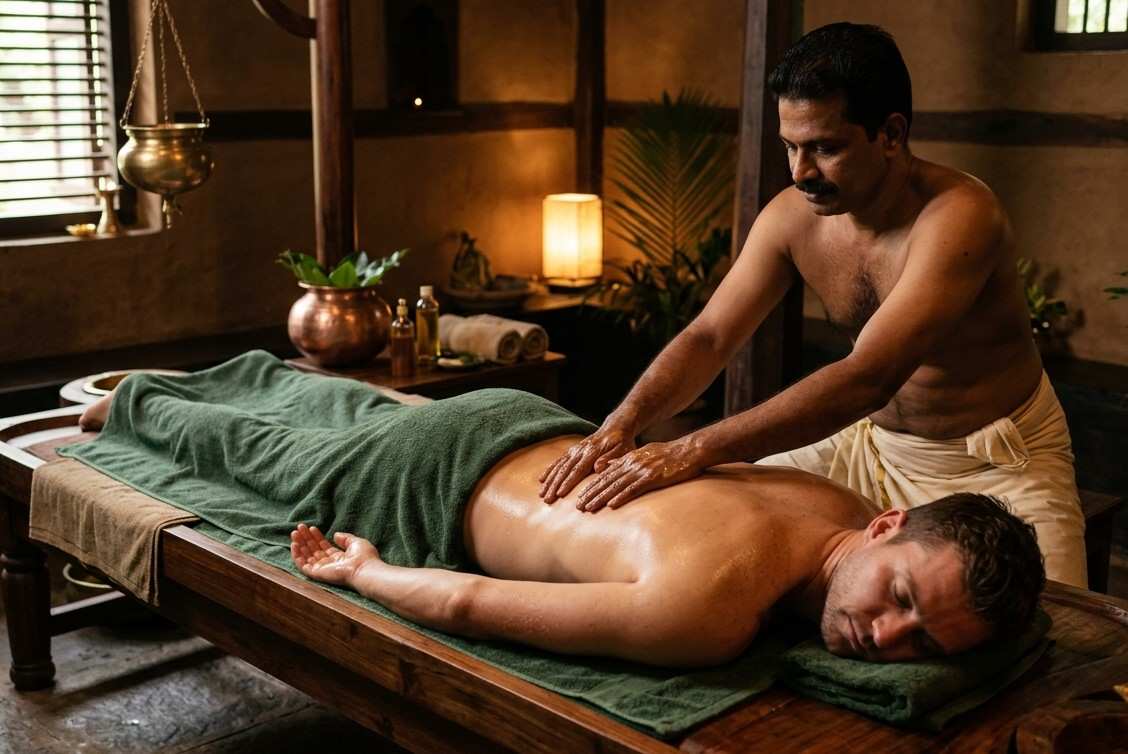
Abhyanga Massage is one of the most treasured healing practices in Ayurveda, the traditional wellness system that originated in India thousands of years ago. This deeply nourishing oil massage is designed to restore balance to the body, calm the nervous system, improve circulation, and support overall health. Unlike many modern massage techniques that primarily focus on muscle tension, Abhyanga Massage combines rhythmic strokes, warm herbal oils, and Ayurvedic principles to promote physical, emotional, and spiritual harmony.
In Ayurveda, daily self-care rituals are considered essential for maintaining long-term wellness, and Abhyanga is often recommended as a daily practice. The massage uses warm oils chosen according to a person’s body constitution, or dosha, making it highly personalized. Whether performed by a trained therapist or practiced as self-massage at home, Abhyanga Massage can become a powerful ritual for relaxation and rejuvenation.
This guide explores everything you need to know about Abhyanga Massage, including its history, techniques, benefits, oils, side effects, and how to practice it correctly.
What is Abhyanga Massage?
Abhyanga Massage is a traditional Ayurvedic full-body oil massage that involves applying warm herbal oils using long, rhythmic, synchronized strokes. The term “Abhyanga” comes from Sanskrit, where “abhi” means “toward” and “anga” means “movement” or “limb.”
The practice is considered a form of “Snehan,” which means oil therapy in Ayurveda. The massage is intended to nourish the skin, lubricate the joints, stimulate internal organs, support lymphatic drainage, and calm the nervous system.
Unlike deep tissue or sports massages, Abhyanga Massage is gentle and soothing. The oil used plays a central role in the treatment because Ayurveda believes oils can carry healing herbs deeply into body tissues.
The therapy is commonly performed:
- Before bathing
- In the morning as part of a daily routine
- During seasonal detox programs
- To reduce stress and fatigue
- For improving skin and sleep quality
History of Abhyanga Massage
Abhyanga Massage has roots in ancient Ayurvedic texts such as the Charaka Samhita and Sushruta Samhita. Ayurveda itself is over 5,000 years old and is often called the “science of life.”
Historically, Abhyanga was practiced by royalty, warriors, and spiritual seekers to maintain vitality, flexibility, and longevity. It was believed that regular oil massage could slow aging, improve strength, and protect against disease.
In traditional Indian households, babies, children, adults, and elders often receive regular oil massages as part of everyday wellness. Even today, Abhyanga remains a key Ayurvedic therapy used in wellness centers and spas around the world.
Principles of Ayurveda Behind Abhyanga Massage
Ayurveda is based on the concept of three doshas:
Vata Dosha
Associated with air and space elements. Imbalance may cause anxiety, dryness, insomnia, and restlessness.
Pitta Dosha
Associated with fire and water elements. Imbalance may lead to irritability, inflammation, and overheating.
Kapha Dosha
Associated with earth and water elements. Imbalance may cause sluggishness, congestion, and lethargy.
Abhyanga Massage aims to balance these doshas using specific oils and massage techniques.
For example:
- Sesame oil is often used for Vata
- Coconut oil may suit Pitta
- Mustard or lighter oils may benefit Kapha
How Abhyanga Massage Works
Abhyanga Massage works through several mechanisms:
Oil Absorption
Warm herbal oils penetrate the skin and may nourish deeper tissues.
Nervous System Relaxation
The repetitive strokes activate the parasympathetic nervous system, encouraging relaxation.
Improved Blood Circulation
Massage movements stimulate circulation and oxygen delivery.
Lymphatic Drainage
The therapy supports removal of metabolic waste and toxins.
Joint Lubrication
Oil helps maintain flexibility and ease stiffness.
Skin Nourishment
The oils hydrate and soften the skin naturally.
Types of Oils Used in Abhyanga Massage
- Sesame Oil: One of the most common Ayurvedic massage oils known for its warming and grounding qualities.
- Coconut Oil: Cooling and soothing, often used in hot climates or for Pitta types.
- Mustard Oil: Stimulating and warming, frequently used for Kapha imbalances.
- Almond Oil: Rich and nourishing for dry or sensitive skin.
- Herbal Ayurvedic Oils: These are infused with herbs such as Ashwagandha, Brahmi, Bala, or Neem for specific therapeutic purposes.
Step-by-Step Abhyanga Massage Process
1. Choosing the Right Oil
Select an Ayurvedic oil suitable for your dosha and health goals.
2. Warming the Oil
The oil is gently warmed to improve absorption and comfort.
3. Applying Oil to the Body
Oil is applied generously to the scalp, face, neck, arms, torso, legs, and feet.
4. Using Rhythmic Strokes
Long strokes are used on limbs, while circular motions are applied around joints.
5. Focusing on Pressure Points
Special attention may be given to marma points, which are considered vital energy points in Ayurveda.
6. Resting Period
After massage, the oil is left on the body for 10–20 minutes.
7. Warm Bath or Shower
A gentle bath helps remove excess oil while allowing some nourishment to remain.
20 Proven Benefits of Abhyanga Massage
- Stress Relief: Abhyanga Massage helps calm the nervous system and reduce daily stress levels.
- Better Sleep: Regular oil massage may improve sleep quality and reduce insomnia.
- Improved Blood Circulation: The massage strokes stimulate healthy blood flow throughout the body.
- Skin Hydration: Warm oils deeply moisturize and soften dry skin.
- Muscle Relaxation: Abhyanga can ease muscle tension and body stiffness.
- Joint Flexibility: Oil massage helps lubricate joints and support mobility.
- Reduced Anxiety: The calming nature of the massage may help lower anxiety symptoms.
- Detoxification Support: Lymphatic stimulation assists the body in removing waste products.
- Increased Energy: Many people feel refreshed and energized after regular sessions.
- Nervous System Support: Abhyanga may help regulate the body’s stress response.
- Better Mental Clarity: Relaxation and improved circulation may enhance focus and concentration.
- Reduced Fatigue: The massage can help combat physical and mental exhaustion.
- Healthier Hair and Scalp: Scalp massage with oils may strengthen hair roots and reduce dryness.
- Enhanced Immunity: Ayurveda suggests regular Abhyanga supports immune resilience.
- Anti-Aging Effects: Nourished skin and improved circulation may reduce signs of aging.
- Improved Digestion: Relaxation and abdominal massage may assist digestive function.
- Reduced Dryness: Oils help counter excessive dryness associated with Vata imbalance.
- Emotional Balance: Many people report feeling emotionally calmer after massage.
- Better Body Awareness: Self-massage encourages mindfulness and connection with the body.
- Enhanced Overall Wellness: Regular practice supports holistic physical and mental well-being.
Abhyanga Massage for Different Body Types
1. Abhyanga for Vata Dosha
Vata individuals often experience dryness, anxiety, and coldness. Warm sesame oil and slow, grounding strokes are commonly recommended.
Benefits for Vata:
- Reduces nervous tension
- Improves sleep
- Hydrates dry skin
- Promotes grounding
2. Abhyanga for Pitta Dosha
Pitta types may struggle with irritability and excess heat. Cooling oils such as coconut oil are frequently used.
Benefits for Pitta:
- Calms inflammation
- Relaxes the mind
- Cools the body
- Reduces irritability
3. Abhyanga for Kapha Dosha
Kapha individuals may experience heaviness and sluggishness. Stimulating oils and faster strokes may help energize the body.
Benefits for Kapha:
- Improves circulation
- Boosts energy
- Reduces stagnation
- Encourages movement
Self-Abhyanga Massage at Home
Practicing self-Abhyanga at home is simple and affordable.
Supplies Needed
- Warm massage oil
- Old towel
- Comfortable room
- Warm water for bathing
Simple Routine
- Step 1: Warm the oil gently.
- Step 2: Massage the scalp using circular motions.
- Step 3: Apply oil to arms and legs with long strokes.
- Step 4: Massage joints in circular movements.
- Step 5: Massage the abdomen clockwise.
- Step 6: Rest for 15 minutes.
- Step 7: Take a warm shower.
Best Time for Abhyanga Massage
Morning
Traditionally considered the best time because it energizes the body for the day.
Evening
Helpful for relaxation and improving sleep after a stressful day.
Seasonal Timing
Abhyanga is especially beneficial during cold and dry seasons when Vata tends to increase.
Abhyanga Massage vs Other Massage Types
| Massage Type | Main Focus | Oil Usage | Pressure |
|---|---|---|---|
| Abhyanga Massage | Ayurvedic balance | Heavy warm oils | Gentle to moderate |
| Swedish Massage | Relaxation | Light oils | Moderate |
| Deep Tissue Massage | Muscle tension | Minimal oil | Firm |
| Thai Massage | Stretching | Usually no oil | Strong |
| Hot Stone Massage | Heat therapy | Some oil | Moderate |
Abhyanga Massage During Panchakarma
Panchakarma is an Ayurvedic detoxification program. Abhyanga is commonly used as a preparatory therapy before detox procedures.
The massage helps:
- Loosen toxins
- Improve circulation
- Calm the mind
- Prepare tissues for cleansing
It is often combined with steam therapy known as Swedana.
Abhyanga Massage for Children and Babies
Oil massage has traditionally been practiced for infants in many Indian families.
Potential benefits may include:
- Better sleep
- Relaxation
- Improved bonding
- Healthier skin
- Comfort and warmth
Always use gentle pressure and child-safe oils.
Abhyanga Massage for Seniors
Older adults may benefit from the nourishing and calming qualities of Abhyanga.
Possible benefits include:
- Reduced joint stiffness
- Better mobility
- Improved circulation
- Relaxation
- Skin hydration
A healthcare provider should be consulted if there are medical concerns.
Abhyanga Massage for Athletes
Athletes may use Abhyanga Massage to support recovery and flexibility.
Benefits can include:
- Reduced muscle soreness
- Improved circulation
- Faster relaxation
- Better joint mobility
- Reduced fatigue
Abhyanga Massage and Mental Health
Modern lifestyles often involve constant stress and overstimulation. Abhyanga Massage may support mental wellness by encouraging deep relaxation.
Some people use it to help with:
- Anxiety
- Burnout
- Mental fatigue
- Sleep problems
- Emotional stress
The warm oil and repetitive touch create a soothing sensory experience that may calm the mind.
10 Possible Side Effects of Abhyanga Massage
- Allergic Reactions: Some individuals may react to specific oils or herbs.
- Skin Breakouts: Heavy oils may clog pores in acne-prone skin.
- Excessive Oiliness: Some people may dislike the greasy feeling after massage.
- Slippery Surfaces: Oil residue may create slipping hazards in bathrooms.
- Heat Sensitivity: Warm oils may feel uncomfortable in hot weather.
- Dizziness: Standing too quickly after relaxation may cause temporary lightheadedness.
- Mild Fatigue: Deep relaxation may make some individuals feel sleepy afterward.
- Irritation on Damaged Skin: Oils may irritate cuts, burns, or infections.
- Overstimulation: Vigorous massage may aggravate some conditions.
- Digestive Discomfort: Performing Abhyanga immediately after heavy meals may feel uncomfortable.
Who Should Avoid Abhyanga Massage?
Abhyanga Massage may not be suitable for everyone.
Avoid or consult a healthcare professional if you have:
- Fever
- Severe skin infections
- Open wounds
- Deep vein thrombosis
- Serious heart conditions
- Acute illness
- Severe inflammation
- Recent surgery
Pregnant individuals should seek professional guidance before using herbal oils or massage techniques.
Tips for Getting the Best Results
- Use High-Quality Oils: Choose pure Ayurvedic oils without harmful additives.
- Stay Consistent: Regular practice often produces better results than occasional sessions.
- Massage Gently: Abhyanga is meant to soothe rather than aggressively manipulate muscles.
- Keep the Body Warm: Warmth enhances comfort and oil absorption.
- Follow with a Warm Bath: This helps relax muscles further and remove excess oil.
- Hydrate Well: Drinking water after massage supports overall wellness.
How Often Should You Do Abhyanga Massage?
The frequency depends on individual needs.
Daily Practice
Traditional Ayurveda recommends daily self-massage for optimal wellness.
Weekly Sessions
Once or twice a week can still provide noticeable benefits.
Seasonal Practice
Many people increase Abhyanga during autumn and winter.
Choosing an Abhyanga Massage Therapist
When visiting a spa or Ayurvedic center, look for:
- Certified Ayurvedic practitioners
- Clean facilities
- High-quality herbal oils
- Experience with Ayurvedic therapies
- Personalized consultations
A skilled therapist can customize the treatment according to your dosha and wellness goals.
Modern Research on Abhyanga Massage
Although more scientific studies are needed, existing research on massage therapy and Ayurvedic oil treatments suggests potential benefits such as:
- Reduced stress hormones
- Improved circulation
- Enhanced relaxation
- Better sleep quality
- Lower anxiety levels
Researchers continue to explore how traditional Ayurvedic therapies may complement modern wellness approaches.
Conclusion
Abhyanga Massage is far more than a beauty treatment or relaxation technique. Rooted in the wisdom of Ayurveda, it is a holistic self-care ritual designed to nourish the body, calm the mind, and support long-term wellness. From improving circulation and sleep to promoting emotional balance and skin health, this ancient oil massage continues to remain relevant in modern life.
Whether practiced daily at home or received from a trained Ayurvedic therapist, Abhyanga Massage offers a natural way to reconnect with your body and create moments of peace in a fast-paced world. With the right oils, consistent practice, and mindful approach, this timeless therapy can become a valuable part of a healthy lifestyle.
FAQ’s
Is Abhyanga Massage done daily?
Yes, Ayurveda traditionally recommends daily self-massage for maintaining balance and wellness.
Can I do Abhyanga Massage myself?
Yes, self-Abhyanga is a common Ayurvedic daily practice.
Should I shower after Abhyanga Massage?
Yes, a warm shower or bath is usually recommended after allowing the oil to absorb into the skin for several minutes.
Is Abhyanga Massage good for stress?
Yes, the calming strokes and warm oils may help relax the nervous system and reduce stress levels.
Can Abhyanga Massage improve sleep?
Many people report deeper relaxation and better sleep quality after regular Abhyanga Massage sessions.
Is Abhyanga Massage safe for everyone?
Most healthy individuals can enjoy it, but people with fever, skin infections, severe illness, or certain medical conditions should consult a healthcare professional first.
Does Abhyanga Massage help dry skin?
Yes, the nourishing oils used in the massage can deeply moisturize and soften dry skin.
How long does an Abhyanga Massage session last?
A typical session lasts between 20 and 60 minutes depending on the treatment style and purpose.
Is Abhyanga Massage painful?
No, Abhyanga Massage is generally gentle, soothing, and relaxing rather than painful.
Can Abhyanga Massage help anxiety?
The calming nature of the massage may help reduce nervous tension and support emotional balance.
What should I wear during Abhyanga Massage?
Loose and comfortable clothing is best, especially since oils may leave temporary stains.
Can Abhyanga Massage be done during pregnancy?
Pregnant individuals should consult a qualified healthcare provider or Ayurvedic practitioner before receiving massage therapy.
Does Abhyanga Massage detox the body?
Ayurveda believes Abhyanga supports detoxification by stimulating circulation and lymphatic flow.
Can children receive Abhyanga Massage?
Yes, gentle oil massage has traditionally been used for babies and children in Ayurveda.
Can Abhyanga Massage be done before sleep?
Yes, evening Abhyanga Massage may help calm the mind and improve sleep quality.
Also Read: