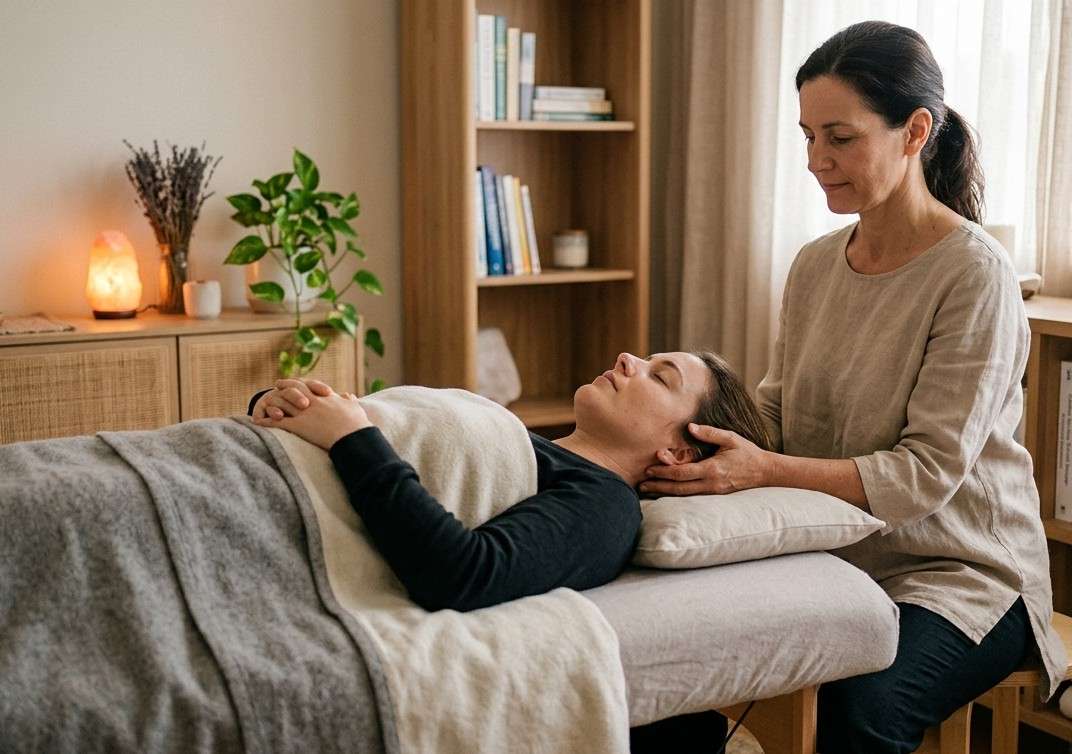
Craniosacral Therapy, often called CST, is a gentle hands-on therapy designed to release tension in the body, improve relaxation, and support overall wellness. Practitioners use light touch to work around the skull, spine, and sacrum with the goal of improving the flow of cerebrospinal fluid and balancing the nervous system. Many people seek Craniosacral Therapy for stress relief, chronic pain, headaches, emotional tension, sleep problems, and recovery from injuries.
Although Craniosacral Therapy remains controversial in some medical circles due to limited scientific evidence for certain claims, many individuals report feeling calmer, lighter, and more comfortable after sessions. It is widely used in holistic wellness centers, massage clinics, and complementary health practices around the world.
This guide explores what Craniosacral Therapy is, how it works, its possible benefits, side effects, techniques, uses, and what you should know before trying it.
What is Craniosacral Therapy?
Craniosacral Therapy is a form of bodywork developed from osteopathic medicine. It focuses on the craniosacral system, which includes:
- The skull (cranium)
- The spine
- The sacrum
- Cerebrospinal fluid
- Membranes surrounding the brain and spinal cord
Practitioners believe that restrictions or imbalances in this system may affect the nervous system and overall health. During treatment, a therapist uses extremely gentle pressure, often no heavier than the weight of a coin, to evaluate and release tension patterns.
Craniosacral Therapy was popularized by osteopathic physician Dr. John Upledger in the 1970s. Since then, it has become a common complementary therapy used alongside massage, physical therapy, chiropractic care, and relaxation practices.
How Craniosacral Therapy Works
The therapy is based on the idea that the body has natural rhythms connected to the movement of cerebrospinal fluid. Practitioners claim they can feel these rhythms through touch and identify areas of restriction.
A session may involve:
- Light touch on the head, neck, shoulders, spine, or hips
- Gentle manipulation of connective tissues
- Relaxation techniques
- Release of muscular and fascial tension
The goal is to encourage the body’s self-healing mechanisms by calming the nervous system and improving body balance.
Many clients describe the experience as deeply relaxing, meditative, and calming.
History of Craniosacral Therapy
Craniosacral Therapy evolved from cranial osteopathy, which was first introduced by Dr. William Garner Sutherland in the early 1900s. Sutherland believed the skull bones had subtle movement that influenced health.
Later, Dr. John Upledger expanded these ideas after observing rhythmic movement around the spinal cord during surgery. He developed modern Craniosacral Therapy techniques and training programs that spread internationally. Today, Craniosacral Therapy is practiced in wellness clinics, rehabilitation centers, and alternative medicine facilities.
Principles of Craniosacral Therapy
The therapy is based on several core principles:
1. The Body Can Self-Heal: Practitioners believe the body naturally moves toward balance and healing when restrictions are removed.
2. Gentle Touch Can Release Tension: Very light pressure is used to reduce stress in muscles, fascia, and connective tissue.
3. The Nervous System Influences Health: Since the brain and spinal cord control body functions, balancing the nervous system may improve overall wellness.
4. Fascia Stores Tension: Emotional and physical stress may become trapped in connective tissues, contributing to discomfort.
5. Relaxation Supports Recovery: Deep relaxation may help the body recover from stress and tension.
What Happens During a Craniosacral Therapy Session?
A typical session usually lasts between 45 and 90 minutes.
Initial Consultation
The practitioner may ask about:
- Medical history
- Injuries
- Stress levels
- Pain areas
- Sleep quality
- Emotional wellbeing
Treatment Process
The client usually lies fully clothed on a massage table while the therapist applies gentle touch to specific body areas.
Common contact points include:
- Skull
- Neck
- Jaw
- Shoulders
- Spine
- Pelvis
- Feet
The therapist may hold positions for several minutes while monitoring tissue movement and relaxation.
Sensations During Therapy
People commonly report:
- Warmth
- Tingling
- Muscle relaxation
- Emotional release
- Sleepiness
- Floating sensations
- Deep calmness
Some people even fall asleep during sessions.
20 Proven Benefits of Craniosacral Therapy
1. Stress Reduction
Craniosacral Therapy may help calm the nervous system and reduce daily stress levels.
2. Deep Relaxation
The gentle touch used in CST often creates a deeply relaxing experience.
3. Headache Relief
Some people use Craniosacral Therapy to reduce tension headaches and migraines.
4. Better Sleep
Relaxation during therapy may support improved sleep quality.
5. Reduced Neck Pain
Gentle tissue release techniques may ease stiffness in the neck area.
6. Improved Emotional Balance
Some clients report emotional relief and reduced tension after sessions.
7. Lower Anxiety
The calming environment and slow techniques may help reduce anxious feelings.
8. Muscle Relaxation
CST may help relax tight muscles and connective tissues.
9. Improved Body Awareness
Many individuals feel more connected to their posture and movement patterns.
10. Reduced Jaw Tension
People with jaw tightness or clenching may experience relief.
11. Better Mobility
Releasing fascial restrictions may improve body movement.
12. Support During Recovery
Some people use CST during recovery from injuries or surgery.
13. Relief from Chronic Tension
Gentle techniques may reduce long-term body tightness.
14. Nervous System Support
Practitioners believe CST encourages parasympathetic nervous system activity.
15. Reduced Fatigue
Some individuals report improved energy levels after sessions.
16. Improved Relaxation Response
Regular sessions may help the body respond better to stress.
17. Enhanced Mental Clarity
Relaxation may improve focus and concentration for some people.
18. Support for Fibromyalgia Symptoms
Some individuals with fibromyalgia seek CST for comfort and relaxation.
19. Better Posture Awareness
Tension release may help improve posture patterns.
20. Overall Wellness Support
Many people use Craniosacral Therapy as part of a holistic self-care routine.
Conditions People Commonly Seek Craniosacral Therapy For
Although evidence varies, people often use Craniosacral Therapy for:
- Migraines
- Chronic headaches
- Neck pain
- Back pain
- Fibromyalgia
- Stress-related disorders
- Anxiety
- Depression support
- TMJ dysfunction
- Sleep disorders
- Chronic fatigue
- Postural imbalances
- Emotional stress
- Trauma recovery support
- Sports injuries
It is important to remember that Craniosacral Therapy should not replace medical treatment for serious conditions.
Scientific Perspective on Craniosacral Therapy
Research on Craniosacral Therapy is mixed. Some studies suggest benefits for relaxation, pain reduction, and quality of life, while others argue that scientific evidence remains limited.
Critics question whether cranial bone movement can be reliably measured or manipulated. Supporters argue that even if the exact mechanisms are unclear, many clients experience meaningful symptom relief.
Most healthcare professionals consider Craniosacral Therapy a complementary therapy rather than a primary medical treatment.
10 Possible Side Effects of Craniosacral Therapy
Craniosacral Therapy is generally considered gentle and low risk, but some people may experience temporary side effects.
1. Mild Soreness
Some people feel slight muscle soreness after treatment.
2. Fatigue
Deep relaxation may leave clients feeling sleepy afterward.
3. Emotional Release
Some individuals experience unexpected emotions during or after sessions.
4. Temporary Headache
A mild headache may occasionally occur after therapy.
5. Dizziness
Rarely, some people report feeling lightheaded.
6. Increased Sensitivity
Body awareness may temporarily increase after treatment.
7. Temporary Symptom Flare
Certain symptoms may briefly intensify before improving.
8. Nausea
A small number of clients report mild nausea.
9. Emotional Tiredness
Emotional processing may feel draining for some individuals.
10. Relaxation-Induced Grogginess
Some clients feel sluggish immediately after sessions.
Who Should Avoid Craniosacral Therapy?
Although generally gentle, CST may not be appropriate for everyone.
People should consult a healthcare provider before trying CST if they have:
- Recent head injury
- Brain bleeding
- Severe bleeding disorders
- Skull fractures
- Recent stroke
- Brain aneurysm
- Severe neurological conditions
- Acute spinal injuries
Pregnant individuals and people with serious medical conditions should consult their doctor first.
Techniques Used in Craniosacral Therapy
Practitioners may use several gentle techniques during treatment.
Still Point Technique
A technique designed to encourage deep relaxation and nervous system calmness.
Fascial Release
Gentle manipulation of connective tissue to reduce restrictions.
Diaphragm Release
Focuses on releasing tension around breathing muscles.
Sacral Balancing
Targets the sacrum to improve spinal balance.
Cranial Holds
Gentle hand placements on the skull to monitor movement and tension.
Energy Balancing
Some practitioners include subtle energy work alongside physical touch.
Craniosacral Therapy vs Massage Therapy
Although both therapies involve touch and relaxation, they differ in approach.
| Craniosacral Therapy | Massage Therapy |
|---|---|
| Uses very light touch | Uses varying pressure |
| Focuses on nervous system balance | Focuses on muscles |
| Often subtle and still | Usually involves movement and kneading |
| Typically fully clothed | Often partially unclothed |
| Emphasizes craniosacral rhythm | Emphasizes muscle tension |
Some people combine both therapies for overall wellness.
Craniosacral Therapy vs Chiropractic Care
These therapies also differ significantly.
| Craniosacral Therapy | Chiropractic Care |
|---|---|
| Gentle pressure | Manual spinal adjustments |
| Focuses on subtle tissue movement | Focuses on spinal alignment |
| Relaxation-centered | Structural-centered |
| Very low force | Can involve stronger manipulation |
How to Prepare for a Craniosacral Therapy Session
- Stay Hydrated: Drink enough water before and after treatment.
- Wear Comfortable Clothing: Loose clothing allows easier relaxation.
- Avoid Heavy Meals: A light meal before therapy may feel more comfortable.
- Communicate Clearly: Tell your therapist about pain, discomfort, or medical conditions.
- Arrive Relaxed: Giving yourself extra time before the session may improve relaxation.
What to Do After a Session
After treatment, practitioners often recommend:
- Drinking water
- Resting if needed
- Avoiding intense activity immediately afterward
- Noticing physical or emotional changes
- Taking time to relax
Some people feel immediate relief, while others notice gradual improvements over multiple sessions.
How Often Should You Get Craniosacral Therapy?
Frequency depends on individual goals and symptoms.
Some people choose:
- Weekly sessions for chronic stress or pain
- Monthly maintenance sessions
- Occasional appointments for relaxation
A practitioner may recommend a personalized schedule based on your condition.
Craniosacral Therapy for Children and Infants
Some practitioners offer CST for infants and children using extremely gentle touch.
Parents may seek it for:
- Colic
- Sleep issues
- Stress
- Tension
- Birth-related discomfort
However, parents should always consult a pediatric healthcare provider before beginning therapy.
Craniosacral Therapy and Mental Wellness
Many people use CST as part of a broader mental wellness routine. The calming environment may help support emotional balance and stress management.
Some individuals combine CST with:
- Meditation
- Counseling
- Yoga
- Breathwork
- Mindfulness practices
Although it is not a treatment for mental illness, relaxation therapies may contribute positively to emotional wellbeing.
Can Craniosacral Therapy Help with Trauma?
Some practitioners believe the body stores physical and emotional tension related to trauma. Gentle bodywork may help clients feel safer, calmer, and more relaxed.
Trauma-sensitive practitioners often prioritize:
- Consent
- Comfort
- Emotional safety
- Slow pacing
- Clear communication
People with severe trauma histories should work with licensed mental health professionals when appropriate.
Choosing a Craniosacral Therapist
Finding a qualified practitioner is important.
1. Look for Proper Training: Choose someone trained through a recognized Craniosacral Therapy program.
2. Check Experience: Experience with your specific concerns may be helpful.
3. Read Reviews: Client feedback may provide insight into professionalism and comfort.
4. Ask Questions: You can ask about:
- Training
- Session style
- Safety
- Experience
- Treatment goals
5. Trust Your Comfort Level: Feeling safe and respected during therapy is essential.
Is Craniosacral Therapy Safe?
For most healthy individuals, CST is considered low risk because of its gentle approach. However, it should not replace emergency care or conventional medical treatment for serious health problems.
Always inform your practitioner about:
- Medical conditions
- Medications
- Recent surgeries
- Injuries
- Pregnancy
- Neurological issues
Myths About Craniosacral Therapy
Myth 1: It Is Just Massage
CST differs from massage because it focuses on subtle nervous system and fascial work.
Myth 2: It Hurts
Most sessions involve extremely gentle pressure and are generally painless.
Myth 3: One Session Fixes Everything
Many people require multiple sessions for long-term concerns.
Myth 4: It Replaces Medical Care
CST is considered complementary rather than a replacement for healthcare.
Myth 5: Everyone Responds the Same Way
Experiences vary widely from person to person.
Tips for Getting the Most from Craniosacral Therapy
- Stay open-minded but realistic
- Be consistent with sessions if recommended
- Combine therapy with healthy lifestyle habits
- Communicate honestly with your practitioner
- Track your symptoms and progress
- Prioritize hydration and rest
Future of Craniosacral Therapy
Interest in holistic and integrative wellness continues to grow worldwide. As more people seek non-invasive relaxation therapies, CST remains popular in complementary healthcare settings.
Future research may provide clearer understanding of:
- Nervous system effects
- Pain management potential
- Relaxation responses
- Long-term wellness benefits
Conclusion
Craniosacral Therapy is a gentle complementary therapy focused on relaxation, nervous system support, and tension release. Many people seek it for stress management, chronic pain, headaches, emotional balance, and overall wellness.
Although scientific evidence remains mixed regarding some claims, many individuals report feeling calmer, more relaxed, and physically comfortable after sessions. Because the therapy uses extremely light touch, it is generally considered low risk for healthy individuals when performed by trained practitioners.
As with any wellness practice, CST works best when approached thoughtfully and combined with professional medical care when necessary. If you are considering trying CST, consulting a qualified practitioner and discussing any medical concerns with your healthcare provider can help you decide whether it is appropriate for your needs.
FAQ’s
What is Craniosacral Therapy good for?
CST is commonly used for relaxation, stress relief, headaches, body tension, sleep support, and overall wellness.
Does Craniosacral Therapy really work?
Some people report reduced stress, pain relief, and deep relaxation after sessions, although scientific evidence for certain claims remains limited.
How long does a Craniosacral Therapy session last?
Most sessions last between 45 and 90 minutes.
Does Craniosacral Therapy hurt?
CST is usually painless because it involves extremely light touch.
How many Craniosacral Therapy sessions do I need?
The number of sessions depends on your goals, symptoms, and how your body responds to treatment.
Can Craniosacral Therapy help with anxiety?
Many people use CST to support relaxation and reduce stress-related tension that may contribute to anxiety.
Can Craniosacral Therapy help with headaches?
Some individuals seek CST for migraines and tension headaches.
Is Craniosacral Therapy a type of massage?
No, CST differs from massage because it focuses on gentle nervous system and fascial work rather than muscle manipulation.
Do I stay clothed during Craniosacral Therapy?
Yes, clients typically remain fully clothed during treatment.
Can Craniosacral Therapy improve sleep?
The deep relaxation associated with CST may help some people sleep better.
Can children receive Craniosacral Therapy?
Some practitioners offer gentle CST for children and infants, but parents should consult a healthcare provider first.
Is Craniosacral Therapy scientifically proven?
Research findings are mixed, and more scientific studies are needed to confirm certain therapeutic claims.
Can Craniosacral Therapy help with stress?
Many people use CST specifically to reduce stress and promote relaxation.
What should I wear to a Craniosacral Therapy session?
Comfortable, loose-fitting clothing is usually recommended.
Can Craniosacral Therapy replace medical treatment?
No, CST should be viewed as a complementary therapy rather than a replacement for medical care.
Is craniosacral therapy legitimate?
CST is considered a legitimate complementary wellness practice by many therapists and clients, although scientific evidence supporting some of its claims is still limited and debated in the medical community.
Why did I cry during craniosacral therapy?
Some people experience emotional release during CST because deep relaxation and bodywork may bring stored emotions, stress, or tension to the surface.
What not to do after craniosacral therapy?
After CST, it is usually recommended to avoid intense physical activity, dehydration, heavy alcohol use, and excessive stress so the body can rest and recover.
Does craniosacral therapy release toxins?
Some practitioners believe CST helps the body release built-up tension and metabolic waste, but there is limited scientific evidence proving that it directly removes toxins.
What conditions does craniosacral therapy treat?
People commonly seek CST for stress, headaches, migraines, neck pain, anxiety, sleep problems, chronic tension, TMJ issues, and overall relaxation support.
Can craniosacral therapy help release trauma?
Some individuals report feeling emotional relief and relaxation during CST, and trauma-sensitive practitioners may use gentle techniques to support emotional wellbeing alongside professional mental health care.
Is craniosacral therapy energy healing?
CST is mainly considered a gentle bodywork therapy focused on the nervous system and connective tissues, although some practitioners also incorporate energy healing concepts into their approach.
Also Read: