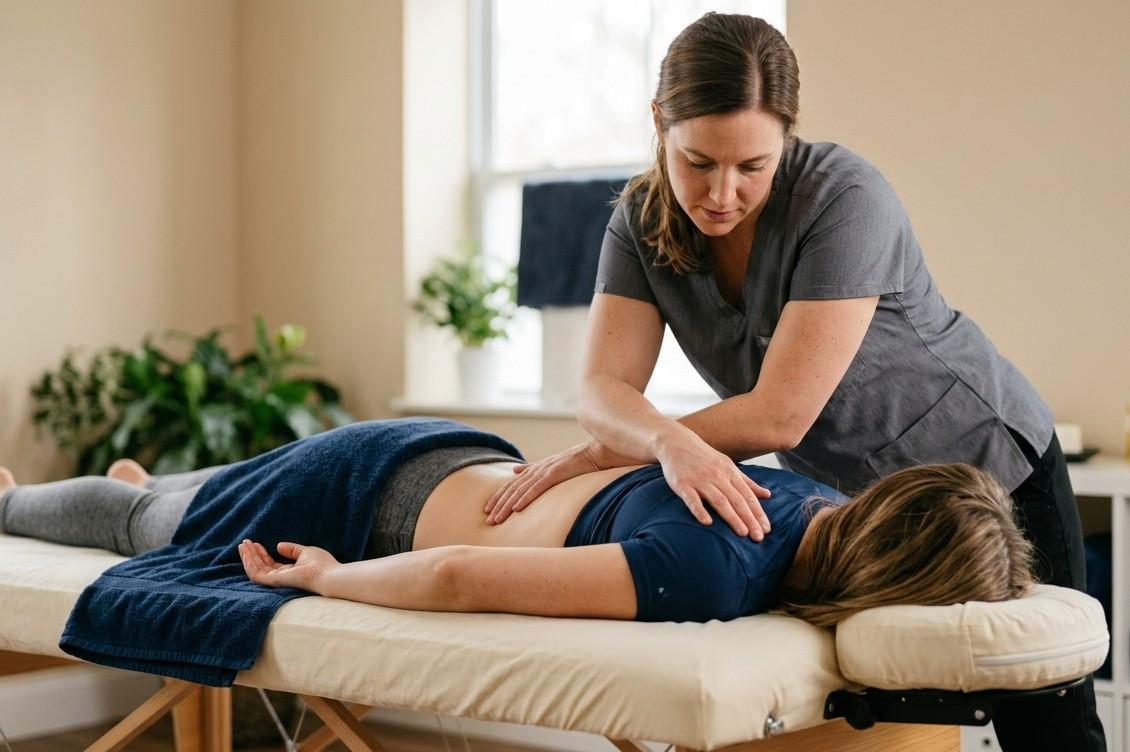
Myofascial Release Therapy has become one of the most talked-about hands-on treatments for chronic pain, muscle tightness, stress relief, and mobility improvement. Whether you are an athlete recovering from intense workouts, an office worker dealing with neck stiffness, or someone struggling with long-term body pain, this therapy may offer significant relief.
Unlike traditional massage techniques that focus mainly on muscles, Myofascial Release Therapy targets the fascia — the thin connective tissue that surrounds muscles, organs, nerves, and bones throughout the body. When fascia becomes tight or restricted due to injury, poor posture, stress, inflammation, or repetitive movements, it can create pain, reduced flexibility, and movement limitations.
This guide explores everything you need to know about Myofascial Release Therapy, including how it works, its benefits, techniques, risks, uses, and what to expect during a session.
What is Myofascial Release Therapy?
Myofascial Release Therapy (MFR) is a manual therapy technique designed to relieve tension and restrictions in the fascia. Fascia is a web-like connective tissue that supports and stabilizes muscles and internal structures throughout the body.
Healthy fascia is flexible and smooth, allowing free movement. However, trauma, stress, surgery, inflammation, repetitive strain, or inactivity can cause fascia to tighten and develop adhesions. These restrictions may create pain, stiffness, pressure, and poor movement patterns.
During Myofascial Release Therapy, a therapist applies gentle, sustained pressure to restricted areas of the fascia. The goal is to release tension, improve blood circulation, restore mobility, and reduce pain naturally. Unlike deep tissue massage, Myofascial Release Therapy usually involves slow and controlled stretching without forceful movements.
Understanding Fascia
To understand Myofascial Release Therapy better, it helps to know what fascia does.
Fascia is a connective tissue network that:
- Wraps around muscles
- Supports joints
- Protects organs
- Connects body structures
- Helps movement coordination
- Maintains posture
Think of fascia as a continuous body-wide web. If one area becomes tight, tension can spread to distant areas. For example, tight fascia in the hips may contribute to lower back pain or knee discomfort.
Healthy fascia is:
- Elastic
- Hydrated
- Flexible
- Smooth
Restricted fascia may become:
- Tight
- Painful
- Inflamed
- Rigid
- Sensitive
Myofascial Release Therapy aims to restore the fascia’s normal flexibility and function.
History of Myofascial Release Therapy
The modern development of Myofascial Release Therapy is often linked to physical therapist John F. Barnes, who popularized the technique in the 1970s. However, fascia-focused therapies have existed for centuries in various forms of manual healing practices.
Over time, physical therapists, chiropractors, massage therapists, osteopaths, and sports medicine specialists began integrating fascial techniques into rehabilitation and pain management programs.
Today, Myofascial Release Therapy is widely used in:
- Sports recovery
- Physical rehabilitation
- Pain management clinics
- Chiropractic care
- Wellness centers
- Physical therapy clinics
How Does Myofascial Release Therapy Work?
Myofascial Release Therapy works by applying sustained pressure to areas where fascial restrictions exist. The therapist gently stretches and manipulates connective tissue until the tension releases.
The therapy may help:
- Improve circulation
- Reduce inflammation
- Relax tight muscles
- Increase flexibility
- Enhance joint mobility
- Decrease nerve compression
- Restore movement patterns
The pressure used is often lighter and slower than standard massage techniques. Therapists may hold pressure on one spot for several minutes until they feel the tissue soften and release.
The body’s fascia responds slowly, which is why patience and sustained pressure are important during treatment.
Types of Myofascial Release Therapy
1. Direct Myofascial Release
This method uses firm pressure and stretching directly on restricted fascia. The therapist slowly moves the tissue until resistance decreases.
Common Features:
- Deep sustained pressure
- Slow stretching
- Targeted tissue work
2. Indirect Myofascial Release
Indirect release uses gentler movements. Instead of forcing the tissue, the therapist follows the natural direction of ease and relaxation.
Common Features:
- Gentle touch
- Relaxation-based
- Less discomfort
- Suitable for sensitive patients
3. Self-Myofascial Release
This technique involves using tools such as foam rollers, massage balls, or handheld devices to release fascial tightness independently.
Common Tools:
- Foam rollers
- Lacrosse balls
- Massage sticks
- Percussion massagers
Self-myofascial release is especially popular among athletes and fitness enthusiasts.
20 Proven Benefits of Myofascial Release Therapy
- Pain Relief: Myofascial Release Therapy may help reduce chronic muscle and joint pain by releasing fascial tension.
- Improved Flexibility: The therapy can increase flexibility by loosening tight connective tissues and muscles.
- Better Mobility: Regular sessions may improve range of motion and overall body movement.
- Reduced Muscle Tightness: It helps relax stiff and overworked muscles throughout the body.
- Enhanced Posture: Releasing fascial restrictions may improve body alignment and posture.
- Stress Reduction: The slow and gentle techniques can promote deep relaxation and lower stress levels.
- Improved Blood Circulation: The therapy may support healthier blood flow and oxygen delivery to tissues.
- Faster Muscle Recovery: Athletes often use it to recover more quickly after intense workouts.
- Reduced Headaches: Myofascial Release Therapy may ease tension headaches linked to neck and shoulder tightness.
- Better Athletic Performance: Improved flexibility and mobility may enhance sports performance.
- Decreased Joint Stiffness: The therapy can help loosen tight tissues around joints for smoother movement.
- Support for Injury Recovery: It may assist healing after strains, sprains, or repetitive stress injuries.
- Improved Sleep Quality: Reduced pain and relaxation may contribute to better sleep.
- Lower Stress on Nerves: Releasing tight fascia may decrease pressure on nearby nerves.
- Fibromyalgia Symptom Relief: Some people with fibromyalgia experience reduced tenderness and pain after treatment.
- Improved Body Awareness: The therapy may help individuals become more aware of movement patterns and posture.
- Reduced Scar Tissue Tightness: Myofascial techniques may help soften tight scar tissue after surgery or injury.
- Better Breathing Mechanics: Releasing chest and rib fascia may support easier breathing.
- Increased Relaxation: Many people feel calm and mentally refreshed after a session.
- Support for Long-Term Wellness: Regular therapy may help maintain healthier movement and tissue flexibility.
10 Side Effects of Myofascial Release Therapy
- Temporary Soreness: Some people experience mild muscle soreness after treatment sessions.
- Bruising: Gentle bruising may occur in sensitive or heavily restricted areas.
- Fatigue: The body may feel tired or drained after deep fascial work.
- Tenderness: Treated areas can remain sensitive for a short period after therapy.
- Mild Swelling: Some individuals may notice temporary swelling in treated tissues.
- Dizziness: Rarely, people may feel lightheaded immediately after a session.
- Increased Sensitivity: Tight areas may feel more sensitive before improvement occurs.
- Headaches: Occasionally, temporary headaches can develop after upper body treatment.
- Emotional Release: Some individuals may experience unexpected emotional responses during or after therapy.
- Temporary Stiffness: Mild stiffness may occur before the muscles and fascia fully relax.
Conditions Commonly Treated with Myofascial Release Therapy
Myofascial Release Therapy may help manage various physical conditions.
1. Musculoskeletal Conditions
- Back pain
- Neck pain
- Frozen shoulder
- Plantar fasciitis
- TMJ dysfunction
- Sciatica
2. Sports Injuries
- Muscle strains
- IT band syndrome
- Shin splints
- Tennis elbow
3. Chronic Pain Disorders
- Fibromyalgia
- Myofascial pain syndrome
- Chronic fatigue syndrome
4. Postural Problems
- Rounded shoulders
- Forward head posture
- Pelvic imbalance
5. Stress-Related Tension
- Tension headaches
- Jaw clenching
- Muscle stiffness
What Happens During a Myofascial Release Therapy Session?
A session typically begins with an assessment of posture, movement, pain areas, and tissue tightness.
During Treatment:
The therapist may:
- Apply gentle pressure
- Stretch restricted fascia
- Hold tension points
- Use slow hand movements
- Work on trigger points
Unlike traditional massage, oils or lotions may be used minimally because therapists need traction on the skin.
Sessions usually last between 30 to 90 minutes.
What Does Myofascial Release Feel Like?
Experiences vary depending on the individual and the severity of fascial restrictions.
You may feel:
- Gentle stretching
- Mild discomfort
- Warmth
- Pressure
- Tissue release sensations
- Relaxation
Some areas may feel tender temporarily, especially if the fascia is highly restricted.
Self-Myofascial Release Techniques
1. Foam Rolling
Foam rolling is one of the most common self-myofascial release methods.
Popular Areas:
- Calves
- Hamstrings
- Quads
- Back
- Glutes
Tips:
- Roll slowly
- Pause on tight spots
- Avoid rolling directly over joints
- Breathe deeply
2. Massage Ball Therapy
Massage balls help target smaller or deeper areas such as:
- Feet
- Hips
- Shoulders
- Upper back
3. Stretching with Fascial Awareness
Slow stretching combined with deep breathing may improve fascial flexibility.
Difference Between Myofascial Release and Massage Therapy
| Feature | Myofascial Release Therapy | Massage Therapy |
|---|---|---|
| Focus | Fascia/connective tissue | Muscles |
| Pressure | Slow sustained pressure | Rhythmic pressure |
| Speed | Slow | Moderate to fast |
| Goal | Release restrictions | Relax muscles |
| Techniques | Stretching fascia | Kneading and rubbing |
Both therapies can complement each other depending on the individual’s needs.
Myofascial Trigger Points
Trigger points are tight, sensitive knots within muscles or fascia that may cause pain locally or in other areas.
Myofascial Release Therapy often targets these trigger points to reduce:
- Muscle tension
- Referred pain
- Stiffness
Trigger points may develop from:
- Stress
- Repetitive motion
- Injury
- Poor posture
Myofascial Release for Athletes
Athletes frequently use Myofascial Release Therapy to support training and recovery.
Potential Benefits for Athletes:
- Faster recovery
- Improved mobility
- Reduced soreness
- Better movement efficiency
- Lower injury risk
Sports commonly associated with fascial therapy include:
- Running
- Weightlifting
- Cycling
- Football
- Yoga
- CrossFit
Myofascial Release for Office Workers
Long hours of sitting and poor posture can create fascial tightness in:
- Neck
- Shoulders
- Lower back
- Hips
Regular sessions may help counteract tension caused by desk work and screen time.
Who Should Avoid Myofascial Release Therapy?
Consult a healthcare professional before trying therapy if you have:
- Open wounds
- Severe osteoporosis
- Blood clotting disorders
- Recent fractures
- Severe inflammation
- Certain skin conditions
Pregnant individuals should seek guidance from qualified professionals before treatment.
Scientific Research on Myofascial Release Therapy
Research on fascia and myofascial therapy continues to grow.
Some studies suggest benefits for:
- Pain reduction
- Flexibility improvement
- Fibromyalgia symptoms
- Mobility enhancement
However, researchers note that more large-scale studies are needed to fully understand long-term effectiveness and mechanisms.
Despite ongoing debate, many patients report meaningful symptom relief and improved quality of life.
Myofascial Release vs Physical Therapy
Myofascial Release Therapy is often integrated into physical therapy programs.
Physical Therapy Focuses On:
- Rehabilitation exercises
- Strengthening
- Functional movement
- Injury recovery
Myofascial Release Focuses On:
- Tissue restrictions
- Fascial mobility
- Pain reduction
Many therapists combine both approaches for comprehensive treatment.
Myofascial Release and Mental Wellness
Physical tension and emotional stress are often connected.
Some individuals report:
- Reduced anxiety
- Improved relaxation
- Better sleep
- Emotional release
The slow, mindful nature of the therapy may help activate the parasympathetic nervous system, which supports relaxation and recovery.
How Often Should You Get Myofascial Release Therapy?
Frequency depends on:
- Your condition
- Pain severity
- Activity level
- Recovery goals
General Recommendations:
- Chronic pain: 1–2 sessions weekly initially
- Maintenance: Every few weeks
- Athletes: Around training schedules
- Stress relief: As needed
A therapist can create a personalized plan based on your needs.
Tips to Maximize Results
- Stay Hydrated: Hydration supports healthy fascial tissue function.
- Stretch Regularly: Gentle mobility exercises help maintain flexibility between sessions.
- Maintain Good Posture: Posture improvements reduce recurring tension patterns.
- Exercise Consistently: Movement keeps fascia healthy and adaptable.
- Use Foam Rollers at Home: Self-care tools may extend the benefits of professional sessions.
Choosing a Qualified Myofascial Release Therapist
When selecting a therapist, consider:
- Certification
- Experience
- Training background
- Client reviews
- Communication skills
Professionals may include:
- Physical therapists
- Massage therapists
- Chiropractors
- Osteopaths
Choose someone trained specifically in fascial techniques.
Myths About Myofascial Release Therapy
Myth 1: It Is Just a Massage
While similar in some ways, Myofascial Release Therapy specifically targets fascia rather than only muscles.
Myth 2: More Pain Means Better Results
Effective fascial release does not require excessive pain or force.
Myth 3: One Session Fixes Everything
Chronic fascial restrictions often require multiple treatments and lifestyle changes.
Myth 4: Foam Rolling Is the Same as Professional Therapy
Self-myofascial release can help, but trained therapists often identify deeper movement patterns and restrictions.
How to Prepare for a Session
Before your appointment:
- Wear comfortable clothing
- Drink water
- Avoid heavy meals
- Communicate your symptoms clearly
- Arrive relaxed if possible
After treatment:
- Stay hydrated
- Rest if needed
- Stretch gently
- Avoid intense exercise immediately if sore
Myofascial Release Therapy for Seniors
Older adults may benefit from improved mobility, flexibility, and comfort.
Potential benefits include:
- Better movement
- Reduced stiffness
- Improved posture
- Easier daily activities
Gentle techniques are usually preferred for seniors.
Myofascial Release and Modern Wellness Trends
The growing popularity of holistic wellness has increased interest in fascia-focused therapies.
Many wellness programs now combine:
- Yoga
- Mobility training
- Breathwork
- Physical therapy
- Massage
- Fascial release techniques
This integrative approach aims to support whole-body movement and recovery.
Conclusion:
Myofascial Release Therapy is a specialized hands-on treatment that focuses on relieving fascial restrictions throughout the body. By targeting connective tissue tension, the therapy may help reduce pain, improve flexibility, support injury recovery, enhance mobility, and promote relaxation.
From athletes and office workers to individuals dealing with chronic pain conditions, many people use Myofascial Release Therapy as part of their wellness and rehabilitation routine.
While scientific research continues to evolve, the therapy remains widely used in physical therapy, sports medicine, and holistic health practices. When combined with healthy movement habits, posture awareness, hydration, and regular exercise, Myofascial Release Therapy may contribute to long-term physical comfort and improved quality of life.
FAQ’s
Can we do MFR daily?
Yes, gentle self-myofascial release techniques like foam rolling can often be done daily, but intense sessions should be balanced with proper recovery.
How long does myofascial release last?
The effects of myofascial release may last from a few days to several weeks depending on lifestyle, posture, activity level, and the severity of fascial tightness.
How successful is myofascial release?
Many people experience reduced pain, improved flexibility, and better mobility with myofascial release, although results vary by individual and condition.
What organ is targeted during myofascial release?
Myofascial release mainly targets the fascia and connective tissues surrounding muscles, joints, nerves, and organs rather than a single specific organ.
What is Myofascial Release Therapy good for?
Myofascial Release Therapy is commonly used to reduce pain, improve flexibility, release muscle tightness, and restore movement in restricted fascia.
Does Myofascial Release Therapy actually work?
Many people report relief from pain, stiffness, and mobility issues after treatment, although results can vary depending on the condition and individual.
Is Myofascial Release Therapy painful?
The therapy may cause mild discomfort in tight areas, but it is usually gentle and should not feel excessively painful.
How long does a Myofascial Release session last?
Most sessions typically last between 30 and 90 minutes depending on the treatment plan.
How many sessions of Myofascial Release Therapy are needed?
Some people feel improvement after one session, while chronic conditions may require multiple treatments over several weeks.
What does fascia feel like when it releases?
People often describe the sensation as warmth, softening, reduced pressure, or improved movement in the treated area.
Can Myofascial Release help with back pain?
Yes, Myofascial Release Therapy is commonly used to help reduce lower back pain caused by muscle and fascial tension.
Is Myofascial Release the same as deep tissue massage?
No, Myofascial Release focuses on fascia and sustained pressure, while deep tissue massage mainly targets muscles using firmer techniques.
Can I do Myofascial Release Therapy at home?
Yes, self-myofascial release techniques using foam rollers or massage balls can be done at home for maintenance and recovery.
What should I do after a Myofascial Release session?
Drink plenty of water, rest if needed, and perform gentle stretching to support recovery.
Is Myofascial Release Therapy safe?
It is generally considered safe when performed by a trained professional, though some people may experience temporary soreness.
Can Myofascial Release help with posture?
Yes, releasing fascial tightness may improve posture and movement alignment.
Does Myofascial Release help athletes?
Athletes often use it to improve mobility, recovery, flexibility, and muscle performance.
Can Myofascial Release reduce stress?
The slow and relaxing techniques may help decrease physical tension and promote relaxation.
Can Myofascial Release help with headaches?
Yes, it may help relieve tension headaches caused by tight neck, shoulder, or jaw fascia.
Is foam rolling considered Myofascial Release?
Yes, foam rolling is a form of self-myofascial release commonly used for muscle recovery and flexibility.
What should I wear to a Myofascial Release appointment?
Wear loose and comfortable clothing that allows easy movement during treatment.
Can Myofascial Release improve flexibility?
Yes, reducing fascial restrictions may help improve range of motion and overall flexibility.
Also Read: