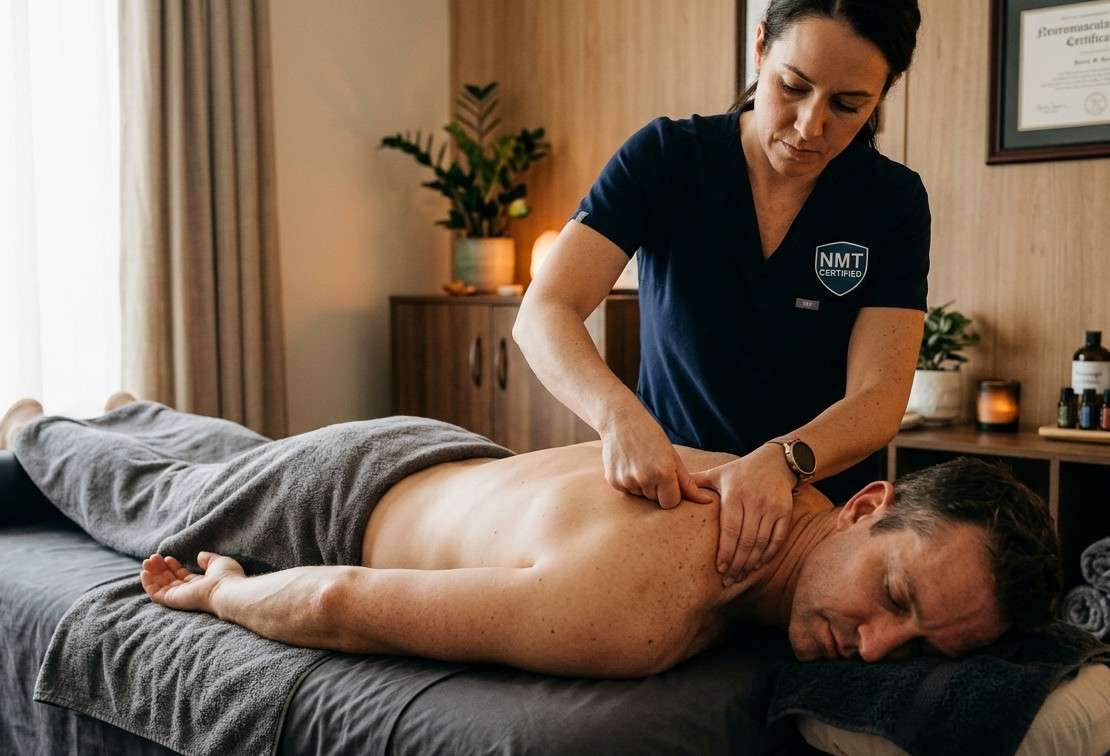
Neuromuscular massage is a specialized form of therapeutic bodywork designed to relieve chronic pain, reduce muscle tension, improve circulation, and restore balance between the nervous system and muscular system. Unlike a regular relaxation massage, this technique focuses on identifying trigger points, correcting postural imbalances, and treating soft tissue dysfunctions that may cause discomfort or limited mobility.
This therapy has become increasingly popular among athletes, office workers, people recovering from injuries, and individuals dealing with chronic muscle pain. By combining deep tissue pressure with precise therapeutic techniques, neuromuscular massage can provide both immediate relief and long-term healing benefits. In this guide, you will learn what neuromuscular massage is, how it works, its benefits, side effects, techniques, and tips for getting the best results.
What Is Neuromuscular Massage?
Neuromuscular massage, often called NMT (Neuromuscular Therapy), is a targeted massage therapy technique that focuses on treating trigger points, muscle spasms, nerve compression, poor circulation, and postural problems.
The therapy works by applying concentrated pressure to painful or tight areas in the muscles. These areas are commonly known as trigger points, which are hyperirritable spots that can cause localized pain or pain in other parts of the body.
Neuromuscular massage combines elements of:
- Deep tissue massage
- Trigger point therapy
- Myofascial release
- Stretching techniques
- Postural correction methods
The primary goal is to restore normal muscle function and improve communication between muscles and nerves.
History of Neuromuscular Massage
Neuromuscular therapy evolved from traditional massage practices and modern medical understanding of muscular pain patterns. It gained recognition during the 20th century as therapists and healthcare professionals studied the relationship between trigger points and chronic pain.
Over time, neuromuscular massage became widely used in sports rehabilitation, physical therapy clinics, chiropractic care, and wellness centers due to its effectiveness in addressing muscular dysfunctions.
Today, many massage therapists receive specialized certification in neuromuscular therapy to provide advanced pain-relief treatments.
How Neuromuscular Massage Works
Neuromuscular massage targets areas where muscles are tight, inflamed, or stressed. When muscles remain contracted for long periods, they may reduce blood flow and irritate nearby nerves. This can lead to pain, stiffness, numbness, or reduced movement.
The therapist uses controlled pressure and friction techniques to:
- Release trigger points
- Improve blood circulation
- Increase oxygen delivery to tissues
- Reduce inflammation
- Relax contracted muscles
- Improve posture and mobility
- Decrease nerve compression
By restoring balance in the musculoskeletal system, the therapy helps the body function more efficiently.
Types of Neuromuscular Massage Techniques
- Trigger Point Therapy: This technique focuses on releasing painful knots within muscles. Sustained pressure is applied directly to the trigger point until the muscle relaxes.
- Deep Tissue Compression: Firm pressure is used to reach deeper muscle layers and break down chronic tension and adhesions.
- Myofascial Release: Gentle stretching and pressure are used to release restrictions in the connective tissue surrounding muscles.
- Friction Therapy: Circular or cross-fiber movements are used to improve circulation and reduce scar tissue formation.
- Stretching Techniques: Passive stretching helps lengthen muscles and improve flexibility after tension is released.
20 Proven Benefits of Neuromuscular Massage
- Relieves Chronic Pain: Neuromuscular massage helps reduce long-term pain caused by muscle tension, trigger points, and nerve compression.
- Reduces Muscle Tightness: Deep pressure techniques loosen stiff and overworked muscles.
- Improves Blood Circulation: Enhanced circulation helps deliver oxygen and nutrients to muscle tissues.
- Releases Trigger Points: Targeted pressure reduces painful muscle knots and referred pain patterns.
- Enhances Flexibility: Relaxed muscles allow for better movement and improved range of motion.
- Corrects Postural Imbalances: The therapy can help realign muscles affected by poor posture.
- Reduces Stress Levels: Muscle relaxation may lower stress hormones and promote calmness.
- Supports Injury Recovery: Neuromuscular massage may speed healing after sports or physical injuries.
- Improves Athletic Performance: Healthy muscles function more efficiently during physical activities.
- Decreases Headaches: Tension in the neck and shoulders may contribute to headaches that massage can help relieve.
- Reduces Sciatica Symptoms: Pressure relief around irritated nerves may decrease sciatica discomfort.
- Helps Neck Pain: Tight neck muscles often respond well to neuromuscular therapy.
- Eases Lower Back Pain: Trigger point release may reduce stiffness and pain in the lower back.
- Improves Sleep Quality: Relaxed muscles and reduced pain can support deeper sleep.
- Enhances Nervous System Function: Reduced muscle pressure may improve nerve communication.
- Reduces Muscle Fatigue: Improved circulation helps muscles recover faster after activity.
- Supports Better Posture: Releasing muscular tension may help the body maintain healthier alignment.
- May Reduce Anxiety: Massage therapy can encourage physical and mental relaxation.
- Helps Repetitive Strain Injuries: Conditions caused by repetitive movement may improve with therapy.
- Boosts Overall Mobility: Reduced tension and pain can make daily movements easier and more comfortable.
Conditions Commonly Treated With Neuromuscular Massage
Neuromuscular massage is often used to address a wide variety of musculoskeletal issues.
1. Back Pain
Chronic lower and upper back pain may improve through trigger point release and muscle relaxation.
2. Neck and Shoulder Tension
People who spend long hours at desks often develop stiffness in these areas.
3. Sciatica
The therapy may help reduce pressure around the sciatic nerve.
4. Fibromyalgia
Some individuals with fibromyalgia find relief from muscle tenderness through gentle neuromuscular techniques.
5. Carpal Tunnel Syndrome
Massage may help reduce tension in muscles affecting the wrist and forearm.
6. TMJ Dysfunction
Jaw tension and headaches linked to TMJ disorders may improve with specialized massage.
7. Sports Injuries
Athletes commonly use neuromuscular therapy for muscle strains and recovery support.
8. Migraines and Tension Headaches
Muscle tension in the neck and scalp can contribute to headaches that massage may relieve.
Neuromuscular Massage vs Deep Tissue Massage
Although both therapies use firm pressure, they are not identical.
| Feature | Neuromuscular Massage | Deep Tissue Massage |
|---|---|---|
| Focus | Trigger points and nerve-muscle balance | General deep muscle tension |
| Pressure | Precise and targeted | Broad and firm |
| Purpose | Pain treatment and rehabilitation | Muscle relaxation |
| Techniques | Trigger point therapy, postural correction | Deep strokes and compression |
| Best For | Chronic pain and dysfunction | General tension relief |
Neuromuscular massage is usually more clinical and corrective in nature.
What Happens During a Neuromuscular Massage Session?
A typical session may last between 60 and 90 minutes.
Initial Assessment
The therapist may ask questions about:
- Pain levels
- Injury history
- Lifestyle habits
- Physical activity
- Posture concerns
Muscle Evaluation
The therapist checks muscle tension, posture, movement patterns, and trigger points.
Treatment Process
Focused pressure is applied to problem areas using fingers, knuckles, elbows, or specialized tools. Some discomfort may occur when trigger points are released, but the sensation is usually manageable.
Post-Treatment Recommendations
The therapist may suggest:
- Drinking water
- Stretching exercises
- Improved posture habits
- Rest or heat therapy
Areas Commonly Targeted in Neuromuscular Massage
- Neck: Helps relieve stiffness, headaches, and tension.
- Shoulders: Often treated for stress-related tightness and posture issues.
- Upper Back: Useful for people with desk-related muscular strain.
- Lower Back: Commonly targeted for chronic pain and sciatica symptoms.
- Hips and Glutes: Tension in these areas may affect posture and leg movement.
- Legs and Calves: Helpful for athletes and people with muscle fatigue.
- Arms and Forearms: Often treated in repetitive strain injuries.
Who Can Benefit From Neuromuscular Massage?
Neuromuscular massage may be beneficial for:
- Athletes
- Office workers
- Fitness enthusiasts
- People with chronic pain
- Individuals recovering from injuries
- Seniors with muscle stiffness
- People with posture-related discomfort
- Individuals experiencing stress-related muscle tension
10 Side Effects of Neuromuscular Massage
- Temporary Soreness: Deep pressure techniques may leave muscles feeling sore for a short time.
- Mild Bruising: Sensitive skin or intense pressure can occasionally cause bruising.
- Fatigue: Some people feel tired after a session due to muscle relaxation.
- Headache: Trigger point release may temporarily trigger mild headaches in some individuals.
- Redness of Skin: Increased blood flow can cause temporary skin redness.
- Tenderness: Treated areas may remain tender for a day or two.
- Lightheadedness: Rapid relaxation and circulation changes may cause brief dizziness.
- Muscle Sensitivity: Deep tissue work may temporarily increase sensitivity.
- Emotional Release: Some individuals experience emotional reactions during deep therapeutic work.
- Dehydration Symptoms: Massage may increase the body’s need for hydration after treatment.
How to Prepare for a Neuromuscular Massage
Preparing properly may help improve the effectiveness of your session.
- Stay Hydrated: Drink water before your appointment to support muscle health.
- Avoid Heavy Meals: A light meal is usually better before massage therapy.
- Wear Comfortable Clothing: Loose-fitting clothing makes it easier to relax before and after treatment.
- Communicate Clearly: Tell your therapist about any pain, injuries, or medical conditions.
- Avoid Intense Exercise Beforehand: Overworked muscles may feel more sensitive during treatment.
Aftercare Tips for Neuromuscular Massage
- Drink Plenty of Water: Hydration helps flush metabolic waste from muscles.
- Rest if Needed: Your body may need recovery time after deep therapeutic work.
- Stretch Gently: Light stretching can help maintain flexibility and reduce soreness.
- Use Heat Therapy: Warm compresses may help relax muscles further.
- Avoid Heavy Activity: Intense exercise immediately after massage may irritate treated muscles.
How Often Should You Get Neuromuscular Massage?
The ideal frequency depends on your condition and goals.
- Chronic pain sufferers may benefit from weekly sessions initially.
- Athletes may schedule sessions before or after competitions.
- General maintenance clients often choose sessions every 2–4 weeks.
- Injury rehabilitation programs may require more frequent treatments.
A qualified therapist can recommend an appropriate schedule.
Neuromuscular Massage for Athletes
Athletes commonly use neuromuscular therapy to:
- Improve muscle recovery
- Reduce muscle tightness
- Prevent injuries
- Increase flexibility
- Improve performance
- Address overuse injuries
Sports involving repetitive movement often create muscular imbalances that neuromuscular massage can help correct.
Neuromuscular Massage for Office Workers
Long hours of sitting and computer work can lead to:
- Neck tension
- Rounded shoulders
- Lower back pain
- Wrist discomfort
- Poor posture
Neuromuscular massage may help reduce these problems by targeting overworked muscles and improving posture.
Neuromuscular Massage and Stress Relief
Although primarily therapeutic, neuromuscular massage can also support emotional relaxation.
Chronic muscle tension is often linked to stress and anxiety. Releasing tight muscles may help calm the nervous system and improve overall well-being. Many people report feeling mentally refreshed after treatment.
Can Neuromuscular Massage Help Sciatica?
Sciatica often occurs when the sciatic nerve becomes irritated or compressed.
Neuromuscular massage may help by:
- Relaxing surrounding muscles
- Improving circulation
- Reducing inflammation
- Decreasing pressure on nerves
However, severe or persistent sciatica should always be evaluated by a healthcare professional.
Neuromuscular Massage and Trigger Points
Trigger points are one of the main focuses of neuromuscular therapy.
These tight muscle knots may develop due to:
- Stress
- Injury
- Overuse
- Poor posture
- Repetitive movement
- Muscle imbalance
When trigger points are released, pain and stiffness may decrease significantly.
Is Neuromuscular Massage Painful?
Neuromuscular massage can feel more intense than relaxation massage because it targets deeper muscle layers and trigger points.
Some discomfort is normal during treatment, especially when tight muscles are being worked on. However, the pressure should remain manageable and should not feel unbearable. Good communication with your therapist is important throughout the session.
Who Should Avoid Neuromuscular Massage?
Certain individuals should consult a healthcare professional before receiving treatment.
- People With Blood Clotting Disorders: Deep pressure may increase complications.
- Individuals With Severe Osteoporosis: Fragile bones may not tolerate intense pressure.
- People With Open Wounds or Infections: Massage should not be performed over infected or damaged skin.
- Individuals Recovering From Surgery: Medical clearance may be necessary before treatment.
- Pregnant Individuals: Specialized prenatal massage techniques are safer during pregnancy.
Choosing a Qualified Neuromuscular Massage Therapist
When selecting a therapist, consider:
- Certification and training
- Experience with your condition
- Client reviews
- Communication skills
- Professional environment
A skilled therapist will customize treatment according to your needs and comfort level.
Natural Ways to Enhance Neuromuscular Massage Results
- Regular Stretching: Stretching helps maintain muscle flexibility.
- Proper Posture: Good posture reduces muscle strain and tension buildup.
- Exercise: Balanced physical activity strengthens supporting muscles.
- Stress Management: Meditation and relaxation techniques may reduce muscular tension.
- Healthy Hydration: Proper hydration supports muscle recovery and circulation.
Conclusion
Neuromuscular massage is a powerful therapeutic technique designed to address chronic pain, muscular dysfunction, and trigger points. By combining deep tissue methods with precise neuromuscular techniques, this therapy can improve circulation, reduce muscle tension, restore mobility, and support overall physical wellness.
Whether you are an athlete, office worker, or someone dealing with long-term muscular discomfort, neuromuscular massage may offer meaningful relief and improved quality of life. Working with a qualified therapist and following proper aftercare can help maximize the benefits of this specialized form of bodywork.
FAQ’s
Is neuromuscular massage painful?
It can feel intense because the therapist applies focused pressure to tight muscles and trigger points, but the discomfort is usually manageable and temporary.
How long does a neuromuscular massage session last?
Most massage sessions last between 60 and 90 minutes depending on the areas being treated.
Can neuromuscular massage help sciatica?
Yes, it may reduce pressure around the sciatic nerve by relaxing tight muscles and improving circulation.
Can neuromuscular massage help headaches?
Yes, tension headaches caused by tight neck and shoulder muscles may improve with treatment.
Is neuromuscular massage safe during pregnancy?
Pregnant individuals should consult a healthcare provider and seek therapists trained in prenatal massage techniques.
Can athletes benefit from neuromuscular massage?
Yes, athletes often use it to improve flexibility, speed muscle recovery, reduce soreness, and prevent injuries.
Does neuromuscular massage improve posture?
Yes, by releasing tight muscles and correcting muscular imbalances, it may help improve posture over time.
Can neuromuscular massage reduce stress?
Yes, relaxing tense muscles and calming the nervous system may help reduce stress and promote relaxation.
How quickly does neuromuscular massage work?
Some people feel relief immediately after one session, while chronic conditions may require multiple treatments.
What should I wear to a neuromuscular massage appointment?
Wear loose, comfortable clothing that allows easy movement and relaxation.
Can neuromuscular massage help lower back pain?
Yes, it is commonly used to reduce lower back tension, trigger points, and muscle stiffness.
Is neuromuscular massage good for office workers?
Yes, it may help relieve neck, shoulder, and back tension caused by prolonged sitting and computer use.
What is the difference between trigger point therapy and neuromuscular massage?
Trigger point therapy focuses only on muscle knots, while neuromuscular massage includes trigger point work along with postural correction and nerve-muscle balancing techniques.
What is the difference between a neuromuscular massage and a regular massage?
Neuromuscular massage focuses on treating trigger points, chronic pain, muscle dysfunction, and nerve-related tension using targeted therapeutic techniques. A regular massage is mainly designed for relaxation, stress relief, and improving general muscle comfort.
Also Read: