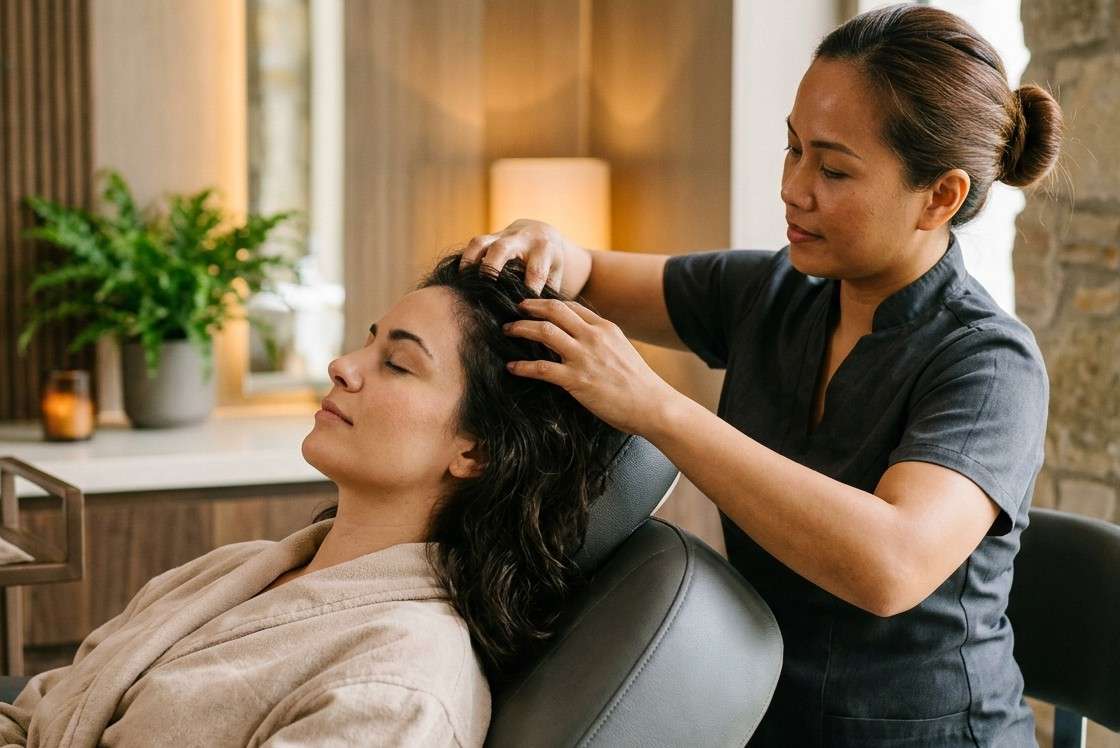
Scalp massage is one of the simplest and most relaxing self-care practices that people around the world use for stress relief, hair care, and overall wellness. Whether performed with fingertips, massage tools, oils, or during a salon treatment, scalp massage can help improve blood circulation, relax muscles, and create a soothing experience for the mind and body.
In recent years, scalp massage has gained popularity not only as a relaxation therapy but also as a natural way to support healthier hair and scalp conditions. Many people include it in their beauty routines to reduce tension, promote hair growth, improve sleep, and enhance the effectiveness of hair oils and treatments. This guide explores everything you need to know about scalp massage, including its benefits, techniques, side effects, different types, and tips for getting the best results.
What is Scalp Massage?
Scalp massage is the practice of gently rubbing, pressing, or kneading the scalp using the fingertips, hands, or massage tools. It is designed to stimulate blood flow, relax scalp muscles, and support healthy hair follicles.
Scalp massage may be performed:
- Dry without oil
- Using essential oils
- During shampooing
- With scalp massagers or brushes
- As part of spa therapies
- Alongside hair growth treatments
The practice has roots in many traditional wellness systems, including Ayurvedic head massage, Chinese massage therapy, and salon scalp treatments.
Nutritional and Wellness Connection of Scalp Massage
Although massage itself is not a food or nutrient, it supports overall scalp health by improving circulation and helping nutrients reach hair follicles more effectively.
| Wellness Aspect | Role in Scalp Health |
|---|---|
| Improved Blood Flow | Helps nourish hair follicles |
| Relaxation | Reduces stress-related hair fall |
| Oil Distribution | Spreads natural scalp oils evenly |
| Muscle Relaxation | Reduces head and neck tension |
| Better Product Absorption | Helps oils and serums penetrate better |
| Sleep Support | Promotes calmness and relaxation |
20 Proven Benefits of Scalp Massage
1. Improves Blood Circulation – Massage increases blood flow to the scalp, helping deliver oxygen and nutrients to hair follicles.
2. Supports Hair Growth – Regular massage may stimulate hair follicles and support thicker-looking hair over time.
3. Reduces Stress – Gentle scalp pressure can calm the nervous system and reduce daily stress levels.
4. Relieves Head Tension – Massage helps relax tight muscles around the forehead, temples, and scalp.
5. Promotes Better Sleep – Many people experience improved sleep quality after a relaxing massage session.
6. Helps Reduce Anxiety – Massage therapy can support emotional relaxation and reduce anxious feelings.
7. Enhances Hair Oil Absorption – Massaging the scalp helps distribute oils evenly and improves absorption.
8. May Reduce Hair Breakage – Better scalp health can contribute to stronger hair roots and less breakage.
9. Supports Natural Oil Production – Scalp massage may help balance natural sebum production.
10. Improves Dry Scalp Conditions – Gentle massage can help loosen dry flakes and support scalp hydration.
11. Relaxes Neck and Shoulder Muscles – Head massage often eases surrounding muscle tension as well.
12. Boosts Relaxation Hormones – Massage may encourage the release of feel-good hormones like serotonin.
13. Can Reduce Mild Headaches – Some people find massage helpful for tension-related headaches.
14. Encourages Mindfulness – The calming sensation helps people relax mentally and stay present.
15. Supports Healthy Hair Texture – Improved scalp condition may contribute to shinier and smoother hair.
16. May Improve Mood – Relaxation and stress reduction often create a positive emotional effect.
17. Helps Remove Product Build-Up – Massage during shampooing can help cleanse the scalp more effectively.
18. Supports Scalp Flexibility – Regular massage keeps scalp tissues more relaxed and mobile.
19. Can Reduce Mental Fatigue – A short massage session may refresh the mind after long work hours.
20. Enhances Self-Care Routine – Adding massage to your routine encourages healthy wellness habits.
Types of Scalp Massage
1. Traditional Fingertip Scalp Massage
This is the most common method where fingertips are used in circular motions across the scalp.
2. Oil Scalp Massage
Natural oils such as coconut, almond, or rosemary oil are massaged into the scalp for added nourishment.
3. Shampoo Scalp Massage
Performed while washing hair to improve cleansing and circulation.
4. Ayurvedic Head Massage
An Indian wellness practice combining herbal oils and pressure techniques for relaxation and hair care.
5. Deep Tissue Scalp Massage
Uses firmer pressure to release tight scalp and neck muscles.
6. Electric Scalp Massage
Uses vibrating devices or electric tools to stimulate the scalp.
7. Acupressure Scalp Massage
Focuses on pressure points believed to improve energy flow and relaxation.
How to Do Scalp Massage Properly
Step 1: Prepare the Environment
Choose a calm and quiet place where you can relax comfortably.
Step 2: Use Clean Hands
Wash your hands thoroughly before touching your scalp.
Step 3: Apply Oil if Desired
You may use oils such as:
- Coconut oil
- Argan oil
- Olive oil
- Rosemary oil
- Jojoba oil
Step 4: Start with Gentle Pressure
Place your fingertips on the scalp and move in slow circular motions.
Step 5: Cover the Entire Scalp
Massage:
- Front hairline
- Temples
- Crown
- Sides
- Back of the head
Step 6: Continue for 5–15 Minutes
A short daily massage is often enough for relaxation and scalp support.
Step 7: Wash Hair if Needed
If oils were used, shampoo the hair afterward if preferred.
Best Oils for Scalp Massage
- Coconut Oil: Popular for moisturizing and nourishing the scalp.
- Rosemary Oil: Often used to support healthy hair growth.
- Castor Oil: Known for its thick texture and conditioning properties.
- Almond Oil: Rich in vitamin E and beneficial fats.
- Olive Oil: Helps soften dry scalp and hair.
- Peppermint Oil: Provides a cooling sensation and refreshing effect.
- Jojoba Oil: Closely resembles natural scalp oils and suits many hair types.
Scalp Massage for Hair Growth
Many people use massage as part of their hair growth routine. The main idea is that stimulating blood circulation around hair follicles may help create a healthier environment for hair growth.
How It May Help:
- Increases nutrient delivery
- Reduces stress-related hair shedding
- Improves scalp condition
- Enhances oil penetration
- Supports healthier roots
Tips for Better Results:
- Massage consistently
- Use gentle pressure
- Combine with healthy nutrition
- Avoid excessive scratching
- Stay hydrated
Scalp Massage for Stress Relief
Stress can affect both physical and emotional health. Massage is widely used as a relaxation technique because it helps calm the body and mind.
Why It Feels Relaxing:
The scalp contains many nerve endings that respond positively to gentle touch and pressure.
Relaxation Benefits:
- Reduces muscle tension
- Slows mental overactivity
- Encourages calmness
- Improves emotional comfort
- Supports better sleep
Scalp Massage During Shampooing
Massaging the scalp while shampooing offers both cleansing and relaxing effects.
Benefits:
- Removes dirt and oil buildup
- Improves circulation
- Helps shampoo spread evenly
- Loosens flakes
- Creates a soothing experience
How to Do It:
- Use fingertips instead of nails
- Massage gently for 2–3 minutes
- Focus on the entire scalp
- Rinse thoroughly
Scalp Massage Tools
Many people use tools to enhance their massage experience.
1. Silicone Scalp Brushes
Soft silicone bristles gently exfoliate the scalp.
2. Wooden Massagers
Traditional handheld tools for relaxation.
3. Electric Scalp Massagers
Battery-powered devices that provide vibration or kneading motions.
4. Metal Wire Massagers
Lightweight tools designed for tingling scalp stimulation.
10 Side Effects of Scalp Massage
1. Scalp Irritation – Excessive pressure may irritate sensitive skin.
2. Hair Breakage – Aggressive rubbing can weaken hair strands.
3. Oil Buildup – Too much oil may clog pores or make hair greasy.
4. Allergic Reactions – Some oils or products may trigger allergies.
5. Temporary Redness – Increased circulation can cause mild redness.
6. Headache from Pressure – Very strong massage pressure may trigger discomfort.
7. Scalp Sensitivity – Over-massaging can make the scalp tender.
8. Product Residue – Leaving oils on too long may attract dirt buildup.
9. Dizziness in Rare Cases – Intense massage may occasionally cause lightheadedness.
10. Worsening Certain Skin Conditions – Severe scalp infections or psoriasis may require medical guidance before massage.
Who Should Avoid Scalp Massage?
Massage may not be suitable for everyone.
- People with Open Wounds: Avoid massage if the scalp has cuts or injuries.
- Individuals with Severe Scalp Infections: Consult a healthcare professional before massaging infected areas.
- People with Recent Head Surgery: Wait until fully healed and medically cleared.
- Those with Severe Skin Conditions: Certain scalp disorders may worsen with friction or oils.
Best Time for Scalp Massage
Before Bed
Helps promote relaxation and better sleep.
Before Shampooing
Ideal for oil treatments and scalp nourishment.
During Hair Wash
Enhances cleansing and circulation.
During Stressful Days
Can quickly reduce mental fatigue and tension.
How Often Should You Do Scalp Massage?
Daily
5–10 minutes daily is common for relaxation and scalp care.
Weekly Oil Massage
Many people perform deeper oil massages 1–2 times per week.
Occasional Spa Sessions
Professional scalp treatments may be done monthly.
Professional Scalp Massage Treatments
Many salons and spas offer specialized scalp massage therapies.
Common Features:
- Aromatherapy oils
- Steam treatments
- Deep cleansing
- Neck massage
- Relaxation therapy
Benefits of Professional Sessions:
- Deeper relaxation
- Skilled techniques
- Better stress relief
- Improved scalp care
Scalp Massage and Mental Wellness
Massage is not just about hair care. It can also support emotional well-being.
Emotional Benefits:
- Encourages relaxation
- Reduces daily tension
- Supports mindfulness
- Improves mood
- Creates comfort and calmness
DIY Scalp Massage at Home
Simple 10-Minute Routine:
Minute 1–2: Warm the scalp using gentle circular motions.
Minute 3–4: Massage temples and forehead area.
Minute 5–6: Focus on crown and back of the head.
Minute 7–8: Apply light pressure around the neck.
Minute 9–10: Finish with gentle strokes and deep breathing.
Tips for Better Scalp Massage Results
- Keep fingernails short
- Avoid harsh pressure
- Use quality oils
- Stay consistent
- Massage clean scalp
- Drink enough water
- Combine with healthy nutrition
- Reduce stress levels
Common Myths About Scalp Massage
Myth 1: Harder Pressure Gives Better Results
Gentle pressure is usually more effective and safer.
Myth 2: Scalp Massage Instantly Grows Hair
Results may take weeks or months and vary by person.
Myth 3: Oils Are Always Necessary
Dry scalp massage can also provide benefits.
Myth 4: More Massage Is Always Better
Overdoing massage may irritate the scalp.
Scalp Massage in Different Cultures
India
Ayurvedic head massage with herbal oils has been practiced for centuries.
Japan
Japanese head spa treatments focus on deep cleansing and relaxation.
China
Traditional Chinese massage includes scalp pressure points for wellness.
Western Wellness Culture
Modern spas often combine scalp massage with aromatherapy and relaxation therapies.
Conclusion:
Scalp massage is a simple yet powerful wellness practice that offers benefits for both the mind and body. From stress relief and relaxation to improved scalp condition and healthier-looking hair, regular massage can become an important part of a balanced self-care routine.
Whether you prefer traditional fingertip massage, oil treatments, or modern scalp massager tools, consistency and gentle technique are key to achieving the best results. While massage is not a miracle cure for hair problems, it can support healthier scalp function, improve relaxation, and enhance overall well-being when combined with good nutrition and healthy habits.
FAQ’s
Does scalp massage help hair growth?
Massage may support healthier hair growth by improving blood circulation to hair follicles.
Can scalp massage reduce stress?
Yes, massage is widely known for helping reduce stress and promoting relaxation.
Is scalp massage good for dandruff?
Gentle massage may help loosen flakes and improve scalp cleanliness when combined with proper hair care.
Can scalp massage stop hair fall?
Massage may help reduce stress-related hair fall, but results vary depending on the cause of hair loss.
How long should a scalp massage last?
A typical massage session lasts between 5 and 20 minutes.
Can I massage my scalp every day?
Yes, daily gentle scalp massage is generally safe for most people.
Is it better to massage the scalp with oil or without oil?
Both methods can be beneficial depending on your hair type and personal preference.
Can scalp massage cause hair loss?
Aggressive rubbing or using excessive pressure may cause temporary hair breakage.
Should scalp massage be done on wet or dry hair?
Massage can be performed on both wet and dry hair.
Can scalp massage improve sleep?
Yes, many people find massage calming and helpful for better sleep.
Are scalp massage tools effective?
Soft massage tools may help improve relaxation and scalp stimulation.
Can scalp massage help headaches?
Some people experience relief from tension headaches after a gentle massage.
Is scalp massage safe for sensitive scalp?
Yes, but very gentle pressure should be used on sensitive skin.
Can I leave oil overnight after scalp massage?
Many people leave hair oils overnight, but it depends on scalp type and product used.
Does scalp massage increase blood circulation?
Yes, massage is believed to improve blood flow around the scalp area.
Can scalp massage help dry scalp?
Massage combined with moisturizing oils may help improve dry scalp conditions.
Is scalp massage safe during pregnancy?
Gentle massage is usually considered safe, though medical advice is recommended for specific concerns.
Can scalp massage make hair thicker?
Some studies suggest regular massage may support thicker-looking hair over time.
Can scalp massage help anxiety?
Massage may help relax the nervous system and reduce feelings of anxiety.
Do salons offer professional scalp massage treatments?
Yes, many spas and salons offer specialized massage and head spa treatments.
Can scalp massage remove product buildup?
Massage during shampooing may help loosen dirt, oil, and product buildup.
Is scalp massage good for oily scalp?
Gentle massage may help distribute natural oils more evenly across the scalp.
Can children get scalp massages?
Yes, gentle massage is generally safe for children when done carefully.
Does scalp massage work instantly?
Relaxation effects are often immediate, but hair-related results may take weeks or months.
Can I use essential oils during scalp massage?
Yes, diluted essential oils like rosemary or peppermint are commonly used during massage.
Also Read: