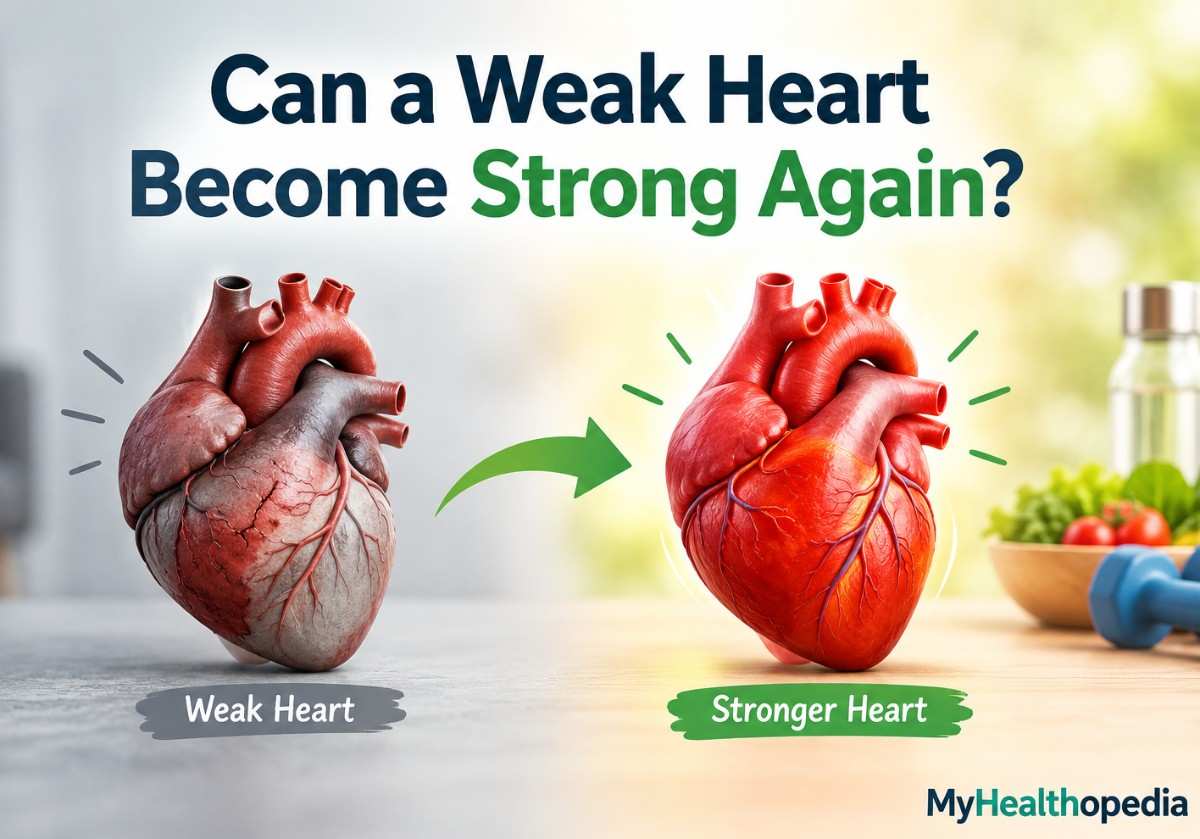
Hearing that your heart is “weak” can be frightening. Many people immediately wonder whether the heart can recover, whether its pumping ability can improve, and what they can do to make it stronger.
The good news is that a weakened heart can improve in many cases. The amount of recovery depends on why the heart became weak, how severe the problem is, how early it is treated, and how consistently the treatment plan is followed.
Some people experience a significant improvement in heart function after treating the underlying problem. In others, treatment may not completely restore normal heart function but can control symptoms, prevent further weakening and help the person live longer and more comfortably.
What Does a “Weak Heart” Actually Mean?
“Weak heart” is not a specific medical diagnosis. People commonly use the phrase to describe a heart that is not pumping blood effectively or a heart that has become stiff and has difficulty filling properly.
One measurement doctors commonly use is ejection fraction (EF). EF describes the percentage of blood pumped out of the left ventricle with each heartbeat.
A typical EF is around 55% to 70%. A lower EF can indicate reduced pumping function, although a person can have heart failure even when the EF is normal.
For example, in heart failure with reduced ejection fraction (HFrEF), the heart’s main pumping chamber does not squeeze strongly enough. In heart failure with preserved ejection fraction (HFpEF), the heart may squeeze relatively normally but become stiff and have difficulty filling with blood.
Symptoms of a Weak Heart
A “weak heart” can cause different symptoms depending on the underlying condition and how well the heart is pumping. Some people have mild symptoms at first, while others may develop noticeable problems with everyday activities.
Common symptoms may include:
- Shortness of Breath: You may feel breathless during activity or, in more advanced cases, while resting or lying down.
- Persistent Fatigue: Reduced blood flow can leave you unusually tired or lacking energy during normal activities.
- Swelling in the Legs and Ankles: Fluid can build up in the lower legs, ankles or feet when the heart is struggling to circulate blood effectively.
- Rapid or Irregular Heartbeat: Some heart conditions can cause a racing, pounding or irregular heartbeat.
- Reduced Exercise Tolerance: Activities that were previously easy, such as walking or climbing stairs, may become more difficult.
- Persistent Cough or Wheezing: Fluid buildup in or around the lungs can sometimes cause coughing or wheezing, particularly when lying down.
- Sudden Weight Gain: A rapid increase in weight over a short period can sometimes indicate fluid retention.
- Difficulty Breathing While Lying Flat: Some people may need extra pillows or prefer sitting upright because breathing becomes harder when lying down.
- Dizziness or Lightheadedness: Reduced cardiac output or abnormal heart rhythms can sometimes cause dizziness or feeling faint.
- Chest Discomfort: Chest pressure, pain or discomfort can occur with certain heart conditions and should not be ignored.
- Difficulty Concentrating: Reduced circulation and other effects of heart failure can sometimes contribute to confusion or difficulty concentrating.
- Feeling Weak: General weakness may occur when the body’s tissues are not receiving adequate blood flow.
Can a Weak Heart Become Strong Again?
Yes, a weak heart can sometimes become stronger again.
Many people with a low EF experience improvement when the cause of heart weakness is identified and treated. The American Heart Association notes that better heart-failure management can lead to improved or even recovered EF in some people.
Recovery is more likely when the underlying problem can be effectively treated. Depending on the situation, this may involve treating conditions such as high blood pressure, coronary artery disease, diabetes or certain heart rhythm problems.
However, recovery varies greatly from person to person. An improved EF does not necessarily mean the underlying heart condition has disappeared permanently. Heart failure can return or worsen, which is why prescribed treatment and follow-up remain important.
What Can Cause the Heart to Become Weak?
Several conditions can reduce heart function.
1. Coronary Artery Disease
Blocked or narrowed coronary arteries can reduce blood flow to the heart muscle. A heart attack can also damage heart muscle and reduce its ability to pump effectively.
2. High Blood Pressure
Long-term uncontrolled high blood pressure makes the heart work harder. Over time, this can contribute to changes in the heart muscle and eventually affect its function.
3. Heart Valve Problems
Damaged or abnormal heart valves can make the heart work harder than normal. Treating the valve problem may improve heart function in appropriate cases.
4. Abnormal Heart Rhythms
Certain persistent or severe arrhythmias can weaken the heart over time. Treating the abnormal rhythm may help the heart recover.
5. Cardiomyopathy
Cardiomyopathy refers to diseases of the heart muscle. Some forms can be inherited, while others may develop because of infections, toxins, metabolic problems or other causes.
6. Diabetes and Metabolic Problems
Diabetes and metabolic disorders can increase cardiovascular risk and contribute to heart disease. Managing these conditions is an important part of protecting heart function.
7. Excessive Alcohol Use
Heavy alcohol consumption can damage the heart muscle in some people. Reducing or stopping alcohol may be an important part of treatment when alcohol is contributing to heart weakness.
Can Exercise Make a Weak Heart Stronger?
In many people, appropriately prescribed exercise can improve fitness, symptoms and quality of life and may contribute to better heart function.
The important word is appropriately.
A person with stable heart failure may benefit from walking, cycling, strength exercises or a structured cardiac rehabilitation program. But someone with unstable symptoms may need medical assessment before exercising.
The American Heart Association recommends discussing the right amount and type of physical activity with a healthcare professional.
Start slowly if you have been medically cleared to exercise, and stop and seek medical advice if you develop concerning symptoms such as chest pain, severe breathlessness, fainting or significant dizziness.
Can Diet Alone Strengthen a Weak Heart?
Diet can support heart health, but diet alone cannot reliably reverse heart failure.
A healthy diet can help manage blood pressure, weight, blood sugar and other cardiovascular risk factors. However, if you have an established heart condition, nutrition usually needs to be combined with appropriate medical treatment.
Be particularly careful with supplements marketed as “heart-strengthening” products. Some supplements can interact with prescription medications or affect blood pressure, heart rhythm or kidney function.
How Long Does It Take for a Weak Heart to Become Stronger?
There is no single recovery timeline.
Some people may notice improvements in symptoms relatively quickly after treatment begins, while measurable changes in heart function can take longer. The timeline depends on the underlying cause, severity of heart dysfunction, treatment and overall health.
Doctors may repeat an echocardiogram or other tests after a period of treatment to determine whether heart function has improved.
Can a Heart Return to a Normal Ejection Fraction?
Yes, it can happen in some people.
People with reduced EF may experience substantial improvement or recovery after appropriate treatment. The American Heart Association specifically notes that many people with low EF can improve it through effective heart-failure management.
However, an improved EF does not necessarily mean that treatment can be stopped. Some people whose EF improves can experience worsening heart failure again if treatment is withdrawn. Mayo Clinic also notes that heart failure may return even after symptoms and EF improve.
What If the Heart Is Very Weak?
Severe heart weakness requires specialist medical care.
Depending on the cause and severity, treatment may involve medications, procedures to improve blood flow, treatment for abnormal heart valves or rhythms, implanted devices, or other advanced heart-failure therapies.
In some people with advanced heart failure, mechanical circulatory support or a heart transplant may eventually be considered.
This is why finding the cause of heart weakness is so important.
When Should You Seek Medical Help?
Do not ignore symptoms that could indicate worsening heart function.
Seek urgent medical attention for symptoms such as:
- Severe or sudden shortness of breath
- Chest pain or pressure
- Fainting or near-fainting
- Severe weakness or confusion
- A very rapid or irregular heartbeat accompanied by other symptoms
- Sudden worsening of swelling
- Breathing difficulty that becomes severe or occurs at rest
If you already have heart failure, follow the emergency plan provided by your healthcare team.
FAQ’s
Can walking strengthen a weak heart?
Yes, medically appropriate walking can improve cardiovascular fitness and symptoms in many people with stable heart conditions.
Can exercise repair a weak heart?
Regular, appropriately prescribed exercise can improve fitness and quality of life and may support better heart function, but it should be tailored to the person’s condition.
Can a low ejection fraction improve?
Yes, a low ejection fraction can improve substantially in some people after appropriate treatment.
What foods are good for a weak heart?
Vegetables, fruits, whole grains, beans, nuts, fish and other minimally processed foods can be part of a heart-healthy eating pattern.
Can heart failure be reversed completely?
Some causes of heart failure can improve significantly or even be reversible, while others require lifelong management.
What is the best exercise for a weak heart?
Walking and other moderate activities may be suitable for some people, but the safest exercise plan depends on the individual’s heart condition and medical advice.
Does a weak heart always mean heart failure?
No. “Weak heart” is a general term and does not necessarily mean a person has heart failure.
Can a weak heart get stronger with medication?
Yes, several evidence-based heart-failure medicines can improve symptoms and, in appropriate patients, improve heart function and outcomes.
How do you know if your heart is getting stronger?
Improved exercise tolerance, less breathlessness, reduced swelling and better test results such as an improved ejection fraction can indicate better heart function.
Can a weak heart improve with lifestyle changes?
Yes, healthy lifestyle changes can support heart function and overall cardiovascular health, although they should complement rather than replace medical treatment.
Can high blood pressure make the heart weak?
Yes, long-term uncontrolled high blood pressure can put extra strain on the heart and contribute to heart muscle changes and heart failure.
Can a weak heart cause low blood pressure?
In some people with advanced heart problems, reduced pumping ability can contribute to low blood pressure, although low blood pressure has many possible causes.
Can a weak heart cause breathing problems at night?
Yes, some people with heart failure may experience breathlessness when lying down or wake up at night feeling short of breath.
Can a weak heart cause swollen feet?
Yes, reduced heart function can contribute to fluid buildup, which may cause swelling in the feet, ankles and legs.
Can a weak heart cause weight gain?
Yes, a rapid increase in weight can occur when the body retains excess fluid, particularly in people with heart failure.
Can stress weaken the heart?
Long-term stress can negatively affect cardiovascular health, while severe emotional or physical stress can occasionally trigger a temporary heart muscle condition called stress cardiomyopathy.
Can lack of sleep affect heart health?
Poor or insufficient sleep is associated with several cardiovascular risk factors, including high blood pressure and metabolic problems, so maintaining healthy sleep habits is important for overall heart health.
Can a weak heart cause a fast heartbeat?
Some heart conditions can cause a fast or irregular heartbeat, but a fast heartbeat can also have many other causes.
Can a weak heart cause dizziness?
Yes, dizziness or lightheadedness can occur when the heart is not pumping enough blood or when an abnormal heart rhythm affects circulation.
Can losing weight help a weak heart?
For people who are overweight or have obesity, gradual, medically appropriate weight loss can reduce cardiovascular strain and improve several heart-health risk factors.
Can a weak heart be strengthened without surgery?
Many people can improve or manage reduced heart function with medications, lifestyle changes and other nonsurgical treatments, depending on the underlying cause.
Does age affect recovery from a weak heart?
Age can influence overall recovery, but improvement is possible at different ages depending on the cause, severity and overall health.
Can heart function improve after a heart attack?
Heart function may improve after a heart attack, particularly when blood flow is restored and appropriate treatment and rehabilitation are provided.
Can an enlarged heart become normal again?
Sometimes. An enlarged heart may decrease in size when the underlying cause is successfully treated, but the outcome depends on why the heart became enlarged.
Can a weak heart be prevented from getting worse?
In many cases, controlling blood pressure, diabetes and cholesterol, taking prescribed medicines, avoiding smoking and following a heart-healthy lifestyle can help reduce the risk of worsening heart disease.
The Bottom Line
A weak heart can become stronger again in some people, particularly when the underlying cause is treatable and appropriate treatment begins early. Medicines, blood-pressure and diabetes management, a heart-healthy diet, smoking cessation, appropriate exercise and regular follow-up can all play important roles.
The most important step is not to try to “strengthen” the heart with a single food, drink or supplement. Instead, find out why the heart is weak and work with a healthcare professional on a treatment plan designed for your specific condition. An improved ejection fraction is encouraging, but it should not be considered permission to stop treatment on your own.
Sources / References
Disclaimer
This guide is for educational purposes only and does not replace professional medical advice, diagnosis or treatment. If you have symptoms of heart failure or have been told that your heart is weak, consult a qualified healthcare professional for personalized care.
Also Read: