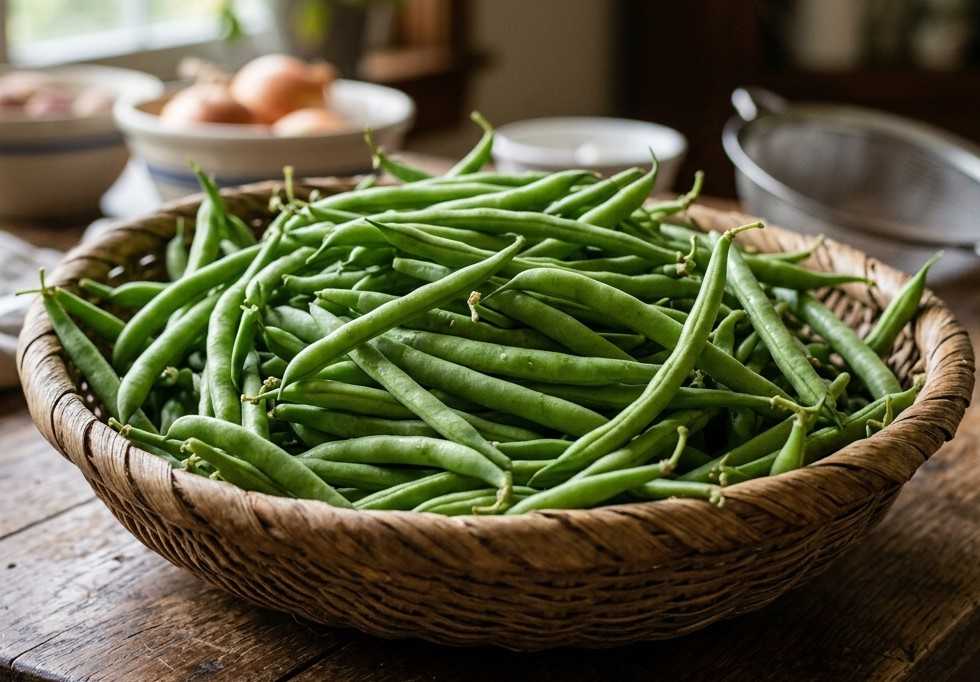
Green beans are one of the most popular vegetables around the world because they are nutritious, versatile, and easy to prepare. Whether steamed, sautéed, roasted, or added to soups and salads, green beans can fit into almost any healthy diet. They are low in calories but rich in vitamins, minerals, antioxidants, and fiber that support overall wellness.
Also known as string beans or snap beans, green beans are harvested while still young and tender. They belong to the legume family but are commonly eaten as vegetables. Their crisp texture and mild flavor make them a favorite side dish for both children and adults.
In this guide, you will learn everything about green beans (also known as string beans, snap beans, French beans, haricots verts, runner beans, and garden beans), including their nutrition facts, science-backed health benefits, side effects, best ways to eat them, storage tips, precautions, and more.
What is Green Beans?
Green beans are immature pods of the common bean plant that are harvested before the seeds inside fully mature. Unlike dried beans, green beans are eaten whole, including the pod and tiny seeds inside.
They are available in several varieties, including:
- String beans
- Snap beans
- French beans
- Haricots verts
- Wax beans
Green beans are usually green in color, though yellow and purple varieties also exist. They are widely used in salads, stir-fries, casseroles, soups, and healthy side dishes.
Green beans are valued for their:
- Low calorie content
- High fiber levels
- Vitamin-rich profile
- Antioxidant compounds
- Easy digestibility
Nutrition Facts of Green Beans
Below is the approximate nutritional value of 100 grams of raw green beans.
| Nutrient | Amount |
|---|---|
| Calories | 31 kcal |
| Carbohydrates | 7 g |
| Protein | 1.8 g |
| Fat | 0.1 g |
| Fiber | 2.7 g |
| Sugar | 3.3 g |
| Vitamin C | 12.2 mg |
| Vitamin A | 35 mcg |
| Vitamin K | 43 mcg |
| Folate | 33 mcg |
| Potassium | 211 mg |
| Calcium | 37 mg |
| Magnesium | 25 mg |
| Iron | 1 mg |
| Phosphorus | 38 mg |
20 Proven Health Benefits of Green Beans
- Supports Digestion: The fiber in snap beans helps improve digestion and promotes regular bowel movements.
- Aids Weight Management: String beans are low in calories and high in fiber, helping you stay full longer.
- Boosts Immunity: Vitamin C in green beans supports immune function and helps fight infections.
- Improves Heart Health: String beans contain antioxidants and fiber that may help reduce heart disease risk.
- Helps Control Blood Sugar: The fiber and low glycemic index may support stable blood sugar levels.
- Supports Bone Strength: Vitamin K and calcium help maintain healthy and strong bones.
- Promotes Healthy Skin: Antioxidants and vitamins in green beans may support glowing skin.
- Protects Eye Health: Vitamin A and carotenoids help maintain good vision and eye function.
- Reduces Oxidative Stress: Antioxidants help protect cells from free radical damage.
- Supports Pregnancy Health: Folate in snap beans contributes to healthy fetal development.
- May Lower Cholesterol: Fiber may help reduce bad cholesterol levels in the body.
- Improves Gut Health: Green beans help nourish beneficial gut bacteria due to their fiber content.
- Supports Brain Function: Vitamins and minerals may help support cognitive performance and nerve health.
- Hydrates the Body: String beans contain a high water content that contributes to hydration.
- May Reduce Inflammation: Plant compounds in snap beans may help lower inflammation levels.
- Supports Healthy Metabolism: B vitamins help the body convert food into energy efficiently.
- Helps Prevent Constipation: Dietary fiber softens stool and supports bowel regularity.
- Supports Healthy Aging: Antioxidants may help slow cellular damage linked to aging.
- May Help Reduce Cancer Risk: Antioxidant compounds may help protect cells from damage associated with chronic diseases.
- Supports Healthy Blood Circulation: Iron and folate help support proper blood cell formation and circulation.
10 Side Effects of Green Beans
- May Cause Gas and Bloating: The fiber and natural carbohydrates may cause digestive discomfort in some people.
- Can Trigger Allergies: Some individuals may experience allergic reactions to legumes, including green beans.
- May Interfere with Blood Thinners: High vitamin K levels may affect medications like warfarin.
- Can Cause Digestive Upset if Overeaten: Eating excessive amounts may lead to stomach cramps or diarrhea.
- Raw Beans May Contain Lectins: Uncooked green beans contain lectins that may upset digestion if consumed in large amounts.
- May Affect Mineral Absorption: Compounds like oxalates and phytates may slightly reduce mineral absorption.
- Could Cause Nausea in Sensitive People: Some individuals may experience mild nausea after eating large servings.
- May Lead to Fiber Overload: Too much fiber can cause bloating and intestinal discomfort.
- Can Spoil Quickly: Improperly stored string beans may develop harmful bacteria or mold.
- May Interact with Certain Diet Plans: Some low-fiber or medical diets may restrict green bean consumption.
How to Eat Green Beans?
Green beans are extremely versatile and can be included in meals in many delicious ways.
Popular ways to eat green beans include:
- Steamed with herbs and spices
- Stir-fried with garlic and olive oil
- Added to soups and stews
- Mixed into salads
- Roasted in the oven
- Added to casseroles
- Served as a healthy side dish
- Included in rice or noodle dishes
- Blended into vegetable mixes
- Pickled for snacks and preservation
Cooking string beans lightly helps preserve nutrients while improving flavor and digestibility.
Tips for Consuming Green Beans
- Wash green beans thoroughly before cooking.
- Trim the ends before use.
- Avoid overcooking to preserve nutrients and texture.
- Pair with healthy fats like olive oil for better nutrient absorption.
- Add herbs and spices instead of excessive salt.
- Eat fresh string beans whenever possible.
- Store properly to maintain freshness.
- Include string beans as part of a balanced diet.
- Steam instead of deep frying for healthier meals.
- Introduce gradually if you are not used to high-fiber foods.
Other Uses of Green Beans
- Used in Salads: String beans add crunch and nutrition to fresh salads.
- Added to Soups: They are commonly used in vegetable soups and broths.
- Included in Stir-Fries: String beans work well in Asian-style stir-fried dishes.
- Used in Casseroles: Green bean casserole is a classic comfort food.
- Made into Pickles: Pickled green beans are popular snacks and condiments.
- Used in Meal Prep: String beans are easy to prepare for healthy weekly meals.
- Included in Diet Plans: Many weight-loss and healthy eating plans include string beans.
- Fed as Livestock Feed: Some agricultural systems use bean plants as animal feed.
- Used in Frozen Vegetable Mixes: Green beans are commonly included in frozen food products.
- Added to Pasta Dishes: String beans can enhance pasta recipes with texture and nutrients.
How Much Green Beans Can You Eat in a Day?
Most healthy adults can safely consume about:
- 1 to 2 cups of cooked green beans daily
This amount provides beneficial nutrients and fiber without excessive digestive discomfort.
However, the ideal amount depends on:
- Age
- Activity level
- Overall diet
- Digestive health
- Medical conditions
Moderation is important, especially for people sensitive to high-fiber foods.
General dietary recommendations include:
- Adults: 1–2 cups daily
- Children: ½–1 cup daily
- Weight-loss diets: Moderate servings with balanced meals
- Athletes: Included as part of nutrient-rich meals
Cooked green beans are usually easier to digest than raw ones.
Best Time to Eat Green Beans
String beans can be eaten at almost any time of the day.
Best times include:
- Lunch: Helps provide fiber and nutrients during the day.
- Dinner: Makes a light and healthy side dish.
- Post-workout Meals: Provides vitamins and minerals with low calories.
- Weight-Loss Meals: Fiber may help increase fullness and reduce overeating.
Avoid eating very large portions late at night if you are sensitive to fiber-related bloating.
Who Should Eat Green Beans?
- People Trying to Lose Weight: Low calories and high fiber make string beans ideal for weight management.
- Individuals with Digestive Issues: Moderate fiber intake may support healthy digestion.
- Athletes and Active Individuals: Green beans provide vitamins and minerals that support recovery.
- Pregnant Women: Folate supports healthy fetal development during pregnancy.
- People Seeking Heart Health: Fiber and antioxidants may benefit cardiovascular wellness.
- Diabetics: Low glycemic properties may help support blood sugar control.
- Older Adults: Nutrients in string beans may support healthy aging and bone health.
- Children: String beans provide important nutrients for growth and development.
- Vegetarians and Vegans: They add fiber and plant nutrients to plant-based diets.
- People Following Healthy Diets: String beans fit well into balanced meal plans.
Who Should Not Eat Green Beans?
- People with Legume Allergies: String beans may trigger allergic reactions in sensitive individuals.
- Individuals Taking Blood Thinners: Vitamin K may interfere with anticoagulant medications.
- People with Severe Digestive Sensitivity: High fiber may worsen bloating or stomach discomfort.
- Those with Kidney Stone Concerns: Oxalates in vegetables may be an issue for some individuals.
- People on Certain Medical Diets: Some therapeutic diets may limit fibrous vegetables.
- Individuals with IBS: Large amounts may trigger digestive symptoms in sensitive people.
- People Sensitive to Lectins: Raw or undercooked beans may irritate digestion.
- Those with Chronic Diarrhea: Excess fiber may worsen symptoms temporarily.
- People Recovering from Digestive Surgery: Doctors may recommend low-fiber foods initially.
- Infants Without Proper Preparation: Whole string beans may be difficult for babies to chew safely.
How to Store Green Beans?
Proper storage helps maintain freshness, texture, and nutritional quality.
Refrigerator Storage
- Store green beans in a perforated plastic bag.
- Keep them in the vegetable drawer.
- Use within 5–7 days for best quality.
Freezing
- Wash and trim the beans first.
- Blanch in boiling water for 2–3 minutes.
- Cool quickly in ice water.
- Freeze in airtight containers or freezer bags.
Avoid Moisture Build-Up
Excess moisture may cause spoilage and mold growth.
Check Regularly
Discard beans that become slimy, discolored, or foul-smelling.
Precautions and Interactions
- Monitor Vitamin K Intake: Consistent intake is important for people taking blood-thinning medications.
- Cook Properly Before Eating: Cooking helps reduce lectins and improves digestibility.
- Avoid Overeating Fiber: Excessive consumption may cause digestive discomfort.
- Wash Thoroughly: Proper washing helps remove dirt and pesticide residues.
- Introduce Slowly in Children: Gradually adding fiber-rich foods helps prevent stomach upset.
- Use Caution with Allergies: Individuals with legume allergies should consult a healthcare professional.
- Store Safely: Improper storage may increase the risk of spoilage.
- Avoid Spoiled Beans: Do not consume beans with unusual odor or slimy texture.
- Pair with Balanced Meals: Combining green beans with proteins and healthy fats supports balanced nutrition.
- Consult a Doctor if Needed: Individuals with medical conditions should seek professional dietary advice.
Conclusion
Green beans are a nutritious, affordable, and versatile vegetable that can easily become part of a healthy lifestyle. Rich in fiber, vitamins, minerals, and antioxidants, they support digestion, heart health, immunity, weight management, and overall wellness.
When consumed in moderation and prepared properly, snap beans offer numerous health benefits with very few risks. Whether steamed, roasted, sautéed, or added to soups and salads, they are a delicious addition to balanced meals.
FAQ’s
Are green beans healthy?
Yes, snap beans are highly nutritious and contain fiber, vitamins, minerals, and antioxidants that support overall health.
Can green beans help with weight loss?
Yes, snap beans are low in calories and high in fiber, which may help keep you full for longer and support weight management.
Is it safe to eat green beans every day?
Yes, most people can safely eat snap beans daily in moderate amounts as part of a balanced diet.
Are raw green beans safe to eat?
Raw snap beans can be eaten in small amounts, but lightly cooking them improves digestion and reduces natural lectins.
Do green beans contain protein?
Yes, snap beans contain a small amount of plant-based protein along with other nutrients.
Are green beans good for diabetics?
Yes, snap beans have a low glycemic index and fiber that may help support stable blood sugar levels.
Can green beans cause gas?
Yes, eating large amounts of snap beans may cause gas or bloating in some individuals because of their fiber content.
Are green beans good for heart health?
Yes, the fiber, antioxidants, and nutrients in string beans may help support cardiovascular health.
How long do fresh green beans last in the fridge?
Fresh string beans usually stay fresh for about 5–7 days when stored properly in the refrigerator.
What is the best way to cook green beans?
Steaming, roasting, sautéing, and stir-frying are among the healthiest and tastiest ways to cook snap beans.
Can pregnant women eat green beans?
Yes, snap beans are generally safe during pregnancy and provide folate and other important nutrients.
Do green beans contain iron?
Yes, snap beans contain small amounts of iron that support healthy blood circulation.
Are canned green beans healthy?
Yes, canned string beans can still provide nutrients, though low-sodium varieties are usually the healthier option.
Can green beans help digestion?
Yes, the fiber in snap beans may support healthy digestion and regular bowel movements.
Are green beans keto-friendly?
String beans are relatively low in carbohydrates and can fit into many low-carb or keto-style diets in moderation.
Do green beans increase cholesterol?
No, snap beans do not raise cholesterol and may actually help support healthy cholesterol levels due to their fiber content.
Can children eat green beans?
Yes, String beans are a healthy vegetable choice for children when cooked properly and served safely.
Are frozen green beans nutritious?
Yes, frozen snap beans retain many nutrients and are a convenient healthy option.
What do green beans taste like?
String beans have a mild, slightly sweet, and fresh vegetable flavor with a crisp texture.
Can green beans be eaten at night?
Yes, snap beans can be eaten at dinner or at night as part of a light and healthy meal.
Also Read: