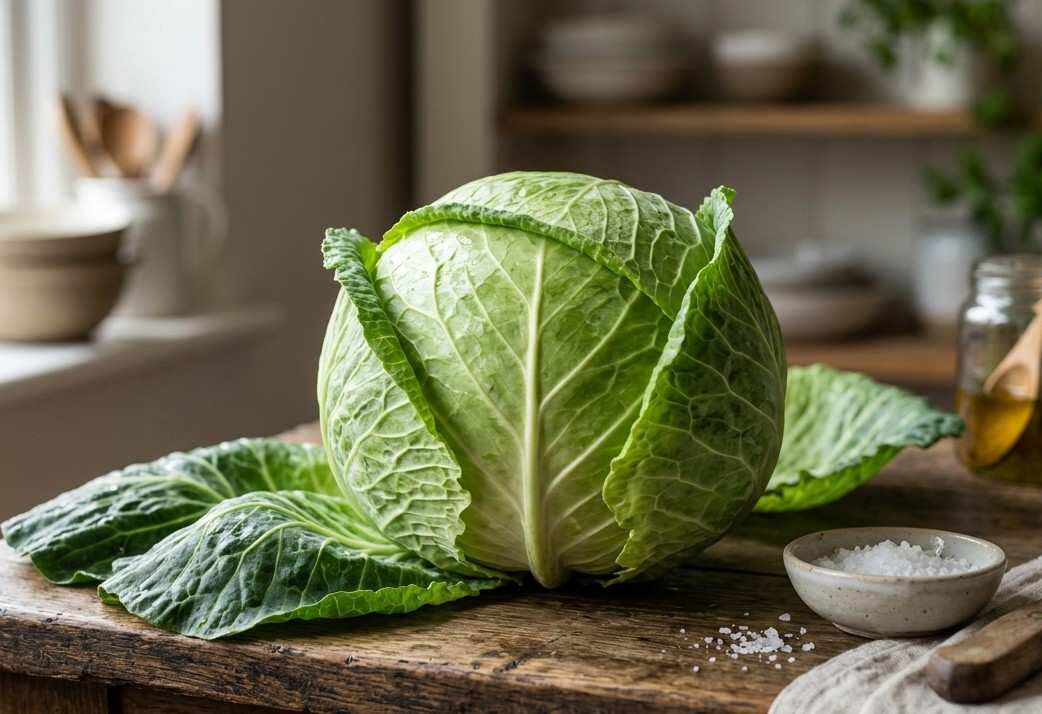
Cabbage is one of the most affordable and nutritious vegetables found around the world. Known for its crunchy texture and mild flavor, cabbage is widely used in salads, soups, stir-fries, fermented dishes, and traditional home remedies.
This versatile vegetable belongs to the cruciferous family, which also includes broccoli, cauliflower, kale, and Brussels sprouts. Cabbage has been cultivated for thousands of years and remains a staple ingredient in many cuisines due to its long shelf life, low calorie content, and wide range of culinary uses.
In this guide, you will learn everything about cabbage, including its nutritional value, science-backed health benefits, side effects, best ways to eat it, storage methods, precautions, and more.
What is Cabbage?
Cabbage is a leafy vegetable belonging to the Brassica family. It grows in dense, round heads made up of tightly packed leaves and comes in several varieties such as green cabbage, red cabbage, Savoy cabbage, and Napa cabbage.
Cabbage is known for its crisp texture and slightly peppery flavor when raw, while cooked cabbage becomes softer and sweeter. It is commonly consumed fresh, steamed, sautéed, boiled, roasted, or fermented into foods like sauerkraut and kimchi.
This vegetable is highly valued for its rich supply of vitamin C, vitamin K, fiber, antioxidants, and plant compounds that support overall health.
Nutrition Facts of Cabbage
Below is the approximate nutritional value of 100 grams of raw green cabbage.
| Nutrient | Amount |
|---|---|
| Calories | 25 kcal |
| Carbohydrates | 5.8 g |
| Protein | 1.3 g |
| Fat | 0.1 g |
| Dietary Fiber | 2.5 g |
| Sugar | 3.2 g |
| Vitamin C | 36.6 mg |
| Vitamin K | 76 mcg |
| Folate | 43 mcg |
| Vitamin B6 | 0.1 mg |
| Calcium | 40 mg |
| Potassium | 170 mg |
| Magnesium | 12 mg |
| Iron | 0.5 mg |
| Phosphorus | 26 mg |
| Water | 92% |
20 Proven Health Benefits of Cabbage
- Supports Digestive Health: The fiber in cabbage helps improve digestion, supports gut bacteria, and promotes regular bowel movements.
- Boosts Immunity: Cabbage is rich in vitamin C, which strengthens the immune system and helps the body fight infections.
- Promotes Heart Health: Antioxidants and fiber in cabbage may help reduce cholesterol levels and support cardiovascular function.
- Helps with Weight Management: It is low in calories and high in fiber, making it filling and beneficial for weight control.
- Improves Skin Health: Vitamin C and antioxidants in cabbage support collagen production and help maintain healthy skin.
- Supports Bone Strength: Vitamin K and calcium in cabbage contribute to stronger bones and improved bone density.
- May Reduce Inflammation: Plant compounds in cabbage may help lower inflammation in the body.
- Supports Detoxification: Sulfur-containing compounds in cabbage assist the liver in removing toxins from the body.
- May Lower Blood Pressure: Potassium in cabbage helps regulate fluid balance and supports healthy blood pressure levels.
- Protects Against Oxidative Stress: Antioxidants in cabbage help neutralize harmful free radicals.
- Supports Eye Health: Red cabbage contains compounds like lutein and zeaxanthin that may support vision.
- May Reduce Cancer Risk: Cruciferous vegetables like cabbage contain glucosinolates linked to cancer-protective properties.
- Improves Gut Health: Fermented cabbage products like sauerkraut provide probiotics that support healthy digestion.
- Supports Brain Function: Antioxidants and vitamin K in cabbage may help support cognitive health.
- Helps Control Blood Sugar: Fiber in cabbage may slow sugar absorption and help stabilize blood glucose levels.
- Promotes Healthy Aging: Antioxidants in cabbage may help reduce cellular damage associated with aging.
- Supports Liver Function: Natural compounds in cabbage may assist liver health and detoxification processes.
- May Help Reduce Ulcers: Cabbage juice has traditionally been used to support stomach lining health.
- Supports Healthy Pregnancy: Folate in cabbage contributes to fetal development during pregnancy.
- Improves Hydration: It contains a high water content that helps maintain hydration.
10 Side Effects of Cabbage
- May Cause Gas and Bloating: The fiber and sulfur compounds in cabbage can lead to digestive discomfort in some people.
- Can Trigger Thyroid Issues: Excessive raw cabbage intake may interfere with thyroid function in sensitive individuals.
- May Cause Stomach Cramps: Eating large amounts of cabbage may irritate the digestive tract.
- Could Lead to Diarrhea: Excess fiber from cabbage may loosen stools when consumed in excess.
- May Interfere with Blood Thinners: Vitamin K in cabbage can affect medications like warfarin.
- Can Cause Allergic Reactions: Some people may experience itching or swelling after consuming cabbage.
- May Increase Acidity: Raw cabbage can worsen acid reflux symptoms in certain individuals.
- Could Cause Digestive Fermentation: Cabbage may ferment in the gut and produce excess gas.
- May Affect Iodine Absorption: Raw cruciferous vegetables can interfere with iodine utilization when eaten excessively.
- Can Cause Bad Breath: Sulfur compounds in cabbage may contribute to unpleasant breath odor.
How to Eat Cabbage?
Cabbage is extremely versatile and can be included in many meals.
Raw Ways to Eat Cabbage
- Add shredded cabbage to salads
- Use in coleslaw
- Add to wraps and sandwiches
- Mix into tacos and burgers
Cooked Ways to Eat Cabbage
- Stir-fry with vegetables
- Add to soups and stews
- Steam as a side dish
- Roast with olive oil and spices
- Add to curries and noodles
Fermented Forms
- Sauerkraut
- Kimchi
- Pickled cabbage
Beverage Option
- Fresh cabbage juice is sometimes consumed as a health tonic.
Tips for Consuming Cabbage
- Wash cabbage thoroughly before use.
- Start with small portions if you are not used to high-fiber foods.
- Cook cabbage lightly to preserve nutrients.
- Pair cabbage with healthy fats for better nutrient absorption.
- Avoid overcooking to maintain texture and vitamins.
- Use fermented cabbage for probiotic benefits.
- Store cut cabbage properly to maintain freshness.
- Combine cabbage with protein-rich foods for balanced meals.
Other Uses of Cabbage
- Natural Skin Compress: Cabbage leaves are traditionally used as cool compresses for swollen skin.
- Homemade Face Masks: Cabbage extracts are sometimes used in DIY skincare remedies.
- Fermented Food Production: Cabbage is widely used to make probiotic-rich foods like kimchi and sauerkraut.
- Animal Feed Ingredient: Farmers sometimes use cabbage leaves as livestock feed.
- Composting Material: Leftover cabbage can be added to compost for nutrient-rich soil.
- Decorative Culinary Garnish: Purple cabbage is often used for food decoration.
- Traditional Home Remedy: Some cultures use cabbage leaves for temporary relief from minor discomfort.
- Juicing Ingredient: Cabbage is commonly blended into vegetable juices.
- Pickling Vegetable: Cabbage is frequently preserved in vinegar-based recipes.
- Soup Thickening Ingredient: Cooked cabbage adds texture and bulk to soups and stews.
How Much Cabbage Can You Eat in a Day?
Moderate cabbage consumption is generally safe for most healthy adults.
- Around 1 to 2 cups of cabbage daily is considered reasonable for most people.
- Fermented cabbage should be consumed in moderation due to sodium content.
- People with digestive sensitivity may tolerate smaller amounts better.
- Excessive cabbage intake may cause bloating or digestive discomfort.
The ideal amount depends on your diet, digestion, and health condition.
Common dietary intake includes:
| Form | Suggested Amount |
|---|---|
| Raw cabbage | 1 cup daily |
| Cooked cabbage | 1–2 cups daily |
| Cabbage juice | 100–200 ml |
| Sauerkraut or kimchi | 2–4 tablespoons |
| Cabbage supplements | Follow product instructions |
Best Time to Eat Cabbage
The best time to eat cabbage depends on how it is prepared and your digestive tolerance.
- Lunch: A good time for salads and cooked cabbage dishes.
- Dinner: Light cooked cabbage can be included in evening meals.
- Morning: Cabbage juice is sometimes consumed on an empty stomach.
- Post-Workout: Cabbage salads may help replenish nutrients.
Avoid very large portions late at night if cabbage causes bloating.
Who Should Eat Cabbage?
- People Trying to Lose Weight: Low calories and high fiber make cabbage ideal for weight management.
- Individuals with Digestive Concerns: Moderate fiber intake from cabbage may support digestion.
- People Seeking Immune Support: Vitamin C in cabbage helps strengthen immunity.
- Athletes and Active Individuals: Nutrients in cabbage may support recovery and hydration.
- Pregnant Women: Folate in cabbage supports healthy fetal development.
- People Looking for Heart-Healthy Foods: Cabbage may help support cardiovascular health.
- Vegetarians and Vegans: Cabbage adds important nutrients to plant-based diets.
- Older Adults: Antioxidants in cabbage may support healthy aging.
- People with Constipation: Fiber in cabbage can promote regular bowel movements.
- Individuals Seeking Low-Calorie Foods: Cabbage is filling without adding many calories.
Who Should Not Eat Cabbage?
- People with Thyroid Disorders: Excess raw cabbage may interfere with thyroid function.
- Individuals Taking Blood Thinners: Vitamin K in cabbage may interact with medication.
- People with IBS or Sensitive Digestion: Cabbage may worsen bloating and gas.
- Those Allergic to Cruciferous Vegetables: Allergic individuals should avoid cabbage.
- People with Severe Acid Reflux: Raw cabbage may aggravate symptoms.
- Individuals Recovering from Digestive Surgery: High-fiber foods like cabbage may irritate digestion.
- People Sensitive to Fermented Foods: Sauerkraut and kimchi may trigger discomfort.
- Those on Low-Fiber Diets: Cabbage may not be suitable during certain medical conditions.
- People with Frequent Gas Problems: Cabbage can increase intestinal gas.
- Individuals with Kidney Concerns: Potassium intake may need monitoring in advanced kidney disease.
How to Store Cabbage?
Proper storage helps cabbage stay fresh longer.
Whole Cabbage
- Store in the refrigerator crisper drawer.
- Keep unwashed until ready to use.
- Whole cabbage can last 1–2 weeks.
Cut Cabbage
- Wrap tightly in plastic wrap or airtight containers.
- Refrigerate immediately after cutting.
- Use within 2–3 days for best quality.
Cooked Cabbage
- Store in airtight containers.
- Refrigerate and consume within 3–4 days.
Fermented Cabbage
- Keep refrigerated after opening.
- Use clean utensils to avoid contamination.
Precautions and Interactions
- Medication Interaction: Vitamin K in cabbage may interfere with blood-thinning medications.
- Thyroid Precaution: Excess raw cabbage may affect thyroid hormone production in susceptible individuals.
- Digestive Sensitivity: Large servings can cause bloating, gas, or cramps.
- Allergy Warning: Rare allergic reactions may occur in sensitive people.
- Fermented Product Caution: High sodium levels in fermented cabbage may not suit people with hypertension.
- Gradual Intake Recommended: Introduce cabbage slowly into the diet to avoid digestive discomfort.
- Food Safety Concern: Improperly fermented cabbage may harbor harmful bacteria.
- Kidney Consideration: Potassium levels should be monitored in individuals with kidney disease.
- Pregnancy Safety: Normal food amounts are generally considered safe during pregnancy.
- Cooking Recommendation: Light cooking may improve digestibility and reduce goitrogen content.
Conclusion
Cabbage is a highly nutritious vegetable packed with vitamins, minerals, antioxidants, and fiber. It supports digestion, immunity, heart health, weight management, and overall wellness while remaining affordable and easy to prepare.
From fresh salads to soups and fermented dishes, cabbage can fit into almost any diet. However, moderation is important, especially for people with digestive sensitivities, thyroid conditions, or those taking blood-thinning medications.
FAQ’s
Is cabbage good for weight loss?
Yes, It is low in calories and high in fiber, which can help you feel full longer and support weight management.
Can cabbage be eaten raw?
Yes, It can be eaten raw in salads, coleslaw, wraps, and sandwiches.
Is cabbage good for digestion?
It contains dietary fiber that may support healthy digestion and regular bowel movements.
Can cabbage cause gas?
Yes, cabbage may cause gas and bloating in some people because of its fiber and sulfur compounds.
Which type of cabbage is healthiest?
Green, red, and purple cabbage are all nutritious, but red cabbage contains higher levels of antioxidants.
Is cabbage good for the skin?
Vitamin C and antioxidants in cabbage may help support healthy and glowing skin.
Can diabetics eat cabbage?
Yes, It is low in calories and carbohydrates and may help support healthy blood sugar levels when eaten in moderation.
Is cabbage good for the heart?
It contains fiber and antioxidants that may support heart health and healthy cholesterol levels.
Can cabbage help with constipation?
Yes, the fiber content in cabbage may help improve bowel regularity and relieve constipation.
Is cooked cabbage healthier than raw cabbage?
Both forms are healthy, but cooked cabbage may be easier to digest while raw cabbage retains more vitamin C.
Can cabbage be eaten every day?
Yes, moderate daily consumption of cabbage is generally safe for most healthy individuals.
Does cabbage help detox the body?
It contains sulfur compounds and antioxidants that may support the body’s natural detoxification processes.
Is cabbage safe during pregnancy?
Yes, It is generally safe during pregnancy and provides folate and other nutrients beneficial for fetal development.
Can cabbage affect thyroid function?
Excessive intake of raw cabbage may interfere with thyroid function in sensitive individuals.
Is cabbage high in protein?
No, It contains a small amount of protein but is not considered a high-protein food.
Can cabbage help lower cholesterol?
The fiber and plant compounds in cabbage may help support healthy cholesterol levels.
Is cabbage keto-friendly?
Yes, It is low in carbohydrates and is commonly included in ketogenic diets.
Does cabbage contain antioxidants?
Yes, It contains antioxidants such as vitamin C, anthocyanins, and polyphenols that help fight oxidative stress.
Is Cabbage safe for children?
Yes, cabbage is generally safe for children when cooked properly and served in age-appropriate portions.
What is Cabbage good for?
It is good for digestion, immunity, heart health, weight management, and overall nutrition.
What does Cabbage taste like?
Raw cabbage has a crunchy and slightly peppery flavor, while cooked cabbage tastes milder and slightly sweet.
Does boiled cabbage have sugar?
Yes, boiled cabbage contains small natural sugars, but the amount is relatively low.
What is the healthiest way to eat cabbage?
Lightly steamed, sautéed, or raw cabbage in salads are considered some of the healthiest ways to eat it because they help preserve nutrients.
What is Cabbage also known as?
Cabbage is known by different names around the world, including “Patta Gobhi” in Hindi, “Band Gobi” in Bengali, “Muttakose” in Tamil, “Kosu” in Kannada, “Kobi” in Marathi, “Chou” in French, and “Kohl” in German.
Also Read: