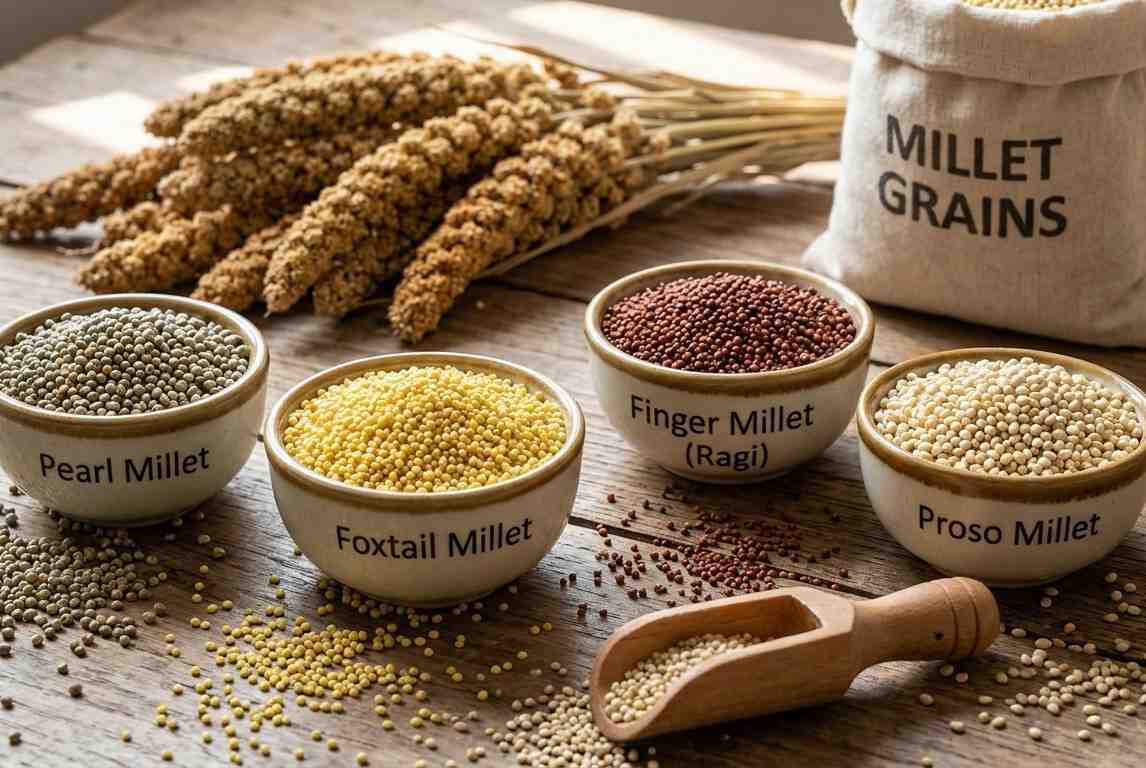
Millet is one of the oldest cultivated grains in the world and has been a staple food in Asia and Africa for thousands of years. In recent years, millet has gained worldwide attention due to its impressive nutritional profile, gluten-free nature, and numerous health benefits. This ancient grain is highly versatile and can be used in a variety of dishes, from breakfast porridges to breads and salads.
Whether you are looking to improve digestion, manage weight, support heart health, or diversify your diet with nutrient-rich foods, millet can be an excellent addition to your meals. This guide explores everything you need to know about millet, including its nutrition, science-backed health benefits, side effects, uses, and best ways to consume it.
What is Millet?
Millet is a group of small-seeded cereal grains that belong to the grass family (Poaceae). It is widely grown in regions with dry climates because it requires less water than many other crops. Common varieties of millet include pearl millet, foxtail millet, finger millet, proso millet, and barnyard millet.
Millet has a mild, slightly nutty flavor and can be cooked similarly to rice or quinoa. It is naturally gluten-free and rich in essential nutrients such as fiber, protein, vitamins, minerals, and antioxidants.
Nutrition Facts of Millet
The following nutritional values are approximately based on 100 grams of cooked millet.
| Nutrient | Amount |
|---|---|
| Calories | 119 kcal |
| Carbohydrates | 23.7 g |
| Protein | 3.5 g |
| Fat | 1.0 g |
| Dietary Fiber | 1.3 g |
| Sugar | 0.1 g |
| Calcium | 3 mg |
| Iron | 0.6 mg |
| Magnesium | 44 mg |
| Phosphorus | 100 mg |
| Potassium | 62 mg |
| Zinc | 0.9 mg |
| Folate | 19 mcg |
| Vitamin B6 | 0.1 mg |
| Sodium | 2 mg |
Types of Millets
Millets are broadly classified into major millets and minor millets. Each type has its own nutritional profile, taste, and culinary uses.
- Pearl Millet (Bajra): Pearl millet is one of the most widely grown millets and is rich in fiber, protein, iron, and magnesium.
- Finger Millet (Ragi): Finger millet is known for its exceptionally high calcium content and is commonly used in porridges, breads, and baked goods.
- Foxtail Millet: Foxtail millet is a nutrient-dense grain that provides protein, dietary fiber, and essential minerals.
- Proso Millet: Proso millet is a mild-flavored millet that is rich in carbohydrates and often used in cereals and side dishes.
- Barnyard Millet: Barnyard millet is a low-calorie, high-fiber grain that is popular among health-conscious consumers.
- Kodo Millet: Kodo millet is packed with antioxidants and dietary fiber, making it a nutritious whole-grain choice.
- Little Millet: Little millet is a small-seeded grain rich in iron, fiber, and B vitamins.
- Browntop Millet: Browntop millet is valued for its high fiber content and ability to grow in challenging environmental conditions.
- Sorghum (Jowar): Sorghum is a gluten-free grain often grouped with millets and is rich in antioxidants and plant compounds.
- Fonio Millet: Fonio is an ancient African millet that cooks quickly and provides important amino acids and minerals.
- Teff: Teff is a tiny grain native to Africa that is rich in protein, iron, and dietary fiber.
- Guinea Millet: Guinea millet is traditionally cultivated in parts of Africa and serves as an important staple food crop.
- Japanese Millet: Japanese millet is commonly used as food and animal feed and adapts well to various growing conditions.
- Indian Barnyard Millet: Indian barnyard millet is a nutrient-rich variety frequently used in traditional Indian recipes and fasting foods.
- White Proso Millet: White proso millet is a light-colored variety often used in porridges, cereals, and grain-based dishes.
20 Proven Health Benefits of Millet
- Supports Digestive Health: The fiber in millet promotes healthy digestion and helps prevent constipation.
- Aids Weight Management: It increases feelings of fullness and may help reduce overall calorie intake.
- Naturally Gluten-Free: It is a safe grain option for individuals with celiac disease or gluten sensitivity.
- Promotes Heart Health: Its fiber and magnesium content may support healthy cardiovascular function.
- Helps Control Blood Sugar: Millet has a relatively low glycemic index that may assist with blood sugar management.
- Rich in Antioxidants: It contains plant compounds that help combat oxidative stress.
- Supports Healthy Cholesterol Levels: Dietary fiber may contribute to lowering LDL cholesterol levels.
- Provides Sustainable Energy: Complex carbohydrates offer a steady release of energy throughout the day.
- Strengthens Bones: Minerals like phosphorus and magnesium support bone health and strength.
- Supports Muscle Function: The protein and magnesium in millet aid proper muscle performance.
- May Reduce Inflammation: Certain antioxidants found in millet may help lower inflammation markers.
- Supports Healthy Blood Pressure: Magnesium may help relax blood vessels and support normal blood pressure.
- Enhances Metabolism: B vitamins in millet assist in energy production and nutrient metabolism.
- Promotes Gut Health: Fiber nourishes beneficial gut bacteria and supports microbiome balance.
- Supports Immune Function: Essential nutrients contribute to a healthy immune response.
- May Lower Risk of Chronic Diseases: Antioxidants help protect cells from damage associated with chronic illnesses.
- Supports Healthy Skin: Nutrients and antioxidants may contribute to skin health and repair.
- Improves Satiety: Millet helps keep hunger under control between meals.
- Supports Healthy Aging: Antioxidant compounds may help reduce age-related cellular damage.
- Contributes to Overall Nutritional Balance: Millet provides a variety of important nutrients needed for daily wellness.
10 Side Effects of Millet
- Digestive Discomfort: Excessive consumption may cause bloating or gas in some individuals.
- Potential Thyroid Interference: Large amounts of certain millet varieties may affect thyroid function when consumed excessively.
- Allergic Reactions: Although rare, some people may experience allergies to millet.
- Mineral Absorption Reduction: Naturally occurring phytates may reduce absorption of certain minerals.
- Stomach Upset: Sudden high intake may lead to digestive discomfort.
- Nutrient Imbalance: Relying heavily on millet alone may limit dietary variety.
- Possible Gas Formation: Fiber-rich foods like millet can increase gas production in sensitive individuals.
- Overconsumption of Calories: Large portions may contribute to excessive calorie intake.
- May Affect Certain Medical Conditions: Individuals with thyroid disorders should consult healthcare professionals.
- Digestive Sensitivity: People with sensitive digestive systems may need to introduce millet gradually.
How to Eat Millet?
Millet is incredibly versatile and can be incorporated into daily meals in many ways:
- Cook it as a substitute for rice.
- Prepare warm breakfast porridge.
- Add it to soups and stews.
- Mix into salads.
- Use millet flour for baking.
- Make millet pancakes or flatbreads.
- Include it in grain bowls.
- Prepare millet-based desserts.
- Add cooked millet to veggie burgers.
- Use it as a stuffing ingredient.
Tips for Consuming Millet
- Start with small servings if you are new to millet.
- Rinse millet thoroughly before cooking.
- Soak millet for several hours to improve digestibility.
- Pair millet with vegetables and protein sources.
- Rotate different whole grains in your diet.
- Drink sufficient water when increasing fiber intake.
- Choose minimally processed millet products.
- Store millet properly to maintain freshness.
- Experiment with different millet varieties.
- Cook with herbs and spices to enhance flavor.
How to Cook Millet?
Cooking millet is simple and similar to preparing rice.
Ingredients:
- 1 cup millet
- 2 to 2½ cups water
- Pinch of salt (optional)
Instructions:
- Rinse the millet thoroughly under running water.
- Optionally toast the millet in a dry pan for a few minutes to enhance flavor.
- Add millet and water to a pot.
- Bring the mixture to a boil.
- Reduce heat and cover the pot.
- Simmer for approximately 15–20 minutes.
- Allow it to rest for 5–10 minutes after cooking.
- Fluff with a fork and serve.
Other Uses of Millet
- Animal Feed: It is commonly used as nutritious livestock feed.
- Bird Food: Many birdseed mixes contain millet due to its popularity among birds.
- Gluten-Free Baking: Millet flour is used in breads, muffins, and baked goods.
- Breakfast Cereals: It is frequently included in healthy breakfast cereals.
- Fermented Foods: Some cultures use millet to prepare fermented beverages and foods.
- Traditional Dishes: It remains a staple ingredient in numerous traditional recipes.
- Snack Production: It is used in puffed snacks and healthy snack bars.
- Baby Foods: It is often incorporated into infant and toddler food products.
- Plant-Based Recipes: It serves as a base ingredient in vegetarian and vegan dishes.
- Agricultural Sustainability: It cultivation supports farming in drought-prone regions.
How Much Millet Can You Eat in a Day?
For most healthy adults, consuming about 1 to 2 servings of cooked millet per day is generally considered reasonable as part of a balanced diet. One serving is approximately ½ to 1 cup of cooked millet.
Individual needs may vary depending on age, activity level, overall diet, and health conditions.
- Beginners: ½ cup cooked millet daily.
- General wellness: 1 cup cooked millet daily.
- Active individuals: Up to 2 cups cooked millet daily as part of a balanced diet.
- Consult a healthcare professional for personalized dietary recommendations.
Best Time to Eat Millet
Millet can be consumed at any time of the day.
- Breakfast: Provides sustained energy throughout the morning.
- Lunch: Helps maintain fullness and steady energy levels.
- Dinner: A light and nutritious alternative to refined grains.
- Pre-workout meal: Supplies complex carbohydrates for energy.
- Post-workout meal: Can assist in replenishing energy stores.
Who Should Eat Millet?
- People Seeking Weight Management: It may help increase satiety and reduce overeating.
- Individuals with Gluten Sensitivity: Its naturally gluten-free nature makes it suitable for gluten-free diets.
- Athletes and Active Individuals: It provides carbohydrates and nutrients for energy support.
- People Looking for Heart-Healthy Foods: Fiber and minerals support cardiovascular wellness.
- Individuals Managing Blood Sugar: It may assist with balanced glucose control.
- Vegetarians and Vegans: It contributes plant-based nutrients and protein.
- Older Adults: Nutrient-rich millet can support healthy aging.
- Digestive Health Seekers: Fiber content supports regular digestion.
- Health-Conscious Individuals: It fits well into balanced dietary patterns.
- Families Seeking Whole Grains: It offers nutritional variety for all age groups.
Who Should Not Eat Millet?
- People with Millet Allergies: Anyone allergic to millet should avoid consuming it.
- Individuals with Certain Thyroid Disorders: Excessive millet intake may not be suitable for some thyroid conditions.
- People on Restricted Diets: Those following specialized medical diets should seek professional guidance.
- Individuals with Severe Digestive Sensitivity: Some may experience discomfort when consuming high-fiber foods.
- People with Specific Nutrient Deficiencies: Excessive reliance on millet may affect mineral absorption.
- Individuals Advised by Their Doctor to Avoid It: Medical advice should always take priority.
- Those Experiencing Persistent Digestive Issues: Professional evaluation may be necessary.
- People with Grain Intolerances: Certain individuals may not tolerate millet well.
- Individuals Consuming Extremely High Amounts: Excessive intake may increase the risk of side effects.
- Anyone Experiencing Adverse Reactions: Discontinue use and consult a healthcare professional.
How to Store Millet?
- Use Airtight Containers: Store millet in sealed containers to maintain freshness.
- Keep in a Cool Place: Store away from heat and direct sunlight.
- Avoid Moisture Exposure: Moisture can promote spoilage and mold growth.
- Refrigerate for Extended Storage: Refrigeration can prolong shelf life.
- Freeze for Long-Term Preservation: Freezing helps maintain quality for months.
- Label Storage Dates: Tracking dates helps ensure freshness.
- Protect from Pests: Properly sealed containers reduce contamination risks.
- Store Cooked Millet Separately: Keep cooked millet refrigerated in airtight containers.
- Use Clean Utensils: Prevent contamination during handling.
- Check for Off Odors: Discard millet showing signs of spoilage.
Precautions and Interactions
- Thyroid Considerations: Individuals with thyroid disorders should monitor millet intake.
- Medication Consultation: Discuss dietary changes with a healthcare professional if taking medications.
- Moderation is Important: Excessive consumption may increase the likelihood of side effects.
- Introduce Gradually: Gradual introduction helps minimize digestive discomfort.
- Maintain Dietary Variety: It should be part of a diverse and balanced diet.
- Watch for Allergic Symptoms: Stop consumption if allergic reactions occur.
- Stay Hydrated: Adequate water intake supports fiber digestion.
- Consider Mineral Balance: Pair millet with nutrient-rich foods for balanced nutrition.
- Monitor Individual Tolerance: Personal responses to millet can vary.
- Seek Professional Advice: Individuals with medical conditions should consult healthcare providers before major dietary changes.
Conclusion
Millet is a nutrient-dense ancient grain that offers numerous health benefits, from supporting digestion and heart health to helping with weight management and blood sugar control. Its gluten-free nature makes it an excellent choice for many dietary patterns, while its versatility allows it to be used in a wide variety of dishes.
Although millet is generally safe and nutritious, moderation and dietary balance remain important. By incorporating millet into a varied and healthy eating plan, you can enjoy its unique flavor, nutritional value, and potential health benefits for years to come.
FAQ’s
Is millet healthier than rice?
It generally contains more fiber, protein, and nutrients than white rice, making it a nutritious alternative for many people.
Can millet help with weight loss?
Yes, It may support weight management by promoting fullness and reducing hunger between meals.
Is millet good for people with diabetes?
It has a relatively low glycemic index compared to many refined grains and may help support healthy blood sugar levels when eaten as part of a balanced diet.
Is millet gluten-free?
Yes, It is naturally gluten-free and is suitable for people with celiac disease or gluten sensitivity.
Can I eat millet every day?
Yes, most healthy adults can enjoy millet daily in moderate amounts as part of a balanced and varied diet.
Which millet is the healthiest?
Different varieties offer unique benefits, but finger millet (ragi), pearl millet (bajra), and foxtail millet are among the most nutrient-rich options.
Does millet contain protein?
Yes, It contains plant-based protein that can contribute to daily protein intake.
Can millet improve digestion?
Yes, the fiber in millet may support healthy digestion and help promote regular bowel movements.
Is millet good for heart health?
It contains fiber, magnesium, and antioxidants that may support cardiovascular health.
Can millet be eaten at night?
Yes, It can be consumed at dinner as a light and nutritious alternative to refined grains.
How long does cooked millet last?
Cooked millet can typically be stored in the refrigerator for up to 4–5 days in an airtight container.
Do I need to soak millet before cooking?
Soaking is optional but may improve digestibility and reduce cooking time.
Can children eat millet?
Yes, It can be a nutritious addition to a child’s diet when prepared appropriately for their age.
Is millet suitable for vegetarians and vegans?
Yes, It is a plant-based food and fits well into vegetarian and vegan diets.
What does millet taste like?
It has a mild, slightly sweet, and nutty flavor that pairs well with both savory and sweet dishes.
Can millet replace wheat flour?
Yes, millet flour can replace part or all of wheat flour in many recipes, especially gluten-free baking.
Is millet good for cholesterol?
The fiber in millet may help support healthy cholesterol levels when included in a balanced diet.
Which is better: millet or oats?
Both are nutritious whole grains. Millet is gluten-free and rich in minerals, while oats are particularly high in soluble fiber. The better choice depends on individual dietary needs and preferences.
Is Millet safe for pregnant women?
Yes, It is generally safe for pregnant women when consumed as part of a balanced diet. It provides important nutrients such as iron, magnesium, and fiber that support maternal health.
What is Millet good for?
It is good for supporting digestion, heart health, weight management, blood sugar control, and overall nutrition due to its fiber, protein, vitamins, and minerals.
Which is better, ragi or millet?
Ragi (finger millet) is a type of millet and is particularly rich in calcium, while other millet varieties may offer different nutritional benefits. The better choice depends on your dietary needs and health goals.
Which is better, quinoa or millet?
Both are nutritious whole grains. Quinoa contains more protein and all nine essential amino acids, while millet is often more affordable, gluten-free, and rich in certain minerals. Either can be a healthy addition to a balanced diet.
Also Read: