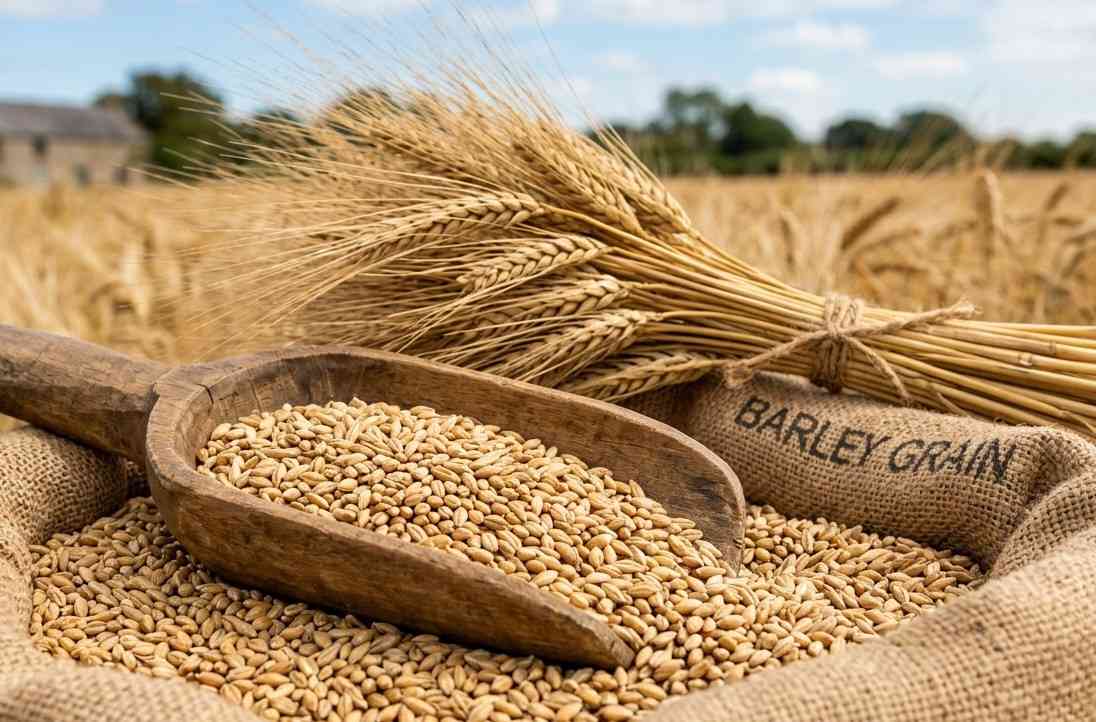
Barley (Jau) is one of the oldest cultivated grains in the world and has been a staple food for thousands of years. Known for its chewy texture and mild nutty flavor, barley is highly nutritious and versatile. It is commonly used in soups, stews, breads, cereals, and beverages. Rich in fiber, vitamins, minerals, and antioxidants, barley offers numerous health benefits that support overall wellness.
Whether you want to improve digestion, support heart health, manage weight, or enhance your daily nutrition, barley can be an excellent addition to your diet.
What is Barley?
Barley (Hordeum vulgare) is a cereal grain belonging to the grass family. It is grown worldwide and is one of the earliest domesticated crops. Barley is available in several forms, including hulled barley, pearl barley, barley flakes, barley flour, and barley grits.
Hulled barley is the least processed form and retains most of its nutrients, while pearl barley has the outer bran layer removed, making it softer and quicker to cook. Barley is particularly valued for its high content of beta-glucan, a soluble fiber known for supporting heart health and blood sugar control.
Nutrition Facts of Barley
| Nutrient | Amount (Per 100 grams of cooked barley) |
|---|---|
| Calories | 123 kcal |
| Carbohydrates | 28.2 g |
| Protein | 2.3 g |
| Fat | 0.4 g |
| Dietary Fiber | 3.8 g |
| Sugar | 0.3 g |
| Calcium | 11 mg |
| Iron | 1.3 mg |
| Magnesium | 22 mg |
| Phosphorus | 54 mg |
| Potassium | 93 mg |
| Zinc | 0.8 mg |
| Selenium | 8.6 mcg |
| Folate | 16 mcg |
| Vitamin B1 (Thiamine) | 0.1 mg |
| Vitamin B3 (Niacin) | 2.1 mg |
Values may vary depending on the variety and cooking method.
20 Proven Health Benefits of Barley
- Supports Digestive Health: The high fiber content in barley promotes regular bowel movements and supports a healthy digestive system.
- Improves Heart Health: Beta-glucan fiber helps reduce LDL (bad) cholesterol levels and supports cardiovascular health.
- Helps Control Blood Sugar: Barley slows carbohydrate absorption, helping stabilize blood sugar levels.
- Promotes Weight Loss: Its fiber content increases fullness and reduces hunger cravings.
- Enhances Gut Microbiome: It acts as a prebiotic, feeding beneficial gut bacteria.
- Lowers Cholesterol Levels: Regular consumption may help reduce total and LDL cholesterol.
- Supports Healthy Blood Pressure: Potassium and magnesium contribute to maintaining normal blood pressure.
- Provides Long-Lasting Energy: Complex carbohydrates offer a steady release of energy throughout the day.
- Strengthens Bones: Minerals such as phosphorus and magnesium help maintain bone strength.
- Boosts Immune Function: Vitamins, minerals, and antioxidants support immune system performance.
- Promotes Healthy Skin: Antioxidants help protect skin cells from oxidative stress.
- Supports Kidney Health: Adequate fiber and hydration from barley-based foods may benefit kidney function.
- Helps Prevent Constipation: Insoluble fiber adds bulk to stool and improves bowel regularity.
- May Reduce Inflammation: Plant compounds in barley may help lower inflammation markers.
- Supports Healthy Metabolism: B vitamins assist the body in converting food into energy.
- May Reduce Risk of Type 2 Diabetes: Improved blood sugar regulation can help lower diabetes risk.
- Aids Detoxification: Fiber helps eliminate waste products from the digestive tract.
- Supports Healthy Pregnancy: Folate and essential nutrients contribute to maternal nutrition.
- Improves Satiety: Barley keeps you feeling full for longer periods between meals.
- May Reduce Risk of Certain Diseases: Antioxidants and fiber may contribute to long-term disease prevention.
10 Side Effects of Barley
- Gluten Sensitivity Issues: It contains gluten and may trigger symptoms in sensitive individuals.
- Celiac Disease Complications: People with celiac disease should avoid barley completely.
- Digestive Discomfort: Excessive consumption may cause bloating or gas.
- Abdominal Cramps: High fiber intake can sometimes lead to stomach discomfort.
- Diarrhea Risk: Large amounts may cause loose stools in some individuals.
- Blood Sugar Changes: It may affect blood sugar levels, especially when combined with diabetes medications.
- Allergic Reactions: Rare allergies to barley can cause itching, swelling, or breathing difficulties.
- Nutrient Absorption Concerns: Excess fiber may interfere with the absorption of certain minerals.
- Potential Medication Interactions: Fiber-rich foods may alter the absorption of some medications.
- Overconsumption Problems: Eating too much barley may lead to digestive distress and excessive calorie intake.
How to Eat Barley?
Barley is highly versatile and can be incorporated into meals in many ways:
- Add cooked barley to soups and stews.
- Use barley as a substitute for rice.
- Prepare barley porridge for breakfast.
- Mix barley into salads.
- Add barley flour to baked goods.
- Include barley in grain bowls.
- Use barley flakes in cereals.
- Blend barley into smoothies.
- Prepare barley-based risottos.
- Use roasted barley in beverages and teas.
Tips for Consuming Barley
- Start with small portions if you are new to high-fiber foods.
- Drink plenty of water when increasing barley intake.
- Choose hulled barley for maximum nutrition.
- Combine barley with vegetables and lean proteins.
- Soak barley before cooking to reduce cooking time.
- Store barley properly to maintain freshness.
- Consume barley as part of a balanced diet.
- Monitor portion sizes if managing blood sugar.
- Introduce barley gradually to prevent digestive discomfort.
- Consult a healthcare professional if you have gluten-related disorders.
How to Cook Barley?
Ingredients:
- 1 cup barley
- 3 cups water or broth
- Pinch of salt (optional)
Instructions:
- Rinse the barley thoroughly under running water.
- Place barley and water in a saucepan.
- Bring the mixture to a boil.
- Reduce heat to low and cover.
- Simmer for 25–45 minutes depending on the variety.
- Check for tenderness.
- Drain excess water if necessary.
- Fluff with a fork.
- Serve warm or allow to cool for salads.
Other Uses of Barley
- Animal Feed: It is widely used as nutritious livestock feed.
- Brewing Industry: It serves as a key ingredient in beer and malt production.
- Barley Water: It is commonly used to prepare refreshing beverages.
- Breakfast Cereals: Processed barley is used in many breakfast products.
- Baking Ingredient: Barley flour can be incorporated into breads and baked goods.
- Health Supplements: Jau grass is often included in nutritional supplements.
- Traditional Medicine: Various cultures have used barley in traditional wellness practices.
- Cosmetic Products: Barley extracts may be included in skincare formulations.
- Fermented Foods: It is used in certain fermented food products.
- Natural Thickener: It can help thicken soups and stews naturally.
How Much Barley Can You Eat in a Day?
Most healthy adults can safely consume about ½ to 1 cup of cooked barley daily as part of a balanced diet.
Individuals with higher fiber needs may consume slightly more, provided they tolerate it well and maintain adequate fluid intake.
The appropriate amount depends on age, activity level, and dietary needs. General Recommendations:
| Group | Suggested Daily Amount |
|---|---|
| Adults | ½–1 cup cooked barley |
| Athletes | 1–2 cups cooked barley |
| Children | ¼–½ cup cooked barley |
| Seniors | ½–1 cup cooked barley |
Always increase intake gradually to avoid digestive discomfort.
Best Time to Eat Barley
Breakfast
Barley porridge provides sustained energy and helps keep you full throughout the morning.
Lunch
Barley salads and grain bowls make nutritious midday meals.
Dinner
Jau can be included in soups, stews, or side dishes for a satisfying evening meal.
Before Exercise
Its complex carbohydrates provide a steady energy source.
After Exercise
Jau helps replenish glycogen stores when combined with protein-rich foods.
Who Should Eat Barley?
- People Seeking Weight Loss: Barley’s fiber helps increase fullness and reduce calorie intake.
- Individuals with Digestive Concerns: Its fiber supports regular bowel movements and gut health.
- Heart Health Conscious Individuals: Beta-glucan fiber may help lower cholesterol levels.
- People Managing Blood Sugar: It can assist with blood glucose control.
- Athletes: Complex carbohydrates provide long-lasting energy.
- Older Adults: Nutrients in barley support healthy aging.
- Vegetarians and Vegans: It contributes valuable nutrients and plant-based energy.
- Busy Professionals: It offers sustained energy for active lifestyles.
- Pregnant Women: It provides important nutrients when consumed as part of a balanced diet.
- People Seeking Better Nutrition: Jau adds fiber, vitamins, and minerals to meals.
Who Should Not Eat Barley?
- People with Celiac Disease: The gluten content makes barley unsuitable.
- Individuals with Barley Allergy: Allergic reactions may occur.
- Those with Severe Gluten Sensitivity: Symptoms may worsen after consumption.
- People with Certain Digestive Disorders: High fiber may aggravate symptoms during flare-ups.
- Individuals Preparing for Specific Medical Procedures: Doctors may recommend temporary dietary restrictions.
- People on Certain Medications: It may affect medication absorption if consumed simultaneously.
- Infants Without Medical Guidance: Introduction should follow pediatric recommendations.
- People with Chronic Digestive Issues: Professional guidance may be necessary.
- Individuals Experiencing Persistent Bloating: High-fiber foods may worsen symptoms.
- Those Advised to Follow Low-Fiber Diets: It may not be appropriate during certain medical conditions.
How to Store Barley?
- Store in Airtight Containers: This helps maintain freshness and prevent moisture exposure.
- Keep in a Cool Place: A cool environment extends shelf life.
- Avoid Direct Sunlight: Sunlight can degrade quality over time.
- Use Dry Storage Areas: Moisture encourages spoilage.
- Refrigerate in Humid Climates: Refrigeration may help preserve freshness.
- Freeze for Long-Term Storage: Freezing can significantly extend shelf life.
- Label Storage Dates: This helps track freshness.
- Keep Away from Strong Odors: It can absorb surrounding smells.
- Inspect Regularly: Check for signs of pests or spoilage.
- Store Cooked Barley Properly: Refrigerate cooked Jau within two hours of preparation.
Precautions and Interactions
- Gluten Content: It should be avoided by people with celiac disease and gluten intolerance.
- Fiber Adjustment: Increase intake gradually to prevent digestive discomfort.
- Hydration Importance: Drink sufficient water when consuming high-fiber foods.
- Diabetes Medication Monitoring: Barley may enhance blood sugar-lowering effects.
- Digestive Sensitivity: People with gastrointestinal conditions should consume cautiously.
- Allergy Awareness: Stop use immediately if allergic symptoms occur.
- Medication Timing: Take medications separately from high-fiber meals when advised by a healthcare provider.
- Pregnancy Considerations: Consume as part of a balanced diet and seek medical advice when necessary.
- Children’s Portions: Offer age-appropriate serving sizes.
- Balanced Consumption: Avoid excessive intake and maintain dietary variety.
Conclusion
Barley is a nutrient-rich whole grain that offers numerous health benefits, including improved digestion, heart health support, blood sugar regulation, and weight management. Its high fiber content, essential minerals, and antioxidants make it a valuable addition to a balanced diet. While Jau is generally safe for most people, individuals with gluten-related disorders or specific medical conditions should exercise caution. When consumed appropriately, barley can be a delicious and highly nutritious part of everyday meals.
FAQ’s
What is barley good for?
It is good for digestion, heart health, blood sugar control, weight management, and overall nutrition due to its high fiber and nutrient content.
Is barley healthier than rice?
Jau generally contains more fiber and nutrients than white rice, making it a healthier option for many people.
Does barley contain gluten?
Yes, Jau naturally contains gluten and is not suitable for people with celiac disease or gluten intolerance.
Can barley help with weight loss?
Yes, the fiber in barley promotes fullness and may help reduce overall calorie intake.
Is barley good for diabetes?
Jau may help regulate blood sugar levels because its fiber slows the absorption of carbohydrates.
Can I eat barley every day?
Yes, most healthy adults can enjoy Jau daily as part of a balanced diet.
What does barley taste like?
Jau has a mild, slightly nutty flavor and a pleasantly chewy texture.
Is barley a whole grain?
Hulled barley is considered a whole grain because it retains its bran and germ layers.
Is barley good for cholesterol?
Yes, Jau contains beta-glucan fiber, which may help lower LDL (bad) cholesterol levels.
Can barley cause bloating?
Yes, eating large amounts of Jau, especially if you’re not used to high-fiber foods, may cause bloating or gas.
What is barley called in India?
Barley is commonly known as “Jau” in India.
Can pregnant women eat barley?
Yes, Jau can be consumed during pregnancy as part of a balanced diet unless otherwise advised by a healthcare provider.
Is barley better than oats?
Both are nutritious grains, but Jau often contains slightly more fiber, while oats are also rich in beneficial beta-glucans.
Can barley be eaten for breakfast?
Yes, Jau porridge or cooked barley can be a healthy and filling breakfast option.
How long does cooked barley last?
Cooked Jau can typically be stored in the refrigerator for 3–5 days in an airtight container.
Is barley good for constipation?
Yes, the fiber in Jau can help promote regular bowel movements and relieve constipation.
Can barley be used instead of rice?
Yes, cooked Jau is a popular substitute for rice in many dishes, including soups, salads, and grain bowls.
Is Barley Safe for Children?
Yes, Jau is generally safe for children and provides fiber and essential nutrients. Avoid it if the child has celiac disease or gluten sensitivity.
Is Barley Good for a Kidney Patient?
Jau may support overall health, but kidney patients should consult their doctor before consuming it regularly.
Also Read: