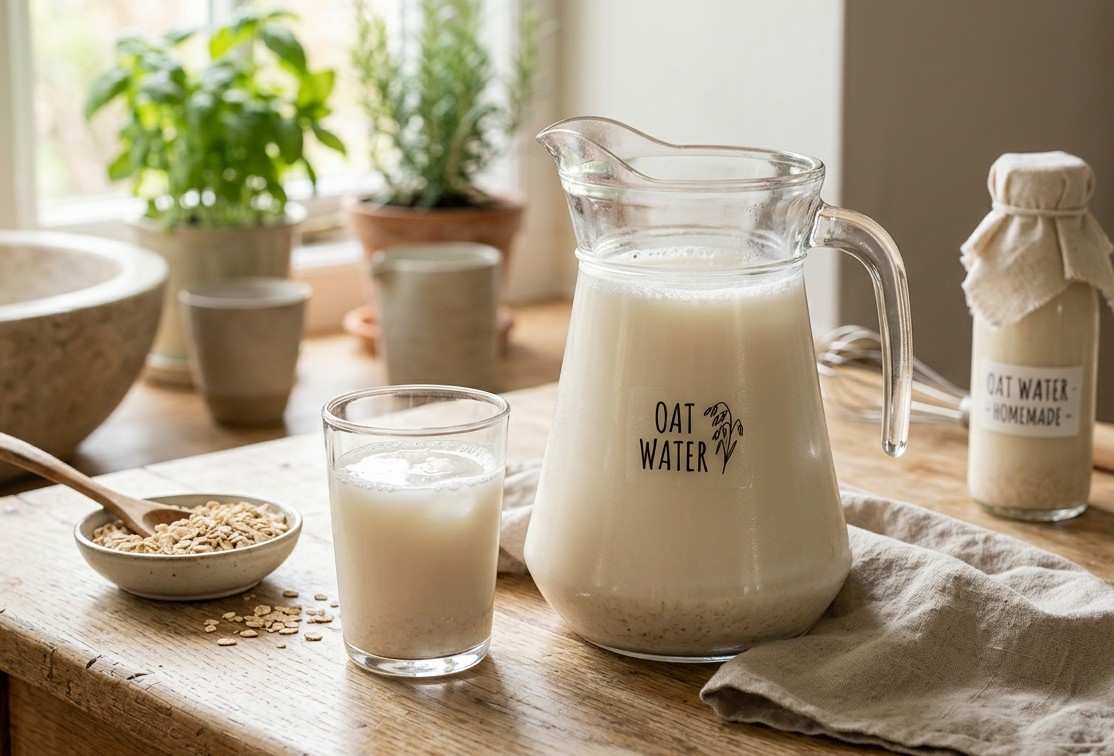
Oat water (also known as Oatmeal water) has become increasingly popular among health-conscious individuals looking for a simple and nutritious drink. Made by soaking or blending oats with water, this beverage contains beneficial nutrients, fiber compounds, and plant-based antioxidants that may support overall wellness. Oat water is easy to prepare, affordable, and can be consumed as part of a balanced diet.
Whether you want to improve digestion, support heart health, stay hydrated, or enjoy a low-calorie beverage, oat water can be a valuable addition to your daily routine. In this guide, we’ll explore everything you need to know about oat water, including its nutrition facts, science-backed benefits, side effects, preparation methods, and best practices for consumption.
What is Oat Water?
Oat water is a beverage made by soaking, blending, or steeping oats in water. The liquid absorbs some of the nutrients and soluble fiber found in oats, creating a mild, creamy drink that can be consumed plain or flavored with natural ingredients such as cinnamon, vanilla, honey, or fruits.
Unlike oat milk, which is typically strained and processed to achieve a richer consistency, oat water is generally lighter and contains fewer calories. It is commonly used as a refreshing drink, digestive aid, and hydration beverage.
Oat water is naturally plant-based and can fit into vegetarian and vegan lifestyles. Its nutritional profile depends on the type of oats used and the preparation method.
Nutrition Facts of Oat Water
The following nutrition values are approximate for 1 cup (240 ml) of homemade oat water prepared with rolled oats.
| Nutrient | Amount |
|---|---|
| Calories | 30-60 kcal |
| Protein | 1-2 g |
| Carbohydrates | 6-10 g |
| Dietary Fiber | 1-2 g |
| Natural Sugars | 0-1 g |
| Fat | 0.5-1.5 g |
| Calcium | 10-30 mg |
| Iron | 0.3-1 mg |
| Magnesium | 10-25 mg |
| Phosphorus | 20-50 mg |
| Potassium | 30-80 mg |
| Zinc | 0.2-0.5 mg |
| Manganese | 0.2-0.8 mg |
| Vitamin B1 (Thiamine) | Small amounts |
| Vitamin B5 | Small amounts |
| Folate | Small amounts |
| Water Content | More than 90% |
20 Proven Health Benefits of Oat Water
- Supports Heart Health: The beta-glucan fiber in oat water may help lower LDL cholesterol levels and support cardiovascular health.
- May Reduce Bad Cholesterol: Regular consumption of oat-based beverages has been linked to improved cholesterol profiles.
- Promotes Healthy Digestion: Soluble fiber can support smoother digestion and bowel regularity.
- Helps Maintain Hydration: Oat water provides fluids and electrolytes that contribute to daily hydration needs.
- Supports Blood Sugar Control: The fiber in oats may help slow glucose absorption and reduce blood sugar spikes.
- May Increase Satiety: Oat water can promote feelings of fullness and help reduce unnecessary snacking.
- Supports Weight Management: Its filling properties may assist with calorie control when included in a balanced diet.
- Provides Antioxidants: Oats contain unique antioxidants known as avenanthramides that help combat oxidative stress.
- May Support Gut Health: Soluble fiber acts as a food source for beneficial gut bacteria.
- Promotes Healthy Bowel Movements: Fiber can help maintain regular elimination and digestive comfort.
- Supports Immune Function: Oat compounds may contribute to healthy immune system activity.
- May Help Lower Inflammation: Certain oat antioxidants possess anti-inflammatory properties.
- Provides Sustained Energy: The carbohydrates in oats offer a steady release of energy throughout the day.
- Supports Healthy Blood Pressure: Whole-grain oat components may contribute to cardiovascular wellness and healthy blood pressure levels.
- May Improve Skin Health: The vitamins, minerals, and antioxidants in oats can support healthier-looking skin.
- Supports Metabolic Health: Oat nutrients may contribute to overall metabolic balance.
- Contains Essential Minerals: Oat water provides small amounts of magnesium, iron, phosphorus, and zinc.
- May Benefit Athletes: The hydration and carbohydrate content can help support physical performance.
- Supports Healthy Aging: Antioxidants may help protect cells from age-related oxidative damage.
- Easy on the Stomach: Many people find oat water gentle and soothing compared to heavier beverages.
10 Side Effects of Oat Water
- Digestive Discomfort: Drinking large amounts may cause bloating, gas, or stomach discomfort in sensitive individuals.
- Fiber Overload: Excessive consumption can lead to digestive issues due to increased fiber intake.
- Possible Allergic Reactions: Some individuals may be allergic or sensitive to oats.
- Cross-Contamination Concerns: Oats may contain traces of gluten if not certified gluten-free.
- May Affect Blood Sugar Medications: The fiber content could influence blood sugar regulation in some individuals.
- Potential Calorie Addition: Sweetened oat water may contribute extra calories and sugars.
- Temporary Fullness: Some people may experience excessive fullness after consuming large servings.
- Possible Digestive Changes: Sudden increases in oat consumption may temporarily alter bowel habits.
- Individual Sensitivities: Certain people may experience mild gastrointestinal irritation.
- Risk of Spoilage: Improperly stored oat water can develop harmful bacteria and should not be consumed.
How to Make Oat Water?
Ingredients:
- 1 cup rolled oats
- 4 cups water
- Optional: cinnamon, vanilla extract, honey, dates, or fruit
Method:
- Rinse the oats thoroughly under running water.
- Place oats and water in a blender.
- Blend for 20-30 seconds.
- Strain through a fine mesh sieve or cheesecloth if desired.
- Transfer to a clean container.
- Chill before serving.
- Add optional flavorings according to taste.
Alternative Soaking Method:
- Soak 1 cup oats in 4 cups water overnight.
- Stir well the next day.
- Strain if preferred.
- Refrigerate and consume within a few days.
Tips for Consuming Oat Water
- Drink it chilled for a refreshing experience.
- Use unsweetened versions whenever possible.
- Add cinnamon for additional flavor without excess sugar.
- Pair it with a balanced breakfast.
- Shake before drinking since natural settling may occur.
- Start with small servings if you are new to oat beverages.
- Choose gluten-free oats if you have gluten sensitivity.
- Consume freshly prepared oat water for optimal quality.
- Avoid adding excessive sweeteners.
- Include it as part of an overall healthy diet.
Other Uses of Oat Water
Smoothie Base
Oatmeal water can be used instead of regular water in smoothies.
Cooking Liquid
It can be added to soups, porridges, and grain dishes.
Baking Ingredient
Oat water may be used in pancakes, muffins, and bread recipes.
Post-Workout Drink
Its hydration and carbohydrate content make it useful after exercise.
Skin Care Applications
Some people use cooled oat water as a soothing skin rinse.
Plant-Based Beverage Alternative
It can serve as a light alternative to sugary drinks.
Breakfast Companion
Oat water pairs well with fruits, nuts, and whole-grain meals.
How Much Oat Water Can You Drink in a Day?
For most healthy adults, 1 to 3 cups (240-720 ml) of oat water per day is generally considered a reasonable amount as part of a balanced diet.
Individuals with specific medical conditions, digestive disorders, or dietary restrictions should consult a healthcare professional regarding appropriate intake levels.
Best Time to Drink Oat Water
Morning
Drinking oat water in the morning may provide hydration and steady energy.
Before Meals
Consuming it before meals may help promote fullness.
After Exercise
It can assist with rehydration following physical activity.
Midday Refreshment
Oatmeal water works well as a healthy alternative to sugary beverages.
Between Meals
It can support hydration while helping manage hunger.
Who Should Drink Oat Water?
- People Seeking Better Heart Health: Oatmeal water may support healthy cholesterol levels and cardiovascular wellness.
- Individuals Looking for Weight Management Support: Its fiber content may help increase satiety.
- Those Wanting Better Digestion: Soluble fiber can support digestive regularity.
- Athletes and Active Individuals: Oatmeal water provides hydration and a source of carbohydrates.
- People Seeking Plant-Based Drinks: It offers a simple vegan-friendly beverage option.
- Individuals Looking to Increase Fiber Intake: Oatmeal water can contribute small amounts of dietary fiber.
- Busy Professionals: It is easy to prepare and consume on the go.
- Students: Oat water may provide sustained energy throughout the day.
- Older Adults: The nutrients and hydration can support general wellness.
- Health-Conscious Individuals: Oatmeal water fits well into many balanced eating patterns.
Who Should Avoid Oat Water?
- People with Oat Allergies: Consumption may trigger allergic reactions.
- Individuals Sensitive to Oats: Some people may experience digestive discomfort.
- Those Requiring Strict Gluten Avoidance: Non-certified oats may contain gluten contamination.
- People with Severe Digestive Conditions: High-fiber beverages may aggravate certain symptoms.
- Individuals Following Specific Medical Diets: Consultation with a healthcare provider may be necessary.
- People Sensitive to Increased Fiber Intake: Gradual introduction may be preferable.
- Those with Certain Medication Concerns: Medical guidance may be required regarding dietary interactions.
- Individuals with Persistent Digestive Issues: Professional evaluation is recommended before regular use.
How to Store Oat Water?
- Store in a clean, airtight glass or food-grade container.
- Refrigerate immediately after preparation.
- Keep at temperatures below 40°F (4°C).
- Consume within 3-5 days for best quality.
- Shake before use as separation is normal.
- Discard if it develops an unusual smell, taste, or appearance.
- Avoid leaving it at room temperature for extended periods.
- Use clean utensils when serving to prevent contamination.
Precautions and Interactions
- Monitor Blood Sugar Levels: Individuals with diabetes should observe how oat water affects their glucose response.
- Consult a Healthcare Provider: People with chronic medical conditions should seek professional advice before major dietary changes.
- Check for Gluten-Free Certification: Those with gluten-related disorders should choose certified gluten-free oats.
- Avoid Excessive Intake: Drinking large quantities may cause digestive discomfort.
- Watch Added Sweeteners: Commercial or homemade sweetened versions may contain extra sugars.
- Consider Fiber Tolerance: Gradually increase intake if you are not accustomed to high-fiber foods.
- Review Medication Use: Certain medications may require dietary considerations related to fiber intake.
- Use Proper Storage Practices: Always refrigerate Oatmeal water promptly after preparation.
- Be Aware of Allergies: Discontinue use if signs of an allergic reaction occur.
- Consume Fresh Products: Freshly prepared Oatmeal water generally provides the best quality and taste.
Conclusion
Oat water is a simple, affordable, and nutritious beverage made from one of the world’s most popular whole grains. It contains beneficial fiber, antioxidants, vitamins, and minerals that may support heart health, digestion, hydration, blood sugar management, and overall wellness. While Oatmeal water offers many potential benefits, it should be consumed in moderation and as part of a balanced diet.
Whether enjoyed in the morning, after exercise, or between meals, Oatmeal water can be a refreshing addition to a healthy lifestyle. By preparing it properly, storing it safely, and consuming it mindfully, you can enjoy the many advantages this wholesome beverage has to offer.
FAQ’s
What is oat water good for?
Oatmeal water is commonly used to support hydration, digestion, heart health, and healthy cholesterol levels. It also provides fiber and antioxidants that may contribute to overall wellness.
Can I drink oat water every day?
Yes, most healthy adults can drink Oatmeal water daily in moderation as part of a balanced diet. One to three cups per day is generally considered reasonable.
Does oat water help with weight loss?
Oatmeal water may support weight management because its fiber content can promote feelings of fullness and help reduce overeating, but it is not a standalone weight-loss solution.
Is oat water better than oat milk?
Oatmeal water is typically lighter and lower in calories than oat milk, while oat milk generally contains more nutrients and a creamier texture. The better choice depends on your dietary goals.
Does oat water contain gluten?
Oats are naturally gluten-free, but they can be contaminated with gluten during processing. Choose certified gluten-free oats if you have celiac disease or gluten sensitivity.
Can oat water lower cholesterol?
The beta-glucan fiber found in oats may help reduce LDL (bad) cholesterol levels when consumed regularly as part of a healthy diet.
What does oat water taste like?
Oatmeal water has a mild, slightly nutty, and subtly sweet flavor with a light, refreshing texture.
Can people with diabetes drink oat water?
People with diabetes can usually drink unsweetened Oatmeal water in moderation, but they should monitor their blood sugar response and consult their healthcare provider if needed.
How long does oat water last in the refrigerator?
Homemade Oatmeal water typically stays fresh for 3 to 5 days when stored in an airtight container in the refrigerator.
Is oat water good for digestion?
Yes, Oatmeal water contains soluble fiber that may support healthy digestion, promote regular bowel movements, and nourish beneficial gut bacteria.
Can oat water be consumed on an empty stomach?
Yes, many people drink Oatmeal water on an empty stomach in the morning for hydration and digestive support.
Does oat water provide energy?
Oatmeal water contains carbohydrates and small amounts of nutrients that can provide a steady source of energy throughout the day.
Can children drink oat water?
Children can generally consume Oatmeal water in moderation, provided they do not have oat allergies or other dietary restrictions.
Is oat water safe during pregnancy?
Oatmeal water is generally considered safe during pregnancy when prepared hygienically and consumed as part of a balanced diet. Consult a healthcare provider for personalized advice.
Can oat water cause bloating?
Some individuals may experience bloating or gas, especially if they consume large amounts or are not accustomed to fiber-rich foods.
Can I add flavors to oat water?
Yes, Oatmeal water can be flavored with cinnamon, vanilla, honey, dates, lemon, berries, or other natural ingredients.
Is oat water suitable for vegans?
Yes, Oatmeal water is completely plant-based and suitable for vegan and vegetarian diets.
Does oat water help with hydration?
Yes, because it is mostly water, Oatmeal water can contribute to your daily fluid intake and help maintain hydration.
Can I make oat water without a blender?
Yes, you can soak oats in water overnight, stir well, and strain the liquid the next day to make Oatmeal water without using a blender.
How long does it take for Oat Water to work?
Hydration effects may be felt within hours, while digestive benefits can appear within days. Cholesterol and weight-management benefits may take several weeks of regular use.
What does Oat Water smell like?
Oatmeal water has a mild, slightly nutty aroma similar to oats or oatmeal. A sour smell may indicate spoilage.
Also Read: