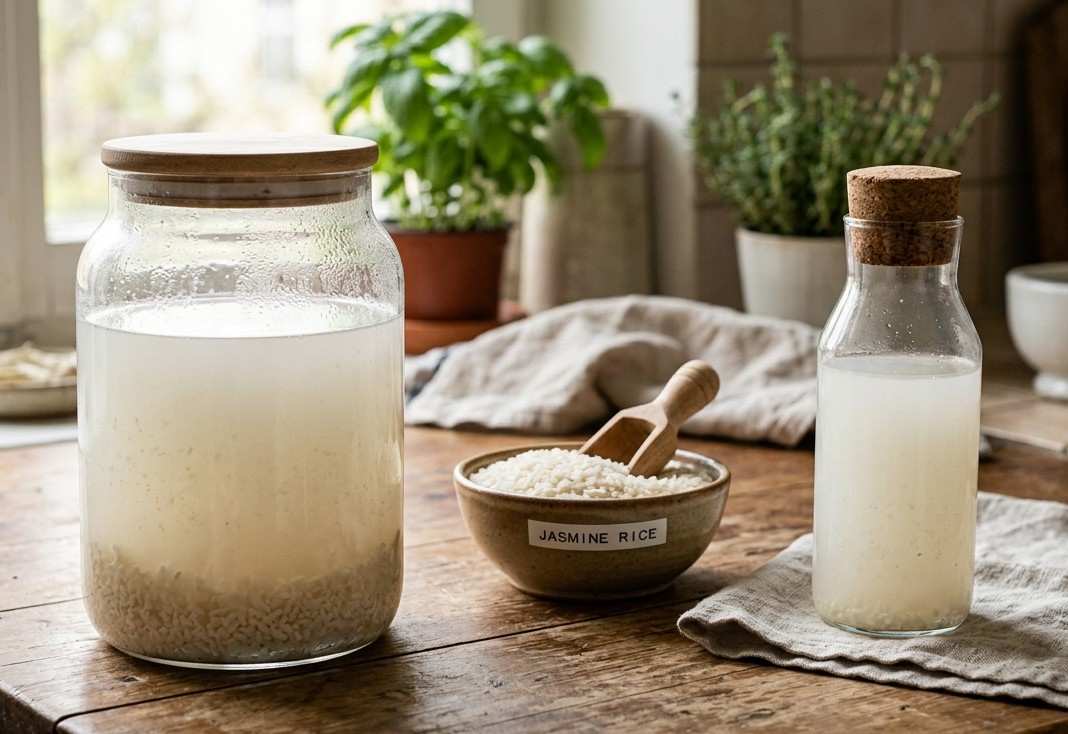
Rice water is one of the oldest natural health drinks used across Asia for centuries. Traditionally valued for its nourishing properties, rice water is made by soaking, boiling, or fermenting rice in water and then consuming the nutrient-rich liquid. While simple and inexpensive, rice water has gained worldwide popularity due to its potential health benefits for digestion, hydration, skin, hair, and overall wellness.
Many people drink rice water as a refreshing beverage, while others use it externally for beauty and personal care purposes. Rich in carbohydrates, small amounts of vitamins, minerals, and plant compounds, rice water can be a useful addition to a balanced lifestyle when consumed in moderation.
This guide explores everything you need to know about rice water, including its nutrition facts, science-backed health benefits, side effects, preparation methods, storage tips, and more.
What is Rice Water?
Rice water is the starchy liquid left behind after rice has been soaked, boiled, or fermented in water. During the preparation process, some nutrients from the rice dissolve into the water, creating a mild, cloudy beverage.
Rice water has been used traditionally in countries such as China, Japan, India, and Korea for both dietary and cosmetic purposes. Depending on how it is prepared, rice water may have a slightly sweet, earthy, or fermented flavor.
The three main types of rice water are:
- Soaked rice water
- Boiled rice water
- Fermented rice water
Each type contains varying amounts of nutrients and beneficial compounds.
Nutrition Facts of Rice Water
The exact nutritional value varies depending on the rice variety and preparation method.
| Nutrient | Amount per 1 Cup (240 ml Approx.) |
|---|---|
| Calories | 30–70 kcal |
| Carbohydrates | 7–15 g |
| Protein | 0.5–1 g |
| Fat | 0–0.2 g |
| Fiber | 0–0.5 g |
| Potassium | 20–50 mg |
| Magnesium | 3–10 mg |
| Phosphorus | 5–15 mg |
| Iron | 0.1–0.5 mg |
| Vitamin B1 (Thiamine) | Small Amount |
| Vitamin B3 (Niacin) | Small Amount |
| Vitamin B6 | Small Amount |
| Antioxidants | Trace Amounts |
| Water | 90–95% |
20 Proven Benefits of Rice Water
- Supports Hydration: Water provides fluids and electrolytes that help maintain proper hydration levels in the body.
- May Improve Digestion: The starch present in rice water may help soothe the digestive tract and support comfortable digestion.
- Can Help During Diarrhea: Rice water has traditionally been used to replenish fluids and provide easily digestible carbohydrates during episodes of diarrhea.
- Provides Quick Energy: The carbohydrates in water are rapidly absorbed and can offer a quick source of energy.
- May Soothe an Upset Stomach: Its mild nature may help calm stomach irritation and digestive discomfort.
- Supports Gut Health: Fermented rice water may contain beneficial compounds that support a healthy gut environment.
- Helps Prevent Dehydration: Regular consumption during hot weather may help replace lost fluids.
- May Support Immune Function: Small amounts of vitamins and minerals contribute to overall immune health.
- Contains Antioxidants: Water contains natural antioxidants that may help combat oxidative stress.
- Supports Healthy Skin: Drinking rice water may contribute to skin hydration and overall skin wellness.
- May Promote Hair Health: Nutrients in water may support stronger and healthier hair growth.
- Gentle on the Stomach: Water is often well tolerated by individuals recovering from illness.
- Can Aid Recovery After Exercise: The carbohydrates may help replenish energy stores after physical activity.
- May Support Healthy Metabolism: B vitamins present in rice water play a role in energy metabolism.
- Helps Maintain Fluid Balance: Potassium and water content contribute to normal fluid regulation.
- May Reduce Fatigue: The carbohydrate content may help combat temporary tiredness caused by low energy.
- Supports Healthy Aging: Antioxidant compounds may help protect cells from damage associated with aging.
- May Help During Fever Recovery: Rice water provides hydration and easy-to-digest nutrients during recovery.
- Can Serve as a Natural Refreshing Beverage: Its light composition makes it a refreshing alternative to sugary drinks.
- Supports General Wellness: Regular moderate consumption may contribute to overall nutritional support and hydration.
10 Side Effects of Rice Water
- Excess Calorie Intake: Drinking large amounts may contribute additional calories and carbohydrates to the diet.
- Blood Sugar Concerns: Individuals with diabetes may experience blood sugar fluctuations if rice water is consumed excessively.
- Digestive Discomfort: Some people may experience bloating or mild stomach discomfort from excessive intake.
- Risk of Nutrient Imbalance: Relying heavily on water instead of balanced meals may reduce overall nutrient intake.
- Constipation in Some Individuals: The starch content may contribute to constipation when consumed in large quantities.
- Potential Contamination: Improperly prepared or stored water may harbor harmful bacteria.
- Fermentation Sensitivity: Fermented rice water may cause digestive upset in sensitive individuals.
- Possible Weight Gain: Frequent overconsumption may increase calorie intake and contribute to weight gain.
- Arsenic Exposure Risk: Rice can contain trace amounts of arsenic, which may accumulate with excessive long-term consumption.
- Allergic Reactions: Although uncommon, some individuals may be sensitive to rice-based products.
How to Make Rice Water?
Method 1: Soaked Rice Water
Ingredients:
- ½ cup rice
- 2–3 cups water
Instructions:
- Rinse the rice thoroughly.
- Place the rice in a bowl.
- Add water and soak for 30–60 minutes.
- Stir occasionally.
- Strain the liquid into a clean container.
- Drink immediately or refrigerate.
Method 2: Boiled Rice Water
Ingredients:
- 1 cup rice
- 4 cups water
Instructions:
- Cook rice in extra water.
- Once partially cooked, strain out the excess liquid.
- Allow the liquid to cool.
- Consume warm or chilled.
Method 3: Fermented Rice Water
Ingredients:
- Fresh rice water
Instructions:
- Prepare soaked rice water.
- Leave it at room temperature for 24–48 hours.
- Once slightly sour, refrigerate.
- Dilute before drinking if desired.
Tips for Consuming Rice Water
- Use clean, filtered water.
- Wash rice thoroughly before preparation.
- Consume fresh rice water whenever possible.
- Avoid adding excessive sugar.
- Drink in moderation.
- Refrigerate promptly after preparation.
- Choose whole-grain rice for additional nutrients.
- Start with small amounts if trying it for the first time.
- Discard water with an unusual smell.
- Pair water with a balanced diet.
Other Uses of Rice Water
Rice water is not only a beverage but also a versatile household and beauty ingredient.
Hair Rinse
Many people use water as a natural hair rinse to improve softness and shine.
Facial Toner
Water can be applied to the skin as a gentle facial toner.
Skin Soothing Treatment
It may help calm minor skin irritation and dryness.
Hair Mask Ingredient
Water is commonly mixed with other natural ingredients in homemade hair masks.
Plant Fertilizer
Diluted water can be used to water certain plants.
Face Mask Base
It can be combined with clay or oatmeal for homemade face masks.
Bath Soak
Water may be added to bathwater for skin nourishment.
Cleaning Aid
Some households use water for light cleaning purposes.
How Much Rice Water Can You Drink in a Day?
For most healthy adults, consuming 1–2 cups (240–480 ml) of rice water daily is generally sufficient.
Recommended amounts:
- Beginners: ½–1 cup daily
- Regular users: 1–2 cups daily
- During illness or dehydration: Follow medical guidance
Excessive intake is not recommended because it may increase carbohydrate consumption and potentially affect blood sugar levels.
Best Time to Drink Rice Water
Morning
Drinking rice water in the morning may provide quick energy and hydration.
Before Exercise
The carbohydrate content can serve as a light energy source before physical activity.
After Exercise
Rice water may help replenish fluids and energy stores.
During Recovery
It can be useful when recovering from digestive upset or mild illness.
Between Meals
Consuming rice water between meals may help maintain hydration without replacing balanced meals.
Who Should Drink Rice Water?
- Athletes and Active Individuals: Water may provide hydration and quick carbohydrates for energy support.
- People Recovering from Illness: Its mild nature makes it easy to consume during recovery periods.
- Individuals Experiencing Mild Digestive Discomfort: Water may be gentle on the digestive system.
- People Seeking Natural Hydration: The beverage can contribute to daily fluid intake.
- Older Adults: Water may offer an easy-to-consume source of fluids and energy.
- Individuals Living in Hot Climates: It may help support hydration during warm weather.
- People with Reduced Appetite: Water can provide light nourishment when appetite is low.
- Students and Busy Professionals: The carbohydrates may provide a quick energy boost.
- People Looking for Low-Fat Beverages: Water naturally contains very little fat.
- Those Interested in Traditional Wellness Practices: Water has a long history of traditional use.
Who Should Avoid Rice Water?
- People with Uncontrolled Diabetes: The carbohydrate content may affect blood sugar management.
- Individuals with Rice Allergies: Water should be avoided if rice sensitivity exists.
- People Following Low-Carbohydrate Diets: Water may not fit carbohydrate-restricted eating plans.
- Individuals Sensitive to Fermented Foods: Fermented rice water may trigger digestive discomfort.
- People with Chronic Digestive Disorders: Medical guidance is recommended before regular consumption.
- Individuals Concerned About Arsenic Exposure: Excessive long-term consumption should be avoided.
- People on Strict Medical Diets: Consult a healthcare professional before use.
- Those with Frequent Bloating Issues: Water may worsen symptoms in some individuals.
- People with Kidney-Related Dietary Restrictions: Professional guidance may be necessary.
- Anyone Experiencing Adverse Reactions: Discontinue use if unwanted symptoms occur.
How to Store Rice Water?
Proper storage helps maintain freshness and safety.
Refrigeration
Store rice water in an airtight container in the refrigerator.
Shelf Life
Fresh rice water generally lasts 2–3 days when refrigerated.
Fermented Rice Water
Fermented rice water may last up to one week under refrigeration.
Freezing
Rice water can be frozen in small portions for longer storage.
Avoid Room Temperature Storage
Leaving rice water at room temperature for extended periods may encourage bacterial growth.
Check Before Use
Discard rice water if it develops an unpleasant smell, mold, or unusual appearance.
Precautions and Interactions
- Blood Sugar Monitoring: Individuals with diabetes should monitor blood glucose levels when consuming water regularly.
- Moderate Consumption: Excessive intake may contribute to excess carbohydrate consumption.
- Proper Hygiene: Always prepare water using clean utensils and safe drinking water.
- Storage Safety: Refrigerate promptly after preparation to reduce bacterial contamination risk.
- Medication Considerations: People taking medications for diabetes should consult a healthcare provider regarding dietary changes.
- Pregnancy Precaution: Pregnant women should consume only properly prepared and stored water.
- Digestive Sensitivity: Start with small amounts if you have a sensitive digestive system.
- Fermentation Awareness: Fermented water may not be suitable for everyone.
- Balanced Diet Reminder: Water should complement rather than replace nutritious meals.
- Medical Consultation: Individuals with chronic health conditions should seek professional advice before making water a regular part of their diet.
Conclusion
Rice water is a simple, affordable, and traditional beverage that offers hydration, quick energy, and several potential health benefits. From supporting digestion and recovery to contributing to skin and hair wellness, water has remained popular across cultures for generations. While generally safe for most people when consumed in moderation, proper preparation, storage, and awareness of individual health conditions are essential.
FAQ’s
What is rice water good for?
Water is commonly used for hydration, digestive support, quick energy, and promoting healthy skin and hair.
Can I drink rice water every day?
Yes, most healthy adults can drink water daily in moderation, typically 1–2 cups per day.
Does rice water help with digestion?
Water may help soothe the digestive tract and is traditionally used during mild stomach upset and diarrhea.
Is rice water good for weight loss?
Water is low in fat, but it still contains carbohydrates and calories, so it should be consumed as part of a balanced diet.
Can rice water increase energy levels?
Yes, the carbohydrates in water provide a quick source of energy that may help reduce temporary fatigue.
Is rice water safe for children?
Water is traditionally given to children in some cultures, but parents should consult a healthcare professional before regular use.
How long does rice water last?
Fresh water usually lasts 2–3 days in the refrigerator when stored in an airtight container.
Can people with diabetes drink rice water?
People with diabetes should consume water cautiously because its carbohydrate content may affect blood sugar levels.
Is fermented rice water better than regular rice water?
Fermented water may contain additional beneficial compounds, but some people may find it harder to digest.
Can rice water help with dehydration?
Yes, water contains fluids and carbohydrates that may help support hydration, especially during hot weather.
Does rice water contain nutrients?
Yes, water contains small amounts of carbohydrates, B vitamins, minerals, and antioxidants.
Can I drink rice water on an empty stomach?
Yes, many people drink water on an empty stomach in the morning for hydration and quick energy.
Is rice water good for the skin?
Water is commonly used to support skin hydration and may help improve the appearance of the skin.
Can rice water improve hair health?
Water is often used as a hair rinse and may help improve hair smoothness, shine, and strength.
Which rice is best for making rice water?
White rice, brown rice, and jasmine rice can all be used, though brown rice may provide slightly more nutrients.
Can I add flavor to rice water?
Yes, you can add lemon, cinnamon, ginger, or a small amount of honey to enhance the taste.
Is homemade rice water better than packaged rice water?
Homemade water is often preferred because it is fresh, inexpensive, and free from unnecessary additives.
What does Rice Water taste like?
Water has a mild, slightly starchy flavor with a subtle sweetness. Fermented water may taste tangy or slightly sour.
How long does it take for Rice Water to work?
The effects vary depending on the purpose. Hydration benefits may be noticeable within hours, while skin and hair benefits may take several weeks of regular use.
What does Rice Water smell like?
Fresh water usually has a light, neutral, grain-like aroma. Fermented water develops a stronger, sour smell due to natural fermentation.
Is Rice Water safe for pregnant women?
Water is generally considered safe in moderation during pregnancy when prepared hygienically, but pregnant women should consult their healthcare provider before making it a regular part of their diet.
How long should you keep rice water on your face?
Water can typically be left on the face for 10–20 minutes before rinsing with cool water.
Does rice water remove tan?
Water may help brighten the appearance of the skin and improve overall skin tone, but it is not proven to remove tanning completely.
Which is better, Vitamin C or rice water?
They serve different purposes. Vitamin C is known for its powerful antioxidant and skin-brightening properties, while water is valued for its soothing and hydrating effects. Many people use both as part of their skincare routine.
Also Read: