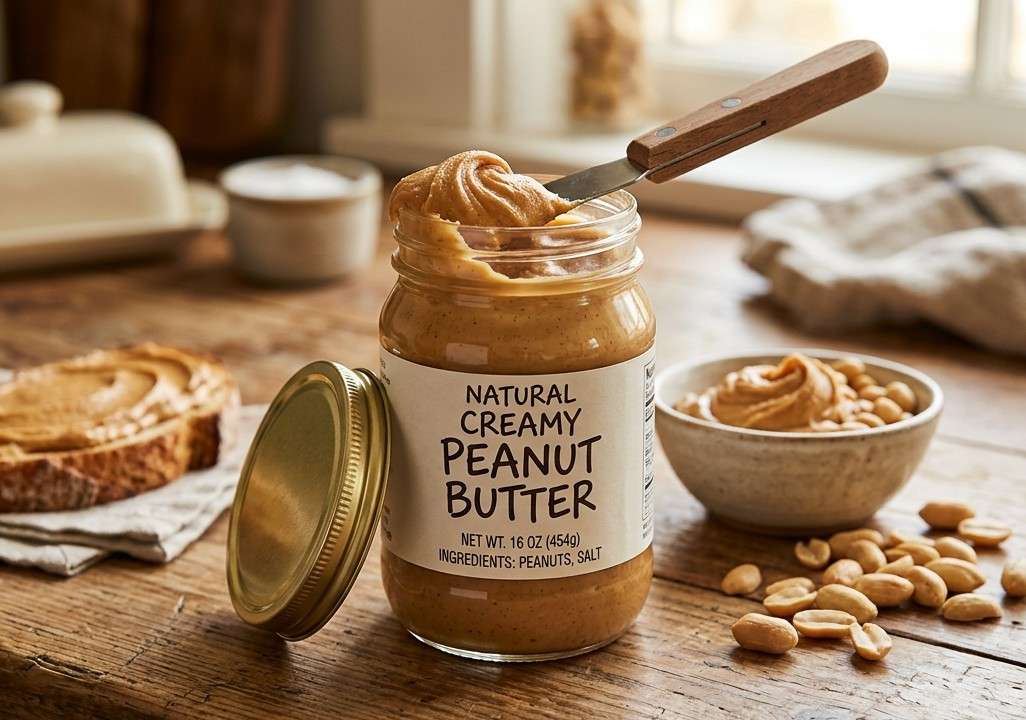
Peanut butter is one of the world’s most popular spreads, loved for its rich, creamy texture and delicious nutty flavor. Whether spread on toast, blended into smoothies, or used in baking, peanut butter is a versatile food that fits easily into many diets.
Beyond its taste, peanut butter is packed with nutrients that support overall health. It contains plant-based protein, healthy fats, vitamins, minerals, and antioxidants that can benefit the heart, muscles, bones, and immune system. However, like any food, it should be consumed in moderation because it is also calorie-dense.
In this guide, you’ll learn everything about peanut butter, including its nutrition, health benefits, possible side effects, and the best ways to enjoy it as part of a balanced diet.
What is Peanut Butter?
Peanut butter is a creamy or crunchy spread made by grinding dry-roasted peanuts into a smooth paste. Depending on the brand, it may contain small amounts of salt, natural oils, or sweeteners to improve taste and texture.
Natural peanut butter usually contains only peanuts (and sometimes salt), while processed varieties may include added sugar, hydrogenated oils, and preservatives. Choosing peanut butter with minimal ingredients is generally considered the healthiest option.
Although peanuts are technically legumes rather than tree nuts, they have a nutritional profile similar to nuts, making peanut butter an excellent source of healthy fats and plant-based protein.
Nutrition Facts of Peanut Butter
| Nutrient | Amount (Per 2 tablespoons: 32 grams) |
|---|---|
| Calories | 188 kcal |
| Protein | 8 g |
| Total Fat | 16 g |
| Saturated Fat | 3 g |
| Monounsaturated Fat | 8 g |
| Polyunsaturated Fat | 4 g |
| Carbohydrates | 7 g |
| Dietary Fiber | 2 g |
| Sugars | 3 g (varies by brand) |
| Calcium | 17 mg |
| Iron | 0.6 mg |
| Magnesium | 57 mg |
| Phosphorus | 107 mg |
| Potassium | 208 mg |
| Zinc | 0.9 mg |
| Vitamin E | 2.9 mg |
| Niacin (Vitamin B3) | 4.2 mg |
| Folate | 49 mcg |
Values are approximate and may vary depending on the brand and ingredients.
20 Proven Health Benefits of Peanut Butter
- Excellent Source of Protein: Peanut butter provides plant-based protein that helps build and repair muscles and supports overall body function.
- Supports Heart Health: Its healthy monounsaturated fats may help reduce bad cholesterol while supporting healthy cholesterol levels.
- Keeps You Full Longer: The combination of protein, healthy fats, and fiber promotes satiety and helps control hunger.
- Provides Long-Lasting Energy: Peanut butter delivers sustained energy, making it a great snack before work, school, or exercise.
- Rich in Healthy Fats: The unsaturated fats support brain function, hormone production, and cardiovascular health.
- Helps Maintain Muscle Mass: Its protein content makes it beneficial for active individuals and those involved in strength training.
- May Support Weight Management: When eaten in moderation, peanut butter may reduce overeating by increasing feelings of fullness.
- Contains Powerful Antioxidants: Vitamin E and other antioxidants help protect cells from oxidative damage.
- Supports Brain Health: Healthy fats and niacin contribute to normal brain function and cognitive health.
- Promotes Healthy Bones: Magnesium and phosphorus help maintain strong bones and teeth.
- Supports Immune Function: Vitamin E, zinc, and other nutrients contribute to a healthy immune system.
- May Help Regulate Blood Sugar: Natural peanut butter has a low glycemic impact, making it a satisfying option when paired with healthy carbohydrates.
- Improves Skin Health: Healthy fats and vitamin E help maintain healthy-looking skin.
- Supports Healthy Hair: Protein and essential nutrients contribute to normal hair growth and strength.
- Provides Essential Minerals: Peanut butter supplies magnesium, potassium, phosphorus, and zinc needed for many body processes.
- May Reduce the Risk of Nutrient Deficiencies: Regular moderate intake can help increase overall nutrient intake.
- Supports Healthy Metabolism: Niacin and magnesium assist the body in converting food into usable energy.
- Convenient Nutrient-Dense Food: Peanut butter offers many nutrients in a small serving, making it ideal for busy lifestyles.
- Suitable for Vegetarian Diets: It is an affordable and convenient source of plant-based protein.
- Easy to Include in Daily Meals: Peanut butter can be added to breakfast, snacks, smoothies, desserts, and savory dishes.
Related Articles:
- Shea Butter: 20 Benefits, Uses, Side Effects & How to Make It
- Almond Butter: 15 Health Benefits, Nutrition & Side Effects
- Butter Tea: 20 Benefits, Side Effects, Dosage & How to Make It
10 Side Effects of Peanut Butter
- High in Calories: Eating large amounts may contribute to excess calorie intake and unwanted weight gain.
- May Trigger Peanut Allergies: Individuals with peanut allergies should completely avoid peanut butter due to the risk of severe allergic reactions.
- Added Sugar in Some Brands: Sweetened peanut butter may increase daily sugar intake.
- High Sodium Content: Salted varieties can contribute to higher sodium consumption.
- Digestive Discomfort: Excessive intake may cause bloating or stomach discomfort in some individuals.
- Possible Aflatoxin Exposure: Poorly stored peanuts may contain naturally occurring aflatoxins, although commercial products are generally monitored for safety.
- May Cause Acne in Sensitive Individuals: Some people report skin breakouts after consuming peanut products, although evidence remains limited.
- Risk of Overeating: Its creamy texture and great taste can make portion control challenging.
- May Interfere with Certain Diet Plans: Peanut butter may not fit very low-fat dietary recommendations prescribed for certain medical conditions.
- Added Oils in Processed Products: Some commercial brands contain hydrogenated oils or unnecessary additives that reduce nutritional quality.
How to Eat Peanut Butter?
Peanut butter is one of the easiest foods to include in a healthy diet. Its creamy texture and rich flavor pair well with both sweet and savory ingredients. Choosing natural peanut butter with minimal ingredients provides the greatest nutritional value.
Some healthy ways to enjoy peanut butter include:
- Spread it on whole-grain toast.
- Add it to oatmeal.
- Mix it into smoothies.
- Dip apple slices or bananas in peanut butter.
- Spread it on whole-grain crackers.
- Add a spoonful to yogurt.
- Use it in homemade energy balls.
- Stir it into overnight oats.
- Blend it into protein shakes.
- Use it in homemade peanut sauces for vegetables or noodles.
Tips for Consuming Peanut Butter
- Choose natural peanut butter with only peanuts and salt.
- Read nutrition labels carefully before purchasing.
- Avoid products with excessive added sugar.
- Limit serving sizes to avoid excess calories.
- Pair peanut butter with fruits or whole grains.
- Store it properly to maintain freshness.
- Stir natural peanut butter before use if the oil separates.
- Include it as part of a balanced diet rather than relying on it as your primary protein source.
- Eat it alongside fiber-rich foods for better satiety.
- If you have a peanut allergy, avoid peanut paste completely.
How to Use Peanut Butter?
Peanut butter is incredibly versatile and can be used in many recipes. Common uses include:
- Breakfast spread
- Smoothie ingredient
- Sandwich filling
- Pancake topping
- Oatmeal mix-in
- Yogurt topping
- Baking ingredient
- Cookie recipes
- Protein balls
- Salad dressing
- Peanut dipping sauce
- Homemade granola bars
- Ice cream topping
- Fruit dip
- Healthy dessert ingredient
Other Uses of Peanut Butter
- Natural Protein Booster: Add it to smoothies for extra protein and healthy fats.
- Healthy Baking Ingredient: Replace part of the butter in certain baking recipes.
- Flavor Enhancer: Use it to enrich sauces, curries, and stir-fries.
- Homemade Energy Snacks: Mix with oats and seeds for nutritious snack balls.
- Creamy Soup Ingredient: Add a spoonful to African-inspired peanut soups.
- Dessert Base: Create healthier desserts with peanut butter and fruit.
- Breakfast Upgrade: Stir into oatmeal or porridge for added flavor.
- Healthy Dip: Pair with sliced fruits and vegetables.
- Protein-Rich Spread: Spread on rice cakes or toast.
- Meal Prep Ingredient: Include in balanced meal-prep recipes for sustained energy.
How Much Peanut Butter Can You Eat in a Day?
Peanut butter is a nutritious food, but because it is high in calories and fat, portion control is important. For most healthy adults, 1–2 tablespoons (16–32 grams) per day is considered a reasonable serving as part of a balanced diet. This amount provides a good source of protein, healthy fats, vitamins, and minerals without contributing excessive calories.
People who are physically active or have higher calorie needs may be able to enjoy slightly larger portions, while those following a weight-loss plan should monitor their intake carefully. Always balance peanut paste with a variety of fruits, vegetables, whole grains, and lean protein sources for optimal nutrition.
The ideal amount of peanut butter depends on your age, activity level, and overall dietary goals.
| Age Group | Recommended Serving |
|---|---|
| Children (5–12 years) | 1 tablespoon (16 g) |
| Teenagers | 1–2 tablespoons (16–32 g) |
| Healthy Adults | 1–2 tablespoons (16–32 g) |
| Athletes | 2–3 tablespoons (32–48 g), depending on energy needs |
| Older Adults | 1–2 tablespoons (16–32 g) |
Note: Individuals with medical conditions such as kidney disease, severe food allergies, or specific dietary restrictions should consult a healthcare professional or registered dietitian before making peanut paste a regular part of their diet.
How to Make Peanut Butter at Home
Making peanut butter at home is simple, affordable, and allows you to control the ingredients. Homemade peanut paste contains no unnecessary preservatives, artificial flavors, or hydrogenated oils, making it a healthier alternative to many commercial varieties.
Ingredients:
- 2 cups roasted peanuts (unsalted or lightly salted)
- 1–2 teaspoons peanut oil or a neutral oil (optional, for a creamier texture)
- ¼ teaspoon salt (optional)
- 1–2 teaspoons honey or maple syrup (optional, for a sweeter taste)
Instructions:
- Add the Peanuts: Place the roasted peanuts into a food processor or high-powered blender.
- Blend the Peanuts: Process for 4–8 minutes, stopping occasionally to scrape down the sides. The peanuts will first become crumbly, then form a thick paste before turning smooth and creamy.
- Adjust the Texture: If the peanut butter is too thick, add a small amount of peanut oil and blend again until you reach your desired consistency.
- Season if Desired: Add salt for flavor or honey/maple syrup for a touch of sweetness, then blend for another 20–30 seconds.
- Transfer to a Jar: Spoon the peanut paste into a clean, airtight glass jar.
- Store Properly: Refrigerate homemade peanut paste and use it within 2–4 weeks.
Homemade Peanut Butter Variations:
- Creamy Peanut Butter: Blend until completely smooth.
- Crunchy Peanut Butter: Mix in chopped roasted peanuts after blending.
- Honey Peanut Butter: Add 1–2 teaspoons of honey.
- Chocolate Peanut Butter: Blend in 1 tablespoon unsweetened cocoa powder and a little honey.
- Cinnamon Peanut Butter: Add ½ teaspoon ground cinnamon for extra flavor.
- Protein Peanut Butter: Mix in a scoop of unflavored or vanilla protein powder after blending.
Preparation Time:
| Details | Time |
|---|---|
| Preparation Time | 5 minutes |
| Blending Time | 5–8 minutes |
| Total Time | 10–15 minutes |
| Servings | About 1½ cups |
Best Time to Eat Peanut Butter
There is no single “best” time to eat peanut paste, but certain times may offer additional benefits depending on your goals.
Breakfast
Peanut butter paired with whole-grain toast, oatmeal, or fruit provides long-lasting energy and helps keep you full throughout the morning.
Before Exercise
Eating peanut paste 1–2 hours before a workout provides healthy fats and carbohydrates that can help fuel physical activity.
After Exercise
Combining peanut butter with foods like bananas, whole-grain bread, or milk helps replenish energy and supports muscle recovery.
As a Healthy Snack
A small serving between meals can reduce hunger and prevent overeating later in the day.
Before Bed
Some people enjoy peanut paste before bedtime because its protein and healthy fats provide slow-releasing nutrients that may help maintain satiety overnight.
Who Should Eat Peanut Butter?
- Active Individuals: Peanut paste provides protein and healthy fats that support energy needs and muscle recovery.
- Vegetarians and Vegans: It is an excellent plant-based protein source for meat-free diets.
- Growing Children: In age-appropriate portions, peanut butter supplies nutrients important for growth and development (unless a peanut allergy is present).
- Older Adults: Its protein and healthy fats can help support muscle maintenance and overall nutrition.
- People Trying to Gain Healthy Weight: Peanut paste offers calorie-dense nutrition that can help increase energy intake.
- Fitness Enthusiasts: It fits well into high-protein meal plans when consumed in moderation.
- Busy Professionals: Peanut butter is a convenient, ready-to-eat snack for hectic schedules.
- Students: Its combination of protein and healthy fats provides sustained energy for study and daily activities.
- People Looking for Filling Snacks: Peanut paste helps increase fullness due to its protein, fat, and fiber content.
- Individuals Following a Balanced Diet: Natural peanut paste can be part of an overall healthy eating pattern.
Who Should Not Eat Peanut Butter?
- People with Peanut Allergy: Peanut paste should be completely avoided because it can trigger severe allergic reactions.
- Individuals with Severe Peanut Sensitivity: Even small amounts may cause symptoms and require strict avoidance.
- People Following Very Low-Fat Diets: Peanut butter may not be suitable if fat intake is medically restricted.
- Individuals Limiting Calories: Large portions may interfere with weight-management goals because of their high calorie content.
- People Sensitive to Added Sugars: Sweetened peanut paste varieties should be limited or avoided.
- Individuals Restricting Sodium: Salted peanut paste may contribute to excess sodium intake.
- People with Difficulty Swallowing: Peanut butter’s thick texture can increase the risk of choking if eaten alone.
- Those with Certain Kidney Conditions: People advised to limit phosphorus or potassium should seek medical advice before consuming peanut paste regularly.
- People Sensitive to Certain Additives: Choose natural peanut paste if preservatives or hydrogenated oils are a concern.
- Infants Without Medical Guidance: Peanut introduction should follow current pediatric feeding recommendations and individual medical advice.
How to Store Peanut Butter?
- Keep the Lid Tightly Closed: Always seal the jar after each use to maintain freshness.
- Store in a Cool, Dry Place: Unopened peanut paste should be kept away from heat and direct sunlight.
- Refrigerate Natural Peanut Butter: Refrigeration helps prevent oil separation and extends shelf life after opening.
- Use Clean, Dry Utensils: This helps prevent contamination and spoilage.
- Stir Before Refrigerating: Mix separated oil into natural peanut paste before placing it in the refrigerator.
- Avoid Moisture: Water contamination may reduce shelf life and affect quality.
- Check the Expiration Date: Do not consume peanut paste that has passed its recommended use-by date.
- Discard if It Smells Rancid: An unpleasant odor, unusual taste, or mold indicates spoilage.
- Store Away from Strong Odors: Peanut paste can absorb surrounding food odors.
- Follow Manufacturer Instructions: Storage recommendations may vary slightly by brand.
Precautions and Interactions
- Peanut Allergy: Individuals with peanut allergies should avoid peanut butter completely.
- Read Ingredient Labels: Choose products with minimal ingredients and no unnecessary additives.
- Watch Portion Sizes: Excessive consumption can contribute to unwanted calorie intake.
- Choose Low-Sodium Varieties: Select unsalted or lightly salted peanut paste when reducing sodium intake.
- Limit Added Sugar: Prefer natural peanut butter without added sweeteners.
- Consult Your Healthcare Provider: People with chronic medical conditions should seek personalized dietary advice.
- Be Cautious with Young Children: Spread peanut paste thinly or mix it into other foods to reduce choking risk.
- Store Properly: Incorrect storage may reduce quality and freshness.
- Avoid Expired Products: Spoiled peanut paste should never be consumed.
- Balance Your Diet: Peanut paste should complement a varied, nutrient-rich eating plan rather than replace other healthy foods.
Conclusion
Peanut butter is a delicious, nutrient-dense food that offers an impressive combination of plant-based protein, healthy fats, fiber, vitamins, and minerals. When enjoyed in moderation, it can support heart health, muscle recovery, sustained energy, and overall well-being. Its versatility also makes it easy to include in breakfasts, snacks, smoothies, baked goods, and savory dishes.
However, not all peanut paste products are created equal. Choosing natural varieties made with only peanuts (and a small amount of salt, if desired) helps you avoid unnecessary added sugars, hydrogenated oils, and preservatives. Paying attention to serving size is equally important, as peanut paste is calorie-dense despite its many nutritional benefits.
FAQ’s
Is peanut butter healthy?
Yes, peanut paste can be a healthy addition to a balanced diet. It is rich in protein, healthy fats, fiber, vitamins, and minerals. Choosing natural peanut paste without added sugar or hydrogenated oils is the healthiest option.
Is it okay to eat peanut butter every day?
Yes, most healthy adults can enjoy 1–2 tablespoons of peanut paste daily as part of a balanced diet, provided it fits within their overall calorie needs.
Is peanut butter good for weight loss?
Peanut paste may support weight management because its protein, healthy fats, and fiber help you feel full longer. However, due to its high calorie content, portion control is important.
Is peanut butter a good source of protein?
Yes. Two tablespoons of peanut paste provide about 8 grams of plant-based protein, making it a convenient protein source for vegetarians and active individuals.
Is peanut butter good for the heart?
Natural peanut paste contains monounsaturated and polyunsaturated fats that may support heart health when consumed in moderation as part of an overall healthy diet.
Can people with diabetes eat peanut butter?
Yes, many people with diabetes can enjoy natural peanut paste in moderation. It has a low glycemic impact and pairs well with whole grains or fruits. Individual dietary advice should come from a healthcare provider.
Is peanut butter good for muscle building?
Yes. Peanut paste provides protein, healthy fats, and calories that can support muscle growth and recovery when combined with regular strength training and a balanced diet.
Is peanut butter safe during pregnancy?
Yes, peanut paste is generally safe during pregnancy unless the mother has a peanut allergy or has been advised otherwise by her healthcare provider. It provides protein, healthy fats, and essential nutrients.
Can children eat peanut butter?
Yes, children can eat peanut paste if they do not have a peanut allergy. Introduce it according to pediatric feeding recommendations and spread it thinly or mix it into other foods to reduce the risk of choking.
Can peanut butter increase cholesterol?
Natural peanut paste does not contain cholesterol and may help support healthy cholesterol levels because it is rich in unsaturated fats. Sweetened or highly processed varieties should be limited.
Is peanut butter good before a workout?
Yes. Eating peanut paste with whole-grain bread, fruit, or oatmeal 1–2 hours before exercise provides sustained energy for physical activity.
Can peanut butter help you gain weight?
Yes. Peanut paste is calorie-dense and can support healthy weight gain when eaten in appropriate portions as part of a nutritious diet.
How long does peanut butter last after opening?
Most commercial peanut paste stays fresh for 2–3 months in the pantry after opening, while natural peanut butter generally lasts 3–6 months in the refrigerator. Always follow the storage instructions on the label.
Can peanut butter go bad?
Yes. Peanut paste can become rancid over time. If it develops an unpleasant smell, mold, or an unusual taste, it should be discarded.
Is crunchy or creamy peanut butter healthier?
Both are nutritionally similar. Crunchy peanut paste usually contains slightly more fiber due to the peanut pieces, while creamy peanut butter has a smoother texture.
Can peanut butter cause allergies?
Yes. Peanut allergy is one of the most common food allergies and can cause severe allergic reactions. Anyone with a known peanut allergy should avoid peanut paste completely.
What is peanut butter good for?
Peanut paste is good for providing plant-based protein, healthy fats, fiber, vitamins, and minerals. It can support heart health, muscle recovery, sustained energy, and overall nutrition when eaten in moderation.
What does peanut butter taste like?
Peanut paste has a rich, creamy, nutty, and slightly roasted flavor. Natural peanut butter has a more pronounced peanut taste, while sweetened varieties are often sweeter and smoother.
Can we eat 100g peanut butter daily?
Eating 100 grams of peanut paste daily is generally not recommended for most people because it provides around 580–600 calories. Most healthy adults should limit their intake to 1–2 tablespoons (16–32 grams) per day, unless they have higher calorie needs and have been advised otherwise by a healthcare professional.
What peanut butter is sugar-free?
Sugar-free peanut paste is typically natural peanut butter made with 100% peanuts or peanuts and a small amount of salt. Always check the ingredient list to ensure no added sugars or sweeteners are included.
Which peanut butter is the healthiest?
The healthiest peanut paste contains only roasted peanuts or roasted peanuts and a little salt. It should be free from added sugar, hydrogenated oils, and artificial preservatives.
Which country eats the most peanut butter?
The United States is one of the world’s largest consumers of peanut paste. It is a staple food in many American households and is commonly enjoyed in sandwiches, snacks, and desserts.
What’s the unhealthiest peanut butter?
Peanut paste products that contain high amounts of added sugar, hydrogenated oils, artificial flavors, and excessive sodium are generally considered the least healthy options. Reading the nutrition label can help you choose a better product.
Which state is famous for peanut butter?
In the United States, Georgia is widely known for peanut production and is often associated with peanut paste because it is one of the country’s largest peanut-growing states.
Is peanut butter a protein or a fat?
Peanut paste contains both protein and healthy fats, but it is primarily considered a healthy fat source because most of its calories come from unsaturated fats. It also provides a significant amount of plant-based protein, making it a nutritious addition to a balanced diet.
Sources / References:
- U.S. Department of Agriculture (USDA) FoodData Central
- Harvard T.H. Chan School of Public Health – The Nutrition Source
- American Heart Association
- Academy of Nutrition and Dietetics
- National Institutes of Health (NIH) – Office of Dietary Supplements
- Mayo Clinic – Healthy Lifestyle Nutrition
- Cleveland Clinic – Nutrition
- World Health Organization (WHO) – Healthy Diet
Also Read:
- Butter vs Ghee: Which One Is Healthier and Why?
- Almond Butter vs. Peanut Butter: Which One Is Healthier?
- 20 Foods and Beverages to Avoid with Arthritis
About the Author:
Written by: Kirti Solanki (Health Content Researcher)
Kirti Solanki is a Health Content Researcher dedicated to creating evidence-based, reader-friendly wellness articles. Her work focuses on simplifying complex nutrition and health topics using information from trusted medical organizations, peer-reviewed research, and government health resources. Every article is carefully researched to provide practical, accurate, and up-to-date information that helps readers make informed lifestyle choices.
Disclaimer:
This guide is intended for educational and informational purposes only and should not be considered medical advice. The information provided is based on reputable health sources available at the time of writing but is not a substitute for professional healthcare guidance. Always consult a qualified physician or registered dietitian before making significant dietary or lifestyle changes, especially if you have allergies, chronic medical conditions, are pregnant or breastfeeding, or are taking prescription medications.