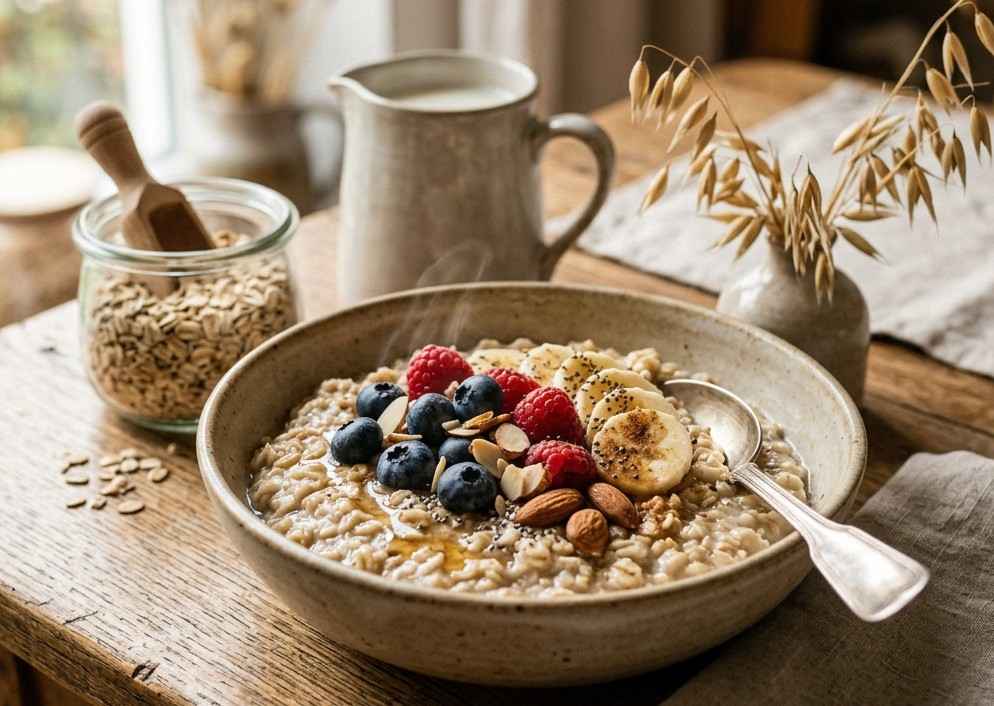
Oats are among the healthiest whole grains available today. They are highly nutritious, versatile, and easy to include in daily meals. Whether enjoyed as oatmeal, overnight oats, smoothies, cookies, or baked dishes, oats provide a rich source of fiber, vitamins, minerals, and plant-based nutrients.
Known for their heart-friendly properties and long-lasting energy, oats have become a staple food for health-conscious individuals worldwide. They are especially valued for their high beta-glucan content, a soluble fiber linked to several health benefits, including cholesterol management and improved digestion.
This guide explores everything you need to know about oats, including their nutrition facts, types, science-backed health benefits, side effects, uses, dosage, storage tips, and more.
What are Oats?
Oats are edible cereal grains harvested from the oat plant (Avena sativa). They belong to the grass family and are cultivated primarily for human consumption and animal feed.
Unlike many refined grains, oats are usually consumed as whole grains, meaning they retain their bran, germ, and endosperm. This helps preserve their nutritional value and fiber content.
Oats are commonly processed into different forms such as steel-cut oats, rolled oats, quick oats, and oat flour. Despite processing differences, they remain one of the most nutrient-dense grains available.
Nutrition Facts of Oats
| Nutrient | Amount (Per 100 Grams of Raw Oats) |
|---|---|
| Calories | 389 kcal |
| Carbohydrates | 66.3 g |
| Protein | 16.9 g |
| Fat | 6.9 g |
| Dietary Fiber | 10.6 g |
| Sugars | 0.9 g |
| Calcium | 54 mg |
| Iron | 4.7 mg |
| Magnesium | 177 mg |
| Phosphorus | 523 mg |
| Potassium | 429 mg |
| Zinc | 4 mg |
| Manganese | 4.9 mg |
| Copper | 0.6 mg |
| Vitamin B1 (Thiamine) | 0.76 mg |
| Vitamin B5 (Pantothenic Acid) | 1.3 mg |
| Folate | 56 mcg |
Types of Oats
1. Whole Oat Groats
The least processed form containing the entire oat kernel.
2. Steel-Cut Oats
Oat groats cut into small pieces with a chewy texture and nutty flavor.
3. Scottish Oats
Stone-ground oat that create a creamy porridge.
4. Rolled Oats
Steamed and flattened oats commonly used for oatmeal and baking.
5. Quick Oats
Rolled oat processed further for faster cooking.
6. Instant Oats
Pre-cooked oats that require only hot water or milk.
7. Oat Bran
The fiber-rich outer layer of the oat grain.
8. Oat Flour
Finely ground oats used in baking and cooking.
9. Oat Milk Oats
Specially processed oat used for making oat milk.
10. Organic Oats
Oat grown without synthetic pesticides or fertilizers.
20 Proven Health Benefits of Oats
- Supports Heart Health: Oat contain beta-glucan fiber that may help lower LDL cholesterol levels and support cardiovascular health.
- Helps Lower Cholesterol: Regular oat consumption can reduce bad cholesterol while maintaining healthy cholesterol balance.
- Improves Digestion: The fiber in oats promotes healthy bowel movements and digestive function.
- Promotes Weight Management: Oat increase fullness and may reduce overall calorie intake throughout the day.
- Stabilizes Blood Sugar: Beta-glucan slows carbohydrate absorption, helping maintain steady blood glucose levels.
- Boosts Gut Health: Oats nourish beneficial gut bacteria and support a healthy microbiome.
- Provides Long-Lasting Energy: Complex carbohydrates in oat release energy gradually over time.
- Supports Muscle Recovery: Oat contain protein and essential nutrients beneficial for post-workout recovery.
- Enhances Immune Function: Certain oat compounds may help strengthen natural immune defenses.
- Reduces Hunger Cravings: Oats help control appetite and reduce unnecessary snacking.
- Supports Healthy Blood Pressure: Nutrients such as magnesium and potassium contribute to blood pressure regulation.
- Promotes Healthy Skin: Oat contain antioxidants and soothing compounds that may benefit skin health.
- Rich in Antioxidants: Oat provide avenanthramides, unique antioxidants that help combat oxidative stress.
- May Reduce Inflammation: Bioactive compounds in oat may help lower inflammation markers.
- Supports Bone Health: Oats provide minerals like phosphorus and magnesium essential for strong bones.
- Improves Mental Performance: Steady energy release from oats may help support concentration and cognitive function.
- Helps Prevent Constipation: Fiber-rich oat promote regular bowel movements and digestive comfort.
- Supports Healthy Pregnancy: Oats provide folate, iron, and other nutrients important during pregnancy.
- May Reduce Risk of Type 2 Diabetes: Regular whole-grain oat consumption is associated with improved metabolic health.
- Promotes Overall Wellness: The combination of vitamins, minerals, fiber, and antioxidants supports overall health.
10 Side Effects of Oats
- Digestive Bloating: Excessive oat consumption may cause bloating in some individuals.
- Gas Formation: Increased fiber intake from oats can lead to temporary gas production.
- Stomach Discomfort: Large servings may cause abdominal discomfort in sensitive individuals.
- Potential Allergic Reactions: Some people may experience allergic responses to oats.
- Gluten Cross-Contamination Issues: Non-certified oats may contain traces of wheat, barley, or rye.
- May Interfere with Certain Digestive Conditions: Individuals with severe gastrointestinal disorders may have difficulty tolerating oats.
- Can Cause Fullness Too Quickly: Excessive satiety may reduce appetite for other nutrient-rich foods.
- Possible Mineral Absorption Reduction: Oats contain phytates that may slightly reduce mineral absorption.
- Risk of Overconsumption: Excessive intake may contribute to excess calorie consumption.
- May Trigger Sensitivities: Certain individuals may experience mild digestive sensitivities to oat products.
How to Eat Oats?
There are many delicious ways to enjoy oats:
- Traditional oatmeal
- Overnight oats
- Oat smoothies
- Oat pancakes
- Oat porridge
- Granola
- Energy bars
- Oat cookies
- Oat flour bread
- Protein shakes
- Yogurt toppings
- Healthy desserts
- Oat milk
- Savory oat bowls
- Oat-based soups
Tips for Consuming Oats
- Start with small servings if you are new to high-fiber foods.
- Drink plenty of water alongside oat.
- Choose minimally processed oats whenever possible.
- Add fruits, nuts, and seeds for balanced nutrition.
- Avoid flavored oat products with added sugars.
- Include protein sources with oat-based meals.
- Rotate oat with other whole grains for dietary variety.
- Store oats properly to maintain freshness.
- Read labels carefully if gluten sensitivity is a concern.
- Consume oat as part of a balanced diet.
How to Cook Oats?
Basic Stovetop Method:
Ingredients:
- 1 cup oats
- 2 cups water or milk
Instructions:
- Bring water or milk to a boil.
- Add oats and stir.
- Reduce heat to low.
- Cook according to oat type:
- Steel-cut oats: 20–30 minutes
- Rolled oats: 5–10 minutes
- Quick oats: 1–5 minutes
- Stir occasionally.
- Add fruits, nuts, seeds, or spices before serving.
Other Uses of Oats
- Natural Face Mask: Ground oat can be used in homemade skincare treatments.
- Skin Soothing Bath: Oat baths may help soothe dry and irritated skin.
- Natural Exfoliant: Finely ground oat can gently exfoliate the skin.
- Hair Care Ingredient: Oat are sometimes used in nourishing hair masks.
- Pet Care Applications: Oat-based products are often included in pet shampoos.
- Baking Ingredient: Oat flour serves as an alternative flour in many recipes.
- Thickening Agent: Oat can naturally thicken soups and smoothies.
- Plant-Based Milk Production: Oats are commonly used to make dairy-free oat milk.
- Homemade Energy Bars: Oat are a popular ingredient in healthy snack bars.
- Breakfast Mixes: Oat form the base of many granola and muesli products.
How Much Oats Can You Eat in a Day?
Most healthy adults can safely consume:
- 40–80 grams of dry oats daily
- Approximately ½ to 1 cup of dry oats
- Active individuals may consume slightly more depending on calorie needs
The ideal amount varies based on age, activity level, health status, and overall dietary intake.
| Group | Recommended Daily Amount |
| Children | 20–40 g |
| Teenagers | 30–60 g |
| Adults | 40–80 g |
| Athletes | 60–120 g |
| Older Adults | 30–60 g |
Moderation and individual tolerance should always be considered.
Best Time to Eat Oats
Breakfast
The most popular time because oats provide sustained energy throughout the morning.
Pre-Workout
Oats offer slow-releasing carbohydrates that fuel physical activity.
Post-Workout
They help replenish glycogen stores and support recovery.
Evening Snack
A small serving can provide satisfying nutrition without excessive calories.
Who Should Eat Oats?
- People Seeking Weight Management: Oat promote fullness and help control appetite.
- Individuals with High Cholesterol: Beta-glucan fiber may help improve cholesterol levels.
- People with Digestive Concerns: Oat support healthy digestion and bowel regularity.
- Athletes and Active Individuals: Oat provide long-lasting energy and nutrients.
- Students and Professionals: Oat offer sustained mental and physical energy.
- Older Adults: Oat provide fiber, vitamins, and minerals beneficial for healthy aging.
- Vegetarians and Vegans: Oats contribute plant-based protein and important nutrients.
- Pregnant Women: Oas supply fiber, iron, and folate that support nutritional needs.
- People Managing Blood Sugar: Whole oat may help improve glycemic control.
- Anyone Seeking a Healthy Breakfast: Oat are a nutritious and convenient option.
Who Should Not Eat Oats?
- People with Oat Allergies: Individuals allergic to oat should avoid them completely.
- Those with Severe Digestive Blockages: High-fiber foods may worsen symptoms.
- Individuals with Certain Gastrointestinal Disorders: Some conditions may require limited fiber intake.
- People Sensitive to Cross-Contaminated Gluten: Only certified gluten-free oat should be consumed.
- Individuals Following Specific Medical Diets: Dietary restrictions may limit oat consumption.
- People Experiencing Persistent Digestive Reactions: Medical evaluation may be necessary.
- Those with Difficulty Digesting Fiber: Oat intake may need gradual adjustment.
- Individuals with Certain Rare Grain Sensitivities: Oats may trigger symptoms in susceptible people.
- People Advised by Healthcare Providers to Limit Fiber: Medical recommendations should be followed.
- Anyone Experiencing Allergic Symptoms After Consumption: Immediate discontinuation and medical advice are recommended.
How to Store Oats?
- Keep in Airtight Containers: Airtight storage helps maintain freshness and prevents moisture exposure.
- Store in a Cool Place: A cool environment helps preserve flavor and quality.
- Avoid Direct Sunlight: Sunlight can accelerate deterioration of oat products.
- Protect from Humidity: Moisture may lead to spoilage and mold growth.
- Refrigerate for Longer Storage: Refrigeration can extend shelf life, especially in warm climates.
- Freeze for Extended Preservation: Freezing helps maintain freshness for several months.
- Check for Off Odors: Discard oats that develop unusual smells.
- Inspect for Pests: Regularly check stored oat for insects or contamination.
- Use Clean Containers: Clean storage containers reduce contamination risk.
- Follow Expiration Dates: Always monitor packaging dates for best quality.
Precautions and Interactions
- Increase Intake Gradually: Slowly increasing oat consumption helps reduce digestive discomfort.
- Maintain Adequate Hydration: Drinking enough water supports healthy fiber digestion.
- Monitor Blood Sugar Medications: Oats may influence blood sugar management in some individuals.
- Watch for Allergic Reactions: Discontinue use if allergy symptoms occur.
- Choose Certified Gluten-Free Products: Individuals with gluten sensitivity should select certified products.
- Consult During Pregnancy if Necessary: Pregnant women with specific medical concerns should seek professional guidance.
- Use Caution with Digestive Disorders: Certain gastrointestinal conditions may require moderation.
- Consider Fiber Intake from Other Foods: Total daily fiber consumption should remain balanced.
- Review Supplement Use: Fiber-rich foods may affect absorption timing of some supplements.
- Seek Medical Advice for Chronic Conditions: Individuals with ongoing health concerns should consult healthcare professionals before major dietary changes.
Conclusion
Oats are one of the most nutritious and versatile whole grains available. Rich in fiber, protein, vitamins, minerals, and beneficial plant compounds, they support heart health, digestion, blood sugar control, weight management, and overall wellness. Whether eaten as oatmeal, smoothies, baked goods, or savory dishes, oat can easily become a valuable part of a balanced diet.
FAQ’s
Are oats healthy to eat every day?
Yes, oat can be eaten daily as part of a balanced diet because they are rich in fiber, vitamins, minerals, and antioxidants.
What are oats good for?
Oat support heart health, digestion, weight management, blood sugar control, and long-lasting energy.
Are oats gluten-free?
Oat are naturally gluten-free, but they may be contaminated during processing. Choose certified gluten-free oat if you have gluten sensitivity or celiac disease.
Which type of oats is the healthiest?
Steel-cut oat and whole oat groats are generally considered the healthiest because they are the least processed.
Can oats help with weight loss?
Yes, the fiber in oat helps you feel full longer, which may reduce calorie intake and support weight loss efforts.
Is it better to eat oats with milk or water?
Both are healthy options. Milk adds protein and calcium, while water keeps calories lower.
Can people with diabetes eat oats?
Yes, oat may help manage blood sugar levels due to their high beta-glucan fiber content.
Are oats a good source of protein?
Yes, oat contain more protein than many other grains and provide about 17 grams of protein per 100 grams.
Can I eat oats at night?
Yes, oat can be eaten at night as a light and filling meal or snack.
Are instant oats healthy?
Instant oat are nutritious, but plain varieties are generally healthier than flavored versions with added sugar.
Can children eat oats?
Yes, oat are a nutritious food for children and can be included in breakfasts, snacks, and baked goods.
Do oats help lower cholesterol?
Yes, the soluble fiber beta-glucan found in oat may help reduce LDL (bad) cholesterol levels.
Can oats improve digestion?
Yes, their high fiber content supports healthy digestion and regular bowel movements.
Can oats be eaten without cooking?
Yes, oat can be soaked overnight and eaten raw in overnight oats recipes.
Are oats suitable for vegetarians and vegans?
Yes, oat are naturally plant-based and suitable for vegetarian and vegan diets.
What can I add to oats for extra nutrition?
You can add fruits, nuts, seeds, yogurt, milk, nut butter, cinnamon, or protein powder for added nutrition and flavor.
Is Oats safe for pregnant women?
Yes, oat are generally safe during pregnancy and provide fiber, iron, folate, and other important nutrients that support maternal health.
What does Oats taste like?
Oat have a mild, slightly nutty flavor with a creamy texture when cooked.
What are oats made from?
Oat come from the edible grains of the oat plant (Avena sativa), a cereal grain grown worldwide.
Are oats a protein or carb?
Oat are primarily a carbohydrate-rich food, but they also contain a good amount of plant-based protein.
What are oats called in India?
In India, oats are commonly known simply as “oats” and are available as rolled oat, instant oat, and steel-cut oat.
Which food is equal to oats?
Whole grains such as quinoa, barley, millet, brown rice, and whole wheat offer nutritional benefits similar to oat.
Do oats have a lot of sugar?
No, plain oat are naturally low in sugar and contain only small amounts of naturally occurring sugars.
Are oats good for cholesterol?
Yes, oat contain beta-glucan fiber, which may help lower LDL (bad) cholesterol levels and support heart health.
What is the difference between regular oats and oatmeal?
Regular oat are the raw or processed oat grains, while oatmeal is the cooked dish made from oat.
Can oats help you sleep?
Yes, oat contain complex carbohydrates and nutrients that may promote relaxation and support better sleep.
Why soak oats before eating?
Soaking oat softens them, improves texture, reduces cooking time, and may make them easier to digest.
Also Read: