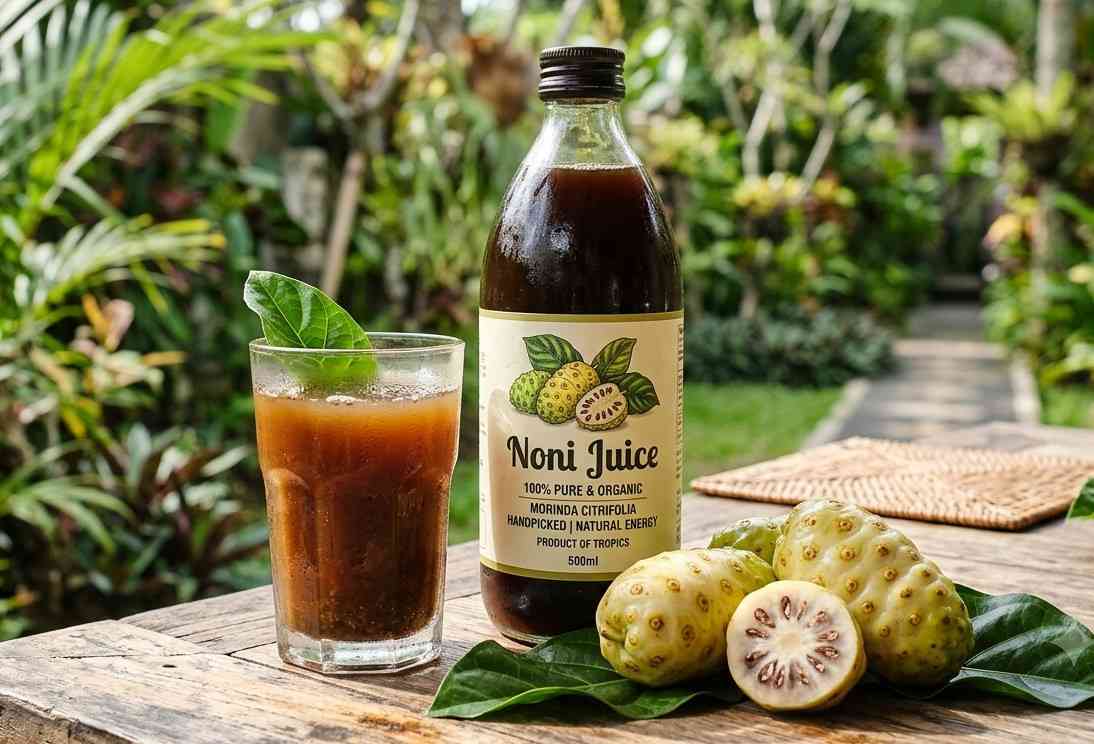
Noni juice has been used for centuries in traditional Polynesian, Southeast Asian, and Ayurvedic practices as a natural wellness drink. Made from the fruit of the noni tree (Morinda citrifolia), this tropical beverage is known for its strong aroma and slightly bitter taste. While it may not be the most flavorful juice, it is valued for its rich supply of antioxidants, vitamins, minerals, and plant compounds that may support overall health.
Modern scientific research suggests that noni juice may help reduce oxidative stress, support immune function, improve skin health, and promote general well-being. However, like any herbal or natural product, it should be consumed in moderation and is not a substitute for medical treatment.
What is Noni Juice?
Noni juice is a natural beverage prepared from the ripe fruit of the Morinda citrifolia tree, which grows in tropical regions such as Hawaii, Tahiti, India, Southeast Asia, and the Pacific Islands.
The fruit is usually fermented or pressed to extract its juice. Although noni has a pungent smell and bitter taste, it contains numerous beneficial plant compounds, including:
- Vitamin C
- Potassium
- Polyphenols
- Flavonoids
- Iridoids
- Scopoletin
- Antioxidants
Because of these nutrients, noni juice has become a popular functional beverage worldwide.
Nutrition Facts of Noni Juice (Per 100 ml)
| Nutrient | Amount |
|---|---|
| Calories | 18–25 kcal |
| Carbohydrates | 4–6 g |
| Natural Sugars | 3–5 g |
| Protein | <1 g |
| Fat | 0 g |
| Fiber | Trace |
| Vitamin C | Moderate |
| Potassium | 30–60 mg |
| Calcium | Small amount |
| Iron | Small amount |
| Polyphenols | Present |
| Flavonoids | Present |
| Iridoids | Present |
| Antioxidants | High |
Values vary depending on the brand and preparation method.
20 Science-Backed Health Benefits of Noni Juice
- Rich in Antioxidants: Noni juice contains powerful antioxidants that help protect cells from oxidative damage caused by free radicals.
- Supports Immune Health: Vitamin C and bioactive compounds may strengthen the body’s natural immune defenses.
- May Reduce Inflammation: Several plant compounds found in noni may help lower chronic inflammation.
- Promotes Heart Health: Antioxidants may help protect blood vessels and support healthy circulation.
- Supports Healthy Cholesterol Levels: Some studies suggest noni juice may help improve cholesterol profiles.
- May Help Maintain Healthy Blood Pressure: Potassium and antioxidants may contribute to cardiovascular wellness.
- Supports Joint Health: Traditional use and emerging research indicate possible benefits for joint comfort.
- May Improve Exercise Recovery: Antioxidants may reduce exercise-induced muscle damage and fatigue.
- Supports Healthy Skin: Vitamin C helps promote collagen production for healthier-looking skin.
- May Slow Cellular Aging: Antioxidants help reduce oxidative stress associated with aging.
- Supports Digestive Health: Noni juice may encourage healthy digestion when consumed in moderation.
- May Promote Liver Health: Some research suggests antioxidant compounds may help protect liver cells.
- Supports Brain Function: Antioxidants may help protect nerve cells from oxidative damage.
- May Improve Energy Levels: Many people report feeling more energetic after regular moderate consumption.
- Supports Healthy Blood Sugar Management: Preliminary studies suggest potential benefits when combined with a healthy lifestyle.
- May Help Reduce Stress on Cells: Bioactive compounds help combat environmental oxidative stress.
- Supports Respiratory Wellness: Traditional medicine has long used noni to support respiratory health.
- May Support Wound Healing: Vitamin C contributes to normal tissue repair and collagen formation.
- Supports Overall Wellness: Regular moderate intake may contribute to general health as part of a balanced diet.
- Provides Natural Plant Compounds: Noni juice offers iridoids and polyphenols that contribute to its potential health benefits.
10 Side Effects of Noni Juice
- High Potassium Content: People with kidney disease should avoid excess intake because potassium levels may become too high.
- Possible Liver Problems: Rare cases of liver injury have been reported with excessive consumption.
- Digestive Upset: Some individuals may experience nausea, stomach discomfort, or diarrhea.
- Strong Taste and Smell: The unpleasant flavor may cause stomach discomfort in sensitive people.
- Allergic Reactions: Although uncommon, allergic responses can occur in susceptible individuals.
- Medication Interactions: Noni juice may interact with blood pressure medicines, blood thinners, and certain kidney medications.
- May Lower Blood Pressure Too Much: Combining it with antihypertensive medications could cause excessive blood pressure reduction.
- May Affect Blood Sugar: People taking diabetes medications should monitor blood glucose carefully.
- Not Recommended During Certain Medical Conditions: Individuals with severe liver or kidney disease should consult a healthcare provider.
- Excess Intake May Cause Problems: Drinking large amounts regularly may increase the risk of unwanted side effects.
How to Make Noni Juice?
Ingredients:
Method:
- Wash the ripe noni fruits thoroughly.
- Place them in a sterilized glass jar.
- Allow the fruits to naturally soften and release juice for 4–8 weeks.
- Strain the liquid through a fine cloth or sieve.
- Store the juice in a clean bottle.
- Dilute with water if desired.
- Add honey or lemon to improve the flavor before serving.
Tips for Consuming Noni Juice
- Start with a small serving.
- Drink diluted if the taste is too strong.
- Choose products without added sugar.
- Follow the serving size recommended by the manufacturer.
- Pair it with a balanced diet.
- Stay hydrated throughout the day.
- Consult your healthcare provider if you take prescription medications.
Other Uses of Noni Juice
- Added to smoothies.
- Mixed into herbal drinks.
- Used in wellness beverages.
- Included in detox drink recipes.
- Combined with tropical fruit juices.
- Used in traditional herbal practices.
- Incorporated into homemade health tonics.
How Much Noni Juice Can You Drink in a Day?
Most healthy adults can safely consume 30–60 ml (1–2 ounces) of pure noni juice daily unless otherwise advised by a healthcare professional.
If you are new to noni juice, begin with approximately 15 ml (½ ounce) per day and gradually increase the amount if well tolerated.
Avoid excessive intake because higher amounts do not necessarily provide additional health benefits and may increase the risk of side effects.
Best Time to Drink Noni Juice
Many people prefer drinking noni juice:
- In the morning on an empty stomach.
- About 30 minutes before breakfast.
- Before meals for better absorption.
- Consistently at the same time each day.
Who Should Drink Noni Juice?
- Adults Seeking Antioxidants: Individuals looking to increase antioxidant intake may benefit from moderate consumption.
- People with Active Lifestyles: Athletes and physically active adults may use it as part of their recovery routine.
- Individuals Interested in Immune Support: Its vitamin C content may contribute to normal immune function.
- People Following Healthy Diets: It can complement a balanced, nutrient-rich eating pattern.
- Adults Seeking General Wellness: Noni juice may be included as part of an overall healthy lifestyle.
Who Should Avoid Noni Juice?
- People with Kidney Disease: High potassium levels may worsen kidney-related conditions.
- Individuals with Liver Disease: Those with liver disorders should consult their physician before use.
- People Taking Blood Pressure Medication: Noni juice may enhance blood pressure-lowering effects.
- Individuals Taking Blood Thinners: It may interact with certain medications.
- People with Noni Allergies: Anyone allergic to noni should avoid it completely.
- Pregnant or Breastfeeding Women: Safety has not been firmly established, so medical advice is recommended.
How to Store Noni Juice?
- Refrigerate After Opening: Keep the bottle refrigerated to maintain freshness.
- Use a Clean Bottle: Store in a sterilized glass container whenever possible.
- Seal Tightly: Keep the lid closed to prevent contamination.
- Avoid Direct Sunlight: Store away from heat and sunlight.
- Check Expiration Dates: Discard juice that has spoiled or developed an unusual appearance.
- Use Within Recommended Time: Consume opened juice according to the manufacturer’s storage instructions.
Precautions and Interactions
Although noni juice is generally considered safe for most healthy adults when consumed in moderation, certain precautions are important.
People with kidney disease, liver disease, or high potassium levels should consult a healthcare professional before drinking juice. Individuals taking medications for blood pressure, diabetes, blood clotting, or kidney conditions should also seek medical advice because interactions may occur.
Always purchase noni juice from reputable manufacturers that follow quality and safety standards. Avoid replacing prescribed medications with juice, and discontinue use if you experience unusual symptoms after consumption.
FAQ’s
What is noni juice good for?
Juice may help support immune health, reduce oxidative stress, promote heart health, and improve overall wellness due to its antioxidant content.
Is it safe to drink noni juice every day?
Yes, most healthy adults can drink juice daily in moderation, typically 30–60 ml, unless advised otherwise by a healthcare provider.
What does noni juice taste like?
Juice has a strong, bitter, and slightly sour taste with a distinctive aroma that many people find unusual.
Can noni juice help boost immunity?
Juice contains vitamin C and antioxidants that may support normal immune function as part of a healthy diet.
Is noni juice good for weight loss?
Juice is not a weight-loss drink, but it may complement a balanced diet and regular exercise by supporting overall health.
Can people with diabetes drink noni juice?
People with diabetes may be able to drink juice in moderation, but they should choose products without added sugar and consult their healthcare provider.
Is noni juice good for high blood pressure?
Some research suggests juice may support healthy blood pressure, but it should not replace prescribed medications.
Can noni juice improve skin health?
Its vitamin C and antioxidant compounds may help support collagen production and protect the skin from oxidative damage.
Is noni juice safe during pregnancy?
Pregnant or breastfeeding women should consult their healthcare provider before consuming juice due to limited safety research.
Can children drink noni juice?
Children should only consume juice if recommended by a pediatrician, as research on its safety in children is limited.
Can noni juice be mixed with other drinks?
Yes, it can be mixed with water, orange juice, pineapple juice, or smoothies to improve its taste.
Is homemade noni juice better than store-bought?
Homemade noni juice can be fresh and free from additives, while high-quality store-bought products offer convenience and standardized processing.
Can noni juice detox the body?
There is limited scientific evidence that noni juice “detoxifies” the body. Your liver and kidneys naturally remove waste, though juice may support overall health through its antioxidants.
Is noni juice acidic or alkaline?
Juice is mildly acidic but is often included as part of a balanced diet due to its beneficial plant compounds.
Can I drink noni juice on an empty stomach?
Yes, many people drink juice on an empty stomach, but if it causes stomach discomfort, take it with food or dilute it with water.
How long does it take for noni juice to work?
The effects vary from person to person. Some people notice improvements in energy or overall well-being within a few weeks, while other potential benefits may require regular use alongside a healthy lifestyle.
What does noni juice smell like?
Juice has a strong, pungent smell that is often compared to aged cheese or fermented fruit. Its distinctive aroma is completely natural.
Is noni juice bad for kidneys?
Juice is generally safe for healthy individuals when consumed in moderation. However, because it is relatively high in potassium, people with kidney disease or reduced kidney function should avoid it or consult their healthcare provider before drinking it.
Is noni juice good for nerves?
Some preliminary research suggests that the antioxidants and plant compounds in juice may help protect nerve cells from oxidative stress. However, more human studies are needed to confirm its effects on nerve health.
Can noni juice reduce uric acid?
There is currently limited scientific evidence that noni juice directly lowers uric acid levels. While its anti-inflammatory and antioxidant properties may support overall health, it should not be used as a treatment for gout or high uric acid without medical advice.
Sources / References:
- National Center for Complementary and Integrative Health (NCCIH)
- National Institutes of Health (NIH)
- PubMed
- U.S. Department of Agriculture FoodData Central
- World Health Organization (WHO)
About the Author:
Written by: Kirti Solanki (Health Content Researcher)
Kirti Solanki is a Health Content Researcher who creates evidence-based, reader-friendly wellness articles by reviewing scientific studies and trusted health resources. The goal is to provide accurate, practical, and up-to-date health information to help readers make informed lifestyle choices.
Disclaimer:
This guide is for educational purposes only and should not be considered medical advice. Always consult a qualified healthcare professional before making significant dietary changes or using herbal supplements, especially if you are pregnant, breastfeeding, have a medical condition, or take prescription medications.
Also Read: