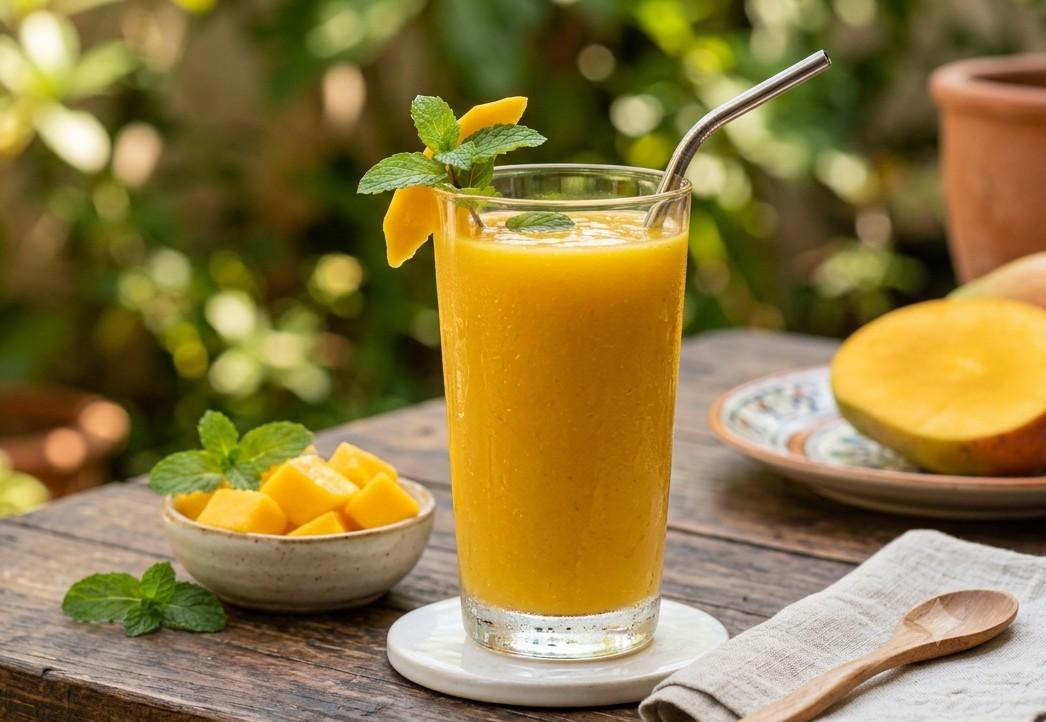
Mango juice is one of the world’s most loved fruit beverages, valued for its naturally sweet taste, vibrant color, and impressive nutritional profile. Made from ripe mangoes, this refreshing drink provides essential vitamins, minerals, antioxidants, and plant compounds that support overall health. Whether enjoyed fresh at breakfast, after a workout, or as a cooling summer beverage, mango juice can be a nutritious addition to a balanced diet when consumed in moderation. While it offers numerous health benefits, understanding its nutritional value, potential side effects, and proper serving size can help you enjoy it safely.
What is Mango Juice?
Mango juice is a fruit beverage prepared by blending or extracting the pulp of ripe mangoes with water. Depending on personal preference, it may be consumed fresh, strained, or mixed with ingredients such as lemon juice, mint, or spices. Unlike many commercially available fruit drinks, freshly prepared mango juice contains natural vitamins, antioxidants, and dietary compounds without added preservatives or excessive sugar.
Mangoes belong to the species Mangifera indica and are often referred to as the “King of Fruits.” Native to South Asia, they are now cultivated across tropical and subtropical regions worldwide. Fresh mango juice preserves much of the fruit’s nutritional value and offers a delicious way to stay hydrated while obtaining important nutrients.
Nutrition Facts of Mango Juice
Approximate nutrition per 1 cup (240 ml) of fresh, unsweetened mango juice
| Nutrient | Amount |
|---|---|
| Calories | 120 kcal |
| Carbohydrates | 30 g |
| Natural Sugars | 26 g |
| Protein | 1 g |
| Fat | 0.5 g |
| Fiber | 1 g |
| Vitamin C | 60 mg |
| Vitamin A | 90 mcg |
| Folate | 45 mcg |
| Potassium | 300 mg |
| Magnesium | 18 mg |
| Calcium | 18 mg |
| Vitamin E | 1.5 mg |
| Vitamin K | 6 mcg |
| Water | Approximately 200 ml |
Values may vary depending on mango variety, ripeness, and preparation method.
20 Proven Health Benefits of Mango Juice
- Rich in Vitamin C: Mango juice provides a generous amount of vitamin C, which supports immune function, collagen production, and wound healing.
- Supports Immune Health: Its vitamins A, C, and antioxidant compounds help strengthen the body’s natural defense system against infections.
- High in Antioxidants: Mango juice contains polyphenols, mangiferin, quercetin, and carotenoids that help protect cells from oxidative stress.
- Promotes Healthy Skin: Vitamin A, C, and E contribute to collagen formation and may help maintain healthy, glowing skin.
- Supports Eye Health: Beta-carotene and vitamin A play an essential role in maintaining good vision and protecting the eyes.
- Improves Digestive Function: Natural digestive enzymes such as amylases help break down carbohydrates and support healthy digestion.
- Helps Maintain Hydration: Its high water content helps replenish fluids, especially during warm weather or after physical activity.
- Provides Natural Energy: The natural sugars in mango juice offer a quick source of energy without relying on processed snacks.
- Supports Heart Health: Potassium helps regulate blood pressure and supports healthy cardiovascular function.
- May Reduce Oxidative Stress: Mangiferin and other antioxidants may help reduce inflammation and oxidative damage within the body.
- Supports Healthy Blood Circulation: Vitamin C enhances iron absorption, which contributes to healthy red blood cell production.
- Promotes Brain Function: Antioxidants and B vitamins may support cognitive health and normal nervous system function.
- May Improve Gut Health: Naturally occurring plant compounds can support beneficial gut bacteria when consumed as part of a balanced diet.
- Supports Healthy Aging: Antioxidants help protect cells from free radical damage associated with aging.
- Contributes to Bone Health: Mango juice contains small amounts of vitamin K, magnesium, and calcium that support healthy bones.
- May Help Reduce Fatigue: Natural carbohydrates and essential nutrients provide sustained energy that may help combat tiredness.
- Supports Healthy Pregnancy Nutrition: Folate and vitamin C make fresh mango juice a nutritious option during pregnancy when consumed in moderation and with medical guidance.
- Helps Maintain Healthy Hair: Vitamins A and C contribute to scalp health and collagen production that supports stronger hair.
- May Support Weight Management: Fresh mango juice can satisfy sweet cravings when replacing sugar-sweetened beverages, although portion control remains important.
- Supports Overall Wellness: Its combination of vitamins, minerals, antioxidants, and hydration makes mango juice a valuable addition to a healthy dietary pattern.
10 Side Effects of Mango Juice
- High Natural Sugar Content: Drinking excessive amounts may increase blood sugar levels, particularly in people with diabetes.
- May Cause Weight Gain: Consuming large portions regularly can contribute to excess calorie intake.
- Can Trigger Allergic Reactions: Individuals allergic to mango or related plants may experience itching, rash, or swelling.
- May Cause Digestive Discomfort: Drinking too much mango juice at once may lead to bloating or stomach upset.
- Can Lead to Tooth Decay: Frequent exposure to natural fruit sugars may increase the risk of dental cavities if oral hygiene is poor.
- May Increase Blood Sugar Quickly: Fresh juice contains less fiber than whole mangoes, allowing sugars to be absorbed more rapidly.
- Can Cause Diarrhea: Excessive intake may have a mild laxative effect in sensitive individuals.
- May Contain Added Sugar: Packaged mango juices often contain added sugars and preservatives that reduce their nutritional value.
- Possible Latex-Fruit Syndrome: People with latex allergies may experience cross-reactivity after consuming mango products.
- May Interact with Certain Medical Conditions: Individuals with diabetes, kidney disease, or those following calorie-restricted diets should consult a healthcare professional regarding appropriate intake.
How to Make Mango Juice at Home?
Ingredients:
- 2 ripe mangoes (peeled and chopped)
- 1 cup cold water
- 1–2 teaspoons lemon juice (optional)
- Ice cubes (optional)
- Honey or maple syrup (optional, if additional sweetness is needed)
- Fresh mint leaves for garnish (optional)
Instructions:
- Wash and peel the ripe mangoes.
- Remove the flesh from the seed and cut it into cubes.
- Add the mango pieces to a blender.
- Pour in the cold water.
- Blend until smooth and creamy.
- Add lemon juice for a brighter flavor if desired.
- Taste and add a small amount of honey only if necessary.
- Strain the juice if you prefer a smoother texture.
- Serve immediately over ice.
- Garnish with fresh mint leaves and enjoy.
Healthy Preparation Tips:
- Choose fully ripe mangoes for natural sweetness.
- Avoid adding refined sugar whenever possible.
- Drink fresh mango juice immediately to preserve vitamin C.
- Blend instead of straining to retain more dietary fiber.
- Use chilled water instead of sugary soft drinks or flavored syrups.
- Pair mango juice with a protein-rich breakfast for better blood sugar balance.
Tips for Consuming Mango Juice
To get the most nutritional value from mango juice, keep these practical tips in mind:
- Drink freshly prepared mango juice whenever possible to preserve vitamins and antioxidants.
- Choose 100% pure mango juice without added sugar or artificial flavors if buying packaged juice.
- Enjoy mango juice in moderate portions, as it naturally contains fruit sugars.
- Pair mango juice with a meal containing protein and healthy fats to help slow sugar absorption.
- Blend the whole mango instead of straining it to retain more dietary fiber.
- Avoid drinking mango juice on an empty stomach if it causes digestive discomfort.
- Keep the juice refrigerated and consume it within 24–48 hours for the best taste and nutritional quality.
- Children should consume smaller servings appropriate for their age.
- If you have diabetes or another medical condition affecting blood sugar, consult your healthcare provider about the right serving size.
- Rotate mango juice with other fresh fruit juices to enjoy a wider variety of nutrients.
Other Uses of Mango Juice
Mango juice is versatile and can be used in many recipes beyond simply drinking it.
- Blend it into smoothies with yogurt, banana, or berries.
- Freeze it into homemade popsicles.
- Use it as a base for fruit mocktails.
- Add it to smoothie bowls for natural sweetness.
- Mix it into oatmeal or overnight oats.
- Use it in homemade salad dressings.
- Prepare tropical fruit sauces for desserts.
- Add it to chia seed pudding.
- Use it as a natural sweetener in homemade beverages.
- Blend it into frozen desserts or sorbets.
How Much Mango Juice Can You Drink in a Day?
Most healthy adults can safely enjoy about 1 cup (240 ml) of fresh, unsweetened mango juice per day as part of a balanced diet.
General recommendations include:
- Healthy adults: 1 cup (240 ml) daily.
- Children: Smaller servings based on age and dietary needs.
- Athletes or active individuals: May consume slightly more when balanced with overall calorie needs.
- People with diabetes or prediabetes: Drink only under the guidance of a healthcare professional and monitor blood glucose levels.
- Weight management: Keep portions moderate since fruit juice is more calorie-dense than water and contains less fiber than whole fruit.
Whole mangoes are generally a better choice for daily consumption because they provide significantly more fiber.
Best Time to Drink Mango Juice
Different times of the day may offer different benefits.
- Morning: Provides natural carbohydrates and vitamins to help start the day.
- With breakfast: Helps improve nutrient intake when paired with protein-rich foods.
- After exercise: Replenishes fluids and natural carbohydrates used during physical activity.
- As a midday refreshment: Offers hydration and energy without relying on sugary soft drinks.
- Avoid late at night: Large servings before bedtime may not be ideal for individuals monitoring calorie intake or blood sugar levels.
Who Should Drink Mango Juice?
- Healthy Adults: Can enjoy mango juice as part of a balanced diet for vitamins and hydration.
- Active Individuals: May benefit from its natural carbohydrates for post-workout energy.
- Children: Can consume age-appropriate portions to support growth and development.
- Older Adults: May benefit from its vitamin C, vitamin A, and antioxidant content.
- People Recovering from Illness: Can use mango juice as an easy-to-consume source of fluids and nutrients when advised by a healthcare provider.
- Pregnant Women: May enjoy moderate amounts of fresh mango juice after consulting their healthcare provider, especially if managing blood sugar levels.
- People with Reduced Appetite: May find mango juice easier to consume than solid foods while still providing valuable nutrients.
- Individuals Looking for Natural Energy: Can use mango juice as a healthier alternative to sugar-sweetened beverages.
Who Should Avoid Mango Juice?
- People with Uncontrolled Diabetes: Should limit intake due to its natural sugar content unless advised otherwise by their healthcare provider.
- Individuals with Mango Allergy: Should completely avoid mango juice to prevent allergic reactions.
- People Following Low-Sugar Diets: May need to restrict fruit juice consumption.
- Individuals with Kidney Conditions: Should consult a healthcare professional before consuming large amounts because of its potassium content.
- People Sensitive to Fruit Sugars: May experience digestive discomfort after drinking juice.
- Those Trying to Reduce Calorie Intake: Should monitor portion sizes to avoid excess calories.
- People with Latex-Fruit Syndrome: May experience allergic reactions because mango can cross-react with latex allergies.
How to Store Mango Juice?
- Refrigerate Immediately: Store fresh juice in the refrigerator as soon as it is prepared.
- Use an Airtight Container: Glass bottles or BPA-free airtight containers help preserve freshness.
- Consume Within 24–48 Hours: Fresh juice tastes best and retains more nutrients during this period.
- Avoid Leaving at Room Temperature: Bacterial growth increases quickly if left unrefrigerated.
- Freeze for Longer Storage: Freeze in freezer-safe containers for up to 2–3 months.
- Shake Before Serving: Natural separation is normal in fresh mango juice.
- Discard if Spoiled: Throw away the juice if it develops an unusual smell, color, or taste.
Precautions and Interactions
Although juice is generally safe for most people, it should be consumed thoughtfully.
- Drink it in moderation because excessive intake can increase calorie and sugar consumption.
- Fresh juice is generally more nutritious than sugar-sweetened commercial beverages.
- Individuals with diabetes should monitor blood glucose after consuming fruit juice.
- People taking medications that require careful potassium management should seek medical advice before consuming large amounts regularly.
- If you have a known mango allergy or latex-fruit syndrome, avoid mango juice completely.
- Maintain good dental hygiene since fruit sugars and natural acids can contribute to tooth decay over time.
- Infants should not be given fruit juice unless recommended by a pediatric healthcare professional.
FAQ’s
What does Mango Juice taste like?
Juice has a naturally sweet, tropical flavor with a smooth, creamy texture. Depending on the variety of mango, it may also have slightly tangy or floral notes.
How long does it take for Mango Juice to work?
Juice provides hydration and natural energy within 30–60 minutes. However, long-term health benefits, such as improved nutrient intake, come from regular consumption as part of a balanced diet.
What does Mango Juice smell like?
Juice has a sweet, fruity, tropical aroma with hints of citrus and floral notes, especially when made from ripe mangoes.
What is Mango Juice good for?
Juice is good for supporting hydration, immune health, skin health, digestion, eye health, and providing vitamins A and C, potassium, and antioxidants.
What can you mix with mango for juice?
Juice pairs well with orange, pineapple, banana, coconut water, lemon, lime, passion fruit, peach, papaya, ginger, mint, and yogurt for delicious and nutritious drinks.
Is mango juice high in calories?
Fresh unsweetened mango juice contains about 100–120 calories per 1 cup (240 ml). Packaged varieties with added sugar may contain more calories.
Can I drink mango juice for weight loss?
Yes, you can enjoy juice during weight loss if consumed in moderation. Stick to small portions and choose fresh, unsweetened juice. Whole mango is generally a better option because it contains more fiber and helps keep you full.
Is mango juice healthy?
Yes, fresh juice is healthy when consumed in moderation. It provides vitamin C, vitamin A, potassium, antioxidants, and other nutrients that support overall health.
Can I drink mango juice every day?
Yes, most healthy adults can enjoy about 1 cup (240 ml) of fresh, unsweetened juice daily as part of a balanced diet.
Is mango juice high in sugar?
Yes, juice naturally contains fruit sugars. Fresh juice without added sugar is healthier than sweetened commercial varieties, but portion control is still important.
Is mango juice good for people with diabetes?
People with diabetes should drink juice in limited amounts and monitor their blood sugar levels. Consult a healthcare provider or dietitian for personalized advice.
Can pregnant women drink mango juice?
Yes, pregnant women can drink fresh juice in moderation. It provides folate and vitamin C, but they should avoid excessive intake and consult their healthcare provider if they have gestational diabetes.
Is fresh mango juice better than packaged mango juice?
Yes. Fresh homemade mango juice is usually healthier because it contains no added sugar, artificial flavors, or preservatives.
How long does fresh mango juice last?
Fresh mango juice can be stored in an airtight container in the refrigerator for 24–48 hours. For the best taste and nutrition, consume it as soon as possible.
Can children drink mango juice?
Yes, children can enjoy juice in age-appropriate portions as part of a balanced diet. Fresh juice without added sugar is the best option.
Does mango juice help with digestion?
Yes, juice contains natural enzymes and water that may support healthy digestion when consumed in moderation.
Is mango juice good for the skin?
Yes, the vitamins A, C, and antioxidants in juice help support collagen production and healthy-looking skin.
Can I drink mango juice on an empty stomach?
Most people can, but those with sensitive stomachs may prefer drinking it with breakfast or after a meal to avoid digestive discomfort.
Sources / References:
- U.S. Department of Agriculture (USDA) FoodData Central
- Harvard T.H. Chan School of Public Health – The Nutrition Source
- World Health Organization (WHO)
- Academy of Nutrition and Dietetics
- National Institutes of Health (NIH) Office of Dietary Supplements
- American Heart Association
- Centers for Disease Control and Prevention (CDC)
About the Author:
Written by: Kirti Solanki (Health Content Researcher)
Kirti Solanki is a health content researcher who creates evidence-based articles on nutrition, healthy eating, wellness, and lifestyle topics. Every article is carefully researched using trusted scientific sources and reputable health organizations to provide readers with accurate, practical, and easy-to-understand information.
Disclaimer:
This guide is intended for educational and informational purposes only and should not be considered medical advice. It is not a substitute for diagnosis, treatment, or guidance from a qualified healthcare professional. Always consult your doctor or registered dietitian before making significant changes to your diet, especially if you have a medical condition, are pregnant, breastfeeding, or are taking prescription medications.
Also Read: